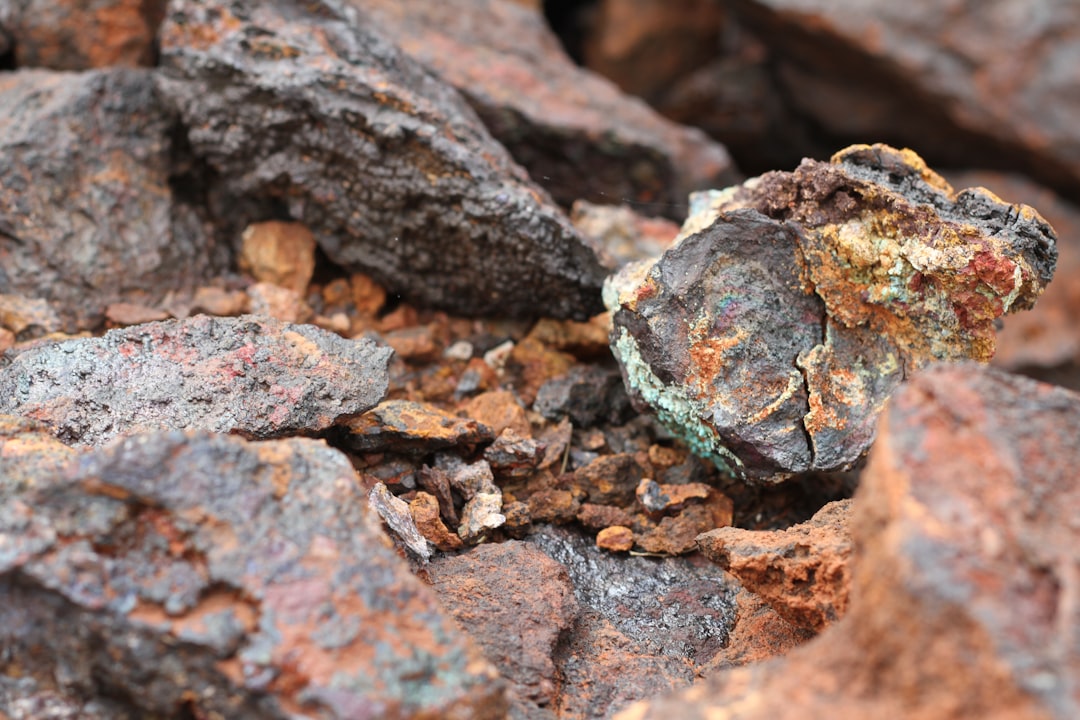
Lithium mining, an industry propelling the electric vehicle revolution and the proliferation of portable electronics, is increasingly casting a long shadow over global water resources. As the demand for lithium-ion batteries surges, so too does the pressure on freshwater supplies, particularly in arid and semi-arid regions where much of the world’s lithium is extracted. This article will delve into the multifaceted impacts of lithium mining on water scarcity, exploring the extraction methods, the water footprints involved, and the potential consequences for both ecosystems and human communities.
Lithium, a light and highly reactive alkali metal, exists in various geological formations, and its extraction necessitates different approaches, each with its own significant water footprint. Understanding these methods is crucial to grasping the scale of the water challenges.
Brine Extraction: The Thirsty Giant
The most common method for extracting lithium, accounting for approximately 85% of global production, is through the evaporation of brine from salt flats, often found in South America’s “lithium triangle” (Chile, Argentina, and Bolivia). This process involves pumping vast quantities of underground saline water, rich in lithium, into enormous evaporation ponds.
The Evaporation Process and Water Consumption
These ponds can span hundreds of hectares, shimmering expanses of blue under the relentless sun. Natural solar evaporation concentrates the lithium salts. However, this process is far from water-neutral. The water is drawn from underground aquifers, which are often the primary or sole source of freshwater for surrounding communities and ecosystems.
Pumping from Aquifers
The sheer volume of water pumped from these aquifers is staggering. For every ton of lithium extracted, tens of thousands, and sometimes hundreds of thousands, of liters of water can be consumed through evaporation and leakage. Imagine a bathtub being drained day after day, its water vaporizing into the atmosphere, and you begin to comprehend the scale.
The Long Road to Concentration
It can take months, even years, for the brine to reach a sufficiently concentrated state for lithium to be harvested. During this protracted period, the water is subject to continuous evaporation, effectively “drinking” itself away into the atmosphere, never to be replenished in the short term.
Hard Rock Mining: A Different Kind of Thirst
While brine extraction dominates, hard rock mining, particularly from spodumene deposits, is an alternative method, predominantly practiced in Australia and increasingly in other regions. This method involves conventional mining techniques, extracting ore from the earth.
Ore Processing and Water Intensity
Once the ore is extracted, it undergoes a complex processing stage that is also water-intensive. This typically involves crushing, grinding, and flotation processes to separate the lithium-bearing minerals from the host rock.
Grinding and Flotation
Water is used as a medium to transport the finely ground ore and facilitate the separation of minerals in flotation cells. This water becomes integrated with the tailings, the waste material from the mining process, requiring careful management to prevent environmental contamination.
Chemical Leaching and Purification
Further chemical processes, such as leaching with acids, are employed to extract the lithium from the separated minerals. These reactions require significant volumes of water, and the resulting wastewater needs extensive treatment before it can be discharged or potentially reused.
The increasing demand for lithium, primarily driven by the rise of electric vehicles and renewable energy storage, has raised significant concerns about its environmental impact, particularly regarding global water scarcity. A related article discusses the intricate balance between lithium mining and water resources, highlighting how extraction processes can deplete local water supplies and affect surrounding ecosystems. For more insights on this critical issue, you can read the article here: The Impact of Lithium Mining on Global Water Scarcity.
The Direct Impacts on Local Water Supplies
The consequences of these extraction methods are most acutely felt at the local level, transforming landscapes and impacting the very lifeblood of communities and ecosystems.
Depletion of Groundwater Reserves
The pumping of vast quantities of brine from underground aquifers is a primary driver of water scarcity in regions like the Atacama Desert. These aquifers are not infinite reservoirs; they are delicate, often slow-replenishing systems.
Lowering of Water Tables
As water is continuously extracted, the water table drops. This can lead to wells running dry, forcing communities to travel further for water or abandon their homes altogether. The ground itself can even sink in some areas due to dewatering, a phenomenon known as subsidence.
Unintended Consequences of Extraction
It’s like removing a crucial support beam from a building; the entire structure, in this case, the local hydrology, begins to weaken and change. The natural balance that has existed for millennia is disrupted.
Salinization of Freshwater Sources
In some instances, the extraction of saline brine can indirectly lead to the salinization of adjacent freshwater aquifers. This can occur through the interconnectedness of underground water systems, where the outward movement of highly saline water encroaches upon and pollutes freshwater sources.
A Bitter Taste for the Future
This salinization renders previously potable water unusable for drinking, agriculture, and even many industrial purposes, creating a perpetual problem for generations to come.
Surface Water Diversion and Alteration
While less pronounced than groundwater depletion, surface water resources can also be impacted, especially in areas where mining operations are located near rivers or lakes.
Water for Processing and Dust Suppression
Surface water may be diverted for use in processing, dust suppression on mine sites, and for general operational needs. This diversion can reduce the flow of rivers and streams downstream, affecting aquatic ecosystems and the communities that rely on these waterways.
The River’s Reduced Pulse
Imagine a vital artery being narrowed; the flow of life-sustaining resources diminishes, impacting everything connected to it.
Alteration of Natural Hydrological Cycles
The introduction of large-scale mining operations can fundamentally alter natural hydrological cycles. Ponds, infrastructure, and waste disposal sites can change drainage patterns, affecting soil moisture, groundwater recharge, and the overall water balance of an area.
A Changed Rhythm of the Land
The land’s natural breathing and drinking patterns are disrupted, leading to unforeseen environmental consequences.
The Broader Environmental Repercussions
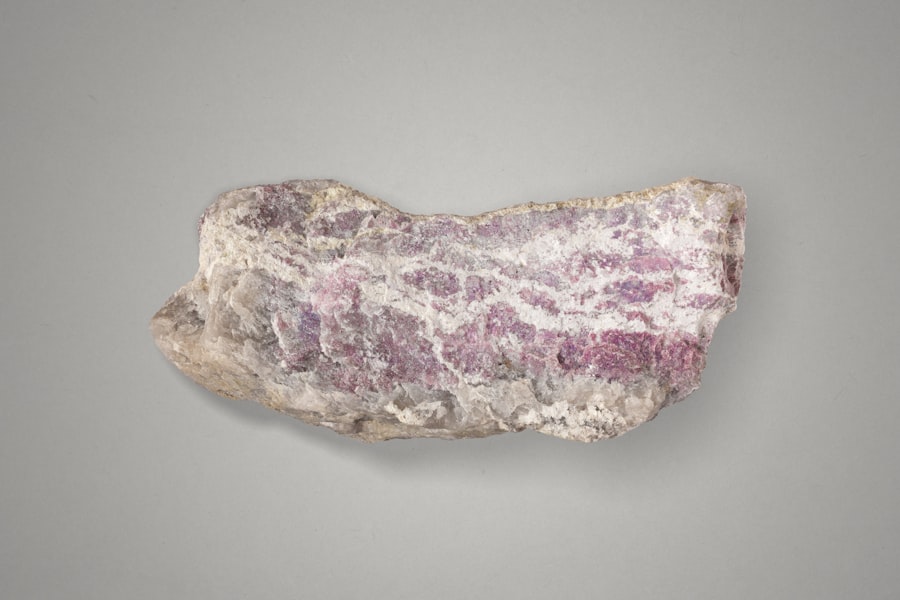
Beyond the immediate water scarcity, the extraction of lithium has a ripple effect, impacting biodiversity, ecosystems, and the delicate balance of nature.
Impact on Biodiversity and Ecosystems
Water is the lifeblood of any ecosystem, and its scarcity directly threatens the flora and fauna that depend on it.
Stress on Aquatic Life
Reduced water levels in rivers, wetlands, and salt lakes can lead to the shrinking of habitats for fish, amphibians, and invertebrates. Changes in water salinity and chemistry can further stress or kill sensitive species.
The Fading Hum of Life
The vibrant symphony of an ecosystem, reliant on its water sources, begins to falter and fade, with individual notes disappearing from the score.
Impact on Terrestrial Flora
Vegetation in arid and semi-arid regions is often highly adapted to specific water availability. Reduced groundwater levels and surface water diversion can lead to increased vegetation stress, dieback, and a shift in plant communities.
The Silent Withering
The hardy plants that have long clung to life in challenging environments can succumb to the added pressure, their resilience tested beyond its limits.
Threats to Wetlands and Salt Lakes
These environments are particularly vulnerable. Salt lakes, often the source of lithium brine, are unique and fragile ecosystems supporting specialized life forms. Their degradation due to excessive water extraction can lead to irreversible biodiversity loss.
Jewels of the Desert Threatened
These naturally occurring wonders, often overlooked but teeming with life, face the grim prospect of disappearing altogether.
Soil Degradation and Desertification
Water scarcity, exacerbated by mining activities, can contribute to soil degradation and the advancement of desertification.
Reduced Soil Moisture
With less water available, soils become drier and more susceptible to erosion by wind and water. This loss of fertile topsoil reduces agricultural productivity and the ability of land to support vegetation.
The Unraveling of the Earth’s Carpet
The protective and life-sustaining layer of soil begins to break down, leaving the bare earth exposed and vulnerable.
Altered Soil Structure
Changes in soil moisture can also affect its structure, making it less capable of retaining water and nutrients. This can lead to a vicious cycle of increasing dryness and declining fertility.
The Fragile Foundation Weakens
The very structure that supports life on land becomes compromised, making recovery increasingly difficult.
Communities Bearing the Brunt of Water Scarcity
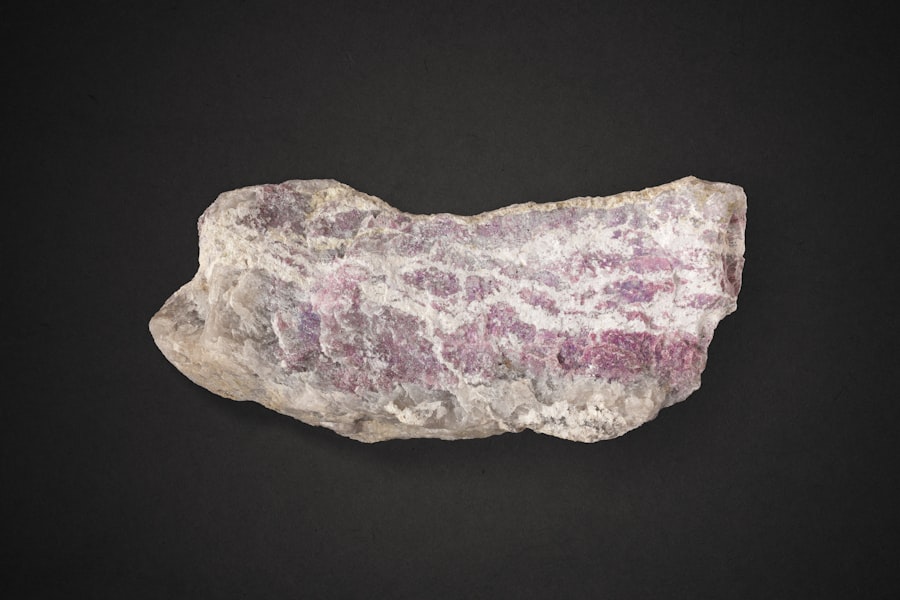
The human cost of lithium mining’s impact on water scarcity is profound, disproportionately affecting Indigenous communities and vulnerable populations.
Disruption of Traditional Livelihoods
Many communities in lithium-rich regions have historically relied on access to water for agriculture, livestock, and traditional practices. Water scarcity directly threatens these livelihoods.
Agricultural Impacts
With dwindling water resources, traditional farming practices become unsustainable. Crop yields decline, and entire agricultural sectors can be jeopardized, leading to food insecurity and economic hardship.
The Harvest Fails to Appear
The promise of sustenance, once reliably delivered by the land, is replaced by the gnawing anxiety of scarcity.
Livestock Depletion
Access to water for livestock is crucial. Reduced water availability can lead to the depletion of herds, impacting the economic and cultural foundations of pastoralist communities.
The Fraying Threads of Tradition
Generations-old ways of life, intrinsically linked to the health of the land and its water, begin to unravel.
Health and Hygiene Challenges
The lack of clean, accessible water has direct implications for public health and hygiene.
Increased Risk of Waterborne Diseases
When safe water sources are depleted, communities may be forced to rely on contaminated water, increasing the risk of waterborne diseases such as cholera, typhoid, and dysentery.
The Invisible Enemy of Illness
The absence of a basic necessity creates fertile ground for pathogens to thrive, threatening the well-being of entire populations.
Strain on Public Health Infrastructure
Addressing these health challenges places immense strain on already limited public health resources in often remote and underserved areas.
A System Already on Edge
The existing infrastructure, often stretched thin, buckles under the added pressure of a preventable crisis.
Social and Cultural Disruption
Water is more than just a resource; it is deeply intertwined with the cultural and social fabric of many communities.
Displacement of Communities
In extreme cases, severe water scarcity can lead to the displacement of entire communities, forcing people to leave their ancestral lands in search of more viable living conditions.
The Exodus from Familiar Shores
The painful decision to abandon one’s home and heritage, driven by the fundamental lack of a life-sustaining element.
Erosion of Cultural Identity
The loss of access to traditional water sources and the lands they sustain can lead to the erosion of cultural identity and heritage, particularly for Indigenous groups.
The Fading Echoes of Ancestral Ties
The profound connection between people, land, and water, a cornerstone of cultural identity, begins to dissipate.
The growing demand for lithium, essential for batteries in electric vehicles and renewable energy storage, has raised concerns about its impact on global water scarcity. As mining operations expand, particularly in regions already facing water stress, the competition for this vital resource intensifies. A related article discusses the environmental implications of lithium extraction and its potential effects on local communities and ecosystems. You can read more about this pressing issue in the article found here. Understanding these dynamics is crucial as we navigate the transition to a more sustainable energy future.
Towards Sustainable Lithium Futures: Mitigation and Innovation
| Metric | Value | Unit | Notes |
|---|---|---|---|
| Water Consumption per Ton of Lithium | 500,000 | Liters | Average water used in extraction from salt flats |
| Percentage of Water Used in Lithium Mining vs. Local Water Supply | 65 | % | Example from Salar de Atacama, Chile |
| Annual Lithium Production | 100,000 | Metric Tons | Global production estimate (2023) |
| Estimated Annual Water Use for Lithium Mining | 50,000,000,000 | Liters | Based on production and water consumption per ton |
| Impact on Local Water Table | 10-30 | % Decrease | Reported drop in groundwater levels near mining sites |
| Increase in Local Water Scarcity Index | 15 | % | Estimated increase due to lithium mining activities |
| Number of Communities Affected | 20 | Communities | Communities reporting water shortages linked to mining |
The growing awareness of lithium mining’s water footprint is prompting a search for more sustainable practices and innovative solutions to mitigate its impact.
Water-Efficient Extraction Technologies
Research and development are focused on refining existing technologies and exploring new methods that reduce water consumption.
Direct Lithium Extraction (DLE)
DLE technologies aim to extract lithium directly from brine without the need for vast evaporation ponds. These methods often involve chemical or electrochemical processes to selectively remove lithium, potentially reducing water loss and land use.
A More Precise Chemical Ballet
Instead of wasting precious water to the sun, DLE seeks to conduct a more targeted and efficient dance with the minerals.
Closed-Loop Systems
Implementing closed-loop water systems within mining operations can significantly reduce overall water withdrawal. This involves treating and recycling process water, minimizing the need for fresh water intake.
A Self-Sustaining Cycle
Creating a more circular flow of water, where what is used can be recaptured and reused, significantly lessening the demand on external sources.
Water Management and Conservation Strategies
Beyond technological advancements, robust water management and conservation strategies are crucial.
Water Resource Monitoring and Assessment
Comprehensive monitoring of groundwater and surface water levels, as well as water quality, is essential to understand the baseline conditions and track the impacts of mining operations.
Keeping a Vigilant Eye on the Tides
Understanding the ebb and flow of water is the first step in protecting it.
Stakeholder Engagement and Community Involvement
Meaningful engagement with local communities, including Indigenous groups, is vital. Their traditional knowledge and concerns must be integrated into water management plans.
A Shared Responsibility, A Collective Voice
Ensuring that those most affected have a say in decisions that directly impact their lives and their environment.
Responsible Sourcing and Policy Frameworks
The responsibility for sustainable lithium extraction extends beyond individual mining companies to governments and global consumers.
Certification and Standards
Developing and implementing robust certification schemes and international standards for responsible lithium mining can help consumers and industries make informed choices.
The Mark of Conscious Procurement
Choosing products powered by lithium that has been extracted with a conscience.
Policy and Regulation
Stronger governmental regulations, including stringent environmental impact assessments and water use permits, are necessary to ensure that lithium mining operates within ecological limits and respects human rights.
The Guardians of the Flow
Clear rules and enforcement mechanisms are essential to prevent the depletion of this vital resource.
The transition to a low-carbon future, powered by electric vehicles and renewable energy storage, is a necessary endeavor. However, it is imperative that this transition does not come at the cost of exacerbating global water scarcity. A balanced approach, prioritizing water-efficient technologies, responsible resource management, and inclusive stakeholder engagement, is the only path to a truly sustainable lithium future. The thirst for innovation must be matched by a thirst for conservation, ensuring that the clean energy revolution does not leave communities and ecosystems parched.
FAQs
What is lithium mining and why is it important?
Lithium mining involves extracting lithium, a key element used primarily in rechargeable batteries for electric vehicles, smartphones, and energy storage systems. It is important because lithium is essential for the transition to renewable energy and reducing carbon emissions.
How does lithium mining affect global water resources?
Lithium mining can significantly impact water resources by consuming large quantities of water, especially in arid regions where lithium deposits are often found. This can lead to depletion of local water supplies, affecting agriculture, drinking water availability, and natural ecosystems.
Which regions are most affected by water scarcity due to lithium mining?
Regions such as the Lithium Triangle in South America—comprising parts of Argentina, Bolivia, and Chile—are most affected. These areas are already water-stressed, and lithium extraction exacerbates water scarcity by using substantial amounts of groundwater and surface water.
Are there any environmental regulations to mitigate the water impact of lithium mining?
Yes, many countries have environmental regulations aimed at managing water use and protecting local ecosystems during lithium mining. These include water usage limits, monitoring requirements, and mandates for sustainable mining practices, though enforcement and effectiveness vary by region.
What are some sustainable alternatives to reduce water use in lithium mining?
Sustainable alternatives include developing more water-efficient extraction technologies, recycling lithium from used batteries, exploring lithium sources with lower water footprints, and investing in alternative battery chemistries that require less or no lithium. These approaches can help reduce the water impact of lithium mining.