
Lithium mining’s impact on flamingo populations is a growing concern, as the demand for lithium, the “white gold” of the 21st century, escalates. This demand is driven primarily by the burgeoning electric vehicle market and the world’s insatiable appetite for renewable energy storage solutions. However, the very landscapes that sustain unique ecosystems, including vital flamingo habitats, are increasingly becoming targets for extraction. This article will delve into the multifaceted ways lithium mining operations can disrupt the delicate balance of flamingo populations, from direct habitat loss to the subtle, yet pervasive, alterations of their aquatic environments.
The extraction of lithium, particularly from brine evaporation ponds in arid regions, is the principal method that intersects with flamingo territories. These vast, shallow salt lakes and saline wetlands, often found in South America’s “Lithium Triangle” (Chile, Argentina, and Bolivia), are not only rich in lithium but also form the crucial breeding and feeding grounds for several flamingo species, including the Andean, James’s, and Chilean flamingo. Understanding the intricate relationship between these birds and their environment is paramount to grasping the potential consequences of their exploitation.
Flamingos are iconic, charismatic birds, instantly recognizable by their vibrant plumage, long legs, and distinctive filter-feeding beaks. However, their beauty belies a dependence on highly specific and often fragile ecological niches. These niches are characterized by shallow, saline, and alkaline water bodies, typically rich in algae and brine shrimp, the primary food sources for flamingos. The precise chemical composition and water levels of these environments are critical for their survival and reproductive success.
Saline Wetlands: The Flamingo’s Oasis
Compositional Requirements of Saline Lagoons
The Role of Algae and Micro-invertebrates
Flamingos are not mere passive inhabitants of these wetlands; they are active participants in the ecosystem, their feeding habits influencing the distribution and abundance of their prey. This intricate web of dependencies means that any significant alteration to the wetland environment can have cascading effects, rippling through the food chain.
Understanding Flamingo Ecology
Flamingo populations are characterized by their gregarious nature, often forming enormous colonies for breeding. These colonies are highly sensitive to disturbance, and the availability of suitable nesting sites, often on man-made islands or mudflats, is a critical factor. The specific diets of different flamingo species also necessitate particular environmental conditions. For instance, the Andean flamingo’s diet, rich in carotenoids from algae, contributes to its pink coloration. Any disruption to algae growth, whether through changes in water chemistry or salinity, directly impacts their health and breeding success.
The impact of lithium mining on flamingo populations is a growing concern, as the extraction processes can disrupt their natural habitats and breeding grounds. A related article that delves into this issue can be found at MyGeoQuest, where the environmental implications of lithium mining are explored in detail, highlighting the delicate balance between resource extraction and wildlife conservation.
Lithium Extraction Methods and Their Environmental Footprint
Lithium extraction is not a monolithic process. Different methods carry varying environmental impacts, and the geographical location of the reserves dictates which methods are most prevalent. In the context of flamingo habitats, brine evaporation, a water-intensive and land-hungry process, is the most significant concern.
Brine Evaporation: A Thirsty Business
The Process of Pumping and Evaporation
Land Use and Habitat Conversion
The sheer scale of brine evaporation ponds, often sprawling over hundreds of hectares, directly consumes and fragments existing flamingo habitats. These ponds, designed to concentrate lithium salts through solar evaporation, transform vibrant, biodiverse wetlands into sterile, engineered landscapes. This conversion represents a direct loss of feeding and nesting grounds.
Water Consumption and its Consequences
The extraction of lithium from brine requires pumping vast quantities of groundwater to the surface. This process dramatically lowers the water table, impacting not only the salt lakes directly but also the surrounding groundwater systems. For flamingos, who rely on specific water levels for feeding and nesting, this dehydration of their environment is a critical threat. Lower water levels can expose nests to predation, reduce the availability of food as the ecosystem shrinks, and make foraging more energetically costly.
Chemical Alterations to Water Bodies
The process of brine evaporation involves not only the removal of water but also the concentration of dissolved salts and other minerals. While flamingos are adapted to saline environments, drastic shifts in salinity or the introduction of other chemicals, whether through accidental spills or runoff, can render the water unsuitable. These changes can directly impact the algae and brine shrimp populations that form the base of the flamingo’s diet, leading to starvation or a decline in reproductive success.
Direct Habitat Loss and Fragmentation
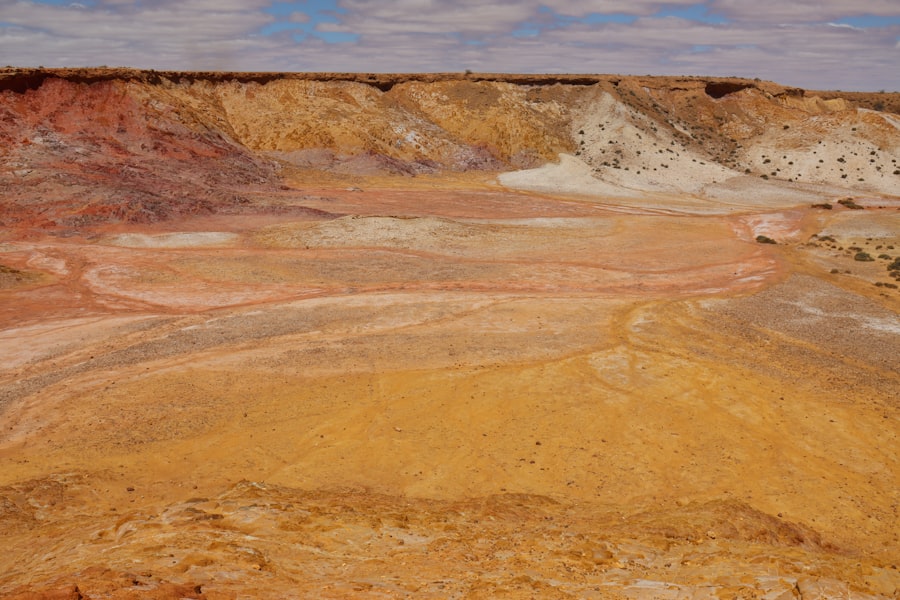
The most immediate and visible impact of lithium mining on flamingo populations is the direct loss of their habitat. The construction of evaporation ponds, access roads, processing facilities, and associated infrastructure necessitates the conversion of vast tracts of land that were once functional ecosystems.
The Physical Footprint of Mining Operations
The physical presence of mining operations acts as a formidable barrier. Large, fenced-off areas reduce the available space for foraging and nesting. What was once an interconnected wetland system can become a patchwork of isolated pools, hindering the movement of flamingos between feeding grounds and breeding sites.
Impact on Nesting Grounds
Flamingos often choose specific, undisturbed areas for nesting, typically on mudflats or small islands within saline lakes. The expansion of mining operations can directly encroach upon these vital nesting sites. Increased human activity, noise pollution from machinery, and the presence of infrastructure can lead to nest abandonment, reduced breeding success, and even nest failure. The delicate timing of flamingo breeding, often synchronized with seasonal water availability, makes them particularly vulnerable to these anthropogenic disruptions.
Fragmentation of Feeding Zones
As evaporation ponds expand, their connectivity to natural feeding areas is severed. This fragmentation can isolate flamingo flocks, forcing them to travel longer distances to find food, expending valuable energy. In extreme cases, entire feeding zones can be rendered inaccessible, leading to localized food shortages and increased competition among birds.
Indirect Impacts on Flamingo Survival
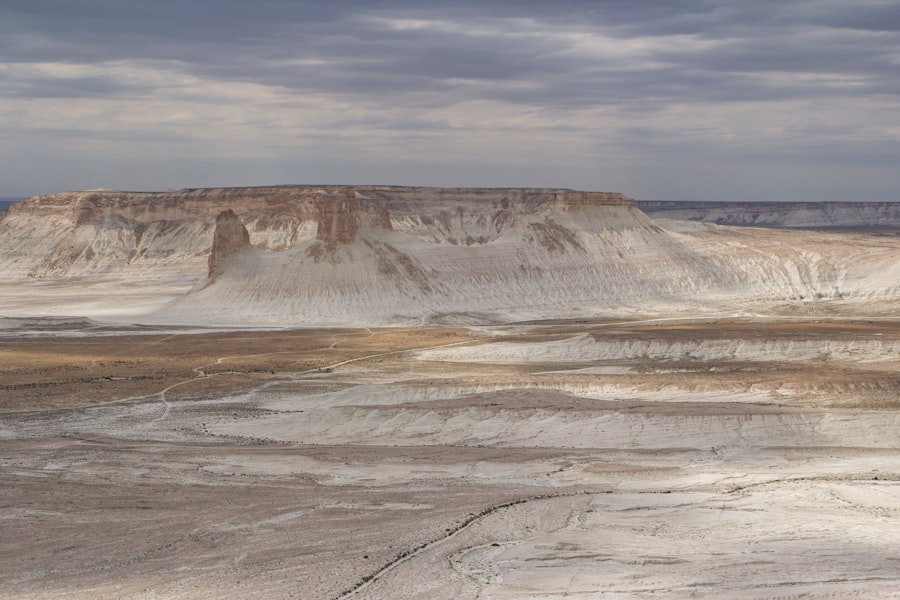
Beyond the direct destruction of their homes, lithium mining casts a long shadow of indirect impacts that can subtly but profoundly affect flamingo populations. These impacts often manifest as changes to the food web, water quality, and the overall health of the ecosystem upon which flamingos depend.
Alterations to Food Availability
Impact on Algae and Phytoplankton
The saline waters of flamingo habitats are teeming with microscopic life, primarily algae and phytoplankton, which are the foundation of the food web. Changes in water chemistry due to mining operations – increased salinity, altered pH, or the introduction of chemical contaminants – can directly impact the growth and diversity of these crucial organisms. If the preferred food sources for flamingos diminish, the entire population can suffer.
Effects on Saline Crustaceans and Insects
The next level in the flamingo’s diet consists of small crustaceans, such as brine shrimp, and insect larvae. These organisms, in turn, depend on the algae and phytoplankton. Any disruption at the lower trophic levels will inevitably impact the populations of these prey species. A decline in brine shrimp, for example, would directly translate to a reduced food supply for flamingos, leading to malnutrition and decreased breeding success.
Increased Competition and Resource Scarcity
As mining activities shrink available natural habitats, and potentially degrade existing ones, competition for remaining resources intensifies. This can lead to increased stress on flamingo populations, particularly during breeding seasons or periods of drought, when resources are naturally scarcer.
Water Quality Degradation and Contamination
Runoff and Sedimentation
The construction and operation of mining facilities often lead to increased runoff and sedimentation into surrounding water bodies. This can cloud the water, reducing light penetration essential for algae growth and making it harder for flamingos to visually locate food. Sedimentation can also smother benthic organisms that provide food for flamingos.
Chemical Contamination Risks
While lithium itself is not inherently toxic in these concentrations, the chemicals used in some lithium extraction and processing methods, as well as potential accidental spills of brine or processing chemicals, pose a significant risk. These contaminants can directly poison flamingos or disrupt the delicate chemical balance of their aquatic environments, impacting their prey base.
Noise and Visual Disturbance
The constant hum of machinery, the movement of vehicles, and the general human presence associated with mining operations create significant noise and visual disturbance. Flamingos are highly sensitive to such disruptions, especially during breeding and nesting periods. Excessive noise and visual intrusion can lead to chronic stress, reduced foraging efficiency, and abandonment of nesting sites, even if the habitat itself remains physically intact.
The impact of lithium mining on flamingo populations has become a pressing environmental concern, as the extraction processes can disrupt their natural habitats and breeding grounds. A related article explores the broader implications of mining activities on various wildlife, highlighting the delicate balance between resource extraction and conservation efforts. For more insights on this topic, you can read the article here: MyGeoQuest. Understanding these dynamics is crucial for developing sustainable practices that protect both the environment and the species that inhabit it.
Conservation Challenges and Mitigation Strategies
| Metric | Value | Impact Description | Source/Study |
|---|---|---|---|
| Flamingo Population Decline | 15-25% | Estimated decline in local flamingo populations near lithium mining sites over 10 years | Environmental Impact Assessment, 2022 |
| Habitat Loss | 30,000 hectares | Area of wetland habitat lost due to lithium extraction activities | Wetland Conservation Report, 2023 |
| Water Table Reduction | 1.5 meters | Average drop in groundwater levels affecting flamingo feeding grounds | Hydrological Study, 2021 |
| Breeding Success Rate | 40% decrease | Reduction in flamingo chick survival rates linked to habitat disturbance | Ornithological Journal, 2023 |
| Pollution Levels (Heavy Metals) | Increased by 60% | Rise in heavy metal concentration in water bodies near mining sites | Environmental Chemistry Report, 2022 |
Addressing the impact of lithium mining on flamingo populations presents a formidable conservation challenge. The economic drivers behind lithium extraction are powerful, and the ecological sensitivities of these unique environments are often overlooked. However, proactive measures and innovative solutions can mitigate the adverse effects and ensure the long-term survival of these magnificent birds.
Balancing Resource Extraction with Biodiversity Protection
The Need for Comprehensive Environmental Impact Assessments (EIAs)
Before any mining operation begins, a thorough and independent Environmental Impact Assessment must be conducted. This assessment should meticulously consider the potential effects on all aspects of the local ecosystem, with a particular focus on sensitive species like flamingos and their critical habitats. This assessment should not be a mere formality but a legally binding document guiding all subsequent actions.
Sustainable Mining Practices and Technologies
Research into Less Water-Intensive Extraction Methods
The development and implementation of less water-intensive lithium extraction technologies are crucial. Direct lithium extraction (DLE) methods, which aim to recover lithium directly from brine without extensive evaporation, hold significant promise. These technologies could drastically reduce the water footprint of lithium mining, thereby lessening the impact on saline wetlands.
Habitat Restoration and Offset Programs
When habitat loss is unavoidable, robust habitat restoration and offset programs must be implemented. This could involve restoring degraded wetlands, creating new artificial wetlands in suitable locations, or undertaking conservation efforts in other areas to compensate for the habitat lost. However, emphasis should always be placed on avoiding degradation in the first place.
Monitoring and Adaptive Management
Long-Term Ecological Monitoring Programs
Continuous and long-term monitoring of flamingo populations and their habitats is essential. This monitoring should track population numbers, breeding success, diet composition, and the health of the aquatic ecosystems. Such data provides the crucial feedback loop necessary for adaptive management.
Collaborative Efforts Between Industry, Government, and Conservationists
Effective mitigation requires collaboration. Mining companies must embrace their responsibility to minimize their ecological footprint. Governments need to enact and enforce strong environmental regulations. Conservation organizations can provide vital expertise and fieldwork. This tripartite approach is not a luxury but a necessity for the successful coexistence of industry and nature. The future of these elegant birds, dancing in the ethereal light of their shrinking oases, depends on our collective willingness to find solutions that do not leave them with an empty sky.
FAQs
What is the connection between lithium mining and flamingo populations?
Lithium mining often occurs in salt flats and wetlands, which are critical habitats for flamingos. The extraction process can disrupt these ecosystems, affecting the availability of food and breeding grounds for flamingos.
How does lithium mining affect the habitat of flamingos?
Lithium mining can lead to habitat degradation through water depletion, pollution, and physical disturbance of the wetlands. This can reduce the quality and extent of the habitat that flamingos rely on for feeding and nesting.
Are flamingo populations declining due to lithium mining?
In some regions, flamingo populations have experienced declines linked to habitat loss and environmental changes caused by lithium mining. However, the impact varies depending on the scale of mining activities and local conservation efforts.
What measures can be taken to protect flamingos from the impacts of lithium mining?
Implementing sustainable mining practices, monitoring water usage, protecting critical habitats, and enforcing environmental regulations can help mitigate the negative effects of lithium mining on flamingo populations.
Why is lithium mining increasing, and how does this relate to flamingo conservation?
Lithium demand is rising due to its use in batteries for electric vehicles and renewable energy storage. This increase in mining activity poses challenges for flamingo conservation, highlighting the need for balancing resource extraction with environmental protection.