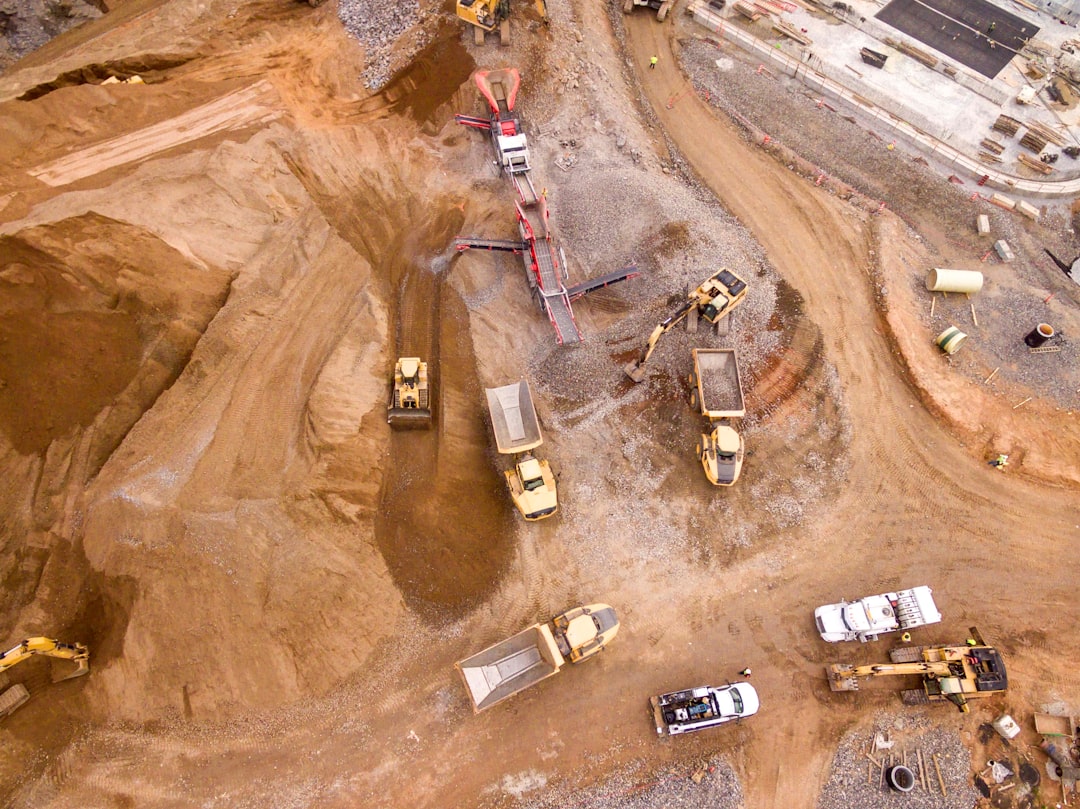
The Atacama Desert, located in northern Chile, is one of the driest places on Earth. It extends over 1,000 kilometers along the Pacific coast and features stark landscapes, salt flats, and distinctive ecosystems. The desert’s extreme aridity has driven the evolution of specialized adaptations in its plant and animal species, making it an important area for ecological study.
Despite its inhospitable conditions, the Atacama supports diverse life forms that have adapted to survive with minimal water. The region also possesses significant geological resources with considerable economic value, particularly for mineral extraction. In recent years, the Atacama Desert has become a focus of international interest due to its substantial lithium reserves.
Lithium is an essential material in battery production for electric vehicles and energy storage systems. As global demand for lithium has increased alongside the transition to renewable energy technologies, mining operations in the region have expanded considerably. This development has created tension between economic interests and environmental protection, as lithium extraction requires substantial water resources in an already water-scarce environment.
The challenge of balancing economic growth with ecological sustainability has become a central issue in debates about the Atacama Desert’s future.
Key Takeaways
- The Atacama Desert is a key global source of lithium, essential for modern batteries.
- Lithium mining significantly strains the desert’s scarce water resources, exacerbating water scarcity.
- Environmental and social impacts include ecosystem disruption and challenges for indigenous communities.
- Efforts to mitigate the water crisis involve government, industry, and local stakeholders working toward sustainable practices.
- Future sustainable lithium mining requires balancing economic benefits with environmental protection and social responsibility.
Lithium mining in the Atacama Desert
Lithium mining in the Atacama Desert primarily occurs through a process known as brine extraction. This method involves pumping lithium-rich brine from underground reservoirs to the surface, where it is then evaporated in large ponds to concentrate the lithium content. The Atacama’s unique climatic conditions—characterized by high evaporation rates and low precipitation—make it an ideal location for this type of mining.
Major companies have invested heavily in the region, drawn by the prospect of tapping into one of the largest lithium reserves in the world. The economic implications of lithium mining are significant. As global demand for electric vehicles and renewable energy solutions continues to rise, Chile’s lithium production has positioned the country as a key player in the global market.
The influx of foreign investment has led to job creation and infrastructure development in local communities. However, this economic boom comes with its own set of challenges, particularly concerning environmental sustainability and resource management. The rapid expansion of mining operations raises questions about the long-term viability of water resources in an already water-scarce region. Learn about the environmental impacts of lithium mining in this informative video.
Impact of lithium mining on water resources
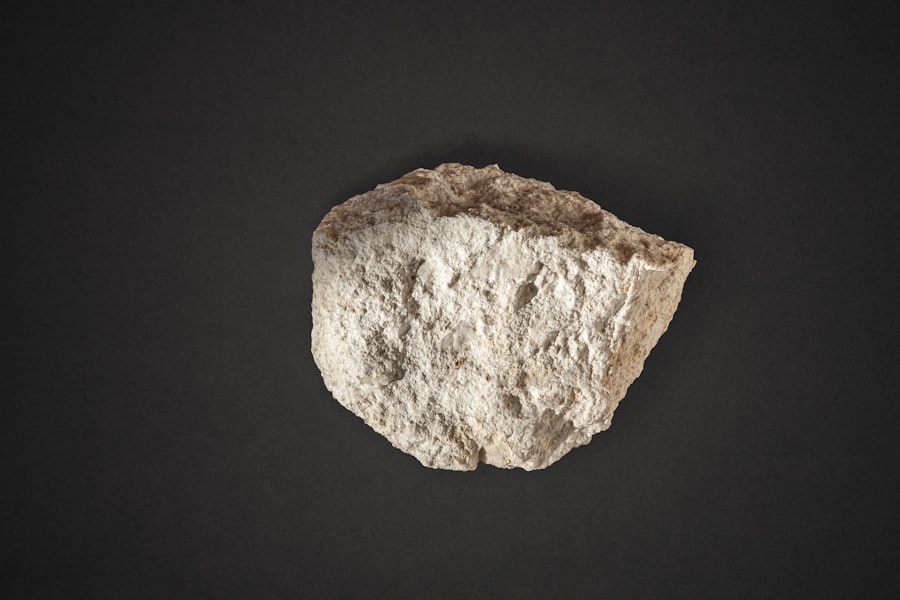
The extraction of lithium from the Atacama Desert has profound implications for local water resources. The process of brine extraction requires substantial amounts of water, which is drawn from underground aquifers that are already under stress due to the region’s arid climate. As mining companies increase their operations, concerns have emerged regarding the depletion of these vital water sources.
The competition for water between lithium mining and local communities, agriculture, and ecosystems creates a complex web of challenges that must be navigated carefully. Moreover, the impact on water quality cannot be overlooked. The mining process can introduce contaminants into local water supplies, further exacerbating existing water scarcity issues.
As lithium extraction intensifies, there is a growing need for comprehensive studies to assess the long-term effects on both groundwater and surface water systems. The delicate balance between economic gain and environmental stewardship is critical in ensuring that water resources are managed sustainably for future generations.
Water scarcity in the Atacama Desert
Water scarcity is a defining characteristic of the Atacama Desert, where rainfall is minimal and evaporation rates are exceptionally high. This natural aridity has shaped the lives of those who inhabit the region, including both local communities and indigenous populations. The limited availability of freshwater resources poses significant challenges for agriculture, drinking water supply, and overall quality of life.
In many areas, residents rely on wells or trucked-in water, which can be both costly and unreliable. The situation has been further complicated by climate change, which threatens to exacerbate existing water shortages. Rising temperatures and shifting precipitation patterns may lead to even drier conditions in an already parched landscape.
As lithium mining operations expand, they add additional pressure to an already strained water supply. The interplay between natural scarcity and human demands creates a precarious situation that necessitates urgent attention and action.
Environmental concerns related to lithium mining
| Metric | Value | Unit | Notes |
|---|---|---|---|
| Annual Lithium Production | 18,000 | Metric Tons | Approximate production from Atacama Desert |
| Water Usage per Ton of Lithium | 500,000 | Liters | Estimated water consumption for lithium extraction |
| Annual Water Extraction | 9,000,000,000 | Liters | Water withdrawn annually for lithium mining |
| Local Annual Rainfall | 15 | Millimeters | Average precipitation in Atacama Desert |
| Groundwater Depletion Rate | 20 | Percent per year | Estimated rate of aquifer depletion near mining sites |
| Impact on Local Agriculture | Reduced by 40 | Percent | Decrease in agricultural productivity due to water scarcity |
| Number of Affected Communities | 5 | Communities | Local indigenous and farming communities impacted |
The environmental concerns surrounding lithium mining in the Atacama Desert extend beyond water depletion. The extraction process itself can disrupt local ecosystems and biodiversity. The construction of large evaporation ponds alters land use patterns and can lead to habitat loss for native species.
Additionally, dust generated from mining activities can affect air quality and contribute to respiratory issues among nearby populations. Furthermore, there are concerns about the long-term sustainability of lithium extraction practices. As demand for lithium continues to grow, there is a risk that mining operations may prioritize short-term gains over long-term environmental health.
This raises critical questions about how to balance economic development with ecological preservation in one of the world’s most fragile environments. Addressing these environmental concerns requires a concerted effort from both industry stakeholders and regulatory bodies to implement best practices that minimize ecological impact.
Social and cultural implications of water scarcity in the Atacama Desert
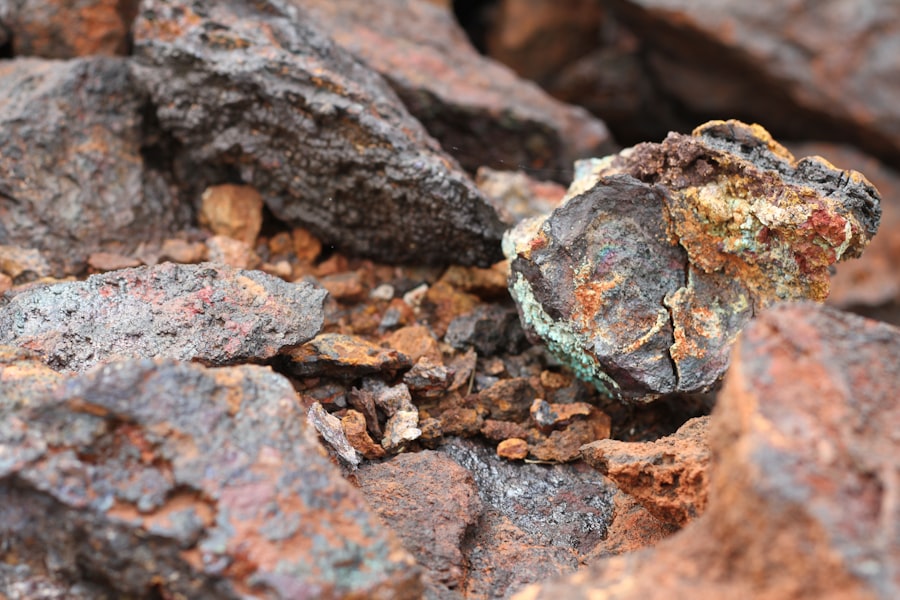
The social and cultural implications of water scarcity in the Atacama Desert are profound and far-reaching. For indigenous communities, water is not merely a resource; it holds cultural significance and is integral to their way of life. Many indigenous groups have deep-rooted connections to their ancestral lands and rely on traditional agricultural practices that depend on access to freshwater.
As water becomes increasingly scarce due to both climate change and industrial demands, these communities face existential threats to their cultural heritage. Moreover, the competition for water resources can lead to social tensions between different stakeholders. Local residents may find themselves at odds with mining companies that prioritize profit over community needs.
This dynamic can exacerbate existing inequalities and marginalize vulnerable populations who lack political power or representation. The struggle for water access becomes not only an environmental issue but also a matter of social justice, highlighting the need for inclusive dialogue and equitable resource management.
Efforts to mitigate the water crisis
In response to the growing water crisis in the Atacama Desert, various efforts have been initiated to promote sustainable water management practices. Local governments, NGOs, and community organizations are working together to develop strategies that prioritize conservation and equitable distribution of water resources. These initiatives often focus on improving infrastructure for water delivery, enhancing efficiency in agricultural practices, and promoting awareness about water conservation among residents.
Additionally, some mining companies have begun to adopt more sustainable practices in their operations. This includes investing in technologies that reduce water consumption during lithium extraction and implementing measures to minimize environmental impact. Collaborative efforts between industry stakeholders and local communities are essential for creating a framework that balances economic development with ecological sustainability.
The role of government and industry in addressing the water crisis
The role of government and industry is crucial in addressing the complex challenges posed by water scarcity in the Atacama Desert. Regulatory frameworks must be established to ensure that mining operations adhere to strict environmental standards while also considering the needs of local communities. Policymakers have a responsibility to engage with stakeholders at all levels—indigenous groups, local residents, environmental organizations—to create comprehensive strategies that prioritize sustainable resource management.
Industry players also have a significant role to play in fostering responsible practices within their operations. By investing in research and development for more efficient extraction methods and committing to transparency regarding their water usage, companies can demonstrate their dedication to sustainability.
Indigenous communities and the water crisis
Indigenous communities in the Atacama Desert are at the forefront of the struggle against water scarcity exacerbated by lithium mining activities. These groups often possess traditional knowledge about sustainable land use and resource management that can inform contemporary practices. However, their voices have historically been marginalized in decision-making processes regarding resource allocation and environmental protection.
As awareness grows about the importance of including indigenous perspectives in discussions about water management, there is potential for meaningful change. Empowering these communities through legal recognition of their rights to land and resources can help ensure that their needs are prioritized alongside industrial interests. Collaborative initiatives that respect indigenous knowledge systems can lead to more effective solutions for managing water scarcity while preserving cultural heritage.
Future prospects for sustainable lithium mining in the Atacama Desert
The future prospects for sustainable lithium mining in the Atacama Desert hinge on a collective commitment to responsible practices that prioritize both economic development and environmental stewardship. As global demand for lithium continues to rise, there is an opportunity for Chilean authorities and industry leaders to set a precedent for sustainable resource extraction that could serve as a model for other regions. Innovative technologies such as direct lithium extraction (DLE) offer promising alternatives that could significantly reduce water usage compared to traditional brine extraction methods.
By investing in research and development for these technologies, stakeholders can work towards minimizing environmental impact while meeting market demands. Additionally, fostering partnerships with local communities will be essential in ensuring that benefits from lithium mining are equitably shared.
Conclusion and call to action
The Atacama Desert stands at a crossroads where economic opportunity meets environmental vulnerability. As lithium mining continues to expand in this fragile ecosystem, it is imperative that all stakeholders—governments, industries, local communities, and indigenous groups—come together to address the pressing challenges posed by water scarcity. A collaborative approach that prioritizes sustainable practices can pave the way for a future where economic growth does not come at the expense of ecological health or social equity.
A call to action is necessary: policymakers must implement robust regulations that protect water resources while promoting responsible mining practices; industries must commit to transparency and sustainability; and communities must be empowered to advocate for their rights and needs. By working together towards a common goal, it is possible to create a future where both people and nature thrive in harmony within the unique landscape of the Atacama Desert.
The lithium mining operations in the Atacama Desert have raised significant concerns regarding the water crisis in the region, as the extraction process consumes vast amounts of water, exacerbating the already scarce resources available to local communities. For a deeper understanding of the environmental impacts and the ongoing challenges faced by the inhabitants of this arid landscape, you can read more in this related article on MyGeoQuest: MyGeoQuest.
WATCH THIS! 🌍 “THE WATER IS GONE: Inside the Desert Killing the EV Revolution
FAQs
What is lithium mining?
Lithium mining is the process of extracting lithium, a key component used in batteries for electric vehicles, smartphones, and other electronic devices. It typically involves extracting lithium from mineral ores or brine deposits.
Where is the Atacama Desert located?
The Atacama Desert is located in northern Chile, along the Pacific coast of South America. It is one of the driest places on Earth.
Why is lithium mining significant in the Atacama Desert?
The Atacama Desert contains some of the world’s largest lithium reserves, primarily in salt flats known as salars. These brine deposits are a major source of lithium for global markets.
What is the water crisis associated with lithium mining in the Atacama Desert?
Lithium extraction in the Atacama Desert requires large amounts of water to pump brine from underground salt flats and evaporate it to extract lithium. This process depletes scarce water resources in an already arid region, impacting local ecosystems and communities.
How does lithium mining affect local communities in the Atacama Desert?
The intensive water use for lithium mining reduces water availability for indigenous peoples, farmers, and wildlife. This can lead to conflicts over water rights, harm to agriculture, and disruption of traditional lifestyles.
Are there environmental concerns related to lithium mining in the Atacama Desert?
Yes, environmental concerns include water depletion, soil degradation, and potential contamination from chemicals used in the extraction process. These impacts threaten the fragile desert ecosystem.
What measures are being taken to address the water crisis caused by lithium mining?
Some companies and governments are exploring more sustainable extraction methods, water recycling, and stricter regulations to reduce water consumption and mitigate environmental damage.
Is lithium mining in the Atacama Desert essential for the global transition to clean energy?
Yes, lithium is critical for producing batteries that power electric vehicles and store renewable energy, making it a key material for the global shift toward cleaner energy sources.
Can lithium be sourced from other locations to reduce pressure on the Atacama Desert?
Lithium is found in other regions, including Australia, China, and the United States. However, the Atacama Desert remains one of the most cost-effective and high-quality sources, so demand there remains high.
What is the future outlook for lithium mining and water use in the Atacama Desert?
The future depends on balancing lithium demand with sustainable water management. Advances in technology and stronger environmental policies may help reduce water use and protect local communities while meeting global lithium needs.