
The quest for lithium, the indispensable element powering our modern electrical lives, has brought a new set of challenges and considerations to the forefront, particularly concerning its extraction and the delicate balance it strikes with local water rights. As the world pivots towards cleaner energy, the demand for lithium batteries, the heart of electric vehicles and portable electronics, has surged, making lithium mining a critical, yet often contentious, industry. This article delves into the intricate relationship between lithium extraction and the water resources of local communities, exploring the complexities of balancing the global demand for this vital mineral with the fundamental rights of those who live alongside its acquisition.
Lithium, while often discussed in terms of its technological significance, is fundamentally a mineral extracted from the earth. The processes involved in bringing this silvery-white metal to the market are often water-intensive, particularly in the arid regions where many of the world’s significant lithium deposits are found. Understanding these hydrological dependencies is the first step in appreciating the scope of the challenge.
Conventional Versus Brine Extraction: A Tale of Two Water Demands
Lithium is predominantly sourced from two main geological formations: hard rock deposits and underground brine reservoirs. Each method presents a unique water footprint.
Hard Rock Mining: A Familiar Footprint
Hard rock mining, often involving open-pit or underground excavation, extracts lithium from minerals like spodumene. While this process also requires water for dust suppression, ore processing, and equipment operation, its water consumption is generally considered more conventional within the mining industry. Water is used to transport ore, facilitate crushing and grinding, and in flotation processes to separate lithium-bearing minerals. The wastewater generated needs careful management to prevent contamination of surface and groundwater.
Brine Extraction: The Water-Guzzler
Lithium brine extraction, prevalent in regions like the Lithium Triangle of South America (Chile, Argentina, and Bolivia), is where the most significant water concerns arise. This method involves pumping vast quantities of saline groundwater from underground aquifers, transporting it to vast evaporation ponds, and allowing the sun and wind to concentrate the lithium salts over many months, sometimes years. This is akin to a slow, deliberate distillation process, where the essence of lithium is coaxed out through the relentless work of evaporation. However, the sheer volume of water pumped from these aquifers is substantial, leading to intense scrutiny over its impact on local water resources.
The Water Cycle and Lithium’s Place Within It
The water cycle is a complex, interconnected system, and any significant extraction of a resource that relies on it inevitably sends ripples through this delicate balance.
Aquifer Depletion: Lowering the Water Table
In brine extraction, the direct pumping of groundwater from aquifers can lead to a lowering of the water table. This is particularly concerning in regions already experiencing water scarcity. The rate of extraction, the recharge rate of the aquifer, and the interconnectedness of various water bodies all play a crucial role in determining the severity of this impact. When water is drawn out faster than it can be replenished, the reservoir shrinks, much like a financial account being depleted without consistent deposits.
Evaporation’s Cruel Math: Losing More Than Gained
The evaporation ponds, essential for concentrating lithium from brines, represent a direct loss of water to the atmosphere. In arid and semi-arid environments, where evaporation rates are already high, this loss is amplified. The sun, a powerful engine of evaporation, relentlessly works to remove the water, leaving behind the concentrated lithium. This process, while efficient for lithium extraction, highlights a fundamental trade-off in water availability for other uses.
Lithium mining has become a critical topic in discussions about sustainable energy, particularly concerning its impact on local communities and their water rights. An insightful article that delves into this issue can be found at MyGeoQuest, where it explores the delicate balance between the demand for lithium for electric vehicle batteries and the rights of local populations to access clean water. This intersection of resource extraction and community rights highlights the need for responsible mining practices that prioritize both environmental sustainability and social equity.
Water Rights: The Cornerstone of Local Livelihoods
For communities situated near lithium deposits, water is not merely a resource; it is the lifeblood of their existence. Access to clean and sufficient water underpins agriculture, drinking water supplies, cultural practices, and overall ecosystem health. The assertion and protection of these water rights are paramount in any discussion of lithium mining.
Defining Water Rights: A Patchwork of Legal Frameworks
The definition and legal recognition of water rights vary significantly across jurisdictions. This legal landscape can be a complex labyrinth for both mining companies and local communities to navigate.
Indigenous Water Rights: Deep Roots in the Land
In many regions, Indigenous communities hold ancestral rights to water, often deeply ingrained in their cultural and spiritual connection to the land. These rights can predate formal legal systems and are fundamental to their traditional way of life. Recognizing and respecting these rights requires a nuanced understanding of customary law and traditional knowledge, often involving extensive consultation and co-management agreements.
Riparian and Appropriative Rights: Different Streams of Law
In common law systems, water rights are often categorized as riparian (rights tied to land adjacent to a water body) or appropriative (rights based on historical use and beneficial application). Understanding which legal framework applies, and how lithium extraction might intersect with existing rights, is a critical legal hurdle. These differing legal philosophies highlight the diverse ways societies have historically viewed and managed water.
The Shadow of Scarcity: Exacerbating Existing Pressures
Lithium mining, particularly brine extraction, can intersect with pre-existing water scarcity issues, turning a challenging situation into a crisis for some communities.
Agriculture and Irrigation: A Thirsty Partner
In agricultural communities, water is essential for irrigating crops. When mining operations draw heavily on local water sources, it can directly impact the availability of water for farming, threatening food security and the livelihoods of farmers. This creates a direct conflict between the demands of a global industry and the sustenance of local food systems.
Domestic Use and Sanitation: The Unseen Toll
Access to safe drinking water and adequate sanitation is a basic human right. If mining activities deplete or contaminate local water sources, it can have severe consequences for public health, forcing communities to seek alternative, often more expensive or less reliable, water supplies. The invisible infrastructure of water delivery is as crucial as the visible extraction of minerals.
Environmental Impacts: Beyond the Ponds
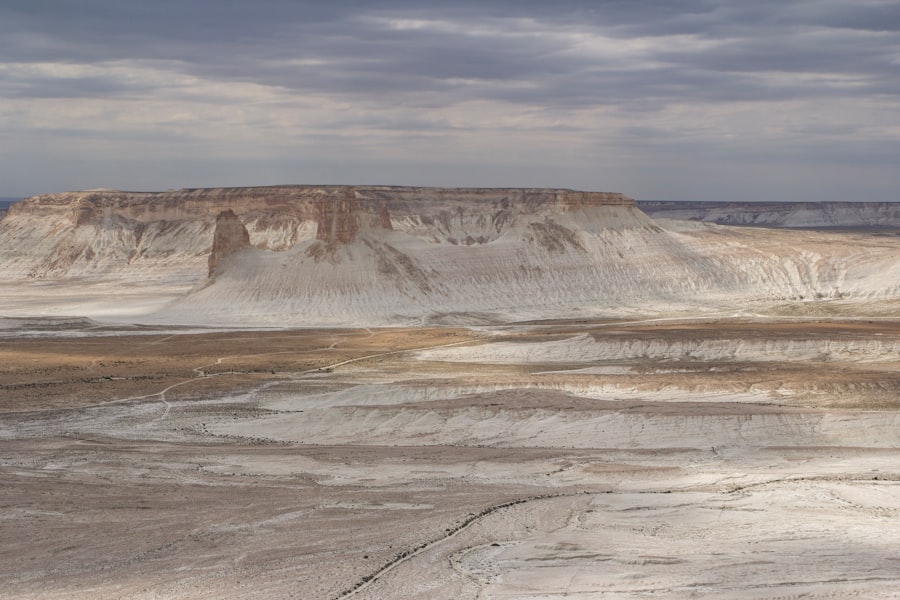
The water usage of lithium mining is not the only concern. The environmental consequences of these operations, especially in sensitive ecosystems, necessitate careful consideration and mitigation.
Contamination Risks: A Unseen Threat
The extraction and processing of lithium can pose risks of water contamination if not managed with the utmost care.
Saline Discharge and Ecosystem Disruption
The large volumes of processed brine, while not always directly toxic, can have altered salinity levels. Discharging this water into freshwater systems can disrupt delicate aquatic ecosystems, impacting fish populations and other aquatic life. This is like introducing a foreign ingredient into a carefully balanced recipe, potentially spoiling the entire dish.
Chemical Leaks and Spills: A Potential Catastrophe
The chemicals used in some lithium processing techniques, if mishandled or if leaks occur, can pose significant pollution risks to both surface and groundwater. Robust containment protocols and emergency response plans are crucial to prevent such damaging events. These are the industrial accidents that cast a long shadow, with consequences that can linger for generations.
Habitat Alteration: Disrupting Natural Flows
The construction of large evaporation ponds and associated infrastructure can lead to the alteration of natural habitats, impacting biodiversity and the ecological services provided by these areas. This can include changes to wetland areas, drainage patterns, and the displacement of wildlife. The landscape itself becomes a canvas upon which the demands of industry are painted, often with indelible strokes.
Navigating the Balance: Strategies for Sustainable Extraction

The challenges posed by lithium mining and water rights are significant, but not insurmountable. A proactive and collaborative approach, prioritizing sustainability and community well-being, is essential.
Community Engagement and Consultation: A Foundation of Trust
Meaningful engagement with local communities is not merely a regulatory requirement; it is a moral imperative and a practical necessity for the long-term viability of any mining project.
Prior Informed Consent (PIC): Empowering Local Voices
For Indigenous communities, the principle of Prior Informed Consent (PIC) is crucial. This means that communities have the right to give or withhold their consent to projects affecting their lands and resources, based on full information provided in advance. This is about ensuring that those most impacted have a genuine say in their own destiny.
Transparency and Information Sharing: Building Bridges, Not Walls
Open and transparent communication about water usage, environmental monitoring data, and potential risks is vital. Providing readily accessible information in formats understandable to local communities helps build trust and fosters a more collaborative relationship between industry and residents. Knowledge, when freely shared, can be a powerful tool for mutual understanding.
Water Management and Conservation: Stewarding a Precious Resource
Implementing robust water management strategies is central to mitigating the impacts of lithium mining.
Water Recycling and Reuse: Closing the Loop
Maximizing the recycling and reuse of water within mining operations can significantly reduce the demand for fresh water. This involves treating and repurposing process water, reducing the overall water footprint. This is akin to a well-managed garden, where every drop of water is utilized to its fullest extent.
Advanced Extraction Technologies: Minimizing Footprints
Research and development into less water-intensive lithium extraction technologies are ongoing. These innovations could offer a way to meet global demand while significantly reducing the strain on local water resources. This is the promise of innovation, offering solutions that were once beyond our reach.
Benefit Sharing and Economic Development: A Fairer Deal
Ensuring that local communities benefit from the wealth generated by lithium extraction is essential for fostering social license and ensuring a more equitable distribution of resources.
Local Employment and Training: Investing in People
Prioritizing local employment and providing training opportunities for community members can create sustainable economic benefits that extend beyond the life of the mine. This is about building capacity and empowering individuals within their own communities.
Water Infrastructure Development: Shared Investment, Shared Future
Investing in local water infrastructure, such as improving irrigation systems or developing new water sources in consultation with communities, can provide tangible benefits that address both mining needs and community water security. This is about creating a legacy of shared prosperity.
Lithium mining has become a critical topic as the demand for electric vehicles rises, but it often raises concerns about local community water rights. In many regions, the extraction process can significantly impact water resources, leading to conflicts between mining companies and residents who rely on these water supplies for their livelihoods. For a deeper understanding of this issue, you can read more in the article about the implications of lithium mining on community water rights found here. This article explores the balance between resource extraction and the rights of local communities, highlighting the challenges faced by both sides.
The Road Ahead: A Continuous Dialogue
| Metric | Description | Impact on Local Community Water Rights | Example Data |
|---|---|---|---|
| Water Usage per Ton of Lithium | Amount of water consumed to extract one ton of lithium | High water usage can reduce availability for local agriculture and drinking | 500,000 liters/ton (Atacama Desert) |
| Local Groundwater Level Change | Variation in groundwater levels before and after mining operations | Lower groundwater levels can restrict community access to wells | -2 meters over 5 years |
| Water Quality Index | Measurement of water contamination due to mining activities | Contaminated water affects health and agriculture | Drop from 85 to 60 (scale 0-100) |
| Community Water Access Hours | Average daily hours community members have access to water | Reduced access hours indicate water scarcity | 6 hours/day (post-mining) |
| Number of Water Rights Disputes | Reported conflicts between mining companies and local communities | Higher disputes reflect tensions over water allocation | 12 disputes in last 3 years |
The intersection of lithium mining and local water rights is a complex and evolving landscape. It demands a continuous dialogue between industry, governments, environmental organizations, and, most importantly, the local communities whose lives are directly impacted. The pursuit of a sustainable energy future must not come at the expense of the basic human rights and ecological integrity of vulnerable populations. The challenge is to ensure that the batteries powering our progress are not fueled by the depletion of life-giving water resources for those living closest to their source. This requires a delicate dance between innovation and responsibility, a commitment to environmental stewardship, and a deep respect for the rights and needs of every community. The path forward is one of shared responsibility, where the glimmer of lithium is matched by the clear flow of water, sustaining both progress and life.
FAQs
What is lithium mining?
Lithium mining is the process of extracting lithium, a key component used in batteries for electric vehicles, electronics, and energy storage. It typically involves extracting lithium from mineral deposits or brine pools.
How does lithium mining impact local water resources?
Lithium mining can significantly affect local water resources by consuming large amounts of water, potentially lowering water tables, and contaminating water supplies with chemicals used in the extraction process. This can impact the availability and quality of water for local communities.
Why are local community water rights important in lithium mining areas?
Local community water rights are crucial because communities depend on water for drinking, agriculture, and daily life. Protecting these rights ensures that mining activities do not deprive residents of access to clean and sufficient water.
What measures can be taken to protect water rights during lithium mining?
Measures include conducting thorough environmental impact assessments, implementing sustainable water management practices, engaging with local communities in decision-making, and enforcing regulations that limit water usage and prevent contamination.
Are there alternatives to traditional lithium mining that reduce water usage?
Yes, alternatives such as direct lithium extraction (DLE) technologies and recycling lithium from used batteries can reduce water consumption and environmental impact compared to conventional mining methods.