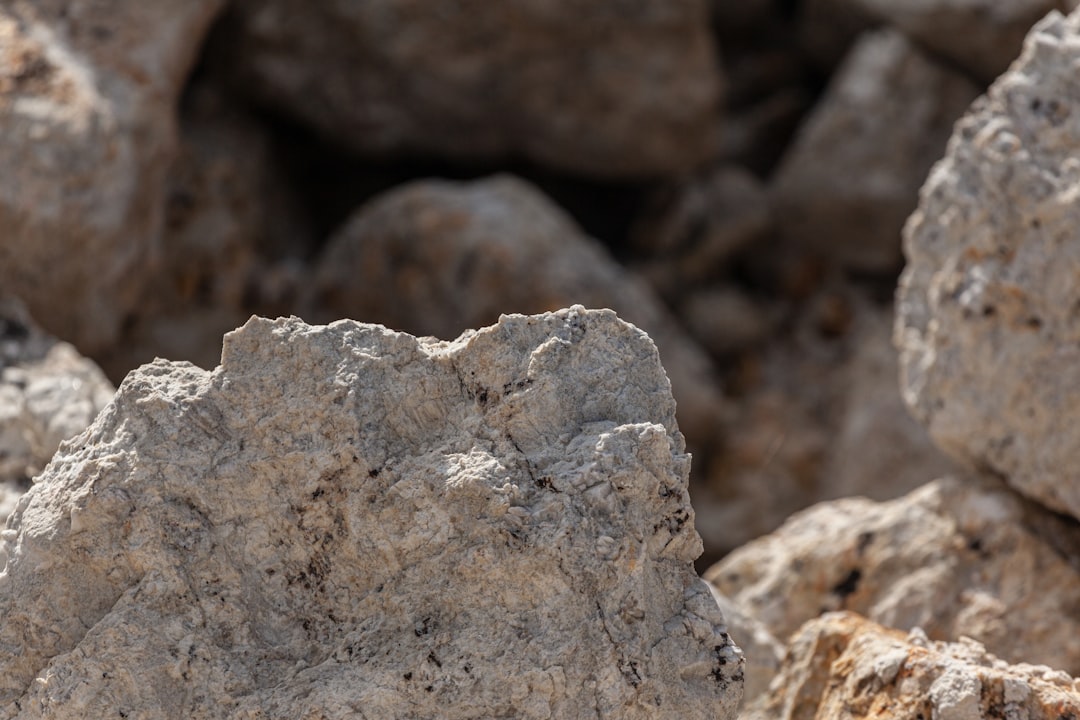
Lithium, the silvery-white alkali metal at the heart of modern battery technology, is indispensable to the transition towards cleaner energy. Its demand, akin to a rising tide, is reshaping landscapes and economies globally. Yet, as this metallic lifeblood of our electric future flows from the earth, a less heralded consequence is emerging: land subsidence, a silent, creeping subsidence that poses a growing concern for both human habitation and delicate ecosystems. This article delves into the intricate relationship between lithium extraction and the geological phenomenon of land subsidence, unraveling the mechanisms at play, the associated risks, and the ongoing efforts to mitigate this increasingly pressing issue.
The exponential growth in demand for lithium batteries, powering everything from smartphones to electric vehicles, has catalyzed an unprecedented surge in lithium extraction. This metallic element, once a relatively niche commodity, is now at the forefront of global resource discussions. Its presence in rechargeable batteries is the cornerstone of portable electronics and the driving force behind the burgeoning electric vehicle (EV) market. Consider the EV battery a sophisticated coral reef, with lithium as the essential calcium carbonate structure that gives it its form and function. Without sufficient lithium, this vital component of our modern lives would crumble.
The Global Lithium Footprint
Lithium is not uniformly distributed across the planet. Major deposits are found in a few key regions, each with its distinct geological characteristics and extraction methodologies. The “Lithium Triangle” of Argentina, Bolivia, and Chile, where vast salt flats (salars) hold significant brine reserves, is a primary source. Australia, with its hard-rock lithium mining, particularly from spodumene ore, represents another major contributor. Increasingly, new exploration ventures are springing up in other nations, driven by the relentless pursuit of this crucial metal.
Technological Drivers of Demand
The insatiable appetite for lithium is directly linked to technological advancements. The miniaturization of electronics and the drive for longer-lasting batteries in consumer devices, coupled with the global push for electrification of transportation, have created a perfect storm of demand. As battery energy density increases and costs decrease, the adoption of lithium-ion technology accelerates, feeding back into the cycle of increased extraction. This relationship is like a feedback loop in a high-tech circuit, where each innovation amplifies the need for its core components.
Recent studies have highlighted the environmental impacts of lithium mining, particularly concerning land subsidence rates in regions where extraction activities are prevalent. For a deeper understanding of these issues, you can refer to the article available at My Geo Quest, which discusses the correlation between lithium extraction and geological stability, shedding light on the challenges faced by communities in mining areas.
Unearthing the Mechanisms of Subsidence
Land subsidence, the sinking or settling of the ground surface, is a complex geological process that can be exacerbated by human activities, particularly large-scale resource extraction. In the context of lithium mining, two primary methods are employed: brine extraction from salars and hard-rock mining. Each carries its own set of subsidence-related risks.
Brine Extraction and Aquifer Depletion
The dominant method in the Lithium Triangle involves pumping vast quantities of hypersaline water from beneath the salar surface. This water contains dissolved lithium salts, which are then harvested using solar evaporation ponds. The process is akin to a giant, slow-motion extraction of a concentrated sugary syrup from a vast underground reservoir. However, removing these enormous volumes of water from the aquifer without adequate replenishment creates a void, a subterranean emptiness that the surrounding earth must inevitably fill.
The Hydrogeological Context of Salars
Salar systems are intricate hydrogeological environments. They are typically closed basins where water accumulates over millennia, evaporating at the surface and concentrating dissolved minerals. The brine, a dense saline solution, occupies porous and permeable sediments beneath the salt crust. This underground brine body acts as a vital support structure, much like the hydrostatic pressure in a submerged balloon keeps it buoyant. When this pressure is reduced by excessive pumping, the equilibrium shifts.
Pore Pressure Reduction and Soil Compression
The pumping of brine directly reduces the pore water pressure within the aquifer. This pressure, acting outwards, counteracts the weight of the overlying sediments and rock. As the pore pressure drops, the effective stress on the soil grains increases, causing them to pack more tightly. This phenomenon is known as consolidation, and it leads to a gradual, often imperceptible, lowering of the land surface. Imagine squeezing a sponge; as you reduce the water within it, its volume decreases.
Subsidence Beyond Brine Pools
While the most direct impacts are observed around the extraction sites and evaporation ponds, the hydrogeological connections can extend much further. Groundwater systems are often interconnected, forming a single, vast underground network. Pumping in one area can affect water tables and pore pressures in distant regions, leading to subsidence that is not immediately obvious or directly linked to the extraction operations in the eyes of local communities. This is like pulling a thread from a complex tapestry; the ripple effect can be felt far from the initial point of disturbance.
Hard-Rock Mining and Subsidence
Hard-rock lithium mining, prevalent in Australia, involves the excavation of ore from underground or open-pit mines. While the direct removal of solid rock might seem less susceptible to subsidence than brine extraction, the geological integrity of the ground can still be compromised.
Underground Mining and Void Collapse
In underground hard-rock operations, tunnels and shafts are excavated to access ore bodies. If the rock strata are weak or if the underground workings are not adequately supported, the roof of these excavations can collapse, leading to subsidence on the surface. This is akin to digging a tunnel without proper shoring; eventually, the unsupported ceiling can give way.
Open-Pit Mining and Slope Instability
Open-pit mines, characterized by vast, stepped excavations, also pose subsidence risks. The sheer scale of these pits can alter stress regimes in the surrounding rock. If pit walls are too steep or if geological faults are present, landslides or gradual slumping of the pit walls can occur, manifesting as subsidence at the mine’s edge and potentially affecting nearby infrastructure. The steep sides of a massive excavation can become unstable, like a sandcastle fortress battling an incoming tide.
Dewatering of Mines
Even in hard-rock mining, dewatering is often necessary to keep mine workings dry. This pumping of groundwater can, in turn, lead to aquifer depletion and pore pressure reduction, mirroring the risks associated with brine extraction, albeit typically on a localized scale directly around the mine.
The Multifaceted Consequences of Subsidence

The sinking of land is not merely an abstract geological event; it has tangible and often detrimental consequences for the environment and human populations. The effects of subsidence, particularly when intensified by resource extraction, can be far-reaching and enduring.
Environmental Impacts
The delicate balance of arid and semi-arid ecosystems, often the locations of lithium extraction, is particularly vulnerable to land subsidence.
Salinity Intrusion and Water Quality Degradation
As the land subsides, the lowered elevations can allow saltwater from the sea or other saline sources to intrude into freshwater aquifers. This contaminates precious freshwater resources, rendering them unusable for drinking or agriculture. This pollution is like a venomous snake entering a pristine spring, tainting it for all who might drink. In salar environments, subsidence can disrupt the natural hydrological balance, leading to changes in surface water distribution and potentially impacting unique salt-tolerant flora and fauna.
Wetland Degradation and Habitat Loss
Subsidence can alter drainage patterns, leading to the drying out of wetlands or the creation of permanent waterlogged areas where they were not previously present. This can devastate critical habitats for migratory birds and other wildlife, disrupting ecosystems that have evolved over millennia. The intricate web of life within a wetland can unravel if its delicate hydrological balance is thrown off kilter.
Altered Surface Topography and Drainage
The sinking of the land can create depressions, alter the flow of rivers and streams, and exacerbate flooding in certain areas while causing others to dry out. This reshaping of the landscape can have significant impacts on agricultural lands and natural vegetation.
Socioeconomic Ramifications
The human cost of land subsidence, especially when linked to industrial activity, can be substantial, affecting communities that often have deep ties to their land.
Damage to Infrastructure
Buildings, roads, bridges, and pipelines are all susceptible to damage from land subsidence. Cracks can appear in foundations, roads can buckle, and underground utilities can be ruptured. The cost of repairing or replacing damaged infrastructure can be immense, placing a significant burden on local governments and communities. Imagine a sturdy building slowly tilting off its foundation; the structural integrity is compromised, and repairs are often extensive.
Impact on Agriculture and Water Access
subsidence can lead to the inundation of agricultural land by saline water or the drying out of irrigation channels. This directly threatens livelihoods and food security. Communities that rely on groundwater for irrigation may find their wells becoming less productive or the water quality deteriorating, forcing them to adapt or relocate.
Displacement of Communities
In severe cases, land subsidence can render areas uninhabitable, forcing communities to relocate. This can lead to the loss of cultural heritage, social disruption, and economic hardship for those displaced. The emotional and cultural severing from ancestral lands is a profound and often irreparable loss.
Tracking and Understanding Subsidence

The growing concern surrounding lithium extraction and subsidence necessitates robust monitoring and research to accurately assess the scale of the problem and inform mitigation strategies.
Monitoring Technologies and Techniques
A range of technologies are employed to detect and measure land subsidence, providing crucial data for understanding the phenomenon.
Satellite Interferometry (InSAR)
Interferometric synthetic aperture radar (InSAR) is a powerful remote sensing technique that can detect millimeter-scale ground displacement over large areas. By comparing radar images taken at different times, scientists can map areas of subsidence with high precision. This technology acts as a silent, ever-watchful eye from space, meticulously mapping the earth’s subtle movements.
GPS and Conventional Surveying
Global Positioning System (GPS) receivers and traditional surveying methods can provide ground-based measurements of land surface elevation changes. While these methods are often more localized than InSAR, they offer highly accurate point measurements and are vital for ground-truthing satellite data.
Piezometers and Groundwater Monitoring
The installation of piezometers allows for direct measurement of groundwater levels and pore water pressures within aquifers. This data is critical for understanding the hydrogeological drivers of subsidence.
Research and Modeling
Scientific research plays a vital role in understanding the complex interactions between lithium extraction, hydrogeology, and land subsidence.
Hydrogeological Modeling
Sophisticated computer models are used to simulate groundwater flow, pore pressure changes, and the resulting land surface deformation. These models help predict the extent and severity of subsidence under different extraction scenarios.
Geotechnical Investigations
Detailed studies of soil and rock properties are essential for understanding how different geological materials will respond to pore pressure reduction and stress changes.
Environmental Impact Assessments
Thorough environmental impact assessments (EIAs) conducted before new mining projects are approved are crucial for identifying potential subsidence risks and incorporating mitigation measures.
Recent studies have highlighted the environmental impacts of lithium mining, particularly concerning land subsidence rates in affected areas. This phenomenon can lead to significant changes in the landscape and may pose risks to local ecosystems. For a deeper understanding of these issues, you can refer to a related article that explores the implications of lithium extraction on land stability and environmental health. To learn more, visit this article.
Towards Sustainable Lithium Extraction: Mitigation and Adaptation
| Location | Mining Method | Subsidence Rate (mm/year) | Monitoring Period | Impact Description |
|---|---|---|---|---|
| Salar de Atacama, Chile | Brine Extraction | 5-10 | 2015-2023 | Moderate subsidence affecting local water tables |
| Clayton Valley, Nevada, USA | Hard Rock Mining | 2-4 | 2010-2022 | Low subsidence with minor surface cracking |
| Qinghai-Tibet Plateau, China | Brine Extraction | 8-12 | 2016-2023 | Significant subsidence impacting local ecosystems |
| Greenbushes, Australia | Hard Rock Mining | 1-3 | 2012-2023 | Minimal subsidence, well-managed mining operations |
Addressing the growing concern of land subsidence requires a proactive approach that integrates sustainable mining practices, effective mitigation strategies, and adaptive management.
Sustainable Extraction Practices
The pursuit of lithium must not come at the unacceptable cost of geological stability and environmental degradation. Implementing more sustainable extraction methods is paramount.
Managed Aquifer Recharge (MAR)
In brine extraction areas, MAR techniques involve reinjecting treated freshwater or less saline water back into aquifers to help maintain pore pressure and reduce subsidence. This is akin to carefully refilling the fountain after taking some water, ensuring the structural integrity is maintained.
Optimizing Pumping Strategies
Careful management of pumping rates and locations can minimize the impact on pore water pressure. This involves understanding the aquifer’s capacity and adopting a measured approach rather than an all-out extraction.
Exploring Alternative Extraction Technologies
Research into less water-intensive lithium extraction methods, such as direct lithium extraction (DLE) from brines or improved hard-rock processing techniques that minimize water use and waste generation, is ongoing. These technologies aim to reduce the footprint of lithium extraction on delicate hydrological systems.
Mitigation and Remediation Efforts
While preventing subsidence is ideal, in some cases, mitigation and remediation efforts may be necessary.
Engineering Solutions for Infrastructure Protection
Where subsidence is unavoidable, engineering solutions such as flexible foundations for buildings, improved roadbed construction, and reinforced pipelines can help protect critical infrastructure.
Land Use Planning and Zoning
Careful land use planning can direct development away from areas identified as high-risk for subsidence, protecting both people and property.
Ecosystem Restoration
In degraded ecosystems, targeted restoration efforts can help rebuild natural resilience and mitigate some of the long-term environmental impacts of subsidence.
Policy and Regulatory Frameworks
Effective policy and regulation are crucial for ensuring that lithium extraction is conducted responsibly and that the risks of land subsidence are adequately addressed. This includes:
- Stricter Environmental Regulations: Governments must implement and enforce stringent regulations that mandate comprehensive monitoring, reporting, and mitigation plans for subsidence related to lithium extraction.
- Incentivizing Sustainable Practices: Policies that encourage and incentivize companies to adopt more sustainable extraction technologies and practices can accelerate the transition towards a less impactful industry.
- Transparent Data Sharing: Open and transparent sharing of monitoring data related to subsidence and water resources is essential for public trust and informed decision-making.
- Community Engagement: Meaningful engagement with local communities affected by mining operations is vital. Their traditional knowledge and concerns must be integrated into planning and mitigation efforts. This means listening to the whispers of the land and the voices of its inhabitants.
The Road Ahead: Balancing Demand and Stewardship
The escalating demand for lithium is an undeniable reality, intrinsically linked to our collective pursuit of a sustainable energy future. However, this pursuit must be tempered with an acute awareness of the geological consequences, particularly the insidious threat of land subsidence. The Earth, our provider, is not an inexhaustible wellspring where resources can be drawn without consequence. Its intricate geological tapestry can be torn by unrestrained extraction.
As we stand at this technological crossroads, the challenge lies in harmonizing the global thirst for lithium with responsible stewardship of the planet. This necessitates a concerted effort from industry, governments, researchers, and communities to innovate, regulate, and adapt. The goal is not to halt progress, but to steer it towards a path where the boundless potential of lithium does not leave behind a scarred and sinking landscape. The future of our electrified world depends on our ability to extract the energy of tomorrow without undermining the very ground upon which we stand.
FAQs
What is land subsidence in the context of lithium mining?
Land subsidence refers to the gradual sinking or settling of the ground surface, which can occur as a result of extracting lithium from underground deposits. This happens when the removal of lithium-bearing brine or minerals causes the underground layers to compact or collapse.
How does lithium mining contribute to land subsidence?
Lithium mining, especially from brine extraction, involves pumping large volumes of fluid from underground reservoirs. This reduction in underground pressure can lead to the compaction of sediment layers, causing the surface above to sink or subside over time.
What are typical rates of land subsidence associated with lithium mining?
Land subsidence rates vary depending on geological conditions and mining methods but can range from a few millimeters to several centimeters per year. Precise rates depend on factors such as the volume of lithium extracted, the depth of extraction, and the characteristics of the subsurface materials.
What environmental impacts can result from land subsidence due to lithium mining?
Land subsidence can lead to damage to infrastructure, changes in surface water drainage patterns, increased risk of flooding, and loss of habitat. It may also affect groundwater flow and quality, potentially impacting local ecosystems and communities.
Are there measures to mitigate land subsidence caused by lithium mining?
Yes, mitigation strategies include controlled extraction rates, reinjection of fluids to maintain underground pressure, careful monitoring of subsidence rates, and selecting mining sites with favorable geological conditions. These measures help reduce the risk and severity of land subsidence.