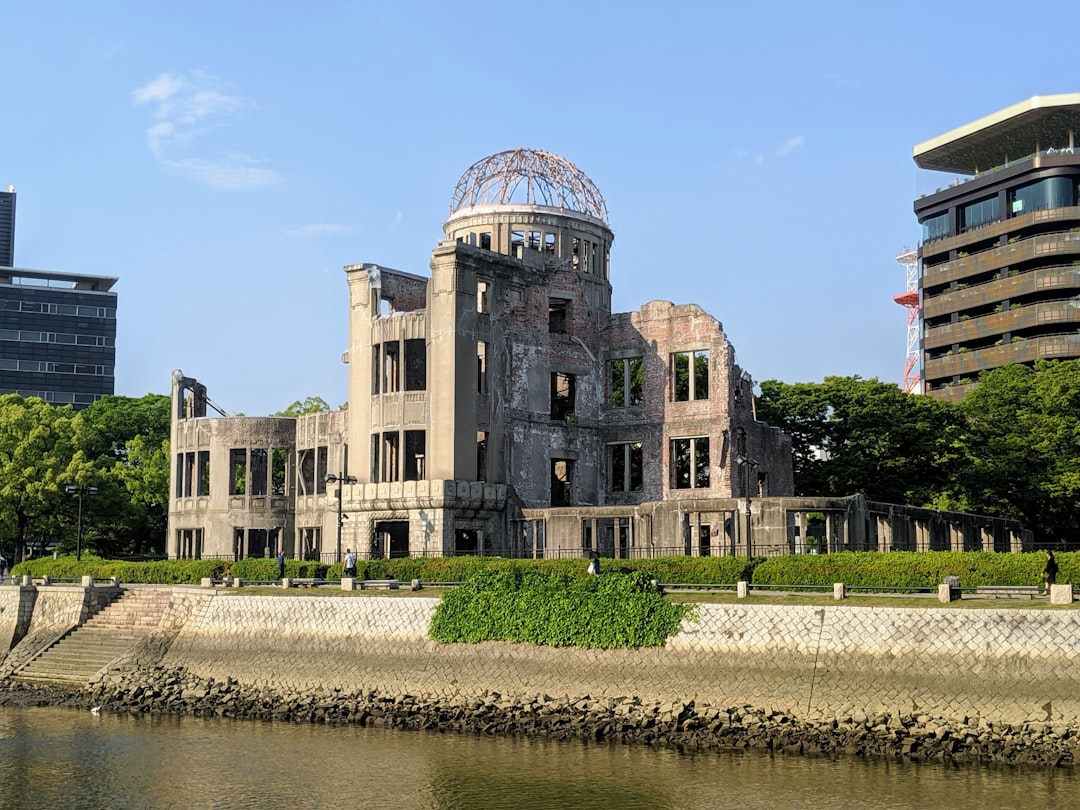
Nuclear testing has left an indelible mark on communities around the world, particularly in regions where tests were conducted. The immediate aftermath of such tests often results in the displacement of entire populations, as residents are forced to evacuate their homes due to safety concerns. In many cases, these communities are not only uprooted from their physical spaces but also from their cultural and social networks.
The loss of homes, land, and community ties can lead to a profound sense of dislocation and identity crisis among the affected populations. Families that have lived in these areas for generations find themselves in unfamiliar environments, struggling to adapt to new circumstances while grappling with the trauma of their past. Moreover, the long-term effects of nuclear testing extend beyond physical displacement.
Communities often face stigmatization and marginalization, as the legacy of nuclear testing can lead to negative perceptions from outsiders. This stigma can hinder efforts to rebuild and recover, as affected individuals may find it challenging to reintegrate into society or secure employment. The psychological toll of such experiences can be immense, leading to feelings of hopelessness and despair.
As these communities navigate the complexities of recovery, they must also contend with the lingering effects of nuclear testing on their social fabric and collective identity.
Key Takeaways
- Nuclear testing has had a significant impact on communities, leading to displacement and health issues.
- The environmental and health effects of nuclear testing have been devastating, causing long-term damage to ecosystems and human health.
- Rebuilding infrastructure and communities in the aftermath of nuclear testing is a complex and challenging process.
- Economic recovery and development in affected areas require substantial investment and support from the international community.
- Survivors of nuclear testing experience psychological and social impacts that require long-term support and assistance.
Environmental and Health Effects of Nuclear Testing
The environmental consequences of nuclear testing are profound and far-reaching. Detonations release radioactive materials into the atmosphere, soil, and water, leading to contamination that can persist for decades. Ecosystems are disrupted, with flora and fauna suffering from exposure to radiation.
In many cases, the land that was once fertile becomes barren, rendering it unsuitable for agriculture and threatening food security for local populations. The long-term degradation of natural resources poses significant challenges for communities that rely on these resources for their livelihoods. Health effects associated with nuclear testing are equally alarming.
Individuals exposed to radiation may experience a range of health issues, including increased rates of cancer, respiratory diseases, and genetic mutations.
Furthermore, the lack of adequate healthcare infrastructure in affected areas often means that survivors do not receive the medical attention they need.
As a result, the health crisis stemming from nuclear testing continues to unfold, affecting generations of individuals who bear the burden of exposure.
Rebuilding Infrastructure and Communities
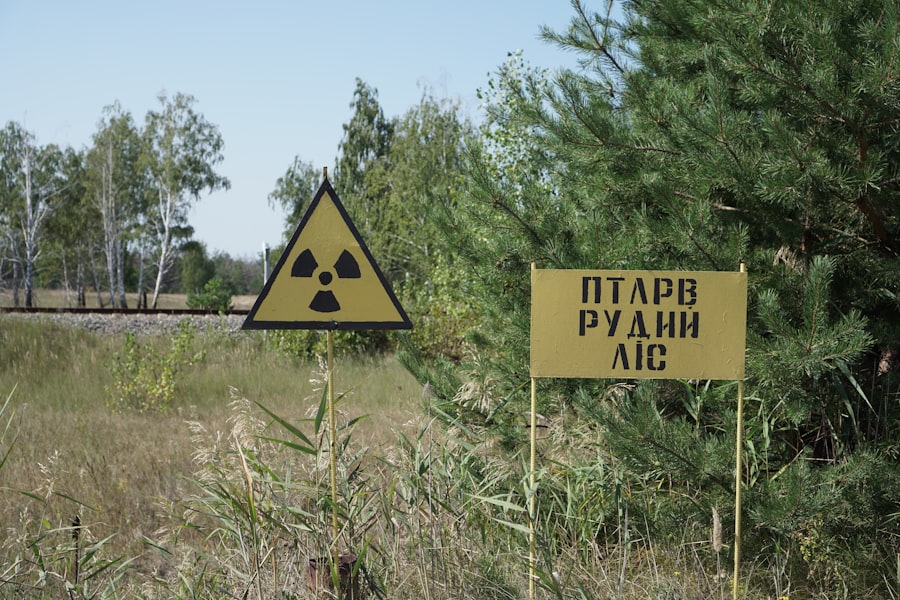
Rebuilding infrastructure in communities affected by nuclear testing is a monumental task that requires significant resources and coordinated efforts. The destruction caused by detonations often leaves behind a landscape of devastation, with homes, schools, and essential services rendered unusable. In many cases, rebuilding efforts must start from scratch, necessitating not only physical reconstruction but also the establishment of new social systems to support the returning population.
This process can be fraught with challenges, including securing funding, navigating bureaucratic hurdles, and addressing the needs of displaced individuals. Community engagement is crucial in the rebuilding process. Local residents possess invaluable knowledge about their needs and priorities, making their involvement essential for creating sustainable solutions.
Initiatives that prioritize community input can foster a sense of ownership and empowerment among residents, helping them reclaim their identities and rebuild their lives. However, rebuilding is not merely about physical structures; it also involves restoring social cohesion and trust within communities that have been fractured by trauma. Efforts to promote healing and reconciliation are vital components of any successful rebuilding strategy.
Economic Recovery and Development
| Metrics | 2020 | 2021 |
|---|---|---|
| GDP Growth | -3.5% | 5.0% |
| Unemployment Rate | 8.1% | 6.2% |
| Business Investment | 1.2 trillion | 1.5 trillion |
| Consumer Spending | 11.3 trillion | 12.5 trillion |
The economic recovery of communities impacted by nuclear testing is a complex endeavor that requires a multifaceted approach. The destruction of infrastructure and disruption of local economies can lead to widespread unemployment and poverty. As communities strive to rebuild, they must also find ways to stimulate economic growth and create sustainable livelihoods.
This often involves diversifying local economies, investing in new industries, and providing training programs to equip residents with the skills needed for emerging job markets. International support plays a critical role in facilitating economic recovery. Aid organizations and governments can provide financial assistance, technical expertise, and resources to help affected communities rebuild their economies.
However, it is essential that recovery efforts are tailored to the unique needs and circumstances of each community. Engaging local stakeholders in the planning process ensures that initiatives are relevant and effective. By fostering resilience and adaptability within these communities, economic recovery can pave the way for long-term development and stability.
Psychological and Social Impacts on Survivors
The psychological impacts of nuclear testing on survivors are profound and often overlooked. Many individuals experience post-traumatic stress disorder (PTSD), anxiety, depression, and other mental health issues as a result of their experiences. The trauma associated with displacement, loss of loved ones, and exposure to radiation can create lasting scars that affect individuals’ ability to function in daily life.
Additionally, the stigma surrounding nuclear testing can lead to social isolation, further exacerbating mental health challenges. Social dynamics within affected communities may also shift dramatically following nuclear testing. Traditional support systems may be disrupted as families are separated or relocated, leading to a breakdown in social cohesion.
The loss of community ties can result in feelings of loneliness and despair among survivors. To address these challenges, it is essential to implement mental health support programs that prioritize trauma-informed care and community engagement. By fostering connections among survivors and providing access to mental health resources, communities can begin to heal collectively.
International Support and Aid for Affected Areas
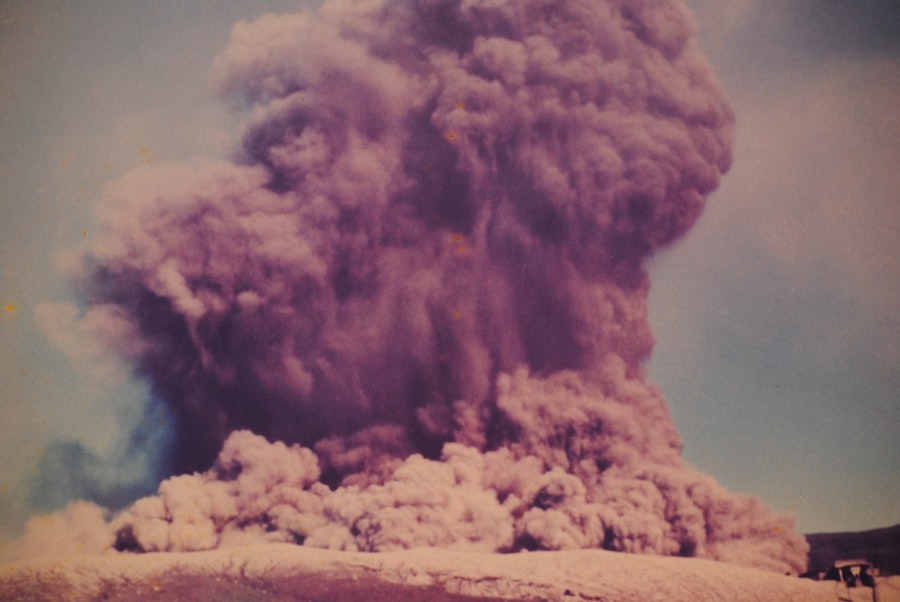
International support is crucial for communities impacted by nuclear testing as they navigate the complex process of recovery. Various organizations, including non-governmental organizations (NGOs) and international agencies, play a vital role in providing humanitarian assistance, medical care, and financial aid to affected populations. These efforts can help address immediate needs while also laying the groundwork for long-term recovery initiatives.
However, international aid must be approached with sensitivity and respect for local cultures and contexts. Engaging with affected communities in the planning and implementation of aid programs ensures that assistance is relevant and effective. Additionally, fostering partnerships between local organizations and international entities can enhance the sustainability of recovery efforts.
By working collaboratively, stakeholders can create comprehensive strategies that address both immediate needs and long-term development goals.
Long-term Environmental Remediation and Rehabilitation
Long-term environmental remediation is essential for restoring ecosystems affected by nuclear testing. Contaminated land must undergo thorough assessment and cleanup processes to mitigate the risks posed by radioactive materials. This often involves complex scientific techniques aimed at decontaminating soil and water sources while ensuring that local wildlife is protected during rehabilitation efforts.
Community involvement is critical in these remediation efforts. Local residents possess valuable knowledge about their environment and can contribute to monitoring efforts post-remediation. Additionally, engaging communities in restoration projects fosters a sense of stewardship over their land, encouraging sustainable practices that benefit both people and nature.
As communities work towards healing their environment, they also reclaim their connection to the land that has been so deeply impacted by nuclear testing.
Resettlement and Relocation of Displaced Populations
The resettlement and relocation of displaced populations present significant challenges for communities affected by nuclear testing. When entire communities are forced to leave their homes due to contamination or safety concerns, finding suitable new locations becomes a pressing issue. Resettlement efforts must consider not only physical housing but also access to essential services such as healthcare, education, and employment opportunities.
Successful resettlement requires careful planning that prioritizes the needs and preferences of displaced individuals. Engaging affected populations in decision-making processes ensures that new settlements reflect their cultural values and social structures. Additionally, providing support during the transition period is crucial for helping individuals adapt to their new environments while maintaining connections with their pasts.
Education and Awareness Programs for Nuclear Testing Survivors
Education plays a vital role in empowering survivors of nuclear testing and fostering resilience within affected communities. Awareness programs can provide crucial information about health risks associated with radiation exposure while also promoting understanding of environmental issues related to nuclear testing. By equipping individuals with knowledge about their rights and available resources, education initiatives can help survivors advocate for themselves and their communities.
Furthermore, educational programs can serve as platforms for storytelling and sharing experiences among survivors. Creating spaces for dialogue allows individuals to process their trauma collectively while fostering solidarity within affected populations. By prioritizing education as a tool for healing and empowerment, communities can build a foundation for future generations that honors their history while promoting resilience.
Political and Legal Challenges in the Aftermath of Nuclear Testing
The aftermath of nuclear testing often presents significant political and legal challenges for affected communities seeking justice and accountability. Many survivors face obstacles when attempting to claim compensation or seek redress for damages incurred due to nuclear testing activities. Legal frameworks may be inadequate or inaccessible, leaving individuals without recourse for addressing grievances related to health impacts or environmental degradation.
Advocacy efforts are essential in addressing these challenges. Grassroots movements led by survivors can raise awareness about injustices faced by affected populations while pressuring governments to take responsibility for past actions. Additionally, international legal mechanisms may provide avenues for seeking justice on a broader scale.
By navigating these political landscapes strategically, affected communities can work towards achieving recognition and reparations for the harms they have endured.
The Future of Nuclear Testing and Preventing Further Damage
As the world grapples with the legacy of nuclear testing, it is imperative to consider the future implications for global security and environmental health. Efforts to prevent further nuclear testing must be prioritized through international treaties such as the Comprehensive Nuclear-Test-Ban Treaty (CTBT). Strengthening global norms against nuclear testing is essential for safeguarding future generations from the devastating impacts experienced by those who have already suffered.
Moreover, fostering dialogue among nations about disarmament and non-proliferation is crucial for creating a safer world free from the threat of nuclear weapons. Education initiatives aimed at raising awareness about the consequences of nuclear testing can empower individuals to advocate for change at local, national, and international levels. By collectively working towards a future without nuclear testing, societies can honor the experiences of survivors while striving for a more peaceful world where such tragedies are not repeated.
In exploring the profound impacts of nuclear testing on communities and environments, it’s essential to consider the broader implications of such activities on our planet. An insightful article that complements the discussion on “Life after Nuclear Testing” can be found on MyGeoQuest. This article delves into the environmental and societal changes that follow nuclear testing, offering a comprehensive view of the challenges and resilience of affected regions. For further reading, you can visit the article by clicking on this link.
FAQs
What is nuclear testing?
Nuclear testing is the experimental use of nuclear weapons to assess their effectiveness, yield, and other characteristics. It can be conducted underground, in the atmosphere, underwater, or in outer space.
What are the effects of nuclear testing on the environment?
Nuclear testing can have long-lasting effects on the environment, including soil and water contamination, radiation exposure, and damage to ecosystems. It can also lead to long-term health effects for humans and wildlife.
What happens to the area after nuclear testing is conducted?
After nuclear testing is conducted, the area may be contaminated with radioactive materials, making it unsafe for human habitation and agriculture. Efforts to clean up and remediate these areas can be costly and time-consuming.
What are the long-term health effects of nuclear testing on humans?
Exposure to radiation from nuclear testing can lead to an increased risk of cancer, genetic mutations, and other health problems. These effects can persist for generations, impacting the health of those living in the vicinity of the testing site.
What measures are taken to mitigate the effects of nuclear testing on the environment and human health?
Efforts to mitigate the effects of nuclear testing include decontamination of affected areas, monitoring of radiation levels, and providing medical care and support to affected populations. International treaties and agreements also aim to prevent further nuclear testing and reduce the proliferation of nuclear weapons.