
The Edenville Dam disaster, which occurred in May 2020, serves as a stark reminder of the vulnerabilities inherent in aging infrastructure. Located in Michigan, the dam failed after heavy rainfall, leading to catastrophic flooding that devastated the surrounding communities. The incident not only resulted in significant property damage but also raised critical questions about the safety and reliability of dams across the United States.
The failure of the Edenville Dam was not an isolated event; it was a culmination of years of neglect, regulatory oversights, and inadequate maintenance practices that ultimately culminated in a disaster. In the aftermath of the Edenville Dam failure, investigations revealed a troubling history of warnings that had been ignored. Reports indicated that the dam had been classified as “high hazard” due to its potential to cause significant damage if it were to fail.
Yet, despite these warnings, necessary repairs and upgrades were not undertaken. This negligence highlights a broader issue within the realm of infrastructure management, where aging structures are often left to deteriorate without adequate oversight or funding. The Edenville Dam disaster serves as a cautionary tale, emphasizing the urgent need for comprehensive assessments and proactive measures to ensure the safety of critical infrastructure.
Key Takeaways
- The Edenville Dam disaster highlights critical failures in infrastructure maintenance and oversight.
- Neglected infrastructure can lead to severe economic, environmental, and human consequences.
- Regular maintenance and long-term planning are essential to ensure infrastructure safety and reliability.
- Effective government involvement and public-private collaboration are crucial for sustainable infrastructure management.
- Learning from past failures can guide improvements to prevent future infrastructure disasters.
The Role of Infrastructure in Society
Infrastructure plays a pivotal role in the functioning of modern society, serving as the backbone for economic activity and community well-being. From transportation networks to water supply systems, infrastructure facilitates daily life and enables commerce to thrive. It is the framework that supports everything from emergency services to education, making it essential for both individual and collective prosperity.
Without reliable infrastructure, communities face significant challenges that can hinder growth and development. Moreover, infrastructure is not merely a collection of physical structures; it embodies the values and priorities of a society. Well-maintained roads, bridges, and public transportation systems reflect a commitment to public safety and quality of life.
Conversely, crumbling infrastructure can signal neglect and a lack of investment in the future. As populations grow and urban areas expand, the demand for robust infrastructure increases, necessitating ongoing attention and resources to meet evolving needs.
Importance of Regular Infrastructure Maintenance
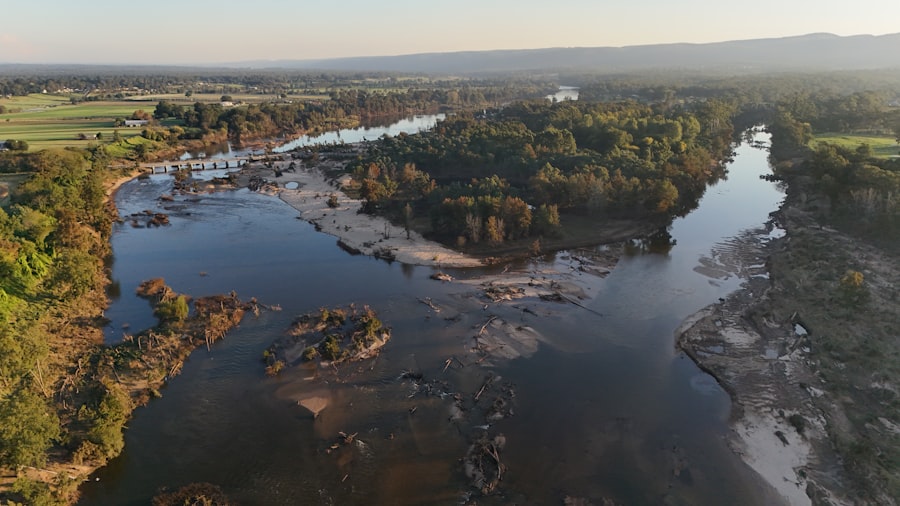
Regular maintenance of infrastructure is crucial for ensuring its longevity and functionality. Just as a vehicle requires routine servicing to operate efficiently, infrastructure systems need consistent upkeep to prevent deterioration and failure. Neglecting maintenance can lead to minor issues escalating into major problems, resulting in costly repairs and potential hazards for communities.
A proactive approach to maintenance not only extends the lifespan of infrastructure but also enhances safety and reliability. Furthermore, regular maintenance can be seen as an investment in public trust. When communities witness their infrastructure being cared for and improved, it fosters confidence in local governments and agencies responsible for these systems.
This trust is essential for garnering public support for future projects and funding initiatives. By prioritizing maintenance, authorities can demonstrate their commitment to safeguarding public resources and ensuring that infrastructure continues to serve its intended purpose effectively.
The Economic Impact of Neglected Infrastructure
| Metric | Value | Unit | Description |
|---|---|---|---|
| Annual Cost of Infrastructure Deficiencies | 240 | Billion | Estimated annual economic loss due to poor infrastructure in the US |
| GDP Reduction | 1.5 | Percent | Estimated reduction in GDP growth due to neglected infrastructure |
| Job Losses | 2.5 | Million | Number of jobs lost annually due to infrastructure-related inefficiencies |
| Increased Vehicle Operating Costs | 120 | Billion | Additional costs incurred by drivers due to poor road conditions |
| Average Delay per Commuter | 42 | Hours per Year | Extra time spent in traffic due to inadequate infrastructure |
| Water Infrastructure Leakage | 30 | Percent | Percentage of treated water lost due to aging pipes and leaks |
| Bridge Deficiency Rate | 7.5 | Percent | Percentage of bridges classified as structurally deficient |
| Return on Infrastructure Investment | 4 | Times | Estimated economic return for every unit invested in infrastructure |
The economic ramifications of neglected infrastructure are profound and far-reaching. When roads are poorly maintained or bridges are deemed unsafe, transportation costs rise, affecting businesses and consumers alike. Delays caused by infrastructure failures can lead to lost productivity, increased shipping costs, and ultimately higher prices for goods and services.
The ripple effects of such neglect can stifle economic growth and deter investment in affected areas. Moreover, the economic burden extends beyond immediate costs; it encompasses long-term implications for job creation and community development. Areas with reliable infrastructure tend to attract businesses and foster innovation, while those with deteriorating systems may struggle to compete.
The Edenville Dam disaster exemplifies this reality; the flooding not only caused immediate damage but also disrupted local economies, leading to job losses and decreased property values. Investing in infrastructure maintenance is not merely a matter of safety; it is a strategic economic decision that can yield significant returns over time.
Environmental Consequences of Infrastructure Failure
The environmental consequences of infrastructure failure can be devastating, often resulting in long-lasting damage to ecosystems and natural resources. When dams fail or sewage systems overflow, pollutants can enter waterways, harming aquatic life and degrading water quality. The Edenville Dam disaster illustrated this point vividly; the flooding released contaminants into nearby rivers and lakes, posing risks to both wildlife and human health.
Additionally, infrastructure failures can exacerbate climate change impacts by disrupting natural water flow patterns and increasing vulnerability to extreme weather events. As climate change continues to intensify, the need for resilient infrastructure becomes even more critical. Communities must prioritize sustainable practices in their infrastructure planning and maintenance efforts to mitigate environmental harm and adapt to changing conditions.
The Human Cost of Infrastructure Neglect
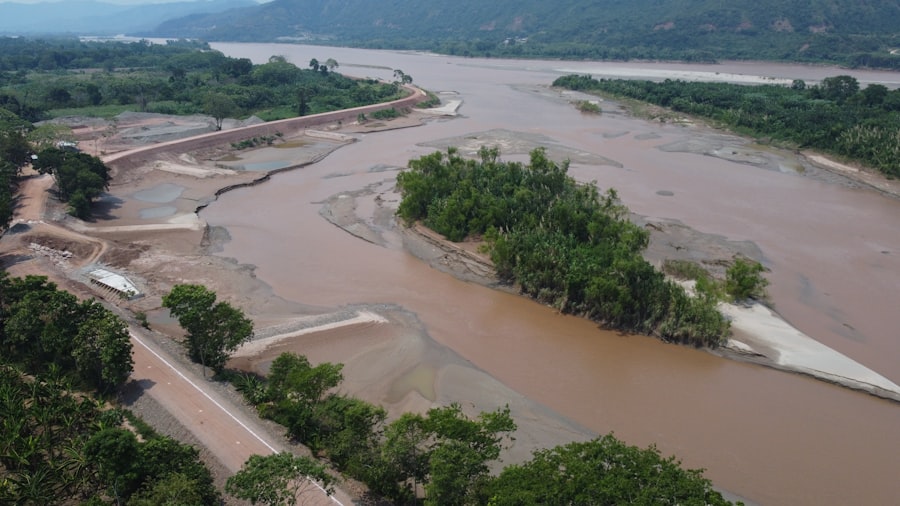
The human cost of neglected infrastructure is often measured in lives disrupted or lost due to preventable disasters. In the case of the Edenville Dam failure, residents faced not only property damage but also emotional trauma as they grappled with the aftermath of sudden displacement and loss. The psychological toll on individuals and families affected by such disasters can be profound, leading to long-term mental health challenges.
Moreover, vulnerable populations are disproportionately affected by infrastructure failures. Low-income communities often lack the resources to recover quickly from disasters, exacerbating existing inequalities.
Addressing these disparities requires a concerted effort from policymakers and community leaders to ensure that all residents have access to safe and reliable infrastructure.
The Role of Government in Infrastructure Maintenance
Government plays a crucial role in overseeing infrastructure maintenance and ensuring that systems remain safe and functional. Local, state, and federal agencies are responsible for establishing regulations, allocating funding, and conducting inspections to assess infrastructure conditions.
Effective governance requires not only adequate funding but also transparency and accountability in decision-making processes. Communities must be able to trust that their government is prioritizing public safety and investing in necessary repairs and upgrades. This trust is built through open communication with residents about infrastructure needs and challenges, fostering a collaborative approach to maintenance that engages citizens in meaningful ways.
The Need for Public and Private Collaboration in Infrastructure Maintenance
Collaboration between public entities and private organizations is essential for effective infrastructure maintenance. Public agencies often face budget constraints that limit their ability to address all necessary repairs; therefore, partnerships with private companies can provide additional resources and expertise. Such collaborations can lead to innovative solutions that enhance efficiency and effectiveness in maintaining critical systems.
Moreover, engaging private stakeholders can foster a sense of shared responsibility for infrastructure health within communities. When businesses recognize their stake in local infrastructure quality, they may be more inclined to support initiatives aimed at improvement or contribute resources toward maintenance efforts. This collaborative approach not only strengthens infrastructure but also builds community resilience against future challenges.
Lessons for Other Infrastructure Systems
The lessons learned from the Edenville Dam disaster extend beyond dam safety; they resonate across various types of infrastructure systems. One key takeaway is the importance of proactive risk assessment and management strategies that prioritize regular inspections and maintenance schedules. By identifying vulnerabilities before they escalate into crises, communities can take preventive measures that safeguard both people and property.
Additionally, fostering a culture of accountability within government agencies is vital for ensuring that infrastructure needs are addressed promptly. This includes establishing clear lines of communication between agencies responsible for different aspects of infrastructure management, as well as engaging with community members who rely on these systems daily. By learning from past failures like the Edenville Dam disaster, other infrastructure systems can implement best practices that enhance safety and reliability.
The Importance of Long-Term Planning for Infrastructure Maintenance
Long-term planning is essential for effective infrastructure maintenance strategies that anticipate future needs while addressing current challenges. Communities must adopt comprehensive approaches that consider factors such as population growth, climate change impacts, and technological advancements when developing maintenance plans. By taking a forward-thinking perspective, authorities can allocate resources more effectively and prioritize projects that will yield lasting benefits.
Moreover, long-term planning encourages investment in sustainable practices that enhance resilience against future disasters. This includes incorporating green technologies into infrastructure design or prioritizing projects that promote environmental stewardship alongside public safety. By embracing a holistic view of infrastructure maintenance that considers both immediate needs and future challenges, communities can build systems that endure over time.
Moving Forward: Steps to Prevent Future Disasters
To prevent future disasters like the Edenville Dam failure, communities must take decisive action on multiple fronts. First and foremost is the need for increased investment in infrastructure maintenance at all levels of government. This requires not only allocating sufficient funding but also establishing clear priorities based on risk assessments that identify vulnerable systems.
Additionally, fostering collaboration between public agencies, private stakeholders, and community members is crucial for creating a shared vision for infrastructure health. Engaging residents in discussions about their needs and concerns can lead to more effective solutions tailored to specific contexts. Finally, adopting long-term planning strategies that prioritize sustainability will ensure that communities are better equipped to face future challenges while safeguarding public safety.
In conclusion, the Edenville Dam disaster serves as a powerful reminder of the critical importance of maintaining infrastructure systems that underpin society’s functioning. By understanding the multifaceted implications of neglecting these systems—ranging from economic impacts to environmental consequences—communities can take proactive steps toward building resilient infrastructures capable of withstanding future challenges.
The lessons learned from the Edenville Dam disaster highlight the critical importance of infrastructure maintenance and regulatory oversight in preventing catastrophic failures. For a deeper understanding of the implications of such disasters and the need for improved safety measures, you can read more in this related article on MyGeoQuest: MyGeoQuest.
WATCH THIS! The $50 Billion Lie: America’s Dams Are About to Fail (60-Minute Documentary)
FAQs
What was the Edenville Dam disaster?
The Edenville Dam disaster refers to the failure of the Edenville Dam in Michigan, which led to significant flooding and damage in the surrounding areas.
When did the Edenville Dam disaster occur?
The disaster occurred in May 2020 following heavy rainfall that caused the dam to fail.
What caused the Edenville Dam to fail?
The failure was primarily due to structural weaknesses in the dam, exacerbated by prolonged heavy rainfall and inadequate maintenance.
What were the consequences of the Edenville Dam failure?
The dam failure resulted in widespread flooding, property damage, evacuations, and disruptions to local communities.
What lessons were learned from the Edenville Dam disaster?
Key lessons include the importance of regular dam inspections, proper maintenance, updated safety standards, and effective emergency response planning.
How has dam safety regulation changed since the Edenville Dam disaster?
The disaster prompted increased scrutiny of dam safety regulations, leading to calls for stricter oversight and improved infrastructure funding.
Who is responsible for dam safety and maintenance?
Dam owners are primarily responsible for maintenance, but state and federal agencies also play roles in regulation and oversight.
What can communities do to prepare for potential dam failures?
Communities should develop emergency evacuation plans, stay informed about local dam conditions, and participate in safety drills.
Are there ongoing efforts to prevent similar disasters?
Yes, efforts include infrastructure upgrades, enhanced monitoring technologies, and improved regulatory frameworks to ensure dam safety.
Where can I find more information about the Edenville Dam disaster?
Information can be found through government reports, local news archives, and agencies such as the Michigan Department of Environment, Great Lakes, and Energy (EGLE).