
Kazakhstan, a nation landlocked in the heart of Eurasia, is charting a course towards becoming a significant player in the burgeoning global green hydrogen market. Possessing an unparalleled abundance of sunshine and wind, coupled with vast tracts of land, the country is strategically positioning itself to harness these natural endowments for the production of a clean energy carrier that holds the promise of decarbonizing hard-to-abate sectors. This article will delve into Kazakhstan’s ambitious green hydrogen export plans, exploring the foundations of its strategy, the key drivers and challenges, the technological approaches being considered, the intended export markets, and the broader geopolitical and economic implications of this strategic pivot.
Kazakhstan’s appeal as a potential green hydrogen powerhouse is rooted in its geography and natural resources. The nation boasts significant renewable energy potential, particularly in solar and wind power, which form the bedrock of green hydrogen production.
Vast Underexploited Renewable Resources
- Solar Power Potential: Large swathes of Kazakhstan experience high solar irradiance, offering substantial capacity for solar photovoltaic (PV) installations. The government has actively promoted solar energy development, with numerous projects coming online in recent years. This readily available, low-cost solar electricity is a critical ingredient for electrolysis, the process by which water is split into hydrogen and oxygen using renewable energy.
- Wind Power Corridors: Similarly, the country possesses extensive wind farm development opportunities, particularly in its northern and western regions. These areas are characterized by consistent and strong wind speeds, making them ideal for generating the electricity required for large-scale green hydrogen production.
- Land Availability: The sheer size of Kazakhstan provides ample space for both renewable energy generation and the subsequent infrastructure required for hydrogen production, storage, and transportation. This is a significant advantage when compared to more densely populated nations where land acquisition can be a major hurdle.
Existing Energy Infrastructure and Expertise
- Fossil Fuel Legacy: While focusing on green hydrogen, Kazakhstan currently possesses a substantial fossil fuel industry, primarily oil and gas. This legacy, though seemingly contradictory to its green ambitions, has endowed the nation with valuable experience in managing large-scale energy projects, complex supply chains, and international trade. This existing infrastructure, including pipelines and port facilities (albeit limited), can potentially be adapted or leveraged for hydrogen transport.
- Technical Workforce: The country has a skilled workforce trained in engineering and industrial operations, which can be redirected and further developed to support the burgeoning green hydrogen sector. This human capital is a vital, often overlooked, asset in driving industrial transformation.
Kazakhstan is making significant strides in its green hydrogen export plans, aiming to position itself as a key player in the global energy transition. The country’s vast renewable energy resources, particularly in wind and solar power, provide an excellent foundation for hydrogen production. For more insights into Kazakhstan’s ambitions and the potential impact on the global hydrogen market, you can read a related article at this link.
The Driving Forces Behind Kazakhstan’s Green Hydrogen Ambitions
Several interconnected factors are propelling Kazakhstan to prioritize green hydrogen:
Decarbonization Imperatives and Global Demand
- Climate Change Commitments: Like many nations, Kazakhstan is a signatory to international climate agreements. Developing a green hydrogen industry aligns with these commitments by offering a pathway to reduce its own greenhouse gas emissions, particularly from its energy-intensive industries.
- Growing Global Market: The world’s demand for clean energy solutions is on an upward trajectory. As countries strive to meet ambitious climate targets, the need for low-carbon fuels and industrial feedstocks is escalating. Green hydrogen is perceived as a key enabler in decarbonizing sectors like heavy industry (steel, cement), long-haul transportation, and aviation, where direct electrification is challenging. Kazakhstan aims to position itself to meet this burgeoning demand.
Economic Diversification and Value Addition
- Moving Beyond Raw Material Exports: Kazakhstan’s economy has historically been reliant on the export of raw materials, primarily oil and gas. The development of a green hydrogen industry offers a strategic opportunity to diversify its economic base, move up the value chain, and generate higher-value exports. This is akin to a farmer selling raw wheat versus selling freshly baked bread – the latter commands a significantly higher price.
- Job Creation and Technological Advancement: The construction and operation of green hydrogen projects, alongside the associated renewable energy infrastructure, are expected to create new employment opportunities and foster technological innovation within the country. This can revitalize industrial regions and build a future-ready workforce.
Geopolitical Positioning and Energy Security
- Becoming an Energy Navigator: By establishing itself as a green hydrogen exporter, Kazakhstan can enhance its geopolitical influence and secure its position as a key energy navigator in the evolving global energy landscape. This pivots from being primarily a supplier of fossil fuels to a provider of future-proof clean energy.
- Reduced Reliance on Traditional Markets: Developing new export markets for green hydrogen can offer a degree of insulation from the volatility of traditional energy markets and foster stronger bilateral relationships with import-dependent nations.
Key Technologies and Production Pathways

Kazakhstan’s approach to green hydrogen production will likely involve a combination of established and emerging technologies.
Electrolysis: The Core of Green Hydrogen Production
- Alkaline Electrolysis (AEL): This mature and cost-effective technology is a strong candidate for initial large-scale deployment. It utilizes a liquid alkaline electrolyte to conduct ions between electrodes. AEL systems are robust and have a proven track record.
- Proton Exchange Membrane (PEM) Electrolysis: PEM electrolyzers are known for their higher efficiency, faster response times, and smaller footprint. While currently more expensive than AEL, technological advancements are driving down costs, making them increasingly attractive for integrating with intermittent renewable sources.
- Solid Oxide Electrolysis Cells (SOEC): SOEC technology, which operates at high temperatures, can achieve even higher efficiencies by integrating with waste heat from industrial processes or even by co-electrolyzing steam with CO2 to produce syngas. This offers a pathway for highly efficient hydrogen production in specific industrial contexts.
Integration with Renewable Energy Sources
- Direct Coupling: This involves directly connecting renewable energy sources (solar PV arrays, wind farms) to electrolyzers. This approach minimizes energy losses and simplifies the infrastructure. However, it requires careful management of the intermittency of renewables, potentially through energy storage solutions.
- Grid-Connected Electrolysis: Electrolyzers can be connected to the national grid, drawing electricity from a mix of renewable and potentially other sources. This provides greater operational flexibility but necessitates clear regulations and pricing mechanisms to ensure the hydrogen produced remains “green” (i.e., derived from verifiable renewable sources).
Exploring Future Technologies
- Biomass Gasification: While not strictly “green” hydrogen, biomass gasification with subsequent carbon capture and storage (BECCS) can produce “blue” hydrogen with a net negative carbon footprint. Kazakhstan’s vast agricultural land could potentially support biomass cultivation.
- Direct Solar-to-Hydrogen Technologies: Research is ongoing into technologies that directly convert solar energy into hydrogen without the intermediate step of electricity generation, such as photocatalytic water splitting. While still largely in the research phase, these could represent future advancements.
Navigating the Export Landscape: Target Markets and Logistics
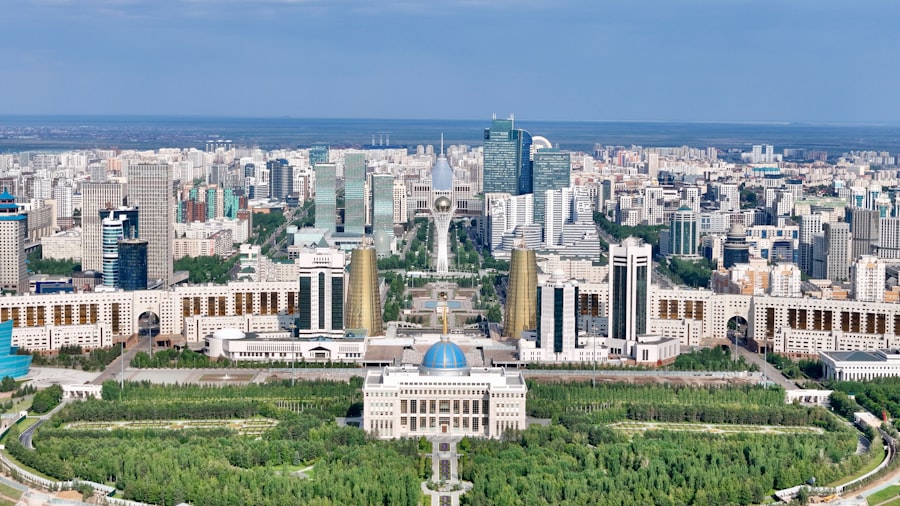
The success of Kazakhstan’s green hydrogen ambitions hinges on its ability to transport this energy commodity to international markets.
Key Demand Centers and Partnerships
- European Union (EU): The EU has set ambitious hydrogen targets and is actively seeking reliable import partners. Its proximity and established trade routes make it a natural primary target market. Kazakhstan is in discussions with EU member states and companies regarding potential hydrogen supply agreements.
- Asia-Pacific Region: Countries like China, Japan, and South Korea are also making significant investments in hydrogen and are potential import markets. Their growing industrial bases and climate goals create substantial demand.
- Middle East: While traditionally an oil and gas exporter, some Middle Eastern nations are also exploring diversification into renewable energy and hydrogen. This could present regional partnership opportunities.
Transportation Challenges and Solutions
- Pipelines: The long-term vision for large-scale hydrogen export likely involves dedicated hydrogen pipelines. Kazakhstan has existing pipeline infrastructure that could potentially be adapted, but constructing new, dedicated hydrogen pipelines across vast distances, including international borders, presents significant technical and financial challenges.
- Liquefied Hydrogen (LH2): Transporting hydrogen as a liquid requires extreme cooling (-253°C), which is energy-intensive and adds complexity. However, LH2 offers a high energy density for transport by sea, making it a viable option for intercontinental shipments. Specialized vessels and liquefaction facilities would be required.
- Ammonia (NH3): Hydrogen can be converted into ammonia, a stable and easily transportable compound that can be reconverted back to hydrogen at the destination. This is often referred to as “hydrogen carrier” technology. Kazakhstan’s existing ammonia production capabilities could be leveraged for this purpose.
- Methanol: Similar to ammonia, methanol can act as a hydrogen carrier, offering a stable solution for transport and storage.
Kazakhstan is making significant strides in its green hydrogen export plans, aiming to position itself as a key player in the global energy transition. The country’s abundant renewable resources, particularly wind and solar energy, provide a solid foundation for producing green hydrogen. For a deeper understanding of the implications of these developments, you can read a related article that discusses the potential impact of Kazakhstan’s initiatives on the global energy market. This insightful piece can be found here.
Challenges and Opportunities on the Road Ahead
| Metric | Details |
|---|---|
| Project Name | Kazakhstan Green Hydrogen Export Initiative |
| Target Export Volume (by 2030) | Up to 1 million tons per year |
| Primary Export Markets | Europe, Japan, South Korea |
| Key Production Regions | Central Kazakhstan, East Kazakhstan |
| Planned Electrolyzer Capacity | 5 GW by 2030 |
| Renewable Energy Sources | Wind, Solar, Hydropower |
| Estimated Investment | Over 10 billion |
| Government Support | Subsidies, tax incentives, infrastructure development |
| Export Infrastructure | Hydrogen pipelines, liquefaction plants, port facilities |
| Environmental Impact | Reduction of CO2 emissions by 5 million tons annually |
While Kazakhstan’s aspirations are bold, the path to becoming a green hydrogen export giant is not without its hurdles.
Infrastructure Investment and Development
- Massive Capital Outlay: Developing the necessary infrastructure for large-scale green hydrogen production, storage, and transportation requires monumental financial investment, likely necessitating a blend of public and private funding, including significant foreign direct investment. This is the bedrock upon which the entire edifice of ambition is built.
- Grid Modernization: Expanding renewable energy generation and integrating electrolyzers will require significant upgrades to Kazakhstan’s electricity grid to ensure stability and reliability.
- Port and Maritime Logistics: For seaborne exports, significant investment in port facilities, liquefaction plants, and specialized shipping fleets will be crucial.
Regulatory Framework and Standardization
- Clear Green Hydrogen Definitions: Establishing robust and internationally recognized definitions of “green hydrogen” is essential to ensure market confidence and prevent greenwashing. This includes clear guidelines for certifying renewable energy sources and tracking emissions.
- Trade Agreements and Standards: Harmonizing international standards for hydrogen production, transport, and safety will be critical for seamless cross-border trade. Kazakhstan will need to actively engage in international forums to shape these standards.
Competition and Market Volatility
- Global Race for Hydrogen: Numerous countries and regions are vying to become green hydrogen hubs, leading to intense competition for investment, technology, and off-take agreements.
- Price Competitiveness: Achieving cost-competitiveness with existing energy sources and with hydrogen produced from other methods (e.g., blue hydrogen with carbon capture) will be a key challenge. This requires consistent technological innovation and economies of scale.
Environmental and Social Considerations
- Water Usage: Electrolysis requires significant amounts of water. Kazakhstan, while not as arid as some regions, must ensure sustainable water management practices, particularly in areas where water resources are already strained.
- Land Use and Biodiversity: Large-scale renewable energy projects and hydrogen production facilities can have land-use implications and potential impacts on biodiversity. Careful planning and environmental impact assessments will be vital.
- Social Acceptance: Engaging with local communities and ensuring equitable benefit sharing will be important for the long-term success and social license of these projects.
Kazakhstan’s green hydrogen export ambitions are a testament to its forward-looking vision. By judiciously leveraging its abundant renewable resources, strategically investing in infrastructure, and actively engaging with international partners, the nation has the potential to carve out a significant niche in the global clean energy economy. The journey will undoubtedly be complex, marked by both substantial opportunities and formidable challenges, but the prospect of becoming a key hydrogen exporter positions Kazakhstan at the vanguard of the global energy transition. The success of this endeavor will not only redefine Kazakhstan’s economic future but also contribute to the broader decarbonization efforts of nations worldwide. The seeds of change have been sown, and the next decade will reveal whether this ambitious vision can blossom into a tangible reality.
FAQs
What is Kazakhstan’s plan for green hydrogen export?
Kazakhstan aims to develop green hydrogen production using renewable energy sources and export it to international markets as part of its strategy to diversify its energy sector and reduce carbon emissions.
Why is Kazakhstan focusing on green hydrogen?
Kazakhstan is focusing on green hydrogen to leverage its abundant renewable energy resources, such as wind and solar power, to produce clean energy, support global decarbonization efforts, and create new economic opportunities.
What renewable energy sources will Kazakhstan use for green hydrogen production?
Kazakhstan plans to utilize primarily wind and solar energy to power electrolysis processes that produce green hydrogen, capitalizing on its vast renewable energy potential.
Who are the potential export markets for Kazakhstan’s green hydrogen?
Potential export markets for Kazakhstan’s green hydrogen include countries in Europe and Asia that are seeking to import clean energy to meet their climate goals and reduce reliance on fossil fuels.
What are the expected benefits of Kazakhstan’s green hydrogen export plans?
The benefits include economic diversification, job creation, increased foreign investment, reduced greenhouse gas emissions, and enhanced energy security for both Kazakhstan and its trading partners.