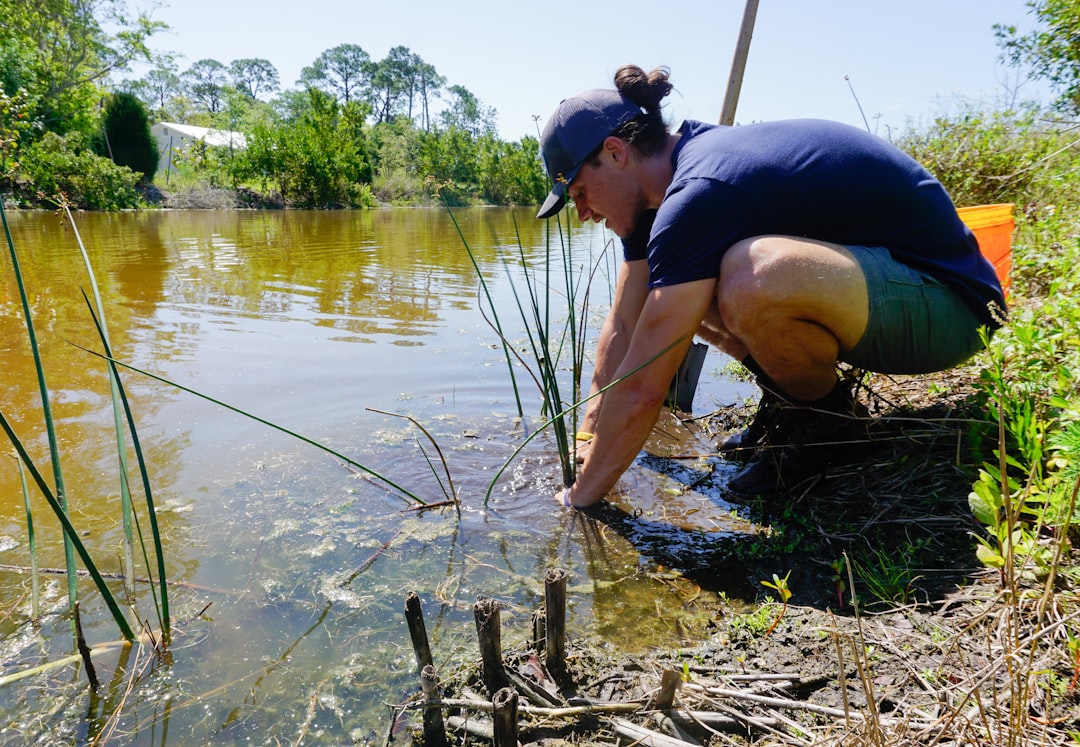
The Jordan River, a lifeline for Salt Lake City, flows through the heart of the valley, a ribbon of water woven into the urban fabric. Its significance extends beyond its aesthetic presence; it serves as a vital water source and a recreational artery. However, the health of this river is a complex tapestry, woven with the threads of human activity and natural processes. Understanding the quality of the Jordan River’s water in Salt Lake City is crucial for appreciating its current state, identifying challenges, and charting a course for its future.
The Jordan River acts as a conduit, collecting a multitude of substances as it traverses its course. These inputs, originating from diverse sources, collectively shape the river’s water quality, presenting a multifaceted challenge to its ecological health. It’s akin to a vast communal sink, receiving water from countless faucets – some clean, others far less so.
Urban Runoff: The Storm’s Uninvited Guests
When rain or snowmelt cascades across Salt Lake City’s urban landscape, it picks up an array of pollutants. This runoff acts as a mobile scavenger, gathering everything from oil and grease from roadways to pet waste and lawn fertilizers from residential areas.
Roadway Residues: Slick Streets, Sick Streams
Automobiles, the lifeblood of urban mobility, leave behind a trail of pollutants. Oil, antifreeze, brake dust, and tire rubber are washed from streets and parking lots during precipitation events, entering storm drains and ultimately finding their way into the Jordan River. These substances can be toxic to aquatic life, disrupting delicate ecosystems.
Residential and Commercial Litter: The Unseen Tide
Beyond vehicle-related contaminants, urban runoff carries a less visible but equally detrimental load. Litter, including plastic bags, Styrofoam containers, and cigarette butts, can break down into microplastics that persist in the environment for centuries. Furthermore, chemicals from household cleaning products and pharmaceuticals can leach into storm drains, contributing to the river’s chemical burden.
Lawn and Garden Chemicals: The Green Paradox
While manicured lawns and vibrant gardens contribute to the aesthetic appeal of Salt Lake City, the fertilizers, pesticides, and herbicides used to maintain them can have significant environmental consequences. When these chemicals are applied, they can be washed into storm drains by irrigation or rainfall, leading to nutrient enrichment and potential toxicity in the river.
Wastewater Discharges: The Invisible Flow
Wastewater treatment plants, vital for processing sewage and industrial effluent, play a critical role in safeguarding water quality. However, even with advanced treatment processes, certain substances can persist and be discharged into the Jordan River, impacting its overall health.
Treated Sewage Effluents: A Diluted but Present Input
Salt Lake City’s wastewater treatment facilities are designed to remove a significant portion of pollutants from sewage. However, treated effluent, while much cleaner than raw sewage, still contains residual nutrients like nitrogen and phosphorus, as well as trace amounts of pharmaceuticals and other chemicals. These can contribute to algal blooms and impact aquatic life if present in sufficient concentrations.
Industrial Discharges: The Legacy and Present Concerns
Historically, industrial activities along the Jordan River were a significant source of pollution. While regulations have tightened considerably, ongoing industrial operations can still contribute to the river’s burden, particularly through thermal pollution (elevated water temperatures) and the discharge of specific chemicals. Careful monitoring and enforcement are crucial to mitigate these impacts.
Agricultural Influences: Downstream Echoes
Though urban sprawl has reduced the agricultural footprint within Salt Lake City itself, the Jordan River’s watershed extends into more rural areas upstream. Agricultural practices can introduce their own unique set of pollutants.
Fertilizers and Pesticides: Feeding the River, Fostering Problems
Runoff from agricultural fields can carry fertilizers (adding excess nutrients) and pesticides (potentially toxic to aquatic organisms). These can travel significant distances, impacting water quality long after they have left the fields.
Animal Waste: Nutrient Overload from Livestock
Concentrated animal feeding operations, even those located outside the immediate city limits, can contribute to nutrient loading in the Jordan River through runoff containing animal waste. This can exacerbate eutrophication, a process where excessive nutrients lead to oxygen depletion, harming fish and other aquatic life.
The water quality of the Jordan River has been a significant concern for residents of Salt Lake City, as it directly impacts both the local ecosystem and community health. For those interested in exploring this topic further, a related article can be found at MyGeoQuest, which discusses the various factors affecting the river’s water quality and the ongoing efforts to improve it.
Water Quality Parameters: The River’s Vital Signs
Assessing the health of the Jordan River requires a close examination of various water quality parameters. These indicators act as the river’s vital signs, revealing its condition and highlighting areas of concern.
Dissolved Oxygen: The Breath of Aquatic Life
Dissolved oxygen (DO) is perhaps the most critical parameter for supporting aquatic ecosystems. Fish and other aquatic organisms require a sufficient level of DO to survive.
Minimum DO Levels: A Threshold for Survival
When DO levels drop below a certain threshold, typically around 5 milligrams per liter, aquatic life can become stressed. If levels fall further, to 2-3 mg/L, many species will struggle to survive, and at even lower levels, the river can become essentially anoxic, leading to widespread fish kills.
Factors Affecting DO: Temperature and Nutrient Load
Water temperature plays a significant role in DO levels; warmer water holds less dissolved oxygen. Nutrient enrichment from urban runoff and wastewater discharges can lead to algal blooms. When these algae die and decompose, the process consumes large amounts of oxygen, further depleting DO.
Nutrient Levels: The Double-Edged Sword of Fertility
Nitrogen and phosphorus are essential nutrients for plant growth, but in excess, they can transform the Jordan River into a less hospitable environment.
Eutrophication: An Overabundance of Life
Excessive nutrient loads can lead to eutrophication, a process where the river becomes overly fertile. This fuels rapid growth of algae and aquatic plants. While some plant life is beneficial, excessive blooms can block sunlight from reaching submerged vegetation and, as mentioned, lead to oxygen depletion during decomposition.
Algal Blooms: A Telltale Sign of Imbalance
The presence of frequent and extensive algal blooms in the Jordan River is a clear indicator of elevated nutrient levels. These blooms can also produce toxins, posing risks to both aquatic life and human health if contaminated water is used for recreation.
Temperature: The Thermometer of Change
Water temperature is a fundamental driver of aquatic ecosystems, influencing everything from metabolic rates to the solubility of gases like oxygen.
Thermal Pollution: A Silent Stressor
While natural variations in temperature occur, thermal pollution, often from industrial discharges or the heat absorbed by concrete structures in urban areas, can significantly alter the river’s thermal regime. Elevated temperatures can reduce DO levels and stress temperature-sensitive aquatic species.
Seasonal Fluctuations: The Natural Rhythm
The Jordan River, like any natural water body, experiences seasonal temperature fluctuations. Understanding these natural cycles is crucial for interpreting data and identifying deviations caused by human activities.
Turbidity: The Clarity of the Water
Turbidity refers to the cloudiness or haziness of water, caused by suspended particles like silt, clay, and organic matter.
Impact on Light Penetration: Shading the Riverbed
High turbidity reduces light penetration into the water, which hinders the growth of aquatic vegetation on the riverbed. This can disrupt the entire food web, as these plants provide habitat and food for many organisms.
Sedimentation: Silting Up the System
Excessive suspended solids can also lead to sedimentation, where fine particles settle on the riverbed. This can smother habitats, clog fish gills, and alter the physical structure of the river, making it less suitable for a diverse range of aquatic life.
Ecosystem Health: The River’s Inhabitants
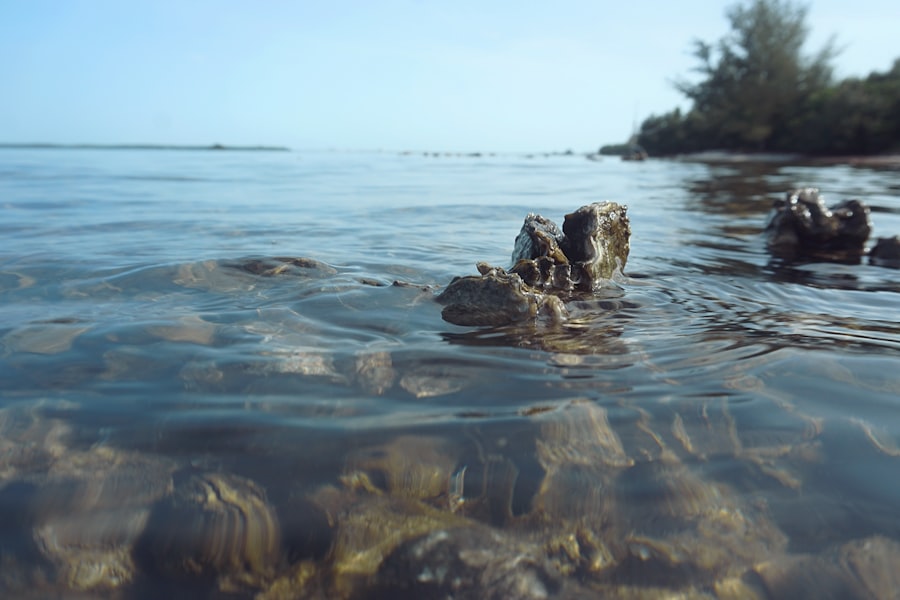
The ultimate measure of the Jordan River’s water quality lies in the health and diversity of the life it supports. The presence and abundance of various species serve as a living barometer of the river’s condition.
Fish Populations: The Canaries in the Coal Mine
Fish are often the most visible inhabitants of a river, and their populations can be particularly sensitive to changes in water quality.
Species Diversity: A Rich Tapestry of Life
A healthy river ecosystem will support a diverse range of fish species, each adapted to specific conditions. A decline in species diversity, or the dominance of only a few pollution-tolerant species, is a strong indicator of degraded water quality.
Fish Health and Reproduction: The Signs of Stress
Observing the general health of fish, including their growth rates, presence of deformities, and reproductive success, can provide further insights. Stressed fish may exhibit reduced growth, increased susceptibility to disease, and impaired breeding.
Macroinvertebrate Communities: The Unseen Workforce
Macroinvertebrates, such as insects, crustaceans, and mollusks, are crucial components of the river’s food web and are often excellent indicators of long-term water quality.
Tolerance to Pollution: Different Species, Different Sensitivities
Different macroinvertebrate species have varying tolerances to pollution. For instance, caddisfly larvae and mayfly nymphs are generally sensitive to pollution, while midge larvae and some worms are more tolerant. Their presence or absence can thus reveal the river’s condition.
Biological Indices: Translating Diversity into Data
Scientists often use biological indices that classify macroinvertebrate communities based on their pollution tolerance. These indices provide a quantitative measure of the river’s ecological health, translating the complex interactions of these organisms into a comprehensible assessment.
Riparian Vegetation: The River’s Green Belt
The vegetation along the banks of the Jordan River, known as the riparian zone, plays a critical role in maintaining water quality and providing habitat.
Filtering Runoff: The Natural Purifier
Healthy riparian vegetation acts as a natural filter, intercepting and absorbing pollutants from urban and agricultural runoff before they reach the river. Plant roots stabilize the soil, preventing erosion that can lead to increased turbidity.
Habitat Provision: A Sanctuary for Wildlife
The riparian zone provides essential food, shelter, and breeding grounds for a wide array of wildlife, including birds, mammals, and amphibians. A degraded riparian zone can lead to a decline in biodiversity along the river corridor.
Challenges and Concerns: Navigating the Currents of Degradation
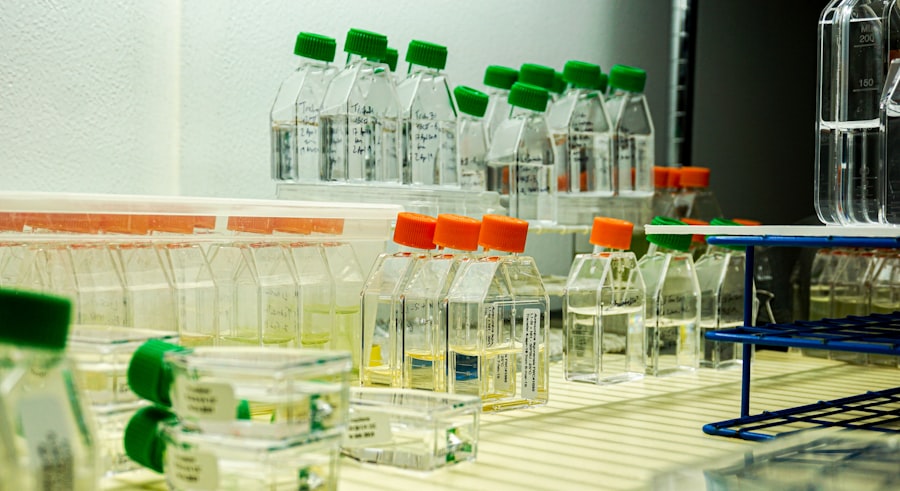
Despite efforts to improve its condition, the Jordan River in Salt Lake City faces persistent challenges that continue to impact its water quality and ecosystem health. These are not always dramatic floods, but rather a steady drip of issues that can erode the river’s vitality over time.
Legacy Pollutants: The Ghosts of Industries Past
The industrial history of the region has left a legacy of contamination in and around the Jordan River. While active industrial pollution may have decreased, historical contamination in sediments can still be a source of concern, slowly leaching pollutants into the water column.
Sediment Contamination: Unearthing Old Wounds
Over decades of industrial activity, heavy metals and other toxic substances may have accumulated in the riverbed sediments. Disturbances to these sediments, such as from dredging or significant flood events, can reintroduce these contaminants into the water.
Brownfield Redevelopment: A Delicate Balancing Act
Areas formerly occupied by industrial facilities, known as brownfields, often require careful assessment and remediation before they can be safely redeveloped. Ensuring that such redevelopment does not exacerbate existing water quality issues is a critical concern.
Population Growth and Urbanization: The Ever-Expanding Footprint
Salt Lake City and its surrounding areas are experiencing significant population growth. This expansion inevitably places greater pressure on the Jordan River through increased water demand, more urban runoff, and greater overall use of municipal services.
Increased Demand for Water: Thirsty Cities, Stressed Rivers
As the population grows, so does the demand for water. This can lead to reduced flows in the Jordan River, particularly during drier periods, which can concentrate pollutants and stress aquatic ecosystems.
Impervious Surfaces: The Paved-Over Problem
Urbanization often involves the creation of impervious surfaces like roads, parking lots, and rooftops. These surfaces prevent rainwater from infiltrating into the ground, leading to increased and faster runoff, overwhelming storm drain systems and carrying more pollutants.
Climate Change Impacts: Shifting Weather Patterns and Their Watery Repercussions
Potentially the most overarching challenge, climate change is predicted to bring about shifts in weather patterns that will directly affect the Jordan River.
Changes in Precipitation: From Drought to Deluge
Projected changes in precipitation patterns could lead to more frequent and intense droughts, reducing river flows and increasing pollutant concentrations. Conversely, more intense storm events could overwhelm infrastructure, leading to increased pollutant loads from urban runoff.
Warmer Temperatures: A Double Whammy for Dissolved Oxygen
Rising air temperatures are likely to translate to warmer water temperatures in the Jordan River, further exacerbating the problem of low dissolved oxygen levels, particularly during the hot summer months. This creates a compounding stress on aquatic life.
The water quality of the Jordan River has been a growing concern for residents of Salt Lake City, especially in light of recent studies highlighting the impact of urban runoff and pollution. For those interested in understanding the complexities of this issue further, a related article provides valuable insights into the factors affecting the river’s health and the ongoing efforts to improve it. You can read more about this pressing topic in the article found here.
Restoration and Management Efforts: Charting a Course Towards a Healthier River
| Parameter | Measurement | Unit | Standard/Limit | Comments |
|---|---|---|---|---|
| pH | 7.2 | Units | 6.5 – 8.5 | Within acceptable range |
| Dissolved Oxygen | 8.5 | mg/L | > 5 mg/L | Supports aquatic life |
| Salinity | 1,200 | mg/L | Elevated due to urban runoff | |
| Temperature | 15 | °C | 10 – 25 °C | Normal seasonal temperature |
| Nitrate | 3.5 | mg/L | Below harmful levels | |
| Phosphorus | 0.15 | mg/L | Slightly elevated, potential for algal growth | |
| Turbidity | 5 | NTU | Clear water |
Recognizing the challenges, various stakeholders are actively engaged in efforts to restore and manage the Jordan River, aiming to improve its water quality and ecological health. These initiatives represent a collective commitment to the river’s future.
Stormwater Management Improvements: Capturing the Urban Sprawl’s Mess
Addressing the impact of urban runoff is a key focus. This involves a multi-pronged approach to manage and treat stormwater before it reaches the river.
Green Infrastructure: Nature’s Plumbing Solutions
The implementation of green infrastructure, such as rain gardens, permeable pavements, and bioswales, helps to absorb and filter stormwater at its source. These systems mimic natural processes, reducing the volume and pollutant load of runoff entering the river. They are like having a network of tiny sponges strategically placed across the city.
Improved Drainage Systems: Smarter Water Highways
Upgrading and maintaining urban drainage systems are essential. This includes incorporating features that allow for better filtration and detention of stormwater, as well as regular maintenance to prevent blockages and overflows that could lead to raw sewage entering waterways.
Wastewater Treatment Enhancements: Polishing the Effluent
Continuous improvement in wastewater treatment technology and practices is crucial for minimizing the impact of treated effluents on the Jordan River.
Upgrading Treatment Facilities: Advanced Purification
Investments in upgrading Salt Lake City’s wastewater treatment plants to incorporate advanced treatment processes, such as nutrient removal technologies, can significantly reduce the discharge of nitrogen and phosphorus into the river.
Monitoring and Regulation: Ensuring Compliance
Strict monitoring of wastewater discharge permits and enforcement of regulations are vital to ensuring that treatment plants operate at optimal efficiency and that industrial users adhere to discharge standards.
Riparian Restoration Projects: Rebuilding the River’s Natural Defenses
Efforts to restore the riparian vegetation along the Jordan River are underway, recognizing its critical role in filtering runoff, stabilizing banks, and providing habitat.
Replanting Native Species: Bringing Back the Green
Projects focused on replanting a diverse array of native vegetation along the riverbanks help to re-establish the natural filtering capacity and ecological function of the riparian zone.
Streambank Stabilization: Preventing Erosion and Sedimentation
Implementing techniques that stabilize eroding streambanks, often using bioengineering methods, prevents excessive sediment from entering the river, thereby improving water clarity and protecting aquatic habitats.
Public Education and Engagement: The River’s Advocates
Engaging the public and raising awareness about the importance of the Jordan River and the factors affecting its water quality are vital for fostering a sense of stewardship and encouraging responsible behavior.
Citizen Science Programs: Empowering the Community
Citizen science initiatives, where volunteers participate in data collection and monitoring, can provide valuable insights into the river’s condition and empower communities to become active participants in its protection.
Outreach and Awareness Campaigns: Spreading the Word
Educational campaigns that highlight the sources of pollution, the impact of human activities, and the simple steps individuals can take to protect the river contribute to a broader understanding and commitment to its health.
The Jordan River in Salt Lake City is a dynamic entity, constantly shaped by the interplay of natural forces and human endeavors. Understanding its water quality is not merely an academic exercise; it is a fundamental aspect of safeguarding this vital resource for the present and future generations. The journey towards a healthier river is an ongoing one, requiring sustained effort, informed decision-making, and a shared commitment from all who call this valley home. The river is a mirror, reflecting not only the decisions made about its care but also the collective responsibility it represents.
FAQs
What is the current water quality of the Jordan River in Salt Lake City?
The Jordan River in Salt Lake City has variable water quality, influenced by urban runoff, wastewater discharge, and natural factors. Efforts are ongoing to monitor and improve its condition, but some sections may experience elevated levels of pollutants.
What are the main sources of pollution affecting the Jordan River?
Primary sources of pollution include stormwater runoff carrying oils and chemicals, agricultural runoff with fertilizers and pesticides, wastewater treatment plant discharges, and sediment from construction sites.
Is the Jordan River safe for recreational activities like fishing and swimming?
While some areas of the Jordan River are used for fishing and limited recreational activities, swimming is generally not recommended due to potential contamination and water quality concerns. It is advisable to check local advisories before engaging in water-based recreation.
What measures are being taken to improve the Jordan River’s water quality?
Local authorities and environmental organizations are implementing pollution control programs, habitat restoration projects, stormwater management improvements, and public education campaigns to enhance the river’s water quality and ecosystem health.
How does the Jordan River impact the overall environment of Salt Lake City?
The Jordan River provides critical habitat for wildlife, supports local biodiversity, and contributes to the region’s natural landscape. Its water quality directly affects downstream ecosystems, including the Great Salt Lake, making its health important for environmental sustainability.