
Bikini Atoll, a stunning chain of islands in the Marshall Islands, has a rich and complex history that dates back centuries.
The local population thrived on fishing and agriculture, developing a unique culture that was deeply intertwined with the ocean.
However, this idyllic existence was dramatically altered in the mid-20th century when the United States government selected Bikini Atoll as a site for nuclear testing. The decision to relocate the indigenous population marked a significant turning point in the atoll’s history, leading to profound changes that would resonate for generations. In 1946, the U.S.
military began a series of nuclear tests at Bikini Atoll, which would ultimately include 23 detonations over the next several years. The first of these tests, Operation Crossroads, aimed to assess the effects of nuclear weapons on naval vessels. The tests drew international attention and showcased the destructive power of atomic bombs.
However, the consequences for the local population were dire; the Marshallese people were forcibly displaced from their homes, and their way of life was irrevocably altered. The legacy of these tests continues to shape the narrative of Bikini Atoll, as it stands as a stark reminder of the intersection between military ambition and human cost.
Key Takeaways
- Bikini Atoll was the site of nuclear testing by the United States from 1946 to 1958, leading to the displacement of the local population and long-term environmental and health impacts.
- Current radiation levels at Bikini Atoll remain dangerously high, making it unsafe for long-term human habitation and requiring strict safety precautions for visitors.
- Safety precautions for visiting Bikini Atoll include wearing protective clothing, avoiding direct contact with soil and water, and following the guidance of experienced tour operators.
- The environmental impact of nuclear testing at Bikini Atoll has been devastating, leading to widespread contamination of the land, sea, and marine life in the area.
- Bikini Atoll holds significant cultural and historical importance for the local community and the world, serving as a reminder of the destructive power of nuclear weapons and the resilience of the human spirit.
Nuclear Testing at Bikini Atoll
The nuclear testing conducted at Bikini Atoll was not only a pivotal moment in military history but also a significant event in the broader context of the Cold War. The tests began with Operation Crossroads in July 1946, which involved two detonations: Able and Baker. These tests were designed to evaluate the impact of nuclear explosions on naval fleets and were conducted in full view of international observers.
The results were both awe-inspiring and terrifying, demonstrating the devastating potential of nuclear weapons. The explosions created massive fireballs and shockwaves that obliterated ships and left lasting scars on the environment. Following Operation Crossroads, additional tests continued throughout the 1950s, including the infamous Castle Bravo test in 1954.
This particular detonation was the largest nuclear explosion ever conducted by the United States, yielding an explosive force equivalent to 15 megatons of TNT. The fallout from Castle Bravo contaminated not only the surrounding islands but also affected nearby inhabited areas, leading to severe health consequences for local populations. The tests at Bikini Atoll became emblematic of the reckless pursuit of military power during this era, raising ethical questions about the treatment of indigenous peoples and the long-term effects of nuclear warfare.
Current Radiation Levels at Bikini Atoll

Today, Bikini Atoll remains a site of scientific interest due to its lingering radiation levels. Following decades of nuclear testing, extensive cleanup efforts were initiated to mitigate contamination and assess safety for potential resettlement. In 1997, the U.S. government declared Bikini Atoll safe for habitation after extensive monitoring and remediation efforts. However, radiation levels still fluctuate across different areas of the atoll, with some locations deemed unsuitable for long-term human habitation. Current assessments indicate that while certain areas have been deemed safe for short visits, others still exhibit elevated radiation levels that pose health risks. Scientists continue to monitor these levels closely, conducting research to understand the long-term effects of radiation exposure on both human health and the environment. The ongoing presence of radiation serves as a reminder of the atoll’s tumultuous past and underscores the importance of continued vigilance in assessing its safety for visitors.
Safety Precautions for Visiting Bikini Atoll
| Safety Precautions | Details |
|---|---|
| Radiation Levels | Ensure to check current radiation levels before visiting and follow recommended safety guidelines. |
| Protective Gear | Wear appropriate protective clothing, including long sleeves, pants, and closed-toe shoes. |
| Stay on Designated Paths | Follow designated paths and avoid touching or disturbing any objects or wildlife. |
| Guided Tours | Consider joining a guided tour with experienced professionals who are familiar with the area. |
| Respect Local Regulations | Adhere to any local regulations and guidelines provided by authorities. |
For those interested in visiting Bikini Atoll, safety precautions are paramount due to its history of nuclear testing and residual radiation. Tour operators provide detailed guidelines to ensure that visitors are informed about potential risks and necessary precautions. It is essential for travelers to adhere strictly to designated safe zones and avoid areas that have been marked as hazardous due to elevated radiation levels.
Visitors are typically required to undergo a briefing before embarking on their journey to Bikini Atoll. This briefing includes information about radiation safety, recommended behaviors while on-site, and guidelines for minimizing exposure. Additionally, tourists are often advised to limit their time spent on the atoll and to wear protective clothing when exploring certain areas.
By following these precautions, visitors can enjoy the unique beauty of Bikini Atoll while prioritizing their health and safety.
Environmental Impact of Nuclear Testing
The environmental impact of nuclear testing at Bikini Atoll has been profound and far-reaching. The detonation of nuclear weapons not only caused immediate destruction but also led to long-term ecological consequences that continue to affect marine life and island ecosystems. The intense heat generated by explosions vaporized large portions of land and disrupted natural habitats, resulting in significant loss of biodiversity.
In addition to physical destruction, radioactive fallout contaminated soil and water sources, posing risks to both wildlife and human populations. Studies have shown that certain species within the atoll’s ecosystem have been adversely affected by radiation exposure, leading to mutations and population declines. Efforts to restore the environment have been ongoing, but challenges remain as scientists work to understand the full extent of damage caused by decades of nuclear testing.
Cultural and Historical Significance of Bikini Atoll
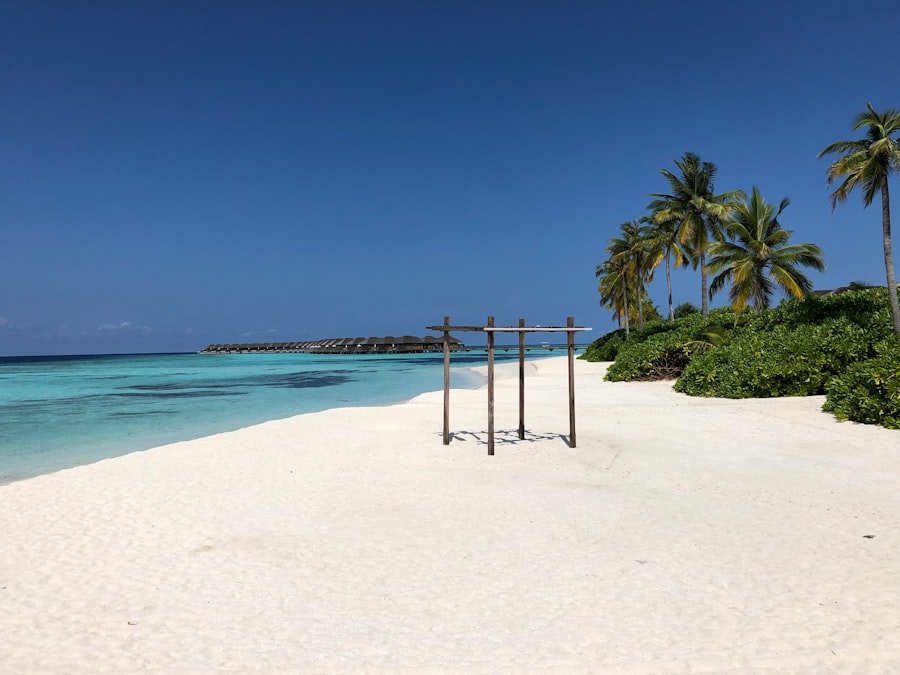
Bikini Atoll holds immense cultural and historical significance for the Marshallese people. Before being displaced by nuclear testing, the atoll was home to a vibrant community with rich traditions and customs. The Marshallese culture is deeply connected to the ocean, with fishing practices and storytelling traditions that have been passed down through generations.
The loss of their homeland due to nuclear testing has had lasting effects on their identity and cultural heritage. In recent years, there has been a resurgence in efforts to preserve and celebrate Marshallese culture in relation to Bikini Atoll. Initiatives aimed at educating both locals and visitors about the history and significance of the atoll have emerged, fostering a greater understanding of its past.
Tourism and Recreation at Bikini Atoll
Despite its tumultuous history, Bikini Atoll has become a unique destination for adventurous travelers seeking an off-the-beaten-path experience. Ecotourism has gained traction in recent years as visitors are drawn to explore its pristine waters, vibrant coral reefs, and historical sites related to nuclear testing. Tour operators offer guided tours that provide insights into both the natural beauty and historical significance of the atoll.
Activities such as snorkeling, diving, and exploring shipwrecks from World War II attract tourists eager to experience the underwater wonders surrounding Bikini Atoll. The opportunity to witness marine life thriving in a post-nuclear environment adds an intriguing layer to recreational activities. However, it is essential for tourists to remain mindful of safety precautions while enjoying these experiences, ensuring that their visit does not compromise their health or well-being.
Health Risks of Visiting Bikini Atoll
While tourism at Bikini Atoll offers unique experiences, it is crucial for visitors to be aware of potential health risks associated with radiation exposure. Although many areas have been deemed safe for short visits, certain locations still exhibit elevated radiation levels that can pose health hazards if proper precautions are not taken. Prolonged exposure or failure to adhere to safety guidelines can lead to increased risks of radiation-related illnesses.
Health experts recommend that visitors limit their time spent in areas known for higher radiation levels and follow all safety protocols provided by tour operators. Regular monitoring of radiation levels is conducted by scientists who provide updated information on safe zones within the atoll. By staying informed and cautious, tourists can mitigate health risks while enjoying their exploration of this historically significant site.
Local Community and Bikini Atoll
The local community surrounding Bikini Atoll has faced numerous challenges since being displaced due to nuclear testing. Many Marshallese people were relocated to other islands or even mainland United States, where they struggled to adapt to new environments while grappling with feelings of loss and dislocation from their ancestral homeland. The legacy of nuclear testing continues to impact their lives today as they navigate issues related to health, identity, and cultural preservation.
Efforts have been made by local leaders and organizations to advocate for the rights of displaced communities and raise awareness about their struggles. Initiatives aimed at preserving Marshallese culture and providing support for those affected by nuclear testing are crucial in fostering resilience within these communities. As tourism grows around Bikini Atoll, there is potential for economic opportunities that could benefit local residents while also promoting awareness about their history.
Legal and Political Issues Surrounding Bikini Atoll
The legacy of nuclear testing at Bikini Atoll has given rise to various legal and political issues that continue to affect both local communities and international relations. The U.S. government has faced criticism for its handling of compensation claims from Marshallese people who suffered health consequences due to radiation exposure.
Legal battles over reparations have highlighted ongoing tensions between indigenous rights advocates and governmental authorities. Additionally, discussions surrounding environmental restoration efforts have sparked debates about accountability for past actions taken during nuclear testing. As awareness grows regarding the long-term impacts on both human health and ecosystems, calls for greater transparency and reparative justice have intensified within political discourse surrounding Bikini Atoll.
Future of Bikini Atoll and its Visitors
The future of Bikini Atoll remains uncertain as it grapples with its complex legacy while also embracing opportunities for tourism and cultural preservation. Continued monitoring of radiation levels will be essential in ensuring visitor safety while fostering an understanding of its historical significance among tourists. As interest in ecotourism grows, there is potential for sustainable practices that benefit both local communities and environmental conservation efforts.
Looking ahead, it is crucial for stakeholders—including local leaders, scientists, tour operators, and government officials—to collaborate in shaping a future that honors the past while promoting responsible tourism practices. By prioritizing education about Bikini Atoll’s history alongside environmental stewardship initiatives, there is hope for a future where visitors can appreciate its beauty without compromising its integrity or disregarding its cultural significance.
Bikini Atoll, a site of numerous nuclear tests during the mid-20th century, has long been a subject of interest for both historians and tourists. While the atoll’s stunning natural beauty and unique history make it an intriguing destination, concerns about residual radiation levels have raised questions about its safety for visitors. For those interested in exploring the broader implications of nuclear testing and its impact on the environment, a related article on the topic can be found on MyGeoQuest. This article delves into the history and current status of Bikini Atoll, providing valuable insights for potential visitors. You can read more about it by visiting this article on MyGeoQuest.
FAQs
Is Bikini Atoll safe to visit?
Yes, Bikini Atoll is safe to visit for tourists. The area has been declared safe for visitors by the local government and is open for tourism.
Is there still radiation at Bikini Atoll?
While there are still some areas with low levels of radiation, the majority of the atoll has been deemed safe for visitors. The local government has conducted extensive testing and monitoring to ensure the safety of tourists.
What is the history of Bikini Atoll?
Bikini Atoll is a coral reef in the Marshall Islands that was the site of nuclear testing by the United States between 1946 and 1958. The tests included the detonation of 23 nuclear devices, which resulted in the displacement of the local population.
What can visitors do at Bikini Atoll?
Visitors to Bikini Atoll can enjoy activities such as diving, snorkeling, and exploring the underwater wrecks of ships and submarines that were sunk during the nuclear tests. The atoll is also home to a variety of marine life and pristine beaches.
Are there any restrictions for visiting Bikini Atoll?
Visitors to Bikini Atoll are required to obtain a permit from the local government before visiting. Additionally, there are certain areas that are off-limits due to higher levels of radiation, and visitors are advised to follow the guidance of local authorities.