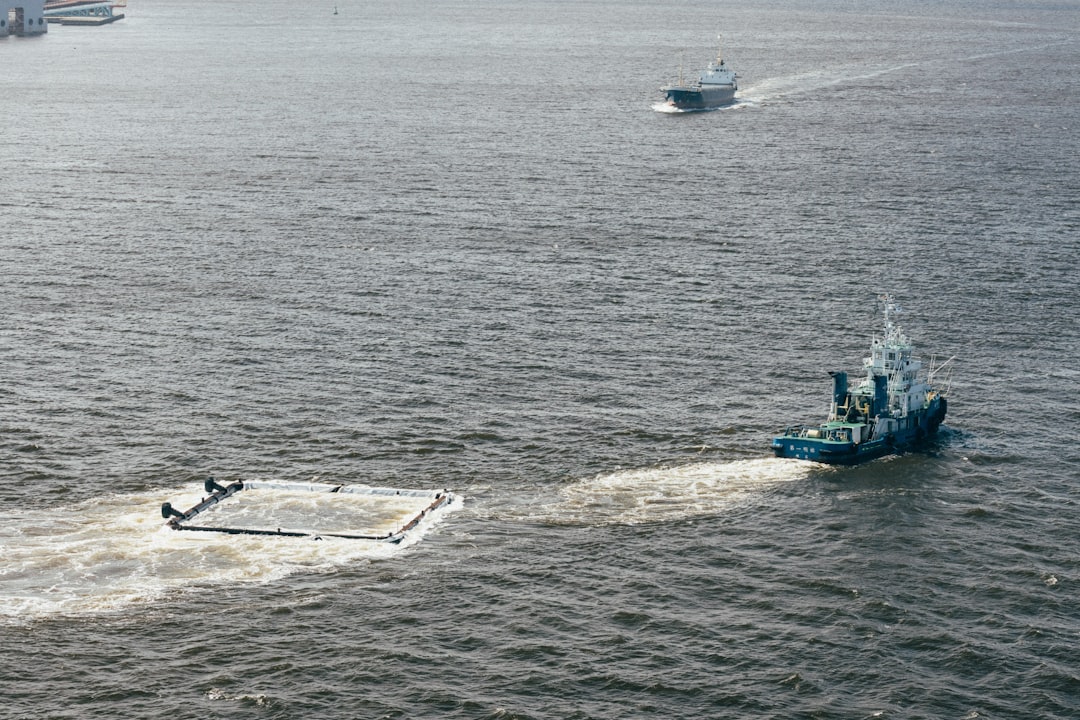
The Strait of Hormuz, a narrow waterway connecting the Persian Gulf to the Gulf of Oman, serves as one of the most critical maritime chokepoints in the world. Spanning approximately 21 miles at its narrowest point, this strait is a vital artery for global trade, particularly for the transportation of oil and gas. It is estimated that around 20% of the world’s oil supply passes through these waters, making it a focal point for international energy security.
The strategic importance of the Strait of Hormuz has made it a hotspot for geopolitical tensions, particularly involving Iran, which borders the strait to the north. The significance of the Strait of Hormuz extends beyond its geographical dimensions; it embodies a complex interplay of economic interests, military strategies, and diplomatic relations. The region’s stability is crucial not only for the countries bordering the strait but also for global markets that rely heavily on energy imports.
As such, any disruption in this vital passage can have far-reaching consequences, affecting oil prices and international relations. Understanding the dynamics at play in the Strait of Hormuz is essential for grasping the broader geopolitical landscape of the Middle East.
Key Takeaways
- The Strait of Hormuz is a critical chokepoint for global energy trade, with Iran holding a strategic position in the region.
- Iran’s naval capabilities in the Strait of Hormuz include a mix of conventional and asymmetric warfare tactics, making it a formidable force in the region.
- Iran has a long history of naval presence in the Strait of Hormuz and continues to assert its military and political objectives in the region.
- Iran’s use of asymmetric warfare tactics in the Strait of Hormuz poses challenges and potential threats to its naval strategy in the region.
- Iran’s naval strategy in the Strait of Hormuz has significant implications for global energy security and trade, with potential future developments shaping the region’s dynamics.
Iran’s geographical and strategic position in the Strait of Hormuz
Iran’s geographical positioning grants it significant leverage over the Strait of Hormuz. With a coastline stretching approximately 1,200 kilometers along the Persian Gulf, Iran controls a substantial portion of the strait’s northern boundary. This strategic location allows Iran to monitor and potentially influence maritime traffic, making it a key player in regional security dynamics.
The proximity to major shipping routes enhances Iran’s ability to project power and assert its interests in a region fraught with competition and conflict. Moreover, Iran’s geographical advantages are complemented by its access to vital natural resources. The country possesses some of the largest oil and gas reserves in the world, which are primarily located in close proximity to the strait.
This not only underscores Iran’s economic reliance on these resources but also highlights its strategic imperative to safeguard its maritime interests. The combination of geographical positioning and resource wealth places Iran at the center of discussions surrounding energy security and geopolitical stability in the region.
Iran’s naval capabilities and resources in the region
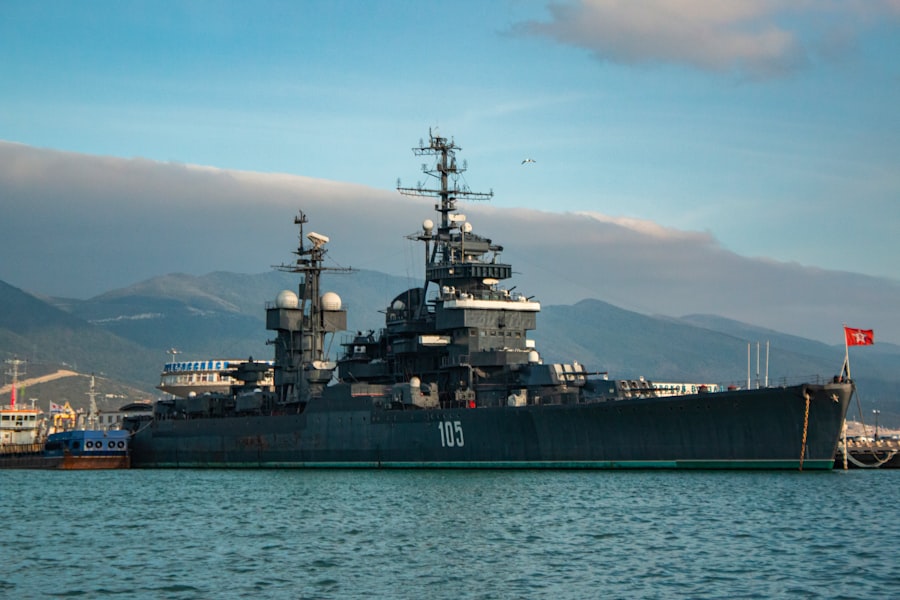
Iran has invested significantly in developing its naval capabilities, particularly in response to perceived threats from regional adversaries and international powers. The Islamic Revolutionary Guard Corps Navy (IRGCN) plays a pivotal role in Iran’s maritime strategy, focusing on asymmetric warfare tactics that leverage smaller vessels, fast attack boats, and advanced missile systems. This approach allows Iran to effectively challenge larger naval forces while maximizing its own strengths in guerrilla-style warfare.
In addition to conventional naval assets, Iran has developed a range of resources that enhance its operational capabilities in the Strait of Hormuz. The country has established a network of coastal defense systems, including anti-ship missiles and mines, which can be deployed to deter or disrupt enemy vessels. Furthermore, Iran’s investment in drone technology has expanded its surveillance and reconnaissance capabilities, enabling it to monitor maritime activities more effectively.
These advancements reflect Iran’s commitment to maintaining a robust naval presence in the region while adapting to evolving security challenges.
Iran’s historical and current naval presence in the Strait of Hormuz
| Period | Naval Presence | Key Events |
|---|---|---|
| Pre-1979 | Limited naval presence | – |
| 1980-1988 | Active naval engagement during Iran-Iraq War | Operation Morvarid, mining of the strait |
| 1990s | Expansion of naval capabilities | Development of small fast attack craft |
| 2000s | Increased focus on asymmetric naval warfare | Emphasis on swarm tactics and missile capabilities |
| 2010s | Continued presence and exercises in the strait | Participation in joint naval drills with other countries |
| 2020s | Ongoing naval presence | Monitoring of shipping and regional tensions |
Historically, Iran has maintained a significant naval presence in the Strait of Hormuz, dating back centuries when it served as a crucial trade route for various empires. In modern times, particularly since the 1979 Islamic Revolution, Iran’s naval posture has evolved in response to changing geopolitical dynamics. The IRGCN has emerged as a key player in asserting Iran’s influence over the strait, conducting regular patrols and exercises to demonstrate its capabilities.
In recent years, Iran has intensified its naval activities in the Strait of Hormuz amid rising tensions with the United States and its allies. Incidents involving confrontations with foreign naval forces have underscored Iran’s willingness to assert its claims over this vital waterway. The deployment of naval assets during regional conflicts, such as those in Yemen and Syria, further illustrates Iran’s commitment to maintaining a visible presence in the strait while projecting power beyond its borders.
Iran’s military and political objectives in the region
Iran’s military objectives in the Strait of Hormuz are closely intertwined with its broader political goals. The country seeks to establish itself as a dominant regional power while countering perceived threats from adversaries such as the United States and Saudi Arabia. By asserting control over this critical maritime chokepoint, Iran aims to enhance its bargaining position in regional negotiations and deter potential military interventions.
Politically, Iran’s objectives extend beyond mere territorial control; they encompass efforts to promote its ideological agenda and support allied groups across the region. By leveraging its naval capabilities, Iran seeks to project influence over neighboring countries and support proxy forces that align with its interests. This multifaceted approach reflects Iran’s desire to reshape regional dynamics while safeguarding its sovereignty and national security.
Iran’s use of asymmetric warfare tactics in the Strait of Hormuz
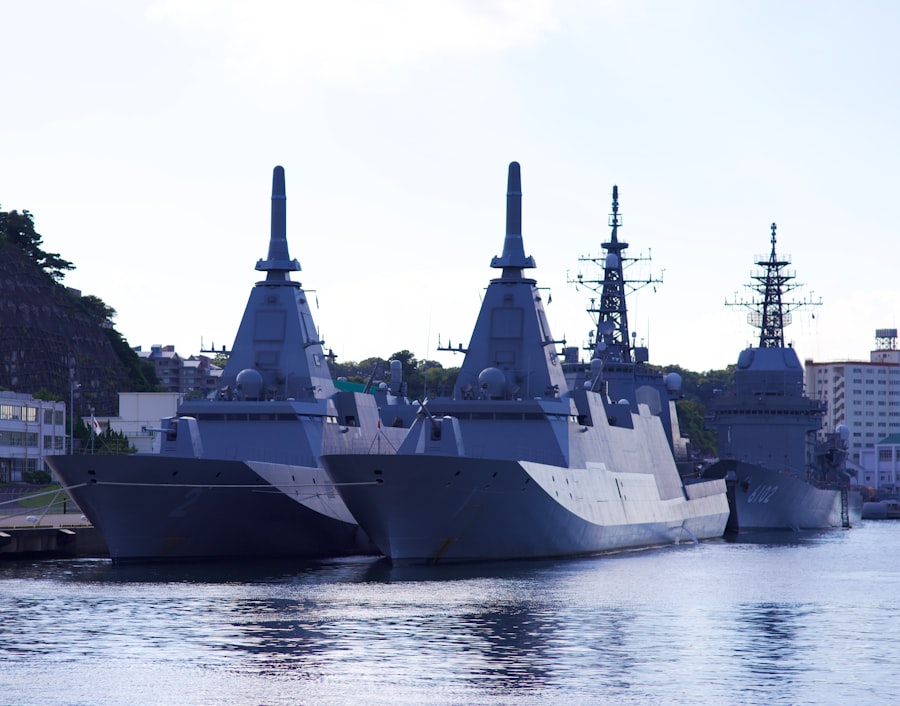
Asymmetric warfare has become a cornerstone of Iran’s military strategy in the Strait of Hormuz. Faced with superior conventional forces from adversaries like the United States, Iran has adopted unconventional tactics that exploit its strengths while compensating for weaknesses. This includes employing small boats for hit-and-run attacks, utilizing mines to disrupt shipping lanes, and deploying missile systems capable of targeting larger vessels.
The effectiveness of these tactics lies in their ability to create uncertainty and deter adversaries from engaging directly with Iranian forces. By leveraging speed and surprise, Iran can challenge more powerful navies while minimizing risks to its own assets. This approach not only complicates military planning for potential adversaries but also reinforces Iran’s narrative of resistance against foreign intervention in its maritime domain.
Iran’s response to international pressure and presence in the region
Iran’s response to international pressure regarding its activities in the Strait of Hormuz has been characterized by defiance and resilience. Faced with sanctions and diplomatic isolation, Iran has sought to assert its sovereignty over the strait while challenging foreign military presence. The country views international naval operations as encroachments on its territorial waters and has consistently warned against perceived provocations.
In response to heightened tensions with Western powers, Iran has engaged in a series of provocative actions designed to signal its resolve. These include seizing foreign vessels accused of violating maritime laws and conducting military exercises that showcase its naval capabilities. By adopting a confrontational stance, Iran aims to deter adversaries while rallying domestic support around its leadership amid external pressures.
Iran’s relations with neighboring countries in the context of the Strait of Hormuz
Iran’s relations with neighboring countries surrounding the Strait of Hormuz are complex and often fraught with tension. While some nations share economic interests tied to oil exports through the strait, others view Iran’s assertiveness as a threat to their own security.
Despite these tensions, there are opportunities for cooperation among Gulf states regarding maritime security. Initiatives aimed at enhancing collective security measures could mitigate risks associated with potential conflicts in the strait. However, deep-seated mistrust remains a significant barrier to achieving lasting agreements that would benefit all parties involved.
Challenges and potential threats to Iran’s naval strategy in the Strait of Hormuz
Iran faces numerous challenges that could undermine its naval strategy in the Strait of Hormuz. One significant threat is the increasing presence of foreign naval forces, particularly from the United States and allied nations conducting freedom-of-navigation operations. These activities not only challenge Iran’s claims over territorial waters but also serve as a reminder of its vulnerability in confronting more advanced military capabilities.
Additionally, internal factors such as economic sanctions and political instability can impact Iran’s ability to maintain a robust naval presence. Resource constraints may limit investments in naval modernization or operational readiness, potentially compromising its strategic objectives in the region. As such, navigating these challenges will be crucial for Iran as it seeks to assert control over this vital maritime corridor.
Impact of Iran’s naval strategy on global energy security and trade
Iran’s naval strategy in the Strait of Hormuz has profound implications for global energy security and trade dynamics. Given that a significant portion of global oil shipments transits through this narrow waterway, any disruption caused by Iranian actions can lead to immediate repercussions on international markets. Fluctuations in oil prices often reflect concerns over potential conflicts or blockades in the strait, highlighting how regional tensions can reverberate across global economies.
Moreover, Iran’s willingness to leverage its naval capabilities as a tool for political leverage raises questions about long-term stability in energy markets. As countries increasingly seek alternative energy sources or routes less susceptible to disruption, shifts in trade patterns may emerge as stakeholders adapt to evolving geopolitical realities. Understanding these dynamics is essential for policymakers aiming to navigate an increasingly complex landscape shaped by Iranian maritime strategies.
Future prospects and developments in Iran’s naval strategy in the Strait of Hormuz
Looking ahead, Iran’s naval strategy in the Strait of Hormuz is likely to evolve in response to changing geopolitical dynamics and technological advancements. As regional rivalries intensify and external pressures persist, Iran may continue refining its asymmetric warfare tactics while exploring new avenues for deterrence. This could involve further investments in drone technology or cyber capabilities aimed at enhancing surveillance and disrupting adversary operations.
Additionally, diplomatic efforts aimed at de-escalating tensions may shape future developments in Iranian naval strategy. While historical patterns suggest a tendency toward confrontation, opportunities for dialogue could emerge as regional actors seek stability amid shifting alliances. Ultimately, how Iran navigates these complexities will determine not only its own security but also broader implications for maritime governance and energy security within this critical region.
Iran’s naval strategy in the Strait of Hormuz is a critical component of its national defense and regional influence, given the strait’s strategic importance as a chokepoint for global oil shipments. The country’s approach involves a combination of conventional naval forces and asymmetric tactics, including the use of fast attack craft and submarines, to deter potential adversaries and assert control over this vital waterway.