
Water infrastructure investment is a critical component of modern society, serving as the backbone for public health, economic development, and environmental sustainability. As populations grow and urban areas expand, the demand for reliable water supply and wastewater management systems increases. Without adequate investment in water infrastructure, communities face significant risks, including water shortages, contamination, and increased vulnerability to climate change.
The importance of this investment cannot be overstated; it is essential for ensuring that future generations have access to clean and safe water. Moreover, the significance of water infrastructure extends beyond mere access. It plays a vital role in fostering economic growth by supporting industries, agriculture, and tourism.
A well-maintained water system enhances property values and attracts businesses, creating jobs and stimulating local economies. Therefore, investing in water infrastructure is not just a matter of necessity; it is a strategic decision that can yield long-term benefits for communities and nations alike.
Key Takeaways
- Investing in water infrastructure is crucial for ensuring safe, reliable water supply and public health.
- Aging water systems negatively affect water quality and require urgent upgrades.
- Economic and environmental benefits arise from modernizing water infrastructure, including job creation and sustainability.
- Both government and private sector involvement are essential to address funding and innovation challenges.
- Innovative solutions and strategic investments will shape the future resilience and efficiency of water infrastructure.
The Current State of Water Infrastructure
The current state of water infrastructure in many regions is alarming. Aging pipes, outdated treatment facilities, and insufficient funding have led to a crisis that threatens public health and safety. In the United States alone, it is estimated that over 6 billion gallons of treated water are lost daily due to leaks in aging pipes.
Many cities struggle with systems that were built decades ago, often failing to meet the demands of modern populations. This deterioration not only compromises the quality of water but also increases the costs associated with maintenance and repairs. Globally, the situation is similarly dire.
Many developing countries lack the basic infrastructure necessary to provide clean drinking water to their citizens. According to the World Health Organization, approximately 2 billion people still do not have access to safely managed drinking water services. This disparity highlights the urgent need for investment in water infrastructure to ensure equitable access to this essential resource.
Addressing these challenges requires a comprehensive approach that prioritizes modernization and expansion of existing systems.
The Impact of Aging Infrastructure on Water Quality
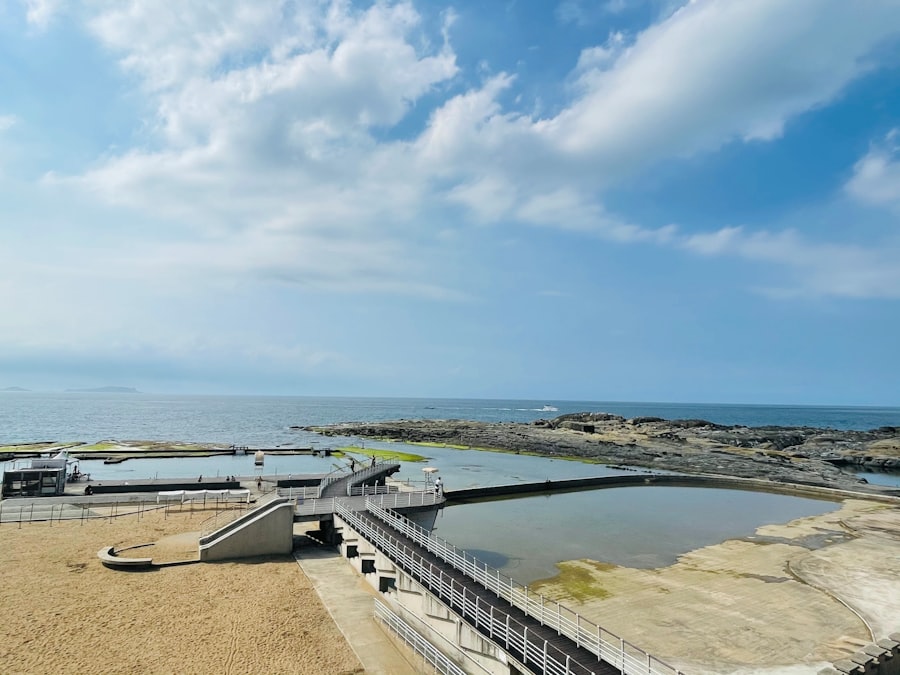
Aging water infrastructure has a profound impact on water quality, leading to serious public health concerns.
For instance, lead pipes, which are still prevalent in many older cities, can release harmful levels of lead into drinking water, particularly when the water is stagnant.
This contamination can have devastating effects on health, especially for vulnerable populations such as children and pregnant women. In addition to lead contamination, aging infrastructure can also contribute to the proliferation of harmful bacteria and pathogens. Broken pipes can create conditions conducive to bacterial growth, leading to outbreaks of waterborne diseases.
The consequences of such outbreaks can be severe, resulting in hospitalizations and even fatalities. Therefore, investing in modernizing water infrastructure is not merely an economic necessity; it is a moral imperative to protect public health and ensure safe drinking water for all.
The Economic Benefits of Investing in Water Infrastructure
| Metric | Value | Unit | Description |
|---|---|---|---|
| Job Creation | 1.5 | Million Jobs | Number of jobs created annually through water infrastructure investments |
| Return on Investment (ROI) | 4 | Times | Economic return for every unit invested in water infrastructure |
| GDP Growth Contribution | 2.5 | Percent | Annual increase in GDP attributed to water infrastructure improvements |
| Water Loss Reduction | 30 | Percent | Decrease in water loss due to upgraded infrastructure |
| Energy Savings | 15 | Percent | Reduction in energy consumption from efficient water systems |
| Health Cost Savings | 20 | Percent | Reduction in healthcare costs due to improved water quality |
| Infrastructure Lifespan Extension | 25 | Years | Additional years added to infrastructure life through investment |
Investing in water infrastructure yields significant economic benefits that extend far beyond the immediate improvements in service delivery. For every dollar spent on water infrastructure projects, studies have shown that there is a return of approximately $2 to $3 in economic activity. This return comes from job creation during construction and maintenance phases, as well as from increased productivity in industries reliant on a stable water supply.
Furthermore, improved water infrastructure can lead to enhanced property values and attract new businesses to an area. Communities with reliable water services are more appealing to potential residents and investors alike. This influx can stimulate local economies, creating a virtuous cycle of growth and development.
In essence, investing in water infrastructure is not just about maintaining existing systems; it is about laying the groundwork for future prosperity.
The Environmental Benefits of Water Infrastructure Investment
The environmental benefits of investing in water infrastructure are substantial and multifaceted. Modernized systems can significantly reduce water waste through improved leak detection and repair technologies. By minimizing losses in distribution networks, communities can conserve precious freshwater resources, which is increasingly vital in the face of climate change and growing demand.
Additionally, upgraded wastewater treatment facilities can mitigate pollution by ensuring that contaminants are effectively removed before being discharged into natural waterways. This not only protects aquatic ecosystems but also enhances the quality of recreational waters for communities. By investing in sustainable water infrastructure, societies can promote environmental stewardship while simultaneously addressing pressing public health concerns.
The Role of Government in Water Infrastructure Investment
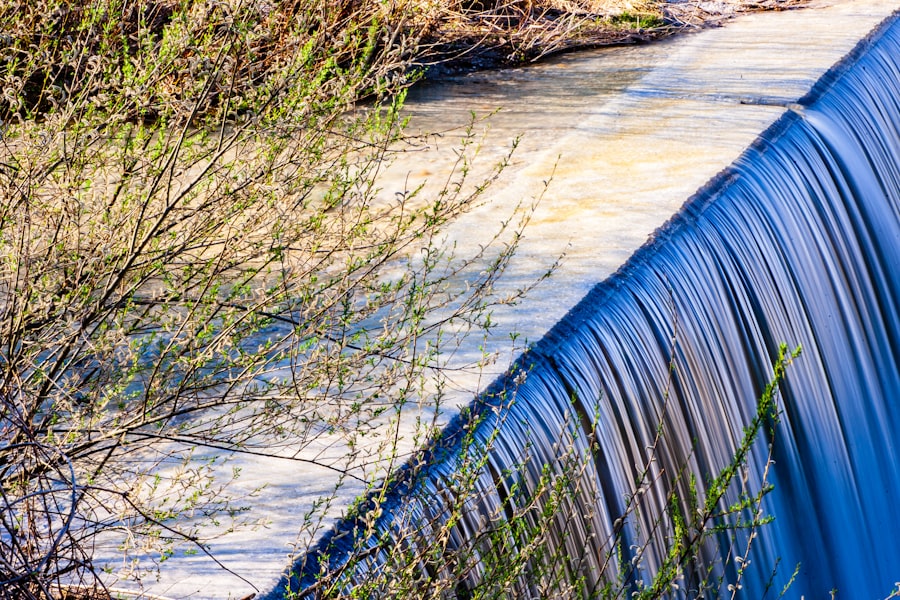
Government plays a pivotal role in facilitating investment in water infrastructure through policy-making, funding allocation, and regulatory oversight. Federal, state, and local governments are responsible for establishing frameworks that prioritize water system improvements and ensure compliance with safety standards. By providing grants and low-interest loans, governments can incentivize municipalities to undertake necessary upgrades and expansions.
Moreover, government involvement is crucial for fostering collaboration among various stakeholders, including private companies, non-profit organizations, and community groups. By creating partnerships and encouraging public-private collaborations, governments can leverage additional resources and expertise to address complex water infrastructure challenges effectively.
The Need for Private Sector Involvement in Water Infrastructure
While government investment is essential, private sector involvement is equally important for addressing the growing demands on water infrastructure. Private companies bring innovation, efficiency, and capital that can complement public efforts. By engaging private entities in the planning and execution of water projects, communities can benefit from advanced technologies and best practices that may not be readily available within public agencies.
Furthermore, public-private partnerships (PPPs) can help distribute financial risks associated with large-scale infrastructure projects. These collaborations allow for shared investment responsibilities while ensuring that both parties remain accountable for delivering high-quality services. As such, fostering private sector involvement is crucial for creating resilient and sustainable water systems.
The Challenges and Opportunities in Water Infrastructure Investment
Investing in water infrastructure presents both challenges and opportunities that must be navigated carefully. One significant challenge is securing adequate funding amidst competing budget priorities at various levels of government. Many municipalities face financial constraints that hinder their ability to invest in necessary upgrades or expansions.
Additionally, regulatory hurdles can complicate project implementation timelines and increase costs. However, these challenges also present opportunities for innovation and collaboration. As communities seek creative solutions to funding gaps, they may explore alternative financing mechanisms such as green bonds or impact investing.
These approaches not only provide necessary capital but also align investments with environmental sustainability goals. By embracing innovative strategies and fostering collaboration among stakeholders, communities can overcome obstacles and build resilient water infrastructure systems.
Innovative Solutions for Water Infrastructure Investment
Innovation plays a crucial role in transforming water infrastructure investment strategies. Emerging technologies such as smart sensors and data analytics enable real-time monitoring of water systems, allowing for proactive maintenance and efficient resource management. These advancements can significantly reduce operational costs while enhancing service delivery.
Additionally, decentralized water systems are gaining traction as a viable alternative to traditional centralized models. By implementing localized solutions such as rainwater harvesting or greywater recycling systems, communities can reduce their reliance on large-scale infrastructure while promoting sustainability. Embracing these innovative approaches not only addresses immediate challenges but also positions communities for long-term resilience.
The Social and Public Health Implications of Water Infrastructure Investment
The social implications of investing in water infrastructure are profound, particularly concerning public health outcomes. Access to clean drinking water is a fundamental human right that directly impacts quality of life. Communities with reliable water services experience lower rates of illness related to contaminated water sources, leading to healthier populations overall.
Moreover, equitable access to safe drinking water fosters social cohesion by reducing disparities among different demographic groups. When all community members have access to clean water, it promotes inclusivity and enhances overall well-being. Therefore, prioritizing investment in water infrastructure is not only an economic or environmental issue; it is fundamentally a matter of social justice.
The Future of Water Infrastructure Investment
Looking ahead, the future of water infrastructure investment will likely be shaped by several key trends and considerations. Climate change will continue to pose significant challenges for water systems worldwide, necessitating adaptive strategies that enhance resilience against extreme weather events such as floods or droughts. Investments will need to focus on sustainability and efficiency to ensure long-term viability.
Additionally, technological advancements will play an increasingly important role in shaping how communities approach their water infrastructure needs. From smart technologies that optimize resource management to innovative financing models that attract diverse investments, the future holds promise for more effective solutions to longstanding challenges. In conclusion, the importance of investing in water infrastructure cannot be overstated.
It is essential for safeguarding public health, promoting economic growth, protecting the environment, and ensuring social equity. As communities navigate the complexities of aging systems and growing demands, a collaborative approach involving government entities, private sector partners, and innovative solutions will be crucial for building resilient water infrastructures that serve current and future generations effectively.
Investing in water infrastructure is crucial for ensuring sustainable access to clean water, especially in the face of climate change and urbanization.