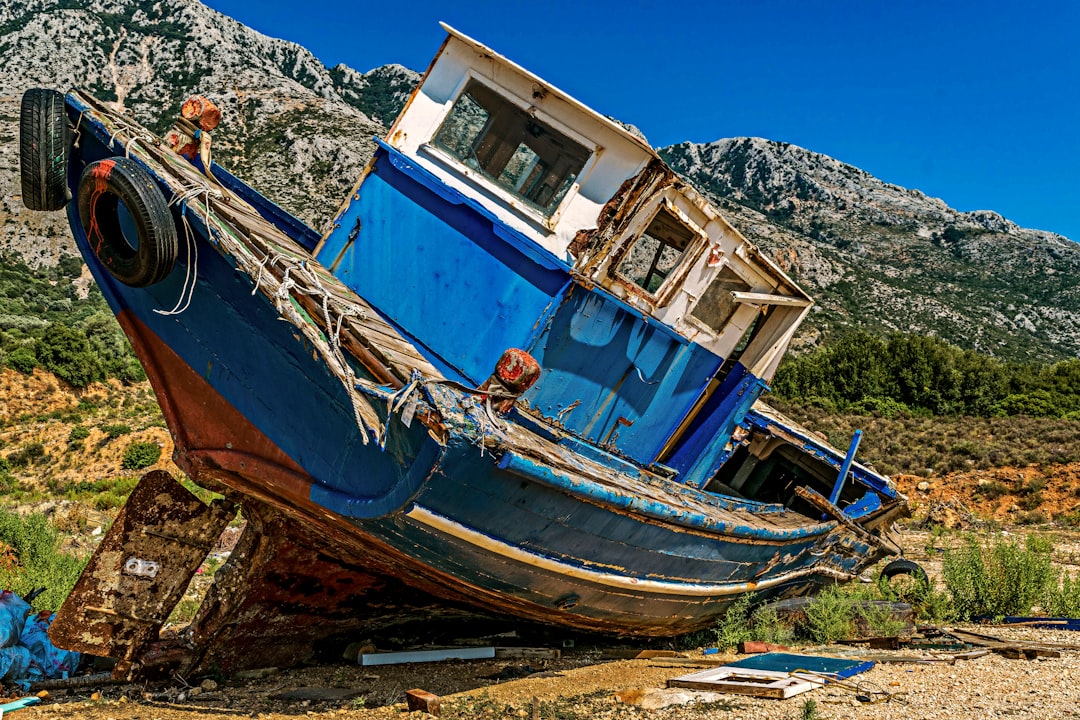
Mediterranean ecosystems are renowned for their rich biodiversity and unique climatic conditions. Spanning across three continents—Europe, Africa, and Asia—these regions are characterized by hot, dry summers and mild, wet winters. The Mediterranean Sea itself is a cradle of life, hosting a plethora of marine species and coastal habitats that are vital to the ecological balance of the area.
The terrestrial landscapes are equally diverse, featuring a mix of forests, shrublands, and grasslands, all of which support a wide array of flora and fauna. This ecological richness is not only significant for the environment but also plays a crucial role in the cultural and economic fabric of the surrounding communities. However, the Mediterranean region faces numerous challenges that threaten its delicate ecosystems.
Human activities, climate change, and invasive species are just a few of the factors contributing to the degradation of these vital habitats. As the world becomes increasingly interconnected, the pressures on Mediterranean ecosystems intensify, leading to alarming rates of biodiversity loss and habitat destruction. Understanding these challenges is essential for developing effective conservation strategies that can help preserve the unique ecological heritage of the Mediterranean.
Key Takeaways
- Mediterranean ecosystems face significant threats including biodiversity loss and habitat degradation.
- Overfishing and pollution are major factors contributing to the decline of marine life and water quality.
- Invasive species and climate change exacerbate ecosystem imbalances and stress native species.
- Changes in land use, urbanization, and decline in traditional farming practices impact soil quality and ecosystem health.
- These environmental changes negatively affect human well-being and the regional economy.
Decline in Biodiversity
The decline in biodiversity within Mediterranean ecosystems is a pressing concern that has garnered significant attention from scientists and conservationists alike. Over the past few decades, numerous species have faced extinction or severe population declines due to habitat loss, pollution, and climate change. The Mediterranean region is home to approximately 25,000 plant species, many of which are endemic, meaning they are found nowhere else on Earth.
However, as urbanization and agricultural expansion continue to encroach upon natural habitats, the survival of these unique species hangs in the balance.
Biodiverse ecosystems are better equipped to withstand environmental changes and provide essential services such as pollination, water purification, and carbon sequestration.
The loss of species can disrupt these services, leading to a cascade of negative effects on both the environment and human populations. As biodiversity dwindles, the Mediterranean region risks losing not only its natural heritage but also the benefits that healthy ecosystems provide to society.
Loss of Habitat
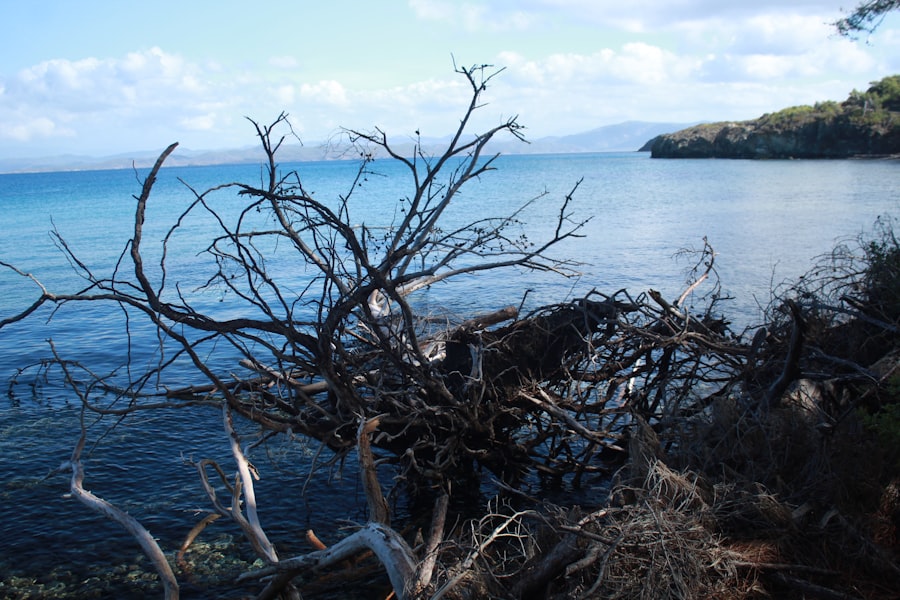
Habitat loss is one of the most significant threats facing Mediterranean ecosystems today. Urban development, agricultural expansion, and infrastructure projects have led to the fragmentation and destruction of critical habitats. Coastal areas, in particular, have been heavily impacted by tourism and real estate development, resulting in the degradation of vital marine and terrestrial environments.
Wetlands, forests, and grasslands are being converted into urban spaces or agricultural land at an alarming rate, diminishing the natural landscapes that support diverse wildlife. The consequences of habitat loss extend beyond the immediate disappearance of flora and fauna; they also disrupt ecological processes that maintain ecosystem health. Fragmented habitats can isolate populations, making it difficult for species to find mates or access resources necessary for survival.
This isolation can lead to reduced genetic diversity and increased vulnerability to diseases and environmental changes. As habitats continue to be lost or altered, the resilience of Mediterranean ecosystems diminishes, making it increasingly challenging for them to adapt to ongoing environmental pressures.
Overfishing and Decline of Fish Stocks
Overfishing poses a significant threat to marine biodiversity in the Mediterranean Sea. The region has long been a hotspot for fishing activities due to its rich marine resources. However, unsustainable fishing practices have led to dramatic declines in fish stocks, threatening not only the species themselves but also the livelihoods of communities that depend on fishing for their economic well-being.
Many commercially important fish species, such as tuna and sardines, have experienced severe population declines due to overexploitation. The consequences of overfishing extend beyond individual species; they disrupt entire marine ecosystems. The removal of key species can lead to imbalances in food webs, affecting predator-prey relationships and altering community dynamics.
Additionally, bycatch—unintended capture of non-target species—further exacerbates the problem, leading to declines in other marine organisms. As fish stocks dwindle, the sustainability of fishing practices comes into question, prompting calls for more responsible management strategies that prioritize both ecological health and economic viability.
Pollution and Degradation of Water Quality
| Indicator | Description | Measurement Unit | Current Status | Threshold for Collapse |
|---|---|---|---|---|
| Sea Surface Temperature (SST) | Average temperature of the sea surface in the Mediterranean region | °C | 19.5 | 21.5 |
| Seagrass Meadow Coverage | Area covered by Posidonia oceanica seagrass beds | km² | 6,500 | 4,000 |
| Marine Biodiversity Index | Composite index of species richness and abundance | Index (0-100) | 65 | 40 |
| Coral Reef Health | Percentage of live coral cover in Mediterranean reefs | % | 35 | 20 |
| Invasive Species Proportion | Percentage of non-native species in marine ecosystems | % | 18 | 30 |
| Water Nutrient Levels (Nitrate) | Concentration of nitrates in coastal waters | µmol/L | 2.5 | 5.0 |
| Fish Stock Biomass | Total biomass of commercially important fish species | tons | 120,000 | 80,000 |
| Frequency of Marine Heatwaves | Number of marine heatwave events per year | Events/year | 3 | 5 |
Pollution is another critical issue affecting Mediterranean ecosystems, particularly in coastal areas where human activity is concentrated. Agricultural runoff, industrial discharges, and untreated sewage contribute to the degradation of water quality in the Mediterranean Sea. Nutrient pollution from fertilizers leads to harmful algal blooms that can deplete oxygen levels in the water, creating dead zones where marine life cannot survive.
This degradation not only impacts aquatic organisms but also poses risks to human health and local economies reliant on clean water. Efforts to combat pollution in the Mediterranean have been met with varying degrees of success. While regulations exist to limit discharges and promote sustainable practices, enforcement remains a challenge in many areas.
By fostering a culture of environmental stewardship among local communities, it may be possible to mitigate some of the impacts of pollution on Mediterranean ecosystems.
Introduction of Invasive Species
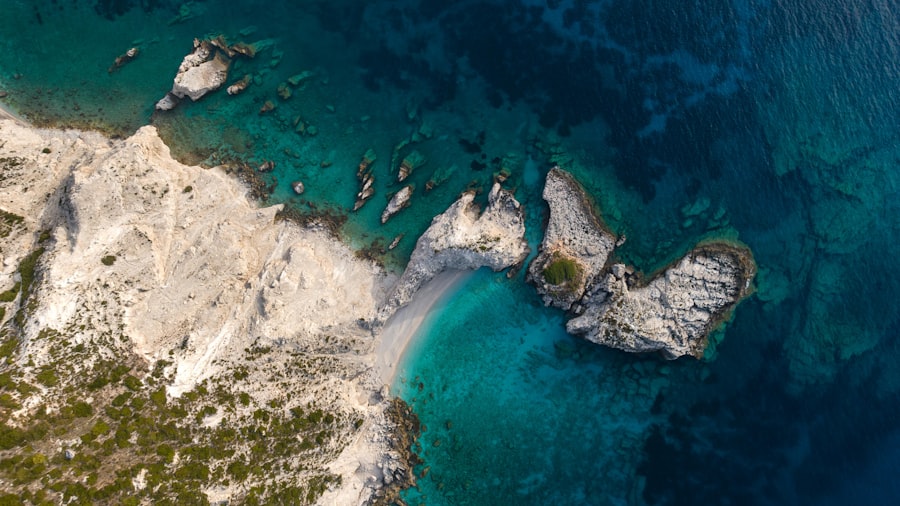
The introduction of invasive species is a growing concern for Mediterranean ecosystems, as non-native organisms can disrupt local biodiversity and alter ecosystem dynamics. Invasive species often outcompete native flora and fauna for resources such as food and habitat, leading to declines in native populations. The Mediterranean region has seen an influx of invasive species through various pathways, including shipping traffic, aquaculture practices, and horticultural trade.
The impacts of invasive species can be profound and far-reaching. For instance, certain invasive fish species can alter food webs by preying on native fish or competing for similar resources. Similarly, invasive plant species can change soil chemistry or fire regimes, further threatening native plant communities.
Addressing the issue of invasive species requires coordinated efforts at local, national, and international levels to prevent their introduction and manage existing populations effectively.
Climate Change and its Impact on Mediterranean Ecosystems
Climate change poses a significant threat to Mediterranean ecosystems, exacerbating existing challenges such as habitat loss and biodiversity decline. Rising temperatures are altering precipitation patterns and increasing the frequency of extreme weather events such as droughts and floods. These changes can have profound effects on both terrestrial and marine environments, impacting species distribution and ecosystem functioning.
For example, warmer sea temperatures can lead to shifts in fish populations as species migrate toward cooler waters. This shift can disrupt traditional fishing practices and threaten local economies dependent on specific fish stocks. On land, changing climate conditions can affect plant phenology—timing of flowering or fruiting—which can have cascading effects on pollinators and other dependent species.
As climate change continues to unfold, it is crucial for stakeholders to develop adaptive management strategies that enhance ecosystem resilience while addressing the needs of local communities.
Decline in Soil Quality and Erosion
Soil quality is fundamental to maintaining healthy ecosystems; however, Mediterranean regions are experiencing significant declines in soil health due to various factors including agricultural practices and urbanization. Intensive farming methods often lead to soil degradation through erosion, compaction, and nutrient depletion. As soil quality declines, its ability to support plant life diminishes, which can further exacerbate issues such as desertification—a growing concern in many parts of the Mediterranean.
Erosion not only affects agricultural productivity but also contributes to sedimentation in waterways, impacting aquatic habitats. The loss of topsoil reduces the land’s fertility and increases reliance on chemical fertilizers, which can lead to further environmental degradation through runoff pollution. Sustainable land management practices that prioritize soil conservation are essential for reversing these trends and ensuring that Mediterranean ecosystems remain productive and resilient.
Changes in Land Use and Urbanization
Changes in land use driven by urbanization pose significant threats to Mediterranean ecosystems. Rapid population growth in coastal areas has led to increased demand for housing, infrastructure development, and tourism facilities. This urban sprawl often encroaches upon natural habitats, leading to fragmentation and loss of biodiversity.
The conversion of land for agriculture or urban development alters local ecosystems and disrupts ecological processes that are vital for maintaining environmental health. Moreover, urbanization can exacerbate other environmental issues such as pollution and habitat degradation. Increased impervious surfaces lead to greater runoff during rainfall events, contributing to water quality issues in nearby rivers and coastal areas.
As cities expand into natural landscapes, it becomes increasingly important for planners and policymakers to incorporate green spaces into urban designs that promote biodiversity while providing recreational opportunities for residents.
Decline in Traditional Farming Practices
Traditional farming practices have long been integral to Mediterranean culture and ecology; however, these practices are declining due to modernization and globalization pressures. Small-scale farmers who once relied on diverse cropping systems are increasingly being replaced by industrial agriculture focused on monocultures that prioritize short-term yields over long-term sustainability. This shift not only threatens local food security but also diminishes agricultural biodiversity essential for ecosystem resilience.
The decline in traditional farming methods has broader implications for cultural heritage as well. Many traditional practices are deeply rooted in local knowledge systems that have evolved over generations. As these practices fade away, so too does the connection between communities and their landscapes.
Revitalizing traditional farming techniques through education and support can help preserve both cultural identity and ecological integrity within Mediterranean regions.
Impacts on Human Well-being and Economy
The degradation of Mediterranean ecosystems has profound implications for human well-being and economic stability in the region. Healthy ecosystems provide essential services such as clean water, food production, climate regulation, and recreational opportunities—all critical components for quality of life. As biodiversity declines and habitats are lost or degraded, communities face increased vulnerability to environmental changes that can threaten their livelihoods.
Economic activities such as tourism and fishing are particularly sensitive to changes in ecosystem health. A decline in fish stocks due to overfishing or pollution can directly impact local economies reliant on these industries for income generation. Similarly, degraded natural landscapes may deter tourists seeking outdoor experiences in pristine environments.
Addressing these challenges requires a holistic approach that integrates environmental conservation with economic development strategies aimed at promoting sustainability while safeguarding human well-being. In conclusion, Mediterranean ecosystems face a multitude of interconnected challenges that threaten their biodiversity and overall health. From habitat loss and pollution to climate change impacts and invasive species introductions, these issues require urgent attention from policymakers, conservationists, and local communities alike.
By fostering collaboration across sectors and prioritizing sustainable practices that protect both natural resources and human livelihoods, it may be possible to safeguard the unique ecological heritage of the Mediterranean for future generations.
Recent studies have highlighted various indicators of potential collapse within the Mediterranean ecosystem, emphasizing the urgent need for conservation efforts. For a deeper understanding of these indicators and their implications, you can read the related article on this topic at MyGeoQuest. This resource provides valuable insights into the challenges facing the Mediterranean region and the steps that can be taken to mitigate these risks.
WATCH THIS! The $10 Trillion Secret: What Happens If The Strait of Gibraltar Closes For Good
FAQs
What is a Mediterranean ecosystem?
A Mediterranean ecosystem is a type of biome characterized by hot, dry summers and mild, wet winters. It is typically found in regions surrounding the Mediterranean Sea, as well as in parts of California, Chile, South Africa, and Australia. These ecosystems are known for their unique biodiversity and specialized plant and animal species.
What does ecosystem collapse mean?
Ecosystem collapse refers to a significant and often irreversible decline in the structure, function, and biodiversity of an ecosystem. This can result in the loss of ecosystem services, such as water purification, soil fertility, and habitat provision, ultimately affecting both wildlife and human populations.
What are common indicators of Mediterranean ecosystem collapse?
Common indicators include loss of native vegetation, increased soil erosion, decline in biodiversity, changes in species composition, reduced water availability, increased frequency of wildfires, and disruption of ecological processes such as pollination and nutrient cycling.
Why is monitoring collapse indicators important?
Monitoring collapse indicators helps scientists and conservationists detect early signs of ecosystem degradation. This allows for timely intervention to prevent further damage, restore ecosystem health, and maintain the services these ecosystems provide to humans and wildlife.
What role do climate change and human activities play in Mediterranean ecosystem collapse?
Climate change contributes to increased temperatures, altered precipitation patterns, and more frequent extreme weather events, all of which stress Mediterranean ecosystems. Human activities such as urbanization, agriculture, deforestation, and pollution exacerbate these stresses, accelerating ecosystem degradation and collapse.
How can Mediterranean ecosystems be protected from collapse?
Protection strategies include sustainable land management, habitat restoration, controlling invasive species, reducing pollution, implementing fire management practices, and addressing climate change through mitigation and adaptation efforts. Public awareness and policy support are also crucial for effective conservation.
Are there any successful examples of Mediterranean ecosystem restoration?
Yes, several restoration projects in Mediterranean regions have successfully reestablished native vegetation, improved soil quality, and increased biodiversity. These projects often involve reforestation, erosion control, and the reintroduction of native species, demonstrating that ecosystem recovery is possible with appropriate management.