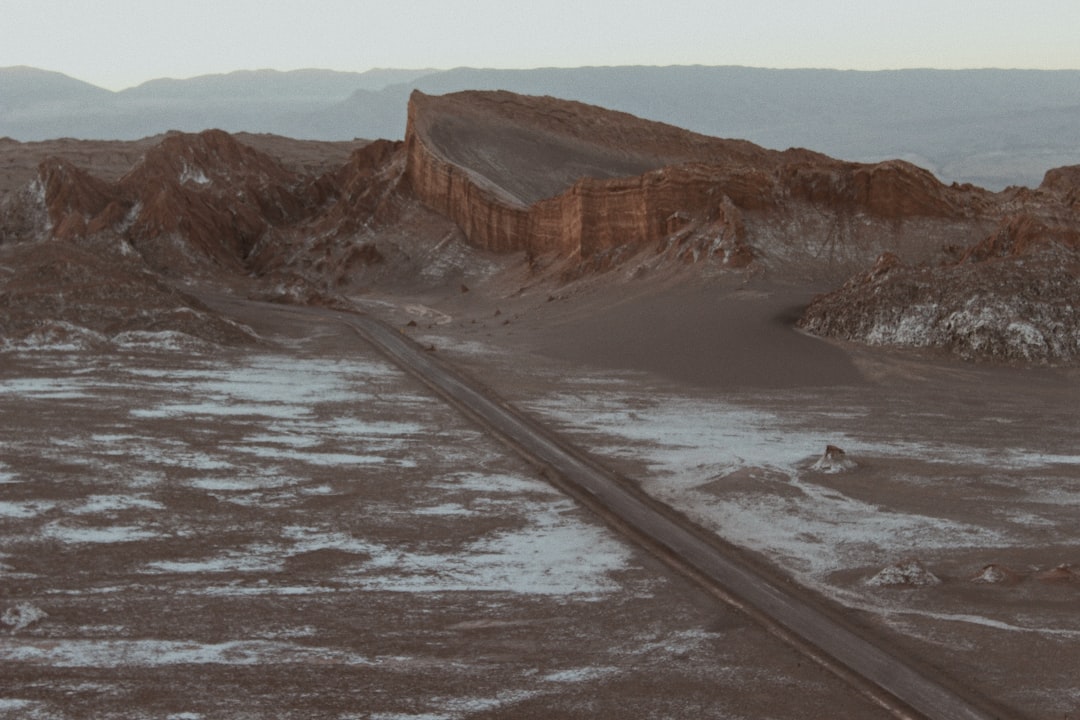
The relentless extraction of sand, a seemingly innocuous resource, underpins much of human infrastructure. However, in India, this critical component of construction has become deeply entwined with illicit practices, giving rise to an expansive and deeply entrenched phenomenon known as illegal sand mining. A recent documentary has cast a stark light on this shadowy industry, exposing its devastating environmental consequences, pervasive corruption, and profound social injustices. This article delves into the complexities of India’s illegal sand mining, drawing upon the insights offered by the documentary, and dissecting its multifaceted impacts.
The most immediate and visible consequence of illegal sand mining is the severe degradation of India’s natural environment. Rivers, once vibrant arteries of life, are being systematically plundered, leaving behind a scarred landscape and a compromised ecosystem. The documentary meticulously illustrates the scale of this environmental assault, demonstrating how unchecked extraction acts as a silent, creeping poison.
Riverbed Scour and Bank Erosion
When sand is extracted in excess from riverbeds, the natural equilibrium of the river is disrupted. The documentary showcases aerial footage of riverbeds gouged out, sometimes several meters deep, profoundly altering the river’s gradient and flow. This “riverbed scour” destabilizes the riverbanks, making them highly susceptible to erosion. Villages and agricultural lands situated along the river’s edge face the constant threat of collapsing into the water, a stark reminder of the river’s retaliatory power. The documentary presents testimonies from farmers who have witnessed their ancestral lands being swallowed by an ever-widening river, their livelihoods literally washing away. Without the stabilizing presence of accumulated sediment, the river’s course can become unpredictable, leading to increased flooding in some areas and water scarcity in others. This disruption of natural hydrological processes has far-reaching consequences for both human settlements and the aquatic ecosystem.
Depletion of Groundwater Resources
The intricate relationship between surface water and groundwater is often overlooked. Rivers act as conduits for recharging underground aquifers, the subterranean reservoirs that supply drinking water and irrigation for millions. The documentary highlights how illegal sand mining acts as a dam to this natural recharge process. When riverbeds are deepened, the water table often drops, making it more challenging and expensive to access groundwater. Wells that once provided ample water for communities now lie dry, forcing residents to travel increasing distances for potable water or to rely on expensive, often contaminated, alternatives. The film features interviews with villagers who recount the drastic decline in their well water levels, linking it directly to the intensified mining activity in nearby rivers. This depletion is akin to siphoning blood from the very veins of the Earth, leaving communities parched and vulnerable.
Biodiversity Loss and Ecosystem Imbalance
Rivers are not merely conduits for water; they are rich, biodiverse ecosystems. The documentary meticulously documents the devastating impact of illegal sand mining on aquatic flora and fauna. The constant churning of riverbeds destroys the habitats of fish, insects, and other aquatic organisms, leading to a significant decline in their populations. The film includes poignant imagery of once-thriving riverine ecosystems now barren and lifeless. For instance, species of fish that depend on specific substrate types for spawning are left without suitable breeding grounds. Furthermore, the turbidity caused by mining activities reduces light penetration, hindering photosynthesis in aquatic plants, which form the base of the river’s food chain. This domino effect ripples throughout the entire ecosystem, disrupting delicate balances and potentially leading to localized extinctions. The documentary serves as a stark reminder that every scoop of sand removed illegally contributes to an unraveling of life’s intricate tapestry.
Illegal sand mining in India has become a pressing environmental issue, leading to significant ecological damage and social conflicts. A related article that delves deeper into this topic is available at this link. The documentary highlights the impact of unregulated sand extraction on local communities and ecosystems, shedding light on the urgent need for sustainable practices and stricter regulations to protect India’s natural resources.
The Dark Underbelly: Corruption and Organized Crime
The scale and persistence of illegal sand mining in India cannot be understood without acknowledging the pervasive role of corruption and organized crime. The documentary paints a grim picture of a system where illicit profits often override legal frameworks and ethical considerations, creating a web of complicity that extends from local functionaries to potentially higher echelons of power.
Nexus with Local Authorities
The documentary provides compelling evidence of a deeply entrenched nexus between sand mafia and local law enforcement and administrative bodies. It presents covertly filmed footage and eyewitness accounts suggesting that many operations proceed with tacit approval, or even active collusion, from those entrusted with upholding the law. Permits are often bypassed, regulations ignored, and complaints deliberately suppressed. The film features individuals, often at great personal risk, detailing how local police look the other way, or how administrative officials are “compensated” for their silence. This complicity renders regulations toothless and emboldens criminals, turning the very protectors of the public into enablers of destruction. The documentary implies a parallel economy, where illegal sand generates significant “black money,” some of which lubricates this corrupt machinery.
Violence and Intimidation
For those who dare to resist or expose the illegal sand mining operations, the consequences can be severe. The documentary brings to light numerous instances of violence, threats, and intimidation faced by environmental activists, journalists, and even ordinary citizens. The “sand mafia,” as they are colloquially known, operate with impunity, often employing aggressive tactics to silence opposition. The film includes heartbreaking testimonies from families who have lost loved ones, often whistleblowers or community leaders, under suspicious circumstances, strongly suggesting the involvement of these criminal syndicates. Vehicles are attacked, property is destroyed, and individuals are physically assaulted. This climate of fear effectively silences dissent, allowing the illegal trade to flourish in the shadows, unperturbed by public scrutiny. The documentary underscores that daring to speak out against this powerful network often comes at an unimaginable personal cost.
Political Patronage and Impunity
The documentary hints at the political dimensions of the sand mafia’s operations. The vast profits generated from illegal sand mining often find their way into political campaigns, creating a dangerous cycle of patronage. Political figures, it is suggested, may turn a blind eye or even actively protect these operations in exchange for financial support or electoral advantages. This patronage grants the sand mafia a degree of impunity, making it exceedingly difficult for honest officials to enforce regulations or bring perpetrators to justice. The film subtly suggests that the very fabric of governance can be compromised when such powerful economic interests intersect with political power. The documentary leaves the viewer questioning the true extent of this political entanglement and the systemic challenges it poses to effective governance.
The Human Cost: Livelihoods and Social Justice
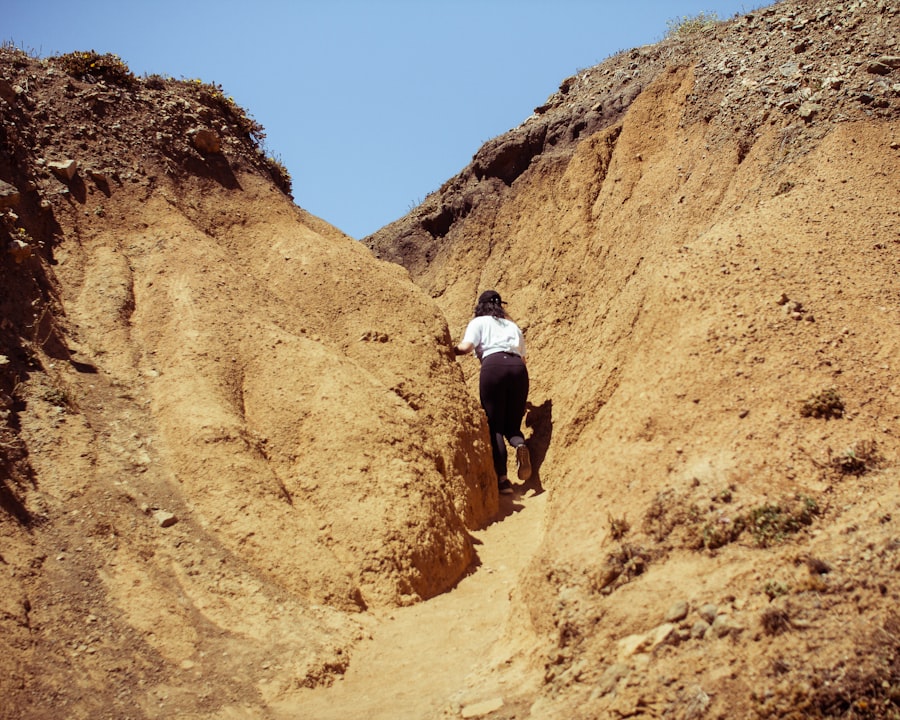
Beyond environmental degradation and organized crime, illegal sand mining inflicts a profound human cost, disproportionately affecting vulnerable communities and exacerbating existing social inequalities. You, the reader, must understand that this isn’t just about sand; it’s about people’s lives.
Displacement and Loss of Livelihoods
Many communities, often tribal populations or those heavily reliant on riverine resources, find their traditional livelihoods destroyed by illegal sand mining. Fishermen, for example, witness dwindling fish stocks, rendering their age-old profession unsustainable. Farmers, as previously mentioned, lose fertile land to erosion and face water scarcity for irrigation. The documentary introduces poignant stories of individuals forced to abandon their ancestral homes and seek uncertain futures elsewhere, becoming environmental refugees in their own land. The film depicts how once-self-sufficient communities are driven into poverty, compelled to seek menial labor or migrate to urban centers, contributing to the burgeoning slums and social pressures in cities. This disruption of traditional lifeways strikes at the very heart of community identity and economic stability.
Health Impacts and Safety Risks
The intensive, often unregulated, nature of illegal sand mining operations poses significant health and safety risks to laborers, many of whom are exploited migrants. The documentary reveals the hazardous working conditions, with minimal safety equipment, high risk of accidents, and exposure to dust and pollutants. Cases of respiratory illnesses, injuries from heavy machinery, and even fatalities are disturbingly common. Furthermore, the disruption of natural water systems can lead to contaminated drinking water, increasing the incidence of waterborne diseases in affected communities. The film provides disturbing images of primitive and dangerous extraction methods, hinting at the desperate circumstances of those employed in this illicit trade. These workers, often at the bottom of the economic ladder, are caught between the dangers of their work and the imperative to earn a meager living.
Social Inequality and Injustice
The benefits of illegal sand mining are concentrated in the hands of a powerful few, while the costs are borne by the most vulnerable segments of society. The documentary highlights this stark imbalance, showcasing how the illegal profits fuel lavish lifestyles for the perpetrators, often far removed from the communities whose resources they exploit. This perpetuates a cycle of injustice, where the voiceless suffer the consequences of actions that enrich the powerful and corrupt. The film illustrates how communities that attempt to resist are met with violence, while those involved in the illicit trade often escape justice. This stark disparity erodes trust in institutions and undermines the very principles of social equity, creating a deep sense of disillusionment among the affected populations.
The Economic Ramifications: A Parallel Economy
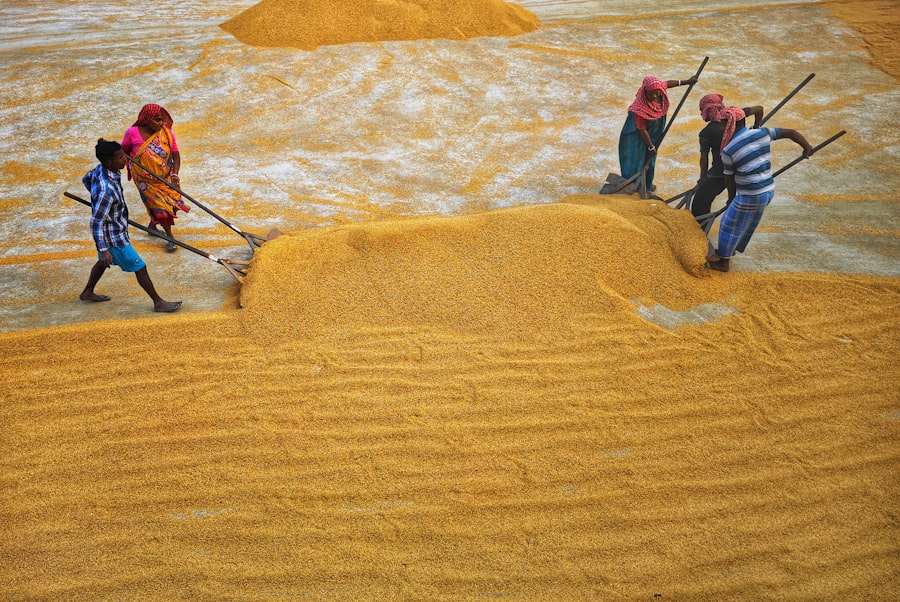
While seemingly localized, illegal sand mining has significant economic ramifications, fostering a parallel economy that distorts market prices, deprives the state of revenue, and impacts the legitimate construction industry. The documentary delves into the opaque financial flows that characterize this illicit trade.
Revenue Loss for the State
Illegal sand mining operates outside the purview of taxation and regulation, meaning that significant revenue that could be used for public services and development is siphoned away from the state. The documentary implicitly quantifies this loss by highlighting the sheer volume of sand extracted daily and the high market prices it commands. This stolen revenue could otherwise fund education, healthcare, infrastructure projects, or environmental protection initiatives, all of which are sorely needed. Instead, it vanishes into the coffers of illegal networks, thereby undermining the state’s capacity to serve its citizens. The film suggests that the state, by failing to curb this activity, is essentially allowing its own resources to be plundered, like an open wound that never heals.
Unfair Competition and Market Distortion
Legitimate sand mining operations, which acquire permits, pay royalties, and adhere to environmental regulations, struggle to compete with illegal miners who operate with virtually no overheads. The documentary indirectly demonstrates how this creates an uneven playing field, driving down prices for illegally sourced sand and making it difficult for compliant businesses to survive. This also stifles innovation and responsible practices within the legal industry, as there is little incentive to invest in sustainable methods when cheaper, illicit alternatives are readily available. The film highlights how the availability of “cheap” sand, while seemingly beneficial for developers, ultimately props up a criminal enterprise and undermines the integrity of the construction sector. This market distortion acts like a parasite, slowly weakening the host economy.
Funding Other Criminal Activities
The vast, untraceable profits generated from illegal sand mining often serve as a significant source of funding for other criminal enterprises. The documentary, while not explicitly detailing these connections, alludes to the fact that money laundering and investments in other illicit activities are common pathways for these ill-gotten gains. By providing a steady stream of black money, illegal sand mining inadvertently strengthens the broader ecosystem of organized crime, making it more difficult to combat. This financial synergy creates a powerful and resilient criminal network that exploits natural resources not just for sand, but as a critical funding mechanism for a wider range of illegal ventures. It’s a hydra, where cutting off one head merely allows others to grow stronger through shared resources.
Illegal sand mining in India has become a pressing environmental issue, leading to severe ecological damage and social conflicts. A recent documentary sheds light on the devastating impacts of this practice, revealing how it threatens local communities and ecosystems. For those interested in exploring this topic further, you can read a related article that delves into the intricacies of illegal sand mining and its consequences on both the environment and society. To learn more about this critical issue, visit this article for a comprehensive overview.
Towards a Solution: Challenges and Pathways Forward
| Metric | Details |
|---|---|
| Estimated Illegal Sand Mining Volume | Approximately 600 million tons annually |
| Primary Affected States | Rajasthan, Uttar Pradesh, Bihar, Karnataka, Tamil Nadu |
| Environmental Impact | Riverbank erosion, groundwater depletion, loss of biodiversity |
| Economic Impact | Loss of government revenue, increased construction costs |
| Number of Illegal Mining Cases Reported (Last 5 Years) | Over 1,200 cases documented |
| Common Methods of Illegal Mining | Unlicensed extraction, use of heavy machinery at night, bribery |
| Government Actions Taken | Enforcement drives, policy reforms, community awareness programs |
| Documentary Release Year | 2023 |
| Documentary Duration | 45 minutes |
| Key Organizations Involved | Central Pollution Control Board, local NGOs, environmental activists |
Addressing the pervasive problem of illegal sand mining in India requires a multi-pronged approach, encompassing robust enforcement, community empowerment, technological solutions, and a fundamental shift in governance. The documentary, while highlighting the severity of the problem, also subtly points towards potential avenues for remedial action.
Strengthening Legislation and Enforcement
The existing legal framework, though present, is often rendered ineffective by corruption and a lack of political will. The documentary underscores the urgent need for stricter enforcement protocols, including specialized task forces dedicated to combating sand mining, with adequate resources and protection for their personnel. Furthermore, the film implicitly calls for harsher penalties for perpetrators, including those who facilitate the trade from behind the scenes, to serve as a genuine deterrent. The establishment of fast-track courts for environmental crimes could also help in expediting justice. It is not enough to have laws; they must be applied consistently and without fear or favor. This is akin to reinforcing the dike before the floodwaters overwhelm it entirely.
Community Involvement and Awareness
Local communities, often the first to witness and suffer from illegal mining, can be powerful allies in its prevention. The documentary suggests that empowering communities through awareness campaigns, providing channels for reporting illegal activities without fear of retaliation, and involving them in monitoring efforts can be highly effective. Creating local committees, comprised of respected community members, can act as a grassroots defense against encroaching illegal operations. Informing the public about the environmental and social costs of illegal sand can also shift demand away from illicit sources. The documentary features segments where community leaders desperately try to rally against the sand mafia, highlighting their potential if adequately supported and protected. Their voices are the ground-level sensors that can detect the first tremors of illicit activity.
Technological Solutions and Sustainable Alternatives
The documentary highlights the need for technological interventions to monitor and control sand extraction activities. Remote sensing, satellite imagery, and drone surveillance can be employed to track mining hotspots, detect illegal operations in real-time, and assess the extent of environmental damage. This provides unbiased data that can be used for enforcement. Furthermore, the film implicitly calls for increased investment in research and development of sustainable alternatives to natural sand in construction. This could include recycled aggregates, manufactured sand (M-sand) from crushed rock, or other innovative building materials. Reducing the demand for river sand by promoting these alternatives can significantly reduce the pressure on natural resources. The documentary suggests that embracing innovation is not just an option, but a necessity to break free from the destructive cycle.
Ethical Governance and Transparency
Ultimately, resolving India’s illegal sand mining crisis hinges on a fundamental commitment to ethical governance and transparency at all levels. The documentary’s underlying message is a call for an end to political patronage, a crackdown on corruption within administrative and law enforcement bodies, and the establishment of robust accountability mechanisms. Independent oversight bodies, protected whistleblowers, and transparent permitting processes are essential to foster an environment where illegal activities cannot thrive. The film’s conclusion leaves the viewer with a sense of urgency, urging a collective awakening and a demand for governance that prioritizes the long-term well-being of the nation’s environment and its people over short-term illicit gains. It is a plea for the moral compass of the state to be recalibrated, to steer away from the treacherous waters of corruption towards the safe harbor of sustainable development.
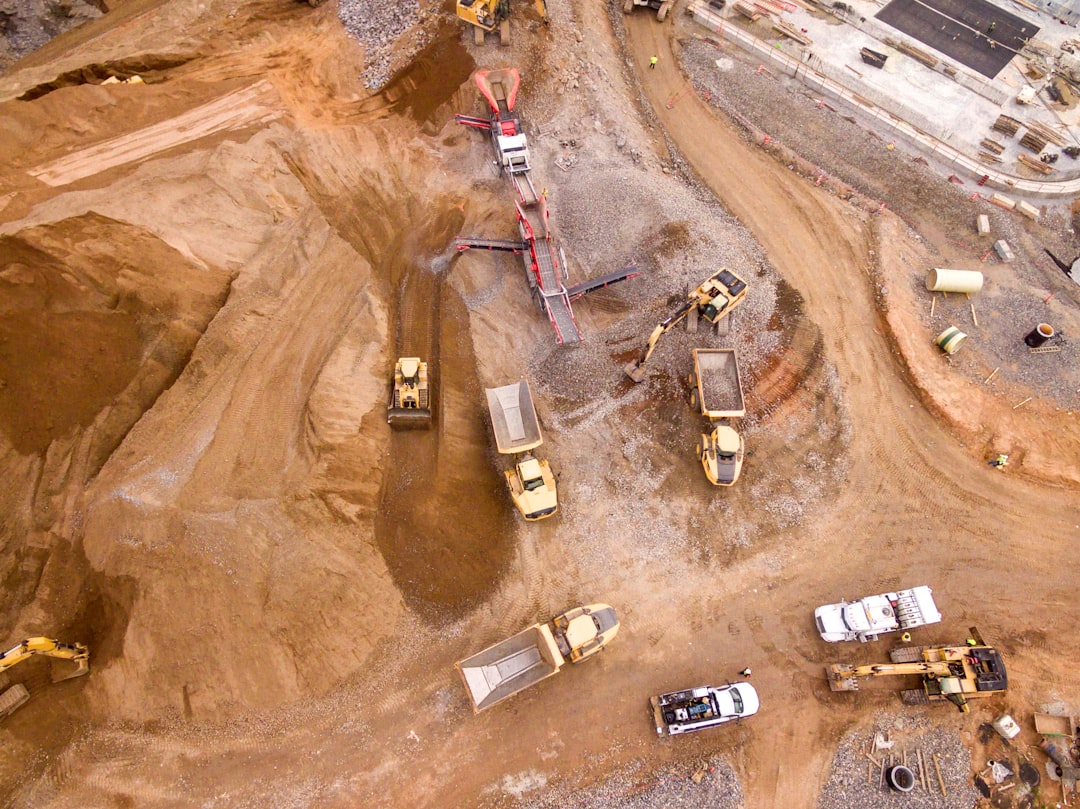
WATCH NOW ▶️ WARNING: Why the World is Running Out of Sand (And You Never Noticed)
FAQs
What is illegal sand mining in India?
Illegal sand mining in India refers to the unauthorized extraction of sand from riverbeds, beaches, and other natural sources without proper permits or adherence to environmental regulations. This activity often leads to environmental degradation and legal issues.
Why is illegal sand mining a problem in India?
Illegal sand mining causes severe environmental damage, including riverbank erosion, loss of biodiversity, groundwater depletion, and disruption of aquatic ecosystems. It also affects local communities and contributes to conflicts over natural resources.
How is illegal sand mining carried out?
Illegal sand mining is typically conducted by unlicensed operators who extract sand using heavy machinery or manual labor, often at night or in remote areas to avoid detection by authorities. The sand is then sold in the construction industry or other markets.
What measures are being taken to combat illegal sand mining in India?
The Indian government has implemented stricter regulations, increased monitoring, and imposed penalties on illegal mining activities. Various states have also launched awareness campaigns and involved local communities in protecting river ecosystems.
What role do documentaries play in addressing illegal sand mining in India?
Documentaries on illegal sand mining raise public awareness about the environmental and social impacts of the practice. They help inform policymakers, encourage community action, and promote sustainable alternatives to reduce illegal extraction.