
The Democratic Republic of Congo (DRC), a nation grappling with decades of instability and underdevelopment, faces a persistent and insidious challenge that directly undermines its already fragile healthcare system: frequent and prolonged power blackouts. These outages are not mere inconveniences; they represent a critical factor that severely compromises the ability of hospitals to deliver essential medical services, exacerbating existing health crises and hindering any potential for progress. This analysis will delve into the multifaceted impacts of these electrical failures on DRC hospitals, examining their consequences from the operational to the human cost.
Power blackouts in the DRC are a frequent and predictable occurrence, a shadow that falls across operating theatres, intensive care units, and emergency rooms, bringing vital medical equipment to a standstill. The reliance of modern medicine on a consistent and stable power supply is absolute. For hospitals in the DRC, this reliance becomes a constant battle against the darkness.
Inoperable Medical Equipment
- Diagnostic Tools Silenced: The sophisticated diagnostic technology that underpins accurate medical assessments—X-ray machines, CT scanners, MRI machines, ultrasound devices—becomes useless without electricity. This forces clinicians to rely on more rudimentary and often less precise methods, impacting the speed and accuracy of diagnoses. Imagine a surgeon unable to see the internal bleeding of a patient due to a darkened X-ray. The consequences can be devastating, leading to delayed treatment or misdiagnosis.
- Life Support Systems Cease Function: Ventilators in intensive care units, essential for patients with respiratory failure, cease to function. Infusion pumps that meticulously deliver critical medications stop their programmed flow. Dialysis machines, the lifeline for individuals with kidney disease, become inert. The sudden cessation of these life-sustaining devices can be immediately fatal. This isn’t a technological glitch; it’s a direct threat to life, where the hum of machinery is replaced by an eerie silence.
- Surgical Procedures Compromised: Operating theatres are darkened, forcing surgeons to halt procedures mid-operation or rely on inadequate backup lighting. Emergency C-sections, often performed under immense pressure and time constraints, can be fraught with danger when the primary surgical lights fail. The risk of infection increases significantly when sterile environments are compromised by the need for potentially unsterilised alternative lighting. This turns a place of healing into a zone of extreme risk.
Deterioration of Cold Chain and Medication Efficacy
The efficacy of many vital medications, particularly vaccines and antibiotics, is dependent on maintaining a specific temperature range. This requires a robust and uninterrupted cold chain, from production to administration.
- Vaccine Spoilage: Power outages lead to the warming of vaccine refrigerators, rendering precious vaccines ineffective. This setback directly impacts national immunization programs, increasing the risk of outbreaks of preventable diseases like measles and polio. The effort and resources invested in procuring and transporting these vaccines are wasted, leaving populations vulnerable.
- Medication Degradation: Many essential drugs, including insulin for diabetics and potent antibiotics, require refrigeration to maintain their potency and safety. When power fails, these medications degrade, becoming less effective or potentially harmful, leading to treatment failures and increased patient suffering. The shelf life of life-saving drugs is drastically reduced by each blackout.
- Laboratory Sample Contamination: Samples collected for diagnostic testing, such as blood or urine, often require refrigeration to prevent bacterial growth and degradation. Power outages can compromise these samples, leading to inaccurate test results and further delays in diagnosis and treatment.
Communication and Data Management Failures
Modern healthcare relies heavily on effective communication and efficient data management. Blackouts cripple these essential functions.
- Interrupted Communication Networks: Hospital communication systems, including internal phone lines and internet connectivity, are often dependent on electrical power. This hinders the ability of doctors and nurses to consult with each other, coordinate patient care, and communicate with external specialists or emergency services. In a crisis, clear and rapid communication is paramount; blackouts sever these vital arteries.
- Data Loss and Corruption: Electronic health record systems, if present, are vulnerable to power surges and sudden shutdowns, potentially leading to data loss or corruption. This erodes the continuity of patient care, as vital medical histories and treatment plans become inaccessible. Paper records, while more resilient to power fluctuations, still require electricity-powered filing and retrieval systems, further slowing down the process.
The impact of blackouts on hospitals in the Democratic Republic of the Congo (DRC) is a pressing issue that affects patient care and medical outcomes. A related article discusses the challenges faced by healthcare facilities during power outages, highlighting the urgent need for reliable energy sources to ensure that hospitals can operate effectively. For more information on this critical topic, you can read the full article here: Impact of Blackouts on DRC Hospitals.
The Human Toll: Beyond the Machine
The impact of blackouts extends far beyond the mechanical failure of medical equipment; it directly affects the lives and well-being of patients and healthcare workers. The human cost is immeasurable and heart-wrenching.
Exacerbated Morbidity and Mortality
- Increased Case Fatality Rates: The inability to provide timely and appropriate medical interventions due to power outages directly translates into higher mortality rates. Patients in critical condition, whose survival depends on continuous monitoring and life support, are disproportionately affected. Every minute of darkness in an operating room or ICU can be a countdown to a life lost.
- Protracted Illnesses and Complications: For patients with chronic conditions or those undergoing complex treatments, power failures can lead to prolonged hospital stays, increased risk of complications, and slower recovery times. This places an additional burden on already strained healthcare resources.
- Barriers to Emergency Care: The lack of reliable electricity significantly impedes access to emergency care, particularly in rural and remote areas. Ambulances may struggle to reach destinations, and hospitals may be unable to admit or treat patients efficiently during emergencies. Imagine a patient bleeding profusely, their fate hanging on the flicker of a generator’s light.
Psychological Distress and Burnout for Healthcare Workers
Healthcare professionals in the DRC are often lauded for their dedication in the face of immense challenges. However, the persistent problem of power outages adds a significant layer of psychological stress and physical exhaustion to their already demanding roles.
- Emotional Burden of Inaction: Witnessing patients suffer and potentially die due to circumstances beyond their control, like the failure of essential equipment, can inflict profound emotional distress on healthcare workers. This constant exposure to preventable tragedies can lead to compassion fatigue and burnout.
- Physical Exertion and Inefficiency: Relying on manual processes, alternative lighting, and makeshift solutions due to power outages is physically and mentally taxing. This increased workload, coupled with the emotional toll, can lead to reduced efficiency and impaired decision-making.
- Erosion of Professional Morale: The inability to perform their duties effectively due to systemic failures can erode the morale of healthcare workers, leading to feelings of frustration and helplessness. This can contribute to a cycle of understaffing and a general decline in the quality of care.
Impact on Vulnerable Populations
Certain segments of the population are more acutely vulnerable to the consequences of power failures in healthcare settings.
- Mothers and Newborns: Power outages pose a grave threat to maternal and neonatal health. The absence of reliable electricity affects the functioning of incubators for premature infants, equipment for monitoring fetal distress, and delivery rooms. The risks of complications during childbirth are significantly amplified.
- Patients Requiring Dialysis: Individuals undergoing regular dialysis treatments are entirely dependent on functioning dialysis machines, which require consistent power. Blackouts can lead to missed or interrupted treatments, causing a build-up of toxins in the body and severe health consequences, including potential death.
- Individuals with Chronic Diseases: Patients managing chronic conditions like diabetes, heart disease, or respiratory illnesses often rely on powered medical devices at home or require regular hospital visits for monitoring and treatment. Power outages disrupt this essential care, leading to a deterioration of their health.
The Economic Quagmire: Indirect Costs of Blackouts

While the immediate human cost is evident, the economic repercussions of frequent blackouts on DRC hospitals are substantial and far-reaching, creating a vicious cycle of underfunding and deterioration.
Increased Operational Costs and Inefficiencies
- Fuel Consumption and Maintenance of Generators: Hospitals that can afford backup generators must bear the significant cost of fuel, which is often expensive and subject to supply chain disruptions. Furthermore, generators require regular maintenance, adding another layer of expense. This diverts crucial funds that could otherwise be allocated to essential medical supplies or staffing.
- Wasted Resources and Materials: The spoilage of medications, the malfunction of equipment that requires costly repairs, and the need for repeated diagnostic tests due to initial failures all represent a significant waste of valuable resources. This economic leakage further strains already limited budgets.
- Decreased Productivity and Service Delivery: The inefficiencies brought about by power outages lead to decreased productivity. Longer wait times for patients, delays in treatment, and the inability to perform certain procedures all translate into a reduced capacity for service delivery, impacting the overall output of the hospital.
Hindrance to Healthcare Infrastructure Development
The unreliability of the power grid acts as a significant deterrent to investment in and development of healthcare infrastructure.
- Discouraging Investment: Potential investors in healthcare facilities or advanced medical technologies are deterred by the prospect of constant power interruptions. This lack of investment perpetuates the reliance on outdated and insufficient infrastructure, trapping the healthcare system in a state of perpetual underdevelopment.
- Limited Adoption of Modern Technologies: The widespread adoption of advanced medical technologies, which are often energy-intensive and require stable power supplies, is severely hampered. This prevents the DRC from benefiting from innovations that could significantly improve patient outcomes.
- Maintenance and Repair Challenges: Even when advanced equipment is acquired through aid or specific projects, maintaining and repairing it becomes a monumental task in an environment characterized by frequent power fluctuations and surges, which can damage sensitive electronics.
Impact on Donor Funding and Aid Effectiveness
International donors play a crucial role in supporting the DRC’s healthcare sector. However, the pervasive issue of power blackouts can undermine the effectiveness of this aid.
- Reduced Impact of Donor-Funded Projects: Projects aimed at improving specific health services or equipping hospitals can have their impact severely diminished if the fundamental issue of power supply is not addressed. The best-equipped hospital is rendered ineffective when the lights go out.
- Hesitation in Future Funding: If donor-funded initiatives consistently fail to achieve their intended outcomes due to systemic issues like unreliable power, donors may become hesitant to allocate further resources, creating a cycle of dependency and limited progress.
- Challenges in Sustainable Solutions: The lack of a stable power supply makes it challenging to implement sustainable healthcare solutions. Any advancements made are constantly at risk of being undone by the pervasive power outages, making long-term planning and investment difficult.
Towards a Brighter Future: Potential Solutions and Mitigation Strategies
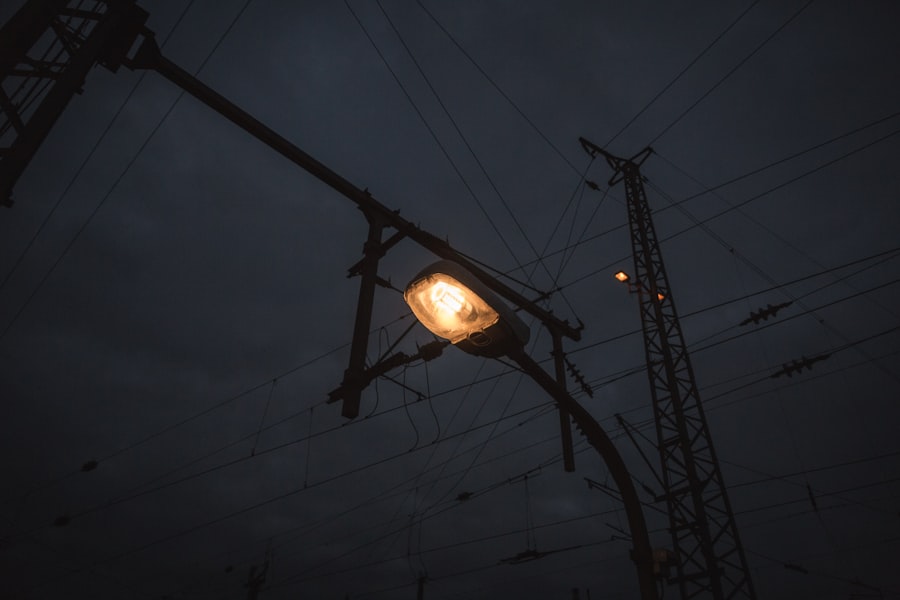
Addressing the devastating impact of blackouts on DRC hospitals requires a multi-pronged approach, encompassing immediate mitigation strategies and long-term systemic solutions. The darkness can be pushed back, but it demands sustained effort and a commitment to innovation.
Investing in Reliable Backup Power Solutions
- Rooftop Solar Power Systems: Implementing extensive solar panel installations on hospital rooftops can provide a consistent and renewable source of electricity, significantly reducing reliance on the national grid. This offers a sustainable and cost-effective alternative once the initial investment is made.
- Hybrid Generator Systems: Investing in state-of-the-art hybrid generator systems that combine traditional fuel sources with renewable energy storage (like batteries) can offer greater flexibility and reliability. These systems can intelligently switch between power sources to ensure uninterrupted supply.
- Microgrids and Decentralized Energy Solutions: Exploring the development of microgrids specifically for healthcare facilities or clusters of facilities can create a more resilient and independent power infrastructure, insulating them from broader grid failures.
Strengthening the National Electricity Grid
- Government Investment and Reform: A fundamental solution lies in the political will and significant investment from the Congolese government to modernize and strengthen the national electricity infrastructure. This includes investing in generation capacity, transmission lines, and grid management systems.
- International Collaboration and Funding: Securing substantial international funding and technical expertise for electricity sector reform and infrastructure development is crucial. This requires transparent governance and a clear roadmap for improvement.
- Prioritizing Healthcare Facilities: Implementing policies that prioritize the supply of electricity to critical healthcare facilities, even during periods of national shortage, could be a life-saving measure. This requires a clear designation of essential services within the energy sector.
Promoting Energy Efficiency and Conservation
- Adopting Energy-Efficient Medical Equipment: When procuring new medical equipment, prioritizing energy-efficient models can reduce overall power consumption, making existing backup power sources more sustainable.
- Implementing Energy Management Practices: Hospitals can implement stricter energy management practices, such as turning off lights and equipment when not in use and optimizing the use of air conditioning. This small act of conservation can have a cumulative impact.
- Training Staff on Energy Awareness: Educating healthcare staff on the importance of energy conservation and their role in reducing waste can foster a culture of efficiency within the hospital environment.
Fostering Local Innovation and Capacity Building
- Developing Local Expertise in Renewable Energy: Investing in training programs for local technicians and engineers in the installation, maintenance, and repair of solar power systems and other renewable energy technologies can ensure long-term sustainability.
- Encouraging Local Manufacturing of Energy Solutions: Supporting local entrepreneurs and businesses involved in the production of essential components for renewable energy systems can create jobs and reduce reliance on imported goods, making solutions more accessible and affordable.
- Research and Development of Low-Power Medical Technologies: Encouraging research and development into medical technologies that require less power or can operate efficiently on alternative energy sources can provide innovative solutions for power-scarce environments.
The impact of blackouts on hospitals in the Democratic Republic of Congo (DRC) has become a pressing concern, as these power outages can severely disrupt medical services and endanger patient lives. A related article explores how these frequent blackouts affect healthcare delivery and the measures being taken to mitigate their effects. For more insights on this critical issue, you can read the full article here.
The Unfolding Crisis: Conclusion and Call to Action
| Metric | Value | Impact Description |
|---|---|---|
| Average blackout duration per day | 4-6 hours | Interrupts critical medical procedures and equipment operation |
| Percentage of hospitals without backup power | 65% | High vulnerability to power outages affecting patient care |
| Increase in patient mortality during blackouts | 15-20% | Due to failure of life-support and emergency equipment |
| Reduction in surgical procedures during blackouts | 30% | Elective and emergency surgeries postponed or canceled |
| Impact on vaccine storage | 40% of vaccines spoiled | Loss of cold chain leading to vaccine wastage |
| Staff overtime increase due to blackouts | 25% | Additional workload to manage manual operations and patient care |
The impact of blackouts on DRC hospitals is not merely an operational challenge; it is a humanitarian crisis unfolding in slow motion. The vanishing light in these vital institutions signifies a tangible threat to lives, a drain on precious resources, and a significant impediment to the nation’s development. The flickering of a generator’s light, while a testament to resilience, is a stark reminder of the underlying fragility.
The Democratic Republic of Congo is a nation blessed with immense potential, yet its healthcare system, the bedrock of any healthy society, is constantly battling against the darkness. Rectifying this situation requires a concerted and sustained effort from the Congolese government, international partners, healthcare providers, and civil society. Investing in reliable energy solutions for hospitals is not an act of charity; it is an investment in human lives, in the future of the Congo, and in the fundamental right to health. The time for mere acknowledgment of the problem has passed. It is time for decisive action, for the restoration of light, and for the unwavering commitment to ensuring that every patient in the DRC receives the care they deserve, regardless of the hour. The narrative of constant struggle against the darkness must be rewritten, illuminating a path towards a healthier and more prosperous future.
FAQs
What causes blackouts in hospitals in the Democratic Republic of Congo (DRC)?
Blackouts in DRC hospitals are primarily caused by unstable electricity supply, inadequate infrastructure, and frequent power grid failures. Additionally, limited access to reliable backup power sources contributes to these outages.
How do blackouts affect patient care in DRC hospitals?
Blackouts disrupt critical medical equipment, delay emergency procedures, and hinder the storage of temperature-sensitive medications and vaccines. This can lead to increased risks for patients, including complications during surgeries and compromised treatment outcomes.
What measures are currently in place to mitigate the impact of blackouts in DRC hospitals?
Some hospitals use generators and solar power systems as backup energy sources. However, these solutions are often insufficient due to fuel shortages, maintenance challenges, and limited funding, making consistent power supply a persistent issue.
How do blackouts impact hospital staff and operations in the DRC?
Blackouts increase the workload and stress on healthcare workers, complicate communication and record-keeping, and can lead to the cancellation or postponement of medical procedures. This affects overall hospital efficiency and staff morale.
What are the long-term implications of frequent blackouts on the healthcare system in the DRC?
Frequent blackouts can undermine public trust in healthcare services, contribute to higher morbidity and mortality rates, and impede the development of healthcare infrastructure. Addressing power reliability is essential for improving health outcomes and system resilience.