The United States Navy’s aircraft carriers, long the apex of American maritime power, are facing an increasingly sophisticated and formidable threat: hypersonic missiles. These weapons, capable of traveling at speeds exceeding Mach 5, represent a paradigm shift in warfare, challenging established naval defenses and presenting a complex strategic dilemma. The sheer velocity of hypersonics, combined with their unpredictable trajectories and advanced countermeasures, significantly reduces the reaction time available to carrier strike groups, raising serious questions about the survivability of these prized assets in future conflicts.
The advent of hypersonic missiles is not a singular event but rather the culmination of decades of research and development by potential adversaries. These nations have deliberately focused on overcoming the defensive capabilities that have historically protected naval vessels.
Origins and Development of Hypersonic Capabilities
The concept of high-speed missile delivery is not new, but the current iteration of hypersonic weapons leverages advanced materials, propulsion systems, and guidance technologies. Early ballistic missiles offered significant speed but followed predictable parabolic trajectories. Hypersonic glide vehicles (HGVs), on the other hand, are launched via a booster rocket to high altitudes and then detach, maneuvering at hypersonic speeds within the Earth’s atmosphere. This allows for unpowered, unpredictable trajectories that are exceptionally difficult to track and intercept with conventional missile defense systems.
Key Players and Their Hypersonic Programs
Several nations are actively pursuing and have demonstrated operational hypersonic missile capabilities. Russia has been particularly vocal about its advancements, with systems like the Avangard HGV and the Kinzhal air-launched ballistic missile (which exhibits hypersonic characteristics) already reportedly deployed. China has also made substantial investments in hypersonic technology, developing systems such as the DF-ZF HGV. While the United States is also investing heavily in its own hypersonic programs, the lag in deployed operational systems compared to some adversaries creates a present-day vulnerability.
Differentiating Hypersonic Technologies
It is crucial to understand that “hypersonic” is a broad term encompassing various technological approaches.
Hypersonic Glide Vehicles (HGVs)
HGVs are perhaps the most concerning type for naval forces. Launched on ballistic missile boosters, they separate at high altitude and then glide towards their target at hypersonic speeds, maneuvering to evade defenses. Their ability to change direction in flight, unlike traditional ballistic missiles, makes pre-planned intercept solutions virtually impossible.
Hypersonic Cruise Missiles (HCMs)
HCMs, conversely, are powered throughout their flight by advanced air-breathing engines, such as scramjets. These missiles maintain hypersonic speeds closer to sea level for longer durations, presenting a different set of challenges related to atmospheric effects and radar detection. While potentially less agile than some HGVs, their sustained low-altitude, high-speed flight can still overwhelm defenses.
The increasing capabilities of hypersonic missiles pose a significant threat to U.S. Navy carriers, raising concerns about their vulnerability in modern warfare. A related article that delves into this pressing issue can be found at My Geo Quest, where experts discuss the implications of hypersonic technology on naval strategy and defense systems. As these advanced weapons become more prevalent, understanding their impact on naval operations is crucial for maintaining maritime security.
The Vulnerabilities of Aircraft Carriers
The very nature of an aircraft carrier strike group, while a potent offensive tool, also presents inherent vulnerabilities to hypersonic attack. The sheer size, relative speed, and mission profile of these carriers make them attractive and potentially devastating targets.
Signature and Detectability
Despite efforts to reduce their radar cross-section, aircraft carriers remain massive targets with significant thermal signatures. These attributes, while perhaps less crucial against slower-moving threats, can be exploited by sophisticated sensor networks designed to detect high-speed objects. The vast amount of energy expended by the carrier’s operations also contributes to its detectable signature.
Limited Defensive Reaction Time
The primary vulnerability of a carrier strike group to hypersonics lies in the drastically reduced warning and reaction times. Traditional missile defense systems, such as Aegis, are designed to track and intercept targets with predictable trajectories and ample flight times. Hypersonic missiles, by contrast, arrive with minutes, or even seconds, of warning, leaving little time for the complex processes of detection, tracking, identification, engagement, and assessment. The decision cycle for engaging such a fast-moving and elusive target is severely compressed.
The Carrier’s Role as a High-Value Target
The strategic significance of an aircraft carrier cannot be overstated. Its ability to project air power hundreds of miles inland makes it a crucial component of U.S. foreign policy and military operations. Consequently, it represents a prime target for any adversary seeking to neutralize U.S. influence or inflict a significant symbolic and material blow. The loss of a carrier would have profound geopolitical and economic ramifications.
The “All or Nothing” Nature of Carrier Defense
Carrier strike groups often operate within a layered defense system. However, the effectiveness of these layers against a hypersonic threat is being re-evaluated.
The Aegis Combat System and Its Limitations
The U.S. Navy’s Aegis Combat System is a highly capable integrated air and missile defense system. It has successfully defended against ballistic missiles and advanced cruise missiles. However, its ability to counter the speed and maneuverability of hypersonics is a subject of intense study and concern. While upgrades are ongoing, the fundamental parameters of intercepting targets at Mach 5 or higher, with unpredictable flight paths, pose a formidable challenge.
The Role of Escort Ships
Escort ships within the carrier strike group provide crucial defensive capabilities, including anti-air and anti-missile warfare. However, these platforms also have limitations in terms of radar horizon, missile magazine capacity, and processing power when faced with a saturation attack of hypersonic weapons. The effectiveness of these escorts against a sustained, high-speed onslaught is not guaranteed.
Weaponizing Hypersonic Speed: Deployment and Tactics
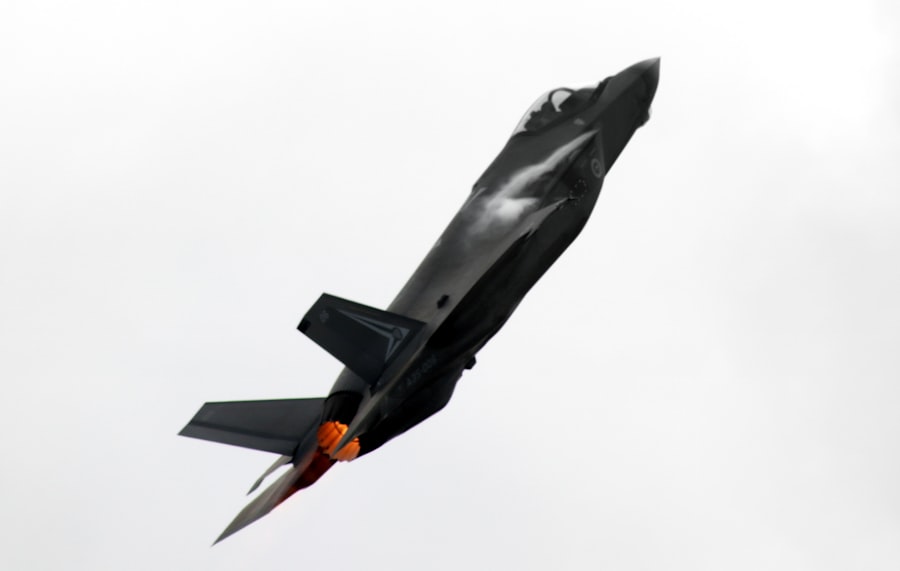
The threat posed by hypersonic missiles is not merely theoretical; it is actively being developed and potentially deployed with specific tactical considerations in mind.
Targeting Strategies for Hypersonic Missiles
Adversaries are not simply developing fast missiles; they are developing them with strategies to maximize their impact.
Anti-Ship Hypersonic Missiles
The most direct threat to U.S. Navy carriers are anti-ship hypersonic missiles. These weapons are designed to strike large naval vessels with devastating effect, exploiting the carriers’ size and relatively slow operational speed to deliver kinetic impact or catastrophic damage. The goal is often to cripple or sink the carrier, thereby neutralizing the entire strike group.
Theater-Range Hypersonic Threats to Forward-Deployed Carriers
Beyond direct anti-ship roles, hypersonic missiles can also be used to attack carriers operating in forward-deployed locations. A theater-range hypersonic missile launched from shore could reach a carrier operating within projection range of an adversary’s coast, further complicating defensive strategies and potentially pushing carriers further offshore, reducing their operational effectiveness.
The Challenge of Ballistic Missile Defense Interception
The interception of hypersonic weapons presents unique challenges that differ significantly from intercepting traditional ballistic missiles.
Overcoming Terminal Defenses
Terminal defenses, designed to engage ballistic missile warheads as they descend, are often too slow and lack the necessary precision to engage hypersonic glide vehicles that are maneuvering at extreme speeds. The interceptors themselves may not be able to reach the engagement zone in time or achieve a successful kill against such a dynamic target.
The Search for Hypersonic-Specific Interceptors
The development of interceptors specifically designed to counter hypersonic threats is a critical area of research and development for the U.S. Navy. These interceptors would need to possess superior speed, maneuverability, and advanced seeker technology to track and destroy their targets. However, the technological hurdles in developing such systems are substantial.
The Strategic Implications of Hypersonic Vulnerability
The potential vulnerability of U.S. aircraft carriers to hypersonic missiles has profound implications for American military strategy, diplomatic posture, and global power projection.
Shifting the Balance of Power
A credible threat to the U.S. Navy’s most iconic platforms could fundamentally alter the global balance of power. It could embolden adversaries, diminish U.S. influence in key regions, and necessitate a significant recalibration of deterrence strategies. The ability to project power unimpeded has been a cornerstone of U.S. foreign policy, and a persistent threat to this capability would be a major geopolitical development.
The “Typhoon” Scenario and Carrier Survival
Military analysts often refer to the “typhoon” scenario, highlighting the immense destructive potential of a coordinated, multi-directional hypersonic missile attack against a carrier strike group. The sheer number of incoming hypersonic missiles, combined with their speed and maneuverability, could overwhelm even the most robust defense systems, leading to catastrophic losses. The survivability of carriers in such a scenario is a paramount concern.
The Need for a Multi-Domain Response
Addressing the hypersonic threat requires a response that extends beyond traditional missile defense.
Enhancing Intelligence, Surveillance, and Reconnaissance (ISR)
Improved ISR capabilities are vital for early detection and tracking of hypersonic missile launches and their trajectories. This includes advanced space-based sensors, over-the-horizon radar, and intelligence gathering to understand adversary capabilities and intentions. Effective ISR can provide the precious extra minutes needed for defensive actions.
Developing Counter-Hypersonic Technologies
This encompasses a wide range of efforts, including directed energy weapons, advanced electronic warfare, and new interceptor concepts. The goal is to develop systems that can either destroy hypersonic missiles before launch, disrupt their guidance systems, or intercept them in flight.
Rethinking Naval Architecture and Tactics
The U.S. Navy may need to consider fundamental changes to its naval architecture, including the design of future carriers and escort ships, to enhance survivability. Furthermore, operating tactics may need to evolve to present a more dispersed and less predictable target profile or to operate at greater standoff distances.
The increasing development of hypersonic missile technology poses significant threats to U.S. Navy carriers, raising concerns about their vulnerability in modern warfare. A recent article discusses how these advanced weapons systems could potentially outpace existing defense mechanisms, making traditional naval strategies less effective. For more insights on this pressing issue, you can read the full article here. As nations continue to invest in hypersonic capabilities, the need for innovative countermeasures becomes ever more critical.
The Path Forward: Mitigation and Modernization
| Metric | Data |
|---|---|
| Speed of Hypersonic Missiles | Exceeds Mach 5 (3,836 mph) |
| Range of Hypersonic Missiles | Over 1,000 miles |
| Difficulty of Interception | High due to speed and maneuverability |
| Impact on US Navy Carriers | Potential to overwhelm defense systems |
| Countermeasures | Research and development ongoing |
The threat posed by hypersonic missiles to U.S. Navy carriers is a complex and evolving challenge that demands a comprehensive and sustained response. There are no easy answers, and continuous adaptation and investment will be critical.
Investing in Hypersonic Defense Research and Development
The U.S. Navy and Department of Defense are making significant investments in developing countermeasures to hypersonic missiles. This includes research into advanced sensors, interceptors, and directed energy weapons. The success of these R&D efforts will be crucial in mitigating the threat.
Adapting Existing Systems and Developing New Capabilities
While new interceptors are a key focus, efforts are also underway to adapt and enhance existing missile defense systems like Aegis to improve their effectiveness against hypersonic threats. This involves software upgrades, new sensor integration, and potentially new munition types. The development of novel defensive concepts, such as hypersonic kill vehicles themselves or advanced electronic warfare jamming capabilities, is also being explored.
Proliferating Defensive Capabilities
The challenge is not only to defend the carrier but also the entire strike group. Efforts are being made to ensure that escort ships are adequately equipped with advanced defensive systems, and that these systems are networked and integrated to provide a cohesive defense. This includes ensuring that smaller, less capable platforms also possess some level of protection against hypersonic threats.
International Cooperation and Arms Control
While not a primary focus of technological defense, the broader strategic landscape also plays a role. International cooperation in intelligence sharing and the development of shared defensive concepts could be beneficial. Additionally, exploring avenues for arms control or de-escalation related to hypersonic weapons, though challenging, might offer long-term strategic advantages.
The advent of hypersonic missiles represents a significant inflection point in naval warfare. The U.S. Navy’s aircraft carriers, while still formidable platforms, are facing a threat that demands immediate and sustained attention. The ability to adapt, innovate, and invest in new defensive and offensive capabilities will be paramount to ensuring the continued dominance of American sea power in an increasingly complex and contested global security environment. The question is not if the threat is real, but rather how effectively and how quickly the United States can counter it.
FAQs
What are hypersonic missiles?
Hypersonic missiles are a type of weapon that can travel at speeds of Mach 5 or higher, which is at least five times the speed of sound. These missiles are designed to be highly maneuverable and difficult to intercept, making them a significant threat to traditional defense systems.
How do hypersonic missiles pose a threat to US Navy carriers?
Hypersonic missiles pose a significant threat to US Navy carriers due to their high speed and maneuverability. These missiles can potentially bypass existing defense systems and strike targets with great precision, making them a formidable challenge for naval defenses.
What measures are being taken to address the threat of hypersonic missiles to US Navy carriers?
The US Navy and other defense agencies are actively working on developing and deploying new defense systems specifically designed to counter the threat of hypersonic missiles. This includes advanced radar and tracking technologies, as well as the development of new interceptor missiles capable of targeting hypersonic threats.
Are there any existing defense systems that can effectively counter hypersonic missiles?
Currently, there are no widely deployed defense systems that can reliably intercept hypersonic missiles. However, ongoing research and development efforts are focused on creating effective countermeasures to address this growing threat.
What is the potential impact of hypersonic missile threats on US Navy operations?
The potential impact of hypersonic missile threats on US Navy operations is significant, as these weapons could potentially limit the effectiveness and survivability of naval assets, including aircraft carriers. The development of effective defense systems against hypersonic missiles is crucial to maintaining the Navy’s ability to operate in contested environments.