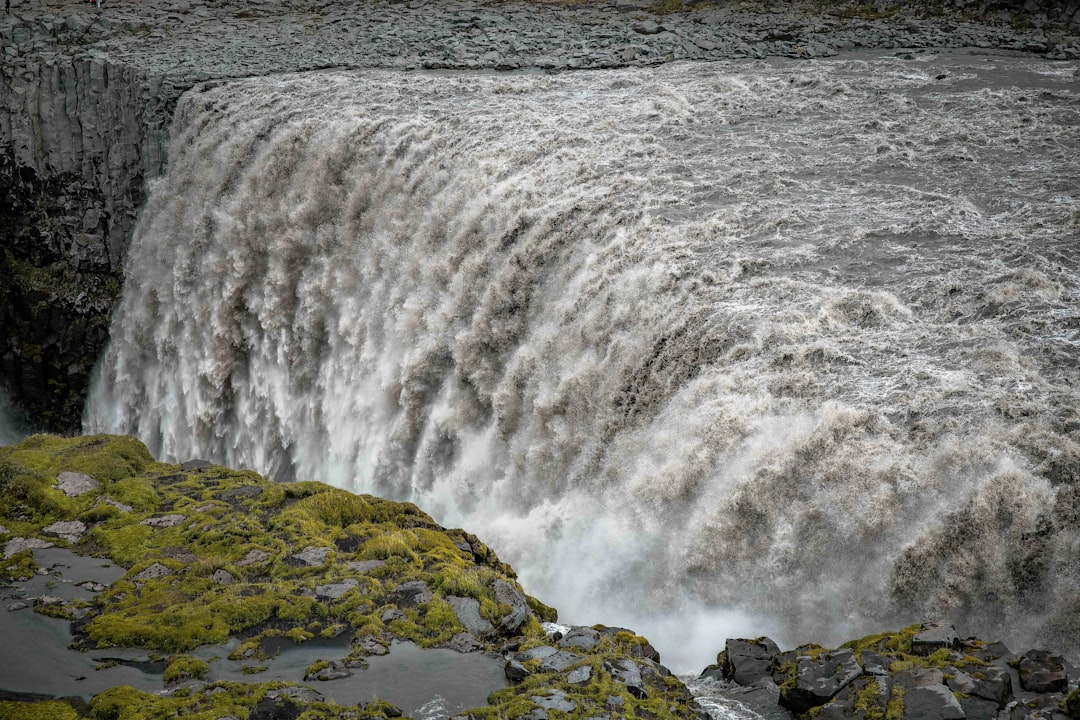
The rhythmic pulse of hydropower, a silent giant for many African nations, is increasingly being tested by the shifting sands of hydrology. Hydrology, the science of water, is the bedrock upon which these monumental structures are built, but it is also the force that can relentlessly erode their stability and efficacy. For a continent striving for energy independence and economic growth, understanding and mitigating hydrology risk in African hydropower is not merely a technical consideration; it is a crucial determinant of future prosperity and resilience. The very rivers that power progress can also become conduits of disruption if their behavior is not meticulously understood and anticipated.
The hydrological landscape of Africa is incredibly diverse, a vast tapestry woven from arid savannas, dense rainforests, and towering mountains, each influencing water cycles in unique ways. This inherent variability, while a source of the continent’s natural wealth, presents a significant challenge for the consistent operation of hydropower facilities. The reliability of these energy generators is intrinsically linked to the predictable flow of water, a predictability that is becoming increasingly elusive.
The Great River Basins
Africa is home to some of the world’s largest and most significant river basins, such as the Congo, Nile, Niger, Zambezi, and Orange. These colossal arteries of water are the lifelines for numerous hydropower projects. Each basin possesses its own distinct hydrological regime, influenced by factors like monsoon patterns, glacial melt (in the Ruzizi and Ethiopian Highlands), and seasonal rainfall. The scale of these basins means that events occurring hundreds or even thousands of kilometers upstream can have profound consequences for power generation downstream.
Congo River Basin: A Hydropower Giant in Waiting
The Congo River, with its immense discharge, holds the potential to be a cornerstone of Africa’s energy future. Projects like the Grand Inga Dam, if fully realized, could generate enough electricity to power a significant portion of the continent. However, the basin’s hydrology is characterized by complex subsurface flows and a susceptibility to large-scale weather patterns, including El Niño-Southern Oscillation (ENSO) events, which can lead to unpredictable fluctuations in rainfall and river levels.
Nile River Basin: Geopolitical Currents and Hydrological Strains
The Nile, flowing through a predominantly arid region, has been a source of life and sustenance, and increasingly, energy, for millennia. The construction of dams like the Aswan High Dam and the Grand Ethiopian Renaissance Dam (GERD) highlights the strategic importance of its waters. However, the hydrological dynamics of the Nile are intensely sensitive to variations in rainfall in its distant headwaters, particularly in the Ethiopian Highlands. These variations, coupled with increased water demand from a growing population and agricultural needs, create a complex interplay of hydrological and geopolitical risks.
Zambezi River Basin: Power and Peril
The Zambezi River, famed for Victoria Falls, also supports major hydropower installations like Kariba and Cahora Bassa. The hydrological behavior of the Zambezi is primarily driven by monsoonal rainfall in its upper reaches. However, droughts, often exacerbated by climate change, can severely reduce water flow, impacting power generation and necessitating load shedding. Conversely, extreme flood events can pose a threat to dam infrastructure.
Rainfall Patterns and Their Variability
Rainfall is the primary driver of river flow in most of Africa. However, this rainfall is not evenly distributed by space or time. The continent experiences a wide spectrum of rainfall regimes, from the consistent equatorial rainfall to the pronounced monsoonal patterns of West and Southern Africa and the hyper-arid conditions of the Sahara and Kalahari.
Monsoons: The Double-Edged Sword
West African monsoon systems, for example, are vital for recharge, but their intensity and timing can vary significantly from year to year. A delayed or weakened monsoon can lead to prolonged dry spells, impacting reservoir levels and consequently, hydropower output. Conversely, an unusually intense monsoon can lead to flash floods and potential dam overtopping risks.
El Niño-Southern Oscillation (ENSO): A Global Ripple Effect
ENSO, a climate phenomenon originating in the Pacific Ocean, has a discernible impact on African rainfall patterns. El Niño years are often associated with reduced rainfall in Southern and East Africa, leading to drought conditions and diminished hydropower generation. La Niña years can bring increased rainfall. The unpredictable nature of ENSO cycles introduces a layer of uncertainty that hydrologists must factor into their reservoir management strategies.
Hydrology risk in Africa’s hydropower sector is a critical issue that impacts energy production and water resource management across the continent. For a deeper understanding of this topic, you can explore a related article that discusses the challenges and opportunities associated with hydropower in Africa. This article provides valuable insights into how climate variability and changing hydrological patterns affect hydropower projects. To read more, visit this link.
Climate Change: A Brewing Storm
The specter of climate change looms large over Africa’s hydrological systems, acting as a catalyst for uncertainty and an amplifier of existing risks. The continent, while contributing minimally to global greenhouse gas emissions, is disproportionately vulnerable to its impacts. This vulnerability is acutely felt in the realm of water resources, the very lifeblood of hydropower.
Shifting Rainfall Patterns and Intensity
Globally, climate change is altering established rainfall patterns. In Africa, this translates to potentially more erratic and extreme weather events. This means that regions historically accustomed to predictable wet and dry seasons may experience prolonged droughts interspersed with torrential downpours. For hydropower, this translates to a less reliable water supply and an increased risk of both water scarcity and flood damage.
Intensified Droughts: The Thirst of the Land
Projected temperature increases and altered precipitation patterns are expected to lead to longer and more severe droughts in many parts of Africa, particularly in already water-stressed regions. This reduced water availability directly impacts the stored water in reservoirs, diminishing the potential for reliable electricity generation. A parched reservoir is like a depleted battery, unable to power the nation’s needs.
Increased Flood Risk: The Deluge Scenario
Conversely, when rain does fall, it is projected to be more intense. This contributes to an increased risk of flash floods and river overflow. While dams are designed to manage water levels, extreme and unprecedented flood events can overwhelm spillways, potentially leading to structural damage and catastrophic failure. The stored water, intended as a buffer, could become an unleashed torrent.
Glacial Melt and Snowpack Reduction
In mountainous regions of East Africa, such as the Rwenzori Mountains and the Ethiopian Highlands, glacial melt and snowpack have historically contributed to river flows, particularly during dry seasons. As global temperatures rise, these ice reserves are diminishing at an alarming rate. The long-term consequence is a reduction in dry-season river flows, directly impacting hydropower generation in basins that rely on this consistent water source. This is akin to a slow leak from a life-sustaining reservoir.
Evaporation Losses: The Vanishing Water
Higher temperatures also lead to increased evaporation rates from reservoirs and water bodies. This means that even if rainfall remains consistent, a greater proportion of the water stored in reservoirs can be lost to the atmosphere before it can be harnessed for power generation. This subtle yet significant loss further depletes the available water resources.
Hydrological Risks to Dam Infrastructure and Operation
The integrity and operational efficiency of hydropower dams are directly threatened by a range of hydrological risks. These risks can manifest as gradual erosive forces or sudden, catastrophic events, each demanding careful consideration and proactive mitigation.
Sedimentation: The Silent Threat
Rivers naturally carry sediment – silt, sand, and gravel – eroded from the land. While some sediment is expected, increased land degradation, deforestation, and intense rainfall events can dramatically accelerate sediment transport. When this sediment-laden water enters a reservoir, the heavier particles settle, gradually filling up the storage capacity of the dam. This process, known as sedimentation, reduces the amount of water that can be stored, thereby diminishing the dam’s long-term power generation potential. It’s like a slow poisoning of the reservoir’s lifeblood.
Reservoir Silting Costs and Reduced Lifespan
Over time, significant sedimentation can render a reservoir ineffective, drastically reducing its usable storage volume. This leads to a decline in the dam’s ability to regulate water flow and sustain power generation, especially during dry periods. De-silting operations are incredibly expensive and often technically challenging, leading to increased operational costs and a shortened economic lifespan for the hydropower project.
Impact on Turbine Efficiency
Sediment in the water can also cause abrasive wear on the turbines and other critical components of the hydropower plant. This wear reduces the efficiency of the machinery, leading to less electricity being generated for the same volume of water, and necessitates more frequent and costly maintenance.
Flood Risk and Dam Breaches
While dams are designed to withstand significant water pressures, extreme flood events, particularly those exceeding design parameters, pose a severe threat. If a dam’s spillways are overwhelmed or its structure is compromised by prolonged high water levels, the risk of a catastrophic breach becomes a sobering reality.
Downstream Devastation
The consequences of a dam breach are devastating. The sudden release of millions of cubic meters of water can unleash a wall of destruction downstream, inundating communities, destroying infrastructure, and causing immense loss of life. The very structure built to provide power can become a source of unimaginable destruction.
Infrastructure Damage and Prolonged Outages
Even if a breach is averted, extreme floods can cause significant damage to dam infrastructure, including spillway gates, powerhouses, and access roads. This damage can lead to prolonged periods of power outages, disrupting economic activities and impacting the daily lives of millions.
Drought and Water Scarcity
The flip side of flood risk is the equally potent threat of drought. Prolonged periods of low rainfall can deplete reservoirs to levels insufficient for optimal turbine operation, or even for any significant power generation. This forces electricity grid operators to implement widespread load shedding, impacting industries, businesses, and households.
Economic Repercussions of Load Shedding
When hydropower facilities are starved of water, the economy of the nation suffers. Industries that rely on a stable power supply face production losses, businesses experience reduced operational capacity, and households struggle with daily life. This can stifle economic growth and exacerbate poverty.
Competition for Scarce Water Resources
In water-scarce regions, reduced hydropower generation intensifies competition for the remaining water resources. Agriculture, industrial use, and domestic water supply all compete for the same limited supply, leading to potential social unrest and further strain on already fragile ecosystems.
Challenges in Hydrological Data and Monitoring
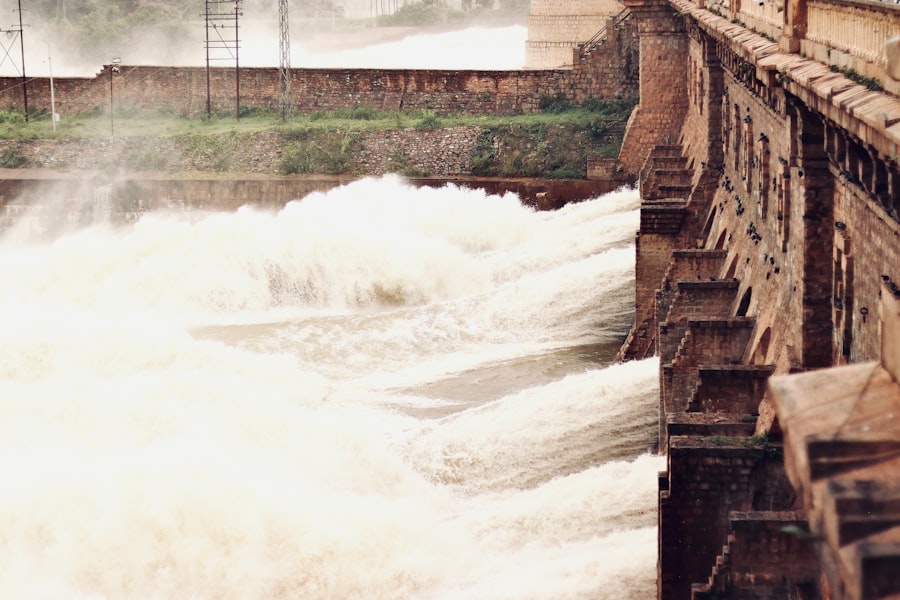
Effective management of hydrology risk in African hydropower hinges on robust and reliable hydrological data. However, historical underinvestment, geographical challenges, and a lack of human capacity have created significant gaps in data collection and monitoring across the continent.
Limited Historical Data and Inconsistent Records
Many hydropower projects in Africa were developed decades ago, and comprehensive, long-term hydrological data may be incomplete or inconsistently recorded. This lack of historical depth makes it difficult to establish reliable baseline conditions and to accurately model future water availability and flow patterns. Without knowing the river’s past, predicting its future becomes a hazardous guesswork.
Sparse Monitoring Networks
The geographical expanse of Africa, coupled with its diverse terrains, presents substantial challenges for establishing and maintaining extensive hydrological monitoring networks. Remote sensing technologies are invaluable, but ground-based measurements from rain gauges, streamflow stations, and water level monitors are essential for ground-truthing and detailed analysis. Many regions lack the necessary infrastructure and resources to support such networks.
Inadequacy of Ground-Based Monitoring
The scarcity of functional and well-maintained ground-based monitoring stations means that real-time data on rainfall, river levels, and discharge is often unavailable or unreliable. This data deficit hampers the ability of dam operators and water resource managers to make timely and informed decisions regarding reservoir operation, flood control, and drought management.
Technical Capacity and Maintenance Issues
Even where monitoring equipment exists, a lack of adequately trained personnel to operate and maintain it, coupled with insufficient funding for repairs and upgrades, can render these systems ineffective. This human and financial capacity gap is a significant impediment to robust hydrological monitoring.
Hydrology risk in Africa’s hydropower sector is a critical issue that affects energy production and water management across the continent. As climate change continues to alter precipitation patterns, understanding these risks becomes essential for sustainable development. For a deeper insight into this topic, you can explore a related article that discusses the challenges and opportunities presented by hydropower in Africa. This article highlights the importance of effective water resource management in mitigating hydrology risks and ensuring reliable energy supply. To read more about these vital issues, visit this article.
Mitigation and Adaptation Strategies
| Country | Hydropower Capacity (MW) | Annual Rainfall (mm) | Hydrology Risk Level | Frequency of Droughts (Years) | Impact on Hydropower Generation (%) |
|---|---|---|---|---|---|
| Egypt | 2,100 | 51 | High | 5-7 | 25 |
| Democratic Republic of Congo | 2,000 | 1,500 | Medium | 10-15 | 10 |
| Ethiopia | 4,300 | 850 | Medium | 7-10 | 15 |
| South Africa | 1,900 | 495 | High | 3-5 | 30 |
| Uganda | 600 | 1,200 | Low | 15-20 | 5 |
| Kenya | 825 | 630 | Medium | 6-8 | 20 |
Addressing the complex web of hydrology risk in African hydropower demands a multi-faceted approach that combines proactive mitigation measures with adaptive strategies. These strategies must be tailored to the specific hydrological and socio-economic contexts of each region and project.
Enhancing Hydrological Monitoring and Data Management
Investing in modern, geographically dispersed hydrological monitoring networks is paramount. This includes the deployment of automated weather stations, streamflow sensors, and remote sensing technologies. Furthermore, developing advanced data management systems and ensuring the availability of trained personnel for data analysis and interpretation are crucial for informed decision-making.
Leveraging Remote Sensing and GIS Technologies
Satellite imagery and Geographic Information Systems (GIS) can provide valuable insights into land use changes, vegetation cover, and surface water dynamics, which are all influenced by hydrological processes. These technologies can help fill data gaps and provide broader spatial coverage.
Capacity Building for Hydrological Professionals
Supporting educational programs and providing on-the-job training for hydrologists, technicians, and water resource managers is essential. This investment in human capital ensures that the continent possesses the expertise to effectively monitor, analyze, and respond to hydrological challenges.
Integrated Water Resources Management (IWRM)
Adopting an Integrated Water Resources Management (IWRM) approach is critical. IWRM promotes a coordinated development and management of water, land, and related resources to maximize the resultant economic and social welfare in an equitable manner without compromising the sustainability of vital ecosystems. This means considering the needs of all water users – including hydropower, agriculture, domestic supply, and the environment – in a holistic manner.
Multi-Sectoral Collaboration and Stakeholder Engagement
Effective IWRM necessitates strong collaboration between government ministries responsible for water, energy, agriculture, and environment, as well as engagement with local communities, private sector actors, and international organizations. Open dialogue and shared decision-making are key to sustainable water management.
Balancing Power Generation with Other Water Demands
Hydropower projects must be designed and operated with an understanding of their impact on downstream water availability for other sectors. This involves optimizing reservoir releases to meet energy demands while also ensuring sufficient water for irrigation, ecosystems, and human consumption, especially during periods of scarcity.
Climate-Resilient Infrastructure and Operational Planning
Hydropower infrastructure must be designed and maintained to withstand the anticipated impacts of climate change. This includes incorporating designs that can accommodate more extreme flood events, and operational plans that can adapt to increased hydrological variability.
Designing for Extreme Events
Dam engineers must consider future climate projections when designing new dams or retrofitting existing ones. This may involve increasing the capacity of spillways, strengthening dam structures, and implementing advanced early warning systems for floods and droughts.
Flexible Reservoir Operation Strategies
Developing flexible reservoir operation strategies that can adapt to changing hydrological conditions is essential. This includes the ability to adjust water releases based on real-time data and forecasts, and to implement emergency procedures during extreme events.
Diversification of Energy Sources
While hydropower is a vital energy source, over-reliance on a single source creates vulnerability. Diversifying Africa’s energy mix to include solar, wind, and geothermal power can enhance energy security and reduce the impact of hydrological fluctuations on the overall energy supply. A balanced energy diet is a more robust energy diet.
The hydrology risk in African hydropower is not an insurmountable obstacle, but a formidable challenge that demands continuous vigilance, informed decision-making, and sustained investment. By embracing a deeper understanding of the continent’s hydrological complexities, acknowledging the profound impacts of climate change, and implementing robust mitigation and adaptation strategies, Africa can continue to harness the power of its rivers, not as a fragile lifeline, but as a resilient engine for sustainable development.
FAQs
What is hydrology risk in the context of hydropower in Africa?
Hydrology risk refers to the uncertainty and variability in water availability, flow patterns, and rainfall that can affect the performance and reliability of hydropower projects in Africa. It includes risks such as droughts, floods, and changes in river flow that impact electricity generation.
Why is hydrology risk significant for hydropower development in Africa?
Hydropower depends on consistent water flow to generate electricity. In Africa, variable climate conditions and changing hydrological patterns can lead to reduced water availability or unexpected floods, which can decrease power output, damage infrastructure, or increase operational costs, making hydropower projects riskier investments.
How do climate change and variability influence hydrology risk in African hydropower?
Climate change can alter rainfall patterns, increase the frequency of extreme weather events, and shift river flow regimes. These changes increase hydrology risk by making water availability less predictable, potentially causing more frequent droughts or floods that affect hydropower generation capacity.
What measures can be taken to mitigate hydrology risk in African hydropower projects?
Mitigation strategies include comprehensive hydrological assessments, designing flexible and resilient infrastructure, incorporating water storage systems, diversifying energy sources, and implementing adaptive management practices to respond to changing water availability and reduce vulnerability.
Are there examples of hydrology risk impacting existing hydropower plants in Africa?
Yes, several hydropower plants in Africa have experienced reduced generation due to prolonged droughts or altered river flows. For instance, the Kariba Dam on the Zambezi River has faced low water levels during drought periods, leading to decreased electricity production and highlighting the importance of managing hydrology risk.