
The intricate tapestry of modern commerce and infrastructure is often woven with threads of contingency planning, a necessity born from the inherent uncertainties of the natural world. Among these uncertainties, hydrological events—ranging from devastating floods to prolonged droughts—pose significant threats to contractual obligations and project timelines. To mitigate the legal and financial repercussions of such unpredictable occurrences, parties frequently incorporate “hydrology force majeure clauses” into their agreements. These clauses serve as a crucial legal mechanism, acknowledging that certain events, beyond the reasonable control of either party, may render contractual performance impossible, impractical, or commercially unviable.
Force majeure, Latin for “superior force,” is a contractual provision excusing one or both parties from fulfilling their obligations when an extraordinary event or circumstance, beyond their control, prevents them from doing so. While general force majeure clauses typically encompass a broad spectrum of events—such as acts of God, war, and epidemics—hydrology force majeure clauses specifically focus on water-related phenomena. These clauses recognize that the variability and intensity of hydrological cycles can profoundly impact project execution, supply chains, and operational continuity.
The Rationale for Specific Hydrology Clauses
The inclusion of specific hydrology force majeure clauses stems from several key considerations. Firstly, general force majeure clauses may not always adequately capture the nuances and complexities of hydrological risks. For instance, a general “act of God” clause might cover an extreme flood but could overlook a less catastrophic yet equally disruptive prolonged period of low water levels essential for navigation or power generation. Secondly, by explicitly listing hydrological events, contracting parties demonstrate a shared understanding and allocation of these specific risks. This clarity reduces ambiguity and potential for dispute if such an event occurs. Thirdly, these clauses often outline specific procedures and remedies tailored to hydrological disruptions, which might not be sufficiently addressed by a more generic provision.
Distinguishing from Frustration of Contract
It is important for the reader to differentiate between a hydrology force majeure event and the doctrine of frustration of contract. While both doctrines relate to the inability to perform contractual obligations due to unforeseen events, they operate under different legal frameworks. Force majeure is a creature of contract; its applicability and effects are dictated by the specific wording agreed upon by the parties. Frustration, conversely, is a doctrine of common law. It applies when an unforeseen event renders performance of the contract impossible or radically different from what the parties contemplated, even in the absence of a force majeure clause. However, the threshold for frustration is generally higher and its application can lead to the termination of the entire contract, whereas a force majeure clause may offer more flexible remedies, such as suspension of performance or extension of time.
In the context of hydrology, understanding force majeure clauses is crucial for managing risks associated with unforeseen natural events that can impact water resources and infrastructure. A related article that delves deeper into this topic can be found at MyGeoQuest, where it discusses the implications of such clauses in contracts and their relevance in the field of hydrology. This resource provides valuable insights for professionals navigating the complexities of environmental contracts and risk management.
Drafting Effective Hydrology Force Majeure Clauses
The efficacy of a hydrology force majeure clause hinges significantly on its precise wording and comprehensiveness. A poorly drafted clause can be a source of significant litigation, rather than a shield against unforeseen hydrological events.
Defining Hydrological Events Broadly and Specifically
A well-crafted hydrology force majeure clause should strike a balance between broad definitions and specific examples. Broad definitions ensure that unforeseen variations of hydrological events are covered, while specific examples provide clarity and reduce ambiguity.
Examples of Covered Events
- Floods: This can include flash floods, riverine floods, coastal floods, and pluvial floods, specifying magnitude thresholds (e.g., “flooding exceeding a 1-in-100-year return period”).
- Droughts: This should encompass prolonged periods of insufficient precipitation, specifying duration and severity (e.g., “drought conditions classified as Severe or Extreme by the U.S. Drought Monitor for a continuous period of X months”).
- Storm Surges: Particularly relevant for coastal projects, specifying height or impact on infrastructure.
- Tsunamis: Large ocean waves caused by undersea earthquakes or volcanic eruptions.
- Extreme Precipitation Events: Including torrential rainfall or snowstorms leading to significant disruption, even if not classified as a “flood.”
- Significant Changes in Water Levels: This can cover both exceptionally high or low river, lake, or groundwater levels that impact navigation, water intake, or structural stability.
- Ice Formation/Breakup: For regions where frozen waterways are relevant, including unusual or prolonged ice conditions affecting shipping or infrastructure.
Exclusions and Limitations
Just as important as defining what is covered is defining what is not covered. Exclusions might include events that are reasonably foreseeable or within the party’s control (e.g., failure to implement common flood protection measures, or inadequate contingency planning for expected seasonal variations). The clause might also specify that events resulting from negligence or willful misconduct are not excusable.
Establishing the Causal Link
For a hydrology force majeure clause to be invoked, there must be a direct causal link between the hydrological event and the inability to perform the contractual obligation. It is not enough for an event to simply occur; it must demonstrably prevent, hinder, or delay performance.
“Prevention, Hindrance, or Delay”
The clause should specify the degree of impact required. Is mere inconvenience sufficient, or must performance be rendered truly impossible? Phrasing like “prevents,” “hinders materially,” or “delays substantially” can be used. The standard is often that the event must render performance commercially impractical or physically impossible, not just more expensive or difficult.
Foreseeability and Mitigable Circumstances
Generally, a force majeure event must be unforeseen and beyond the reasonable control of the affected party. If a party could have reasonably foreseen and mitigated the impact of a specific hydrological event (e.g., through robust flood defenses or alternative water sources), they may not be able to invoke the clause. The clause itself can explicitly state that foreseeable events or those amenable to reasonable mitigation are not covered.
Operationalizing Hydrology Force Majeure Clauses
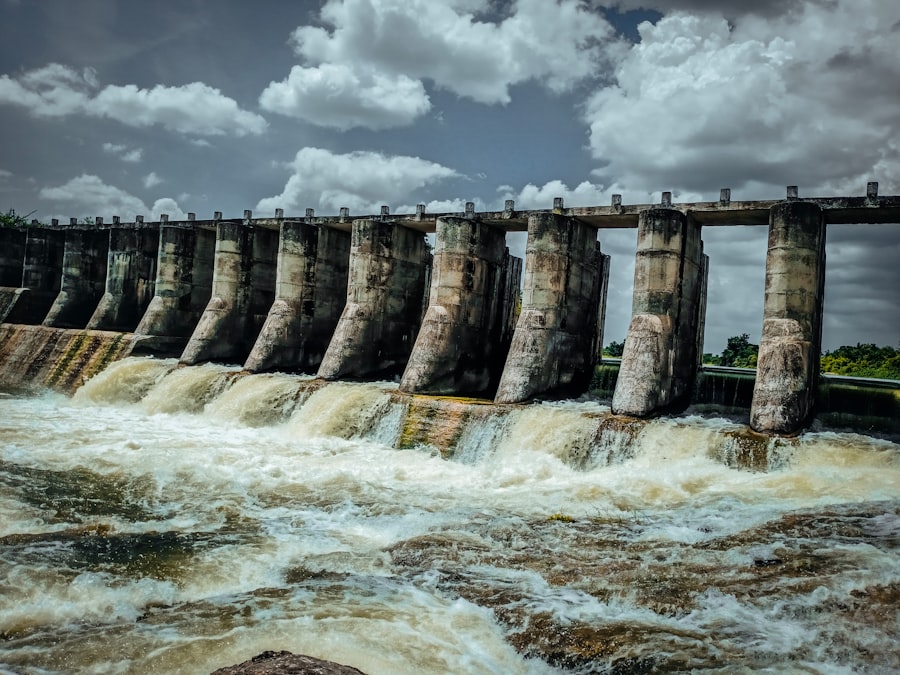
Once a hydrological event occurs, the practical application of a force majeure clause requires careful adherence to procedural requirements and a clear understanding of the remedies available.
Notification Requirements
A critical element of any force majeure clause, including those specific to hydrology, is the requirement for prompt notification. The aggrieved party must typically inform the other party within a specified timeframe of the occurrence of the event and its potential impact.
Timelines and Methods
The clause should stipulate clear timelines for notification (e.g., “within 48 hours of becoming aware of the event”). It should also specify the required method of notification (e.g., in writing, via email, with supporting documentation). Failure to provide timely and proper notice can sometimes lead to the forfeiture of the right to invoke the clause.
Content of Notification
The notice should typically include:
- A detailed description of the hydrological event.
- The date and time of the event’s occurrence.
- The specific contractual obligations affected.
- An estimate of the period for which performance will be impacted.
- Proposed actions to mitigate the impact.
- Certification that the event is beyond the reasonable control of the notifying party.
Mitigation Obligations
Even when a force majeure event occurs, the affected party usually has a continuing obligation to mitigate its effects and resume performance as soon as practically possible. This is a critical component that prevents parties from simply abandoning their duties.
Reasonable Efforts to Minimize Impact
The clause should explicitly state that the affected party must use “reasonable endeavors” or “best efforts” to minimize the effects of the hydrological event and to overcome the force majeure as quickly as possible. This might involve deploying alternative resources, modifying work schedules, or implementing emergency procedures.
Burden of Proof
The burden of proving that a force majeure event has occurred and that all reasonable mitigation efforts have been undertaken typically rests with the party seeking to invoke the clause. This often requires detailed record-keeping and evidence of the event and its impact.
Remedies and Consequences of Invoking Hydrology Force Majeure

The primary purpose of a hydrology force majeure clause is to provide a structured legal framework for dealing with unforeseen hydrological disruptions, offering a range of remedies that are less drastic than immediate contract termination.
Suspension of Performance
The most common consequence of a valid force majeure declaration is the suspension of the affected party’s obligations for the duration of the event. This means their failure to perform during this period does not constitute a breach of contract.
Duration of Suspension
The clause should ideally specify the maximum duration for which performance can be suspended. If the event persists beyond this duration, the parties may have the right to terminate the contract. This prevents indefinite contractual limbo.
Reciprocal Obligations
Consideration should be given to how the suspension of one party’s obligations impacts the reciprocal obligations of the other. For example, if a supplier cannot deliver goods due to a flood, the buyer’s obligation to pay for those goods would also be suspended.
Extension of Time for Performance
Particularly in construction and long-term projects, hydrological force majeure events often lead to delays. The clause should allow for a commensurate extension of time for the completion of works or delivery of services.
Calculation of Extension
The method for calculating time extensions should be clearly defined, perhaps linking it to the actual duration of the impact plus a reasonable period for remobilization.
Impact on Project Milestones
The clause may also address how extensions affect subsequent project milestones or critical path activities.
Cost Implications
While force majeure generally excuses non-performance, it does not typically allocate additional costs incurred due to the event unless explicitly stated. This is a point of frequent negotiation.
Allocation of Costs
The clause can specify which party bears what costs during a force majeure event. For instance, the parties might agree to share additional costs, or that each party bears its own costs. Without specific wording, the default is usually that each party bears its own costs.
Termination for Protracted Force Majeure
If a hydrological force majeure event continues for an unreasonable or predefined period, the clause should provide for the right of either party to terminate the contract. This prevents undue hardship and allows parties to pursue alternative arrangements. The mechanics of such termination, including any final settlements or return of prepayments, should also be outlined.
In the context of hydrology, understanding force majeure clauses is crucial for managing risks associated with unforeseen water-related events. A related article that delves deeper into this topic can be found at MyGeoQuest, where it discusses how these clauses can protect parties involved in contracts from liabilities arising from natural disasters and other significant disruptions. This information is particularly valuable for professionals in the field who need to navigate the complexities of water management and contractual obligations.
Case Studies and Emerging Trends
| Metric | Description | Typical Range/Value | Relevance to Hydrology Force Majeure Clauses |
|---|---|---|---|
| Flood Frequency | Average number of floods occurring in a given period | 1 event per 5-10 years | Determines likelihood of invoking force majeure due to flooding |
| Rainfall Intensity | Amount of rainfall over a specific time period (mm/hr) | 50-200 mm/hr during extreme events | Used to assess severity of hydrological events triggering clauses |
| Drought Duration | Length of time with below-average precipitation | 3-12 months | May qualify as force majeure if impacting water availability |
| River Discharge Rate | Volume of water flowing per second (m³/s) | Varies widely; extreme events can exceed 10,000 m³/s | Helps define thresholds for hydrological disruptions |
| Clause Activation Threshold | Specific hydrological conditions triggering force majeure | Defined per contract, e.g., flood exceeding 100-year return period | Critical for legal enforceability of force majeure claims |
| Notification Period | Timeframe to notify parties of force majeure event | Typically 5-15 days | Ensures timely communication and mitigation efforts |
Examining real-world applications and evolving legal interpretations of hydrology force majeure clauses offers valuable insights into their practical effectiveness and potential pitfalls.
Lessons from Recent Flood Events
Recent catastrophic flood events globally have rigorously tested existing force majeure clauses. In many infrastructure projects, delays and cost overruns attributed to unprecedented rainfall and river levels have sparked disputes over the applicability of these clauses. Key lessons include the necessity for:
- Granular Definitions: General “flood” clauses have proven insufficient when specific types of flooding (e.g., pluvial vs. fluvial) require different mitigation strategies or have varying impacts.
- Robust Data: The need for reliable hydrological data and expert assessments to prove the “unforeseeable” and “beyond control” elements has become paramount.
- Proactive Risk Assessment: Contracts increasingly demand evidence that parties have undertaken thorough hydrological risk assessments during project planning.
The Impact of Climate Change on Foreseeability
Perhaps the most significant emerging trend affecting hydrology force majeure clauses is the impact of climate change. As extreme weather events become more frequent and severe, the concept of “foreseeability” is being re-evaluated.
Shifting Baselines of “Unprecedented”
Historically, “unprecedented” might have referred to once-in-a-century events. However, with observed climate shifts, what was once unprecedented is now becoming more common. This raises the legal question of whether parties should now reasonably anticipate and plan for events that were previously considered extraordinary.
Contractual Adaptations
Contract drafters are increasingly responding by:
- Including specific climate change-related events within force majeure definitions.
- Requiring more sophisticated hydrological modeling and climate projections during the due diligence phase.
- Introducing clauses that allow for contract renegotiation if climate-related hydrological conditions fundamentally alter the basis of the agreement.
- Shifting risk allocation, sometimes requiring the party best able to mitigate climate-related hydrological risks to bear more of the associated costs.
In conclusion, hydrology force majeure clauses are indispensable tools in modern contractual agreements, offering a vital layer of protection against the volatile and often destructive forces of water. For contract drafters and parties alike, a meticulous approach to their formulation, encompassing precise definitions, clear procedural requirements, and thoughtful allocation of risks and remedies, is not merely prudent—it is essential. Given the escalating challenges posed by climate change, the ongoing evolution of these clauses will undoubtedly shape the resilience and adaptability of commercial endeavors in an increasingly unpredictable hydrological landscape. Therefore, understanding and expertly utilizing these clauses is not just a matter of legal compliance but a strategic imperative for navigating the future.
▶️ STOP: The Middle Corridor Is A Death Trap
FAQs
What is a force majeure clause in hydrology contracts?
A force majeure clause in hydrology contracts is a provision that frees both parties from liability or obligation when an extraordinary event or circumstance beyond their control, such as natural disasters or extreme weather conditions, prevents one or both parties from fulfilling their contractual duties.
Which hydrological events are typically covered under force majeure clauses?
Typical hydrological events covered under force majeure clauses include floods, droughts, hurricanes, tsunamis, and other severe water-related natural disasters that can disrupt water supply, infrastructure, or project timelines.
How does a force majeure clause affect contractual obligations in hydrology projects?
When a force majeure event occurs, the affected party may be excused from performing their contractual obligations temporarily or permanently without penalty, depending on the contract terms. This can include delays, suspension of work, or renegotiation of terms.
Are there any limitations to invoking a force majeure clause in hydrology agreements?
Yes, limitations often include the requirement that the event must be unforeseeable, beyond the control of the parties, and unavoidable. Additionally, the affected party usually must notify the other party promptly and take reasonable steps to mitigate the impact.
Why are force majeure clauses important in hydrology-related contracts?
Force majeure clauses are important because hydrology projects are highly susceptible to natural water-related events that can cause significant delays or damage. These clauses provide legal protection and clarity for parties when such uncontrollable events occur, helping to manage risks effectively.