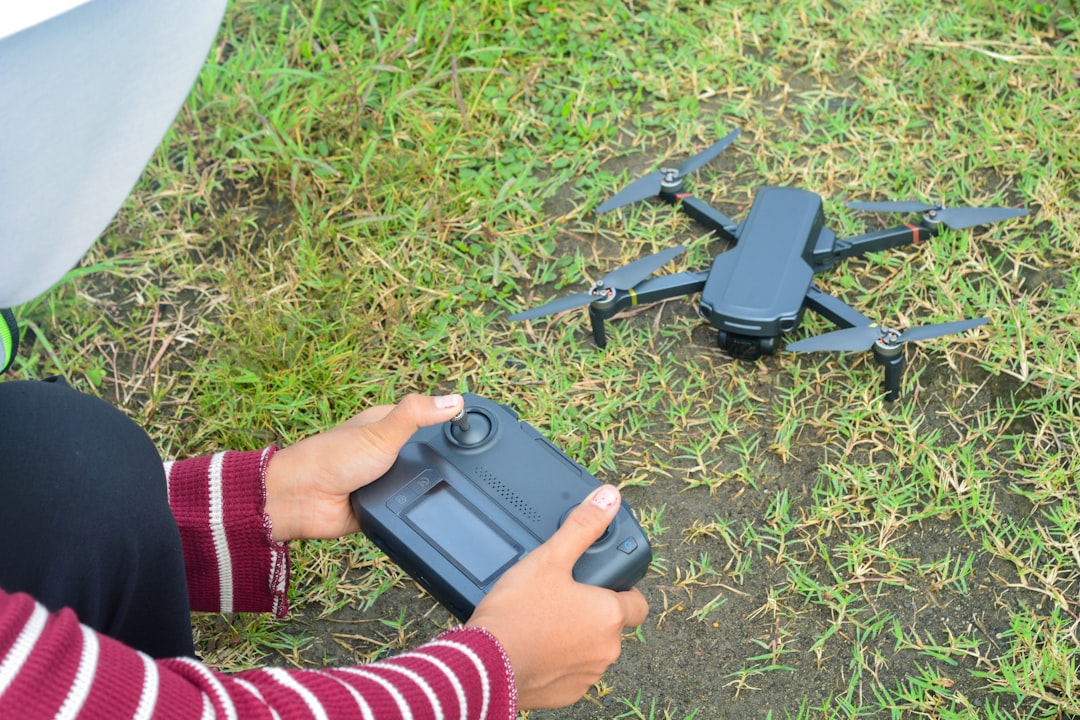
The Houthi movement, an Ansar Allah political and military organization primarily based in Yemen, has increasingly demonstrated a sophisticated and concerning capacity for employing drone technology. This development has had a tangible and disruptive effect on global supply lines, particularly impacting maritime trade routes through the Red Sea and the Bab al-Mandab Strait. What began as a relatively nascent capability has evolved into a significant asymmetrical threat, forcing international powers and shipping companies to re-evaluate security protocols and logistical strategies. The Houthis’ strategic use of unmanned aerial vehicles (UAVs) represents a stark illustration of how technological advancements, even when initially developed by state actors for different purposes, can be adapted and weaponized by non-state groups to exert considerable influence on global commerce and regional stability.
The Houthi movement’s foray into drone technology was not an overnight phenomenon. It stemmed from a complex interplay of factors, including the group’s access to advanced weaponry through various channels and a strategic imperative to counter superior conventional forces. Understanding this evolution is crucial to grasping the current threat landscape.
Early Forays and Iranian Influence
Initial reports and analyses suggest that the Houthis’ drone program benefited significantly from external support, with Iran widely identified as a key facilitator. This assistance is believed to have provided not only technical expertise and training but also potentially the components or even complete drone systems. Early Houthi drones were often described as relatively rudimentary, repurposed from civilian or military models, or assembled from less sophisticated parts. However, even these early iterations served a purpose in reconnaissance and psychological operations.
Technological Advigoration and Indigenous Capabilities
Over time, the Houthi drone arsenal has undergone a notable transformation. There is evidence suggesting a transition from largely imported or refurbished systems to a more developed, and potentially indigenous, manufacturing capability. This involves the reverse-engineering of captured or acquired drone technology and the adaptation of readily available components. This shift has allowed the Houthis to expand their drone fleet and to develop models with improved range, payload capacity, and potentially more advanced guidance systems. The development has been characterized by a pragmatic approach, adapting existing technologies to their specific operational environment and strategic objectives.
The ‘Kamikaze’ Drone Strategy
A significant development in Houthi drone warfare has been the widespread deployment of what are commonly referred to as “suicide” or “kamikaze” drones. These Unmanned Combat Aerial Vehicles (UCAVs) are designed to impact directly on their target, detonating their explosive payload. This strategy offers a cost-effective means of inflicting damage on high-value targets, such as naval vessels and critical infrastructure, without the need for complex missile systems or the risk of losing a pilot. The psychological impact of these drones, with their distinctive buzzing sound and eventual explosion, also contributes to their effectiveness as a deterrent and a tool of intimidation.
Recent developments in Houthi drone technology have raised concerns about the effectiveness of supply lines in the region. An insightful article discussing these advancements and their implications can be found at My Geo Quest. This piece delves into how the Houthis have enhanced their drone capabilities, impacting both military strategies and logistical operations in the area.
Impact on Maritime Supply Lines: A Chokehold on Commerce
The Red Sea and the Bab al-Mandab Strait are arteries of global trade, vital conduits for a significant portion of the world’s oil and manufactured goods. The Houthi drone attacks have transformed these crucial waterways into zones of increased risk and uncertainty, significantly disrupting the flow of commerce.
Targeting Vessels and Infrastructure
The Houthis have directly targeted commercial vessels transiting the Red Sea. These attacks, often launched from coastal areas or offshore platforms, aim to damage or disable ships, forcing them to divert or cease operations. The scale and frequency of these attacks have led major shipping companies to either suspend voyages or reroute their vessels around the longer and more expensive route via the Cape of Good Hope. This has created a cascade of effects across global supply chains.
Increased Shipping Costs and Delays
The rerouting of ships has led to a substantial increase in shipping costs. Longer transit times mean higher fuel consumption, increased crew costs, and longer periods before cargo can reach its destination. This economic burden is ultimately passed on to consumers in the form of higher prices for goods. Furthermore, the delays inherent in these longer journeys contribute to a general slowdown in global trade, impacting production schedules and potentially exacerbating inflationary pressures. The intricate web of global logistics, a finely tuned engine of modern commerce, has been thrown out of balance.
Strategic Importance of the Bab al-Mandab Strait
The Bab al-Mandab Strait, a narrow maritime chokepoint connecting the Red Sea to the Gulf of Aden and the Arabian Sea, is exceptionally vulnerable to such attacks. Control or significant disruption of this strait has a disproportionate impact on global trade due to its strategic location. The Houthis’ ability to project force into this region with drones represents a significant challenge to the established order and the free flow of maritime traffic. The strait acts as a gatekeeper, and the Houthis have placed a formidable blockade at its entrance.
The Houthi Drone Arsenal: Capabilities and Limitations
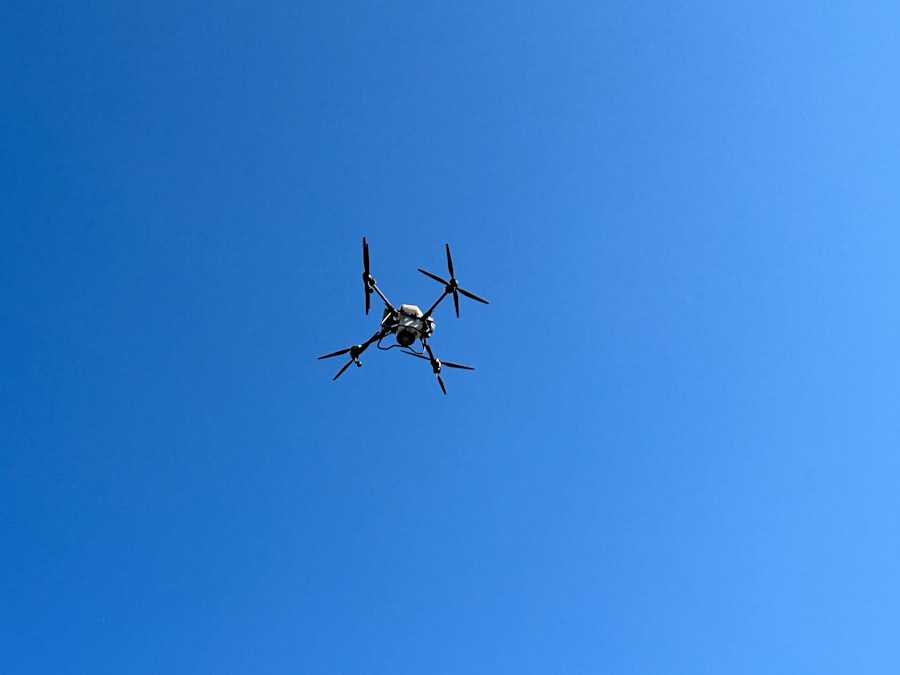
While the Houthi drone program has proven disruptive, it is important to understand the specific capabilities and limitations of their arsenal. This nuanced understanding is crucial for developing effective countermeasures and for assessing the true extent of their threat.
Varieties of Drone Systems
The Houthi drone arsenal is not monolithic. It encompasses a range of systems, from smaller reconnaissance drones to larger, explosively-laden UCAVs. These include models that are believed to be based on Iranian designs such as the “Shahed” series, as well as indigenous designs that have been developed and adapted by the Houthis themselves. The diversity of their drone fleet allows for a flexible approach to different targets and operational requirements.
Guidance and Targeting Precision
The precision of Houthi drone attacks has been a subject of considerable debate and analysis. While some attacks have been demonstrably accurate, others have resulted in near misses or have impacted unintended areas. The sophistication of their guidance systems, whether based on GPS, inertial navigation, or other methods, is an evolving factor. However, even with less-than-perfect precision, the effectiveness of the drones lies in their sheer volume and their ability to saturate defenses. The unpredictable nature of their trajectories can also be a tactical advantage.
Countermeasure Challenges
Defending against drone attacks presents significant challenges for naval vessels and coastal defenses. Traditional anti-missile systems can be effective, but the proliferation of drones, coupled with their relatively low cost and small radar cross-section, can overwhelm these defenses. The Houthis’ strategy of employing large numbers of drones in coordinated attacks further complicates interception efforts. This asymmetrical advantage allows them to exploit the financial and logistical challenges of maintaining comprehensive drone defense systems.
International Responses and Countermeasures
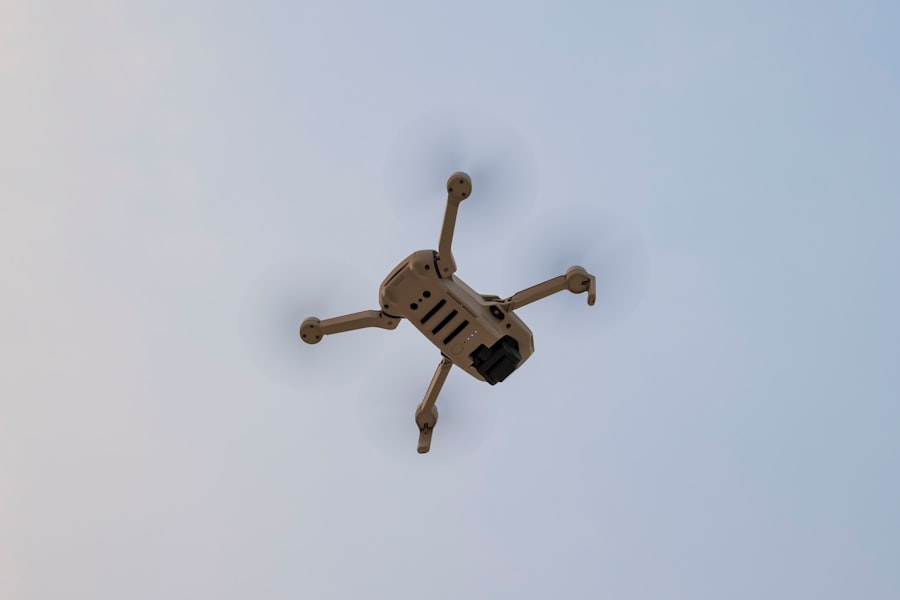
The escalating threat posed by Houthi drone attacks has prompted a multifaceted international response, involving military actions, diplomatic efforts, and attempts to disrupt the flow of weapons and technology to the Houthis.
Military Interventions and Deterrence
Coalition forces, primarily those of the United States and the United Kingdom, have undertaken military actions against Houthi targets, including drone launch sites, command centers, and weapon depots. These interventions are aimed at degrading the Houthis’ ability to launch attacks and at deterring future aggression. Naval patrols and defensive measures have also been significantly enhanced to protect shipping. However, the persistent nature of the threat highlights the difficulties in achieving complete deterrence.
Diplomatic and Sanction Efforts
Beyond military action, international diplomatic efforts have focused on de-escalating the conflict in Yemen and on imposing sanctions to curb the supply of drones and related components to the Houthis. These sanctions aim to cut off the flow of resources that fuel the Houthi drone program. However, the effectiveness of these sanctions is often hampered by the complex nature of illicit trade routes and the adaptability of the Houthis’ procurement networks. Finding the cracks in the global financial system is a perpetual challenge for those seeking to impose restrictions.
Enhancing Maritime Security
Efforts to enhance maritime security include increased naval presence in the Red Sea and the implementation of advanced surveillance and early warning systems. Shipping companies are also urged to adopt enhanced security protocols, including the use of armed security personnel and evasive maneuvers. The ongoing innovation in drone technology necessitates a constant evolution of defensive strategies. The cat and mouse game of technological advancement and countermeasure development continues.
Recent developments in Houthi drone technology have raised concerns about their evolving capabilities and the implications for regional security. A detailed analysis of their supply lines and the sources of their drone components can be found in a related article that explores how these advancements are impacting the geopolitical landscape. For more insights, you can read the full article here. Understanding these dynamics is crucial for assessing the broader implications of Houthi operations in the region.
Geopolitical Ramifications and Future Outlook
| Metric | Details |
|---|---|
| Drone Types | Qasef-1, Samad-1, Samad-2, Samad-3, and other custom UAVs |
| Range | Up to 1,500 km (for advanced models like Samad-3) |
| Payload Capacity | Approximately 30-50 kg (explosives or surveillance equipment) |
| Primary Supply Sources | Iran (technology transfer and components), local manufacturing in Yemen |
| Supply Line Routes | Land routes through Oman and Saudi Arabia borders, sea routes via Red Sea ports |
| Manufacturing Facilities | Hidden workshops in northern Yemen, including Sana’a and Saada provinces |
| Operational Use | Targeting Saudi Arabia, UAE, and Yemeni government forces |
| Countermeasures | Saudi-led coalition air defenses, electronic jamming, and drone interception systems |
The Houthi drone campaign has far-reaching geopolitical implications, extending beyond the immediate disruption of trade to influence regional power dynamics and international security concerns.
Regional Instability and Power Plays
The Houthi attacks are intrinsically linked to the broader conflict in Yemen and the wider regional power struggles involving Iran and Saudi Arabia. The Houthis’ demonstrated capability to project force and disrupt global shipping has elevated their strategic importance and emboldened their allies, while simultaneously increasing tensions with regional adversaries. The Red Sea, once a silent witness to global commerce, has become a stage for proxy warfare.
The Future of Asymmetrical Warfare
The Houthi experience serves as a compelling case study in the growing effectiveness of asymmetrical warfare. As drone technology becomes more accessible and sophisticated, the ability of state and non-state actors to disrupt established military and economic systems will likely increase. This trend poses a significant challenge to traditional notions of warfare and security, demanding a re-evaluation of defense strategies and international cooperation. The battlefield is no longer confined to geographical borders; it has become a digital and aerial domain as well.
The Long-Term Impact on Global Trade
The long-term impact of these disruptions on global trade remains to be seen. If the threat persists, it could lead to a permanent shift in shipping routes, a diversification of supply chains away from vulnerable chokepoints, and a greater investment in autonomous defensive technologies. The resilience and adaptability of global commerce will be tested, and the lessons learned from this period will undoubtedly shape the future of international trade and security. The ripple effects of these drone attacks will likely be felt for years to come, a testament to the disruptive power of a determined and resourceful adversary.
FAQs
What type of drones are used by the Houthi movement?
The Houthi movement primarily uses unmanned aerial vehicles (UAVs) that range from small reconnaissance drones to larger armed drones capable of carrying explosives. Many of these drones are believed to be either locally manufactured or modified versions of commercially available models.
How do the Houthis acquire drone technology?
The Houthis obtain drone technology through a combination of local manufacturing, reverse engineering, and external support. Reports suggest that some components and technical assistance may come from foreign allies, enabling them to enhance their drone capabilities.
What are the main purposes of Houthi drones?
Houthi drones are mainly used for surveillance, intelligence gathering, and targeted attacks. They have been deployed to strike military installations, infrastructure, and supply lines of opposing forces in the Yemeni conflict.
How do supply lines affect the Houthi drone operations?
Supply lines are critical for the Houthi drone operations as they provide the necessary materials, components, and technical support needed to build, maintain, and deploy drones. Disruptions to these supply lines can limit their operational capabilities.
What measures are taken to counter Houthi drone threats?
Countermeasures against Houthi drones include the use of electronic warfare to jam drone communications, deploying anti-drone defense systems, and targeting supply routes to prevent the acquisition of drone parts and technology. Regional and international forces actively work to mitigate the threat posed by these drones.