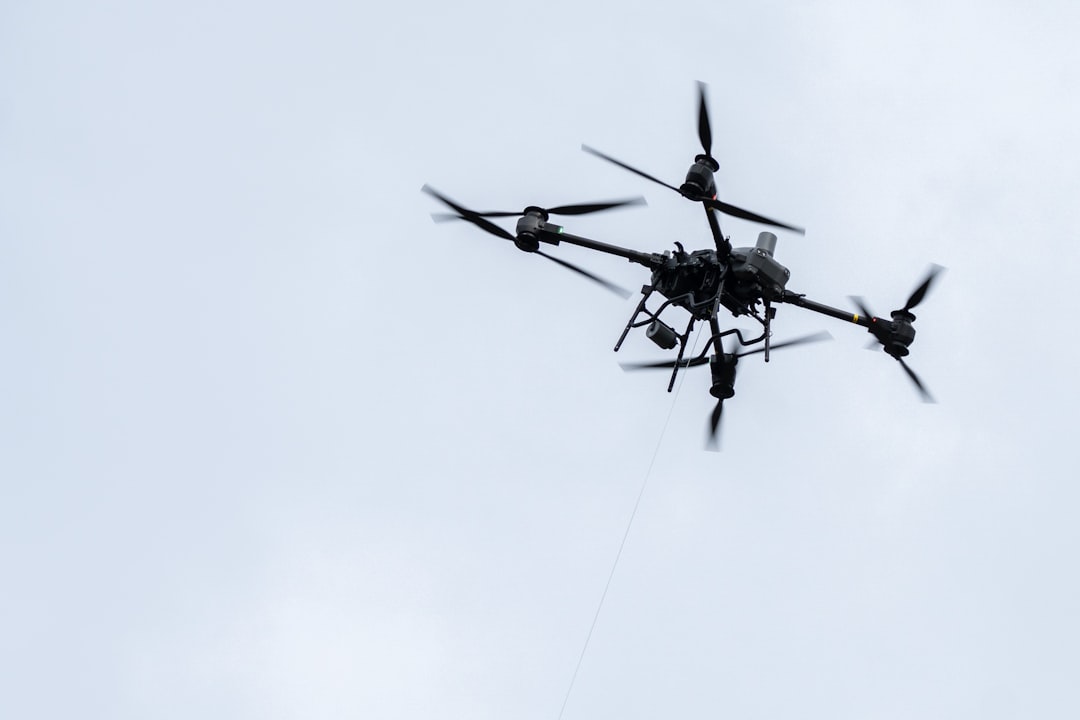
The rise of drone warfare has fundamentally altered the landscape of modern conflict. While once the exclusive domain of state actors, this technology has proliferated, finding its way into the arsenals of non-state actors and insurgent groups. Among these, the Houthis in Yemen have emerged as a prominent and evolving threat, particularly concerning naval operations. Their adept utilization of drone swarm tactics poses significant challenges to conventional naval defense strategies, compelling navies worldwide to reassess their vulnerabilities and response mechanisms. This article will delve into the intricacies of Houthi drone swarm tactics, exploring their technical capabilities, operational methodologies, established precedents, and the broader implications for maritime security.
The Houthis, officially known as Ansar Allah, have demonstrably invested in and developed a sophisticated array of unmanned aerial vehicles (UAVs) and unmanned surface vehicles (USVs). Initially reliant on rudimentary, off-the-shelf components, their drone program has matured considerably, showcasing an increasing indigenous manufacturing capacity and a growing understanding of advanced warfare concepts.
Indigenous Development and Proliferation
Houthi drone development is characterized by a blend of reverse engineering, external technical assistance, and local innovation. While precise details remain elusive due to the clandestine nature of their operations and supply chains, evidence suggests a strong influence from Iranian drone technology. Components are often sourced commercially, then adapted and integrated for military applications. This “kit-building” approach allows for rapid prototyping and deployment, circumventing traditional arms embargoes and procurement challenges. The sheer volume of drones intercepted or deployed indicates a significant production capability.
Categorization of Houthi Drones
Houthi drones can generally be categorized into several types, each optimized for specific missions, ranging from reconnaissance to direct attack.
Reconnaissance and Surveillance Drones
These drones provide critical intelligence gathering capabilities, enabling the Houthis to monitor naval movements, identify potential targets, and assess the effectiveness of their attacks. They often possess extended flight durations and electro-optical/infrared (EO/IR) sensors, offering real-time situational awareness. The information gathered informs strategic planning and target prioritization for subsequent strike operations.
Loitering Munitions (Suicide Drones)
Often referred to as “suicide drones,” these UAVs are designed to loiter over a target area before initiating a pre-programmed attack. They carry an explosive warhead and are designed for a one-way mission. The Houthis have demonstrated a growing proficiency in deploying these munitions, often in conjunction with other attack vectors. The Ababil and Shahed series, albeit modified, are examples of designs or concepts that have appeared in the Houthi arsenal.
Unmanned Surface Vehicles (USVs)
Beyond aerial threats, the Houthis have also employed USVs, sometimes laden with explosives. These vessels, though less numerous than their aerial counterparts, represent a distinct threat vector, particularly in confined waterways. They can be stealthy and difficult to detect, offering a low-cost, high-impact weapon against larger naval assets. The convergent nature of these threats—from the air and sea—multiplies the complexity for naval defenders.
In recent discussions about modern warfare, the tactics employed by the Houthi forces in utilizing drone swarms against naval targets have garnered significant attention. These strategies highlight the evolving nature of maritime conflict and the challenges faced by traditional navies in countering such asymmetric threats. For a deeper understanding of this topic, you can read a related article that explores the implications of drone warfare on naval operations at this link.
Understanding Drone Swarm Tactics
The Houthi’s primary innovation in deploying these drones lies not merely in their individual capabilities, but in their coordinated use as swarms. A drone swarm, conceptually, is analogous to a predatory pack, where individual weakness is overcome by collective strength and synergistic action.
Defining a Drone Swarm
A drone swarm involves the orchestrated deployment of multiple unmanned systems, often operating autonomously or semi-autonomously, to achieve a specific objective. The key characteristics include numerical superiority, coordinated behavior, and often, emergent properties that arise from their collective interaction. Unlike individual drone attacks, which prioritize precision, swarm attacks emphasize overwhelming defenses through sheer volume and synchronized action.
Advantages of Swarm Deployment
The utilization of swarm tactics confers several distinct advantages upon the Houthis, presenting a formidable challenge to even technologically superior adversaries.
Overwhelming Defensive Systems
Naval vessels are equipped with sophisticated point-defense systems, ranging from close-in weapon systems (CIWS) to electronic warfare measures. However, these systems have inherent limitations in engagements per unit of time. A drone swarm, consisting of dozens or even hundreds of individual platforms, can saturate these defenses, presenting more targets than a ship can effectively engage simultaneously. This saturation effect creates windows of vulnerability for individual drones to penetrate defenses and strike.
Exploiting Gaps in Radar Coverage
Smaller drones possess a lower radar cross-section (RCS) and can operate at low altitudes, making them difficult to detect by conventional naval radar systems. When deployed in a swarm, this challenge is amplified. The sheer number of small, fast-moving objects can create a cluttered radar picture, making it difficult for operators to distinguish between genuine threats and benign clutter, or to accurately track individual drones amidst the chaos.
Resource Depletion
Each defensive munition, whether a missile or a CIWS round, represents a finite resource. A prolonged drone swarm attack can rapidly deplete a ship’s ammunition stores, leaving it vulnerable to subsequent waves of attack or other threats. This “magazine depth” issue is a critical vulnerability that swarm attacks exploit.
Psychological Impact
Beyond the physical damage, drone swarm attacks exert a significant psychological toll on ship crews. The constant threat, the rapid engagement cycle, and the sheer volume of incoming threats can induce stress and fatigue, potentially leading to errors in judgment or delayed responses. The relentless nature of a swarm can feel like an omnipresent threat, chipping away at morale.
Operational Methodologies and Attack Profiles
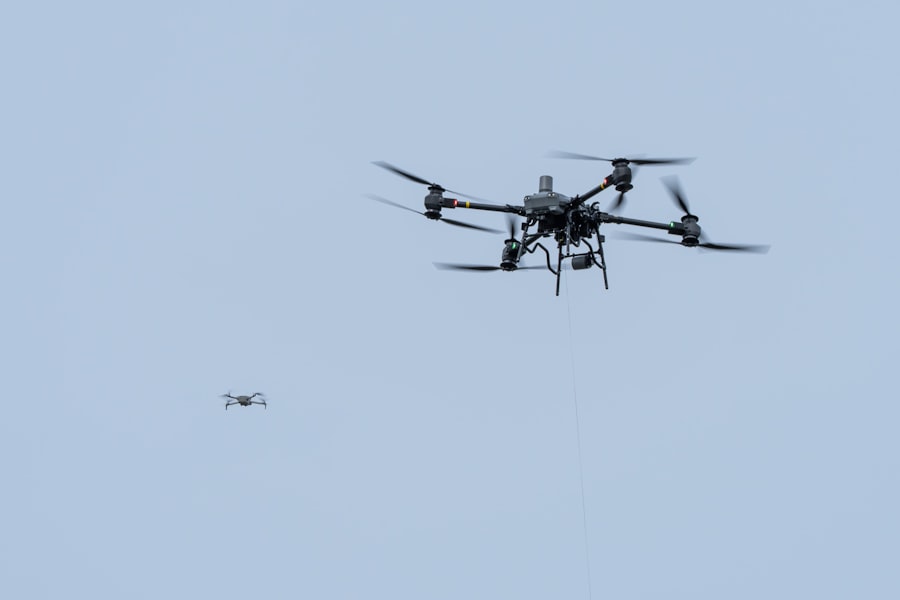
Houthi drone swarm attacks are not random; they often follow discernible patterns and employ specific attack profiles designed to maximize their effectiveness. Understanding these methodologies is crucial for developing effective countermeasures.
Coordinated Multi-directional Attacks
To further complicate defensive efforts, Houthi drone swarms frequently launch from multiple directions simultaneously. This forces naval vessels to divide their defensive resources across several axes, thinning their overall defensive umbrella. A multi-directional attack makes it exceedingly difficult for a ship to orient its primary defensive systems towards all incoming threats simultaneously.
Employing Different Drone Types in Tandem
The Houthis have shown an increasing sophistication in employing a combination of drone types within a single attack. For instance, a reconnaissance drone might provide targeting data, followed by a wave of loitering munitions, potentially preceded by decoys or electronic warfare drones designed to jam or confuse ship sensors. This multi-layered approach maximizes the chances of successful penetration.
Low-Altitude and Sea-Skimming Approaches
Many Houthi drones are observed to approach targets at very low altitudes, oftentimes sea-skimming. This strategy leverages the Earth’s curvature to delay radar detection until the drones are very close, thereby reducing the time available for defensive action. This “pop-up” threat scenario compresses the decision-making cycle for naval command.
Night Operations and Adverse Weather Conditions
The Houthis frequently conduct drone swarm attacks under the cover of darkness or in adverse weather conditions. These conditions naturally impair visual observation and can degrade the performance of certain sensor systems, further enhancing the drones’ survivability and the difficulty of interception. The cover of night acts as a natural cloak for their operations.
Precedents and Lessons Learned for Navies
The ongoing Houthi actions in the Red Sea and Gulf of Aden serve as a live laboratory, offering invaluable, albeit costly, lessons for global navies. These engagements are shaping the future of naval warfare doctrine and technological development.
Vulnerabilities of Conventional Air Defense Systems
The numerous successful Houthi drone and missile attacks against commercial and naval vessels highlight the inherent vulnerabilities of conventional air defense systems designed primarily to counter more traditional aerial threats like manned aircraft or sophisticated anti-ship missiles. The small size, low cost, and sheer numbers of Houthi drones challenge the economic and operational paradigm of naval air defense. A multi-million dollar interceptor missile against a few thousand dollar drone is not a sustainable exchange rate in the long term.
The Need for Layered Defense Systems
Navies are increasingly recognizing the imperative for truly layered defense systems, encompassing not just traditional missile and CIWS capabilities, but also advanced electronic warfare (EW), directed energy weapons (DEW) like lasers, and even specialized drone interception drones. Each layer is designed to counter different aspects of a swarm attack, creating a comprehensive defensive shield.
Importance of Robust Intelligence and Early Warning
Timely and accurate intelligence regarding Houthi drone launch sites, operational patterns, and technical capabilities is paramount. Effective early warning systems, including enhanced radar capabilities optimized for small, low-flying targets, are critical to providing ships with sufficient reaction time to engage incoming threats. This intelligence acts as a crucial first line of defense, allowing for anticipatory measures.
Training and Doctrine Adaptation
The relentless nature of Houthi attacks necessitates significant adaptations in naval training and doctrine. Sailors must be proficient in rapidly identifying and engaging multiple small targets in complex environments. Decision-making processes need to be streamlined, and crews must be prepared for sustained engagements against novel threat vectors. The human element, therefore, remains central, even amidst technological advancements.
In recent discussions about modern warfare, the effectiveness of Houthi drone swarm tactics against naval forces has garnered significant attention. These tactics showcase the evolving nature of asymmetric warfare, where smaller, less conventional forces leverage technology to challenge traditional military powers. A related article that delves deeper into this subject can be found at My Geo Quest, where the implications of such strategies on global naval operations are explored in detail. Understanding these developments is crucial for military analysts and strategists alike as they navigate the complexities of contemporary conflict.
The Broader Implications for Maritime Security
| Metric | Houthi Drone Swarm Tactics | Navies’ Countermeasures |
|---|---|---|
| Number of Drones per Swarm | 10-30 drones | Detection and engagement of multiple targets simultaneously |
| Drone Types | Small, low-cost, explosive-laden UAVs | Use of electronic warfare and kinetic interceptors |
| Swarm Attack Strategy | Coordinated saturation attacks to overwhelm defenses | Layered defense systems combining radar, EW, and missile interceptors |
| Range of Drones | Up to 150 km operational range | Extended radar and early warning systems to detect threats at distance |
| Speed | Low to moderate speed (50-100 km/h) | Use of rapid-response close-in weapon systems (CIWS) |
| Effectiveness | Capable of damaging or disabling small to medium naval vessels | Effectiveness depends on integration of multi-layered defense and crew training |
| Electronic Warfare (EW) Usage | Limited but evolving use of jamming and GPS spoofing | Advanced EW suites to jam or hijack drone control signals |
| Cost per Drone | Relatively low-cost (hundreds to a few thousand USD) | High cost of defense systems and interceptors |
The Houthi’s innovative application of drone swarm tactics extends beyond the immediate theater of the Red Sea, casting a long shadow over global maritime security. Their actions serve as a stark warning and a potential blueprint for other non-state actors and even state rivals.
Proliferation of Drone Swarm Technology
The success, however partial, of Houthi drone swarm tactics will undoubtedly inspire other malign actors to acquire or develop similar capabilities. The relatively low cost and accessibility of components, coupled with sophisticated open-source intelligence and technical knowledge, make this a readily transferable threat. This proliferation risk represents a significant long-term concern for all maritime nations.
Impact on Commercial Shipping and Global Trade
The Houthi attacks have already had a tangible impact on global commercial shipping, leading to diversions around the Cape of Good Hope, increased insurance premiums, and disruptions to supply chains. Further successful drone swarm attacks could escalate these economic consequences, destabilizing international trade routes and impacting global economies. The free flow of commerce is the lifeblood of global prosperity, and this threat directly imperils it.
Redefining Naval Engagement and Doctrine
Naval doctrine, historically shaped by encounters between conventional surface combatants, aircraft, and submarines, is undergoing a profound re-evaluation. The emergence of asymmetric drone swarm threats necessitates new strategies for force protection, offensive strike, and power projection. The future naval battlespace will be characterized by a greater emphasis on counter-UAS capabilities and resilient network architectures.
The Challenge to Deterrence
Traditional notions of deterrence, built upon the projection of overwhelming naval power, are challenged by low-cost, high-impact drone swarm attacks. While a state-of-the-art destroyer can theoretically defeat a swarm, the economic disparity between the attacker’s weapon and the defender’s interceptor erodes the deterrent effect over time. This imbalance compels a re-thinking of what constitutes effective deterrence in the face of such asymmetric threats.
In conclusion, the Houthi’s deployment of drone swarm tactics against naval targets represents a pivotal moment in modern warfare. It underscores the ongoing evolution of military technology and the ingenuity of non-state actors in exploiting technological advancements. Navies worldwide must internalize the lessons learned from the Red Sea, investing in advanced counter-UAS capabilities, refining intelligence gathering, adapting tactical doctrines, and fostering international cooperation to mitigate this escalating threat. The metaphor of the “swarm” neatly encapsulates the nature of this challenge: not a single, powerful blow, but a thousand stinging needles, each individually manageable, but collectively capable of wearing down and incapacitating even the most formidable of adversaries. The future of maritime security hinges on understanding and effectively countering this asymmetric and rapidly evolving menace.
FAQs
What are Houthi drone swarm tactics?
Houthi drone swarm tactics involve the use of multiple unmanned aerial vehicles (UAVs) operating simultaneously to overwhelm and confuse enemy defenses. These drones are often deployed in coordinated attacks to target naval vessels and infrastructure.
How do Houthi drone swarms affect naval operations?
Houthi drone swarms pose significant challenges to naval operations by saturating defense systems, making it difficult for ships to intercept all incoming threats. This can lead to increased vulnerability of naval vessels to missile strikes, reconnaissance, and electronic warfare.
What types of drones are commonly used by the Houthis in swarm tactics?
The Houthis typically use small, commercially available drones modified for military purposes, including reconnaissance and armed drones capable of carrying explosives. These drones are often inexpensive and can be deployed in large numbers.
How do navies defend against Houthi drone swarm attacks?
Navies employ a combination of electronic warfare, radar detection, close-in weapon systems (CIWS), and coordinated counter-drone tactics to defend against swarm attacks. Developing advanced detection and interception technologies is critical to mitigating the threat.
What is the strategic significance of Houthi drone swarm tactics in regional conflicts?
Houthi drone swarm tactics provide a cost-effective asymmetric warfare capability, allowing them to challenge more technologically advanced naval forces. This strategy can disrupt shipping lanes, threaten military assets, and influence regional power dynamics in conflict zones such as the Red Sea and Gulf of Aden.