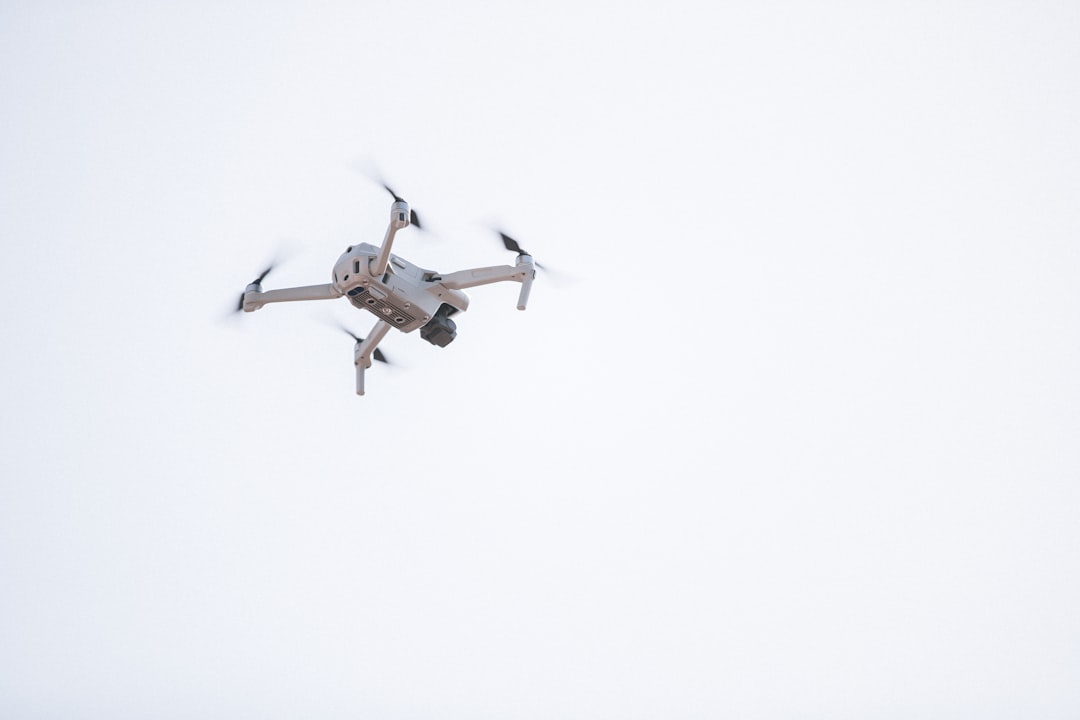
Houthi drone attacks have escalated into a significant threat to global cargo shipping, transforming vital maritime arteries into zones of heightened risk. These seemingly small unmanned aerial vehicles, armed with explosives, are projecting the conflict in Yemen onto a much larger stage, impacting international trade, insurance markets, and the accessibility of goods worldwide. For those involved in the logistics of moving goods across oceans, and indeed for consumers who rely on these supply chains, understanding the nature and implications of these attacks is paramount.
The Houthi movement, an Ansar Allah political and military organization based in Yemen, has demonstrated a growing sophistication in its aerial offensive capabilities. What began as a localized insurgency has now bloomed into an asymmetric warfare strategy that directly challenges the freedom of navigation for commercial vessels traversing strategically important waterways, particularly the Red Sea and the Gulf of Aden. This disruption is not a mere inconvenience; it represents a fundamental challenge to the established order of global commerce, where the swift and predictable movement of goods dictates economic stability.
The Strategic Landscape: Red Sea and Bab al-Mandab Strait
The Red Sea, a narrow body of water connecting the Indian Ocean to the Mediterranean Sea via the Suez Canal, is one of the world’s most crucial maritime routes. It facilitates an estimated 12% of global trade, encompassing a vast array of commodities from oil and gas to manufactured goods and agricultural products. Hugging the western edge of the Arabian Peninsula and bordering the Horn of Africa, the Red Sea’s southern gateway is the Bab al-Mandab Strait, a chokepoint of immense strategic significance. This narrow channel, at its slimmest point only about 18 miles wide, is a critical bottleneck for vessels proceeding to and from the Suez Canal. Control or influence over this strait provides a significant leverage point, a fact the Houthis have acutely understood and exploited.
The Suez Canal: A Lifeline of Global Trade
The Suez Canal, an artificial sea-level waterway in Egypt, is arguably the most vital maritime link in the world. It allows ships to travel between Europe and Asia without circumnavigating Africa, saving both time and fuel. The canal handles a substantial portion of container traffic and is a primary conduit for oil and gas shipments from the Middle East to Europe. Any disruption to traffic through the Suez Canal, even a temporary one, sends ripples of economic shockwaves across the globe. The Houthi attacks, by creating insecurity in the waters leading to the canal, directly threaten its operational integrity. Imagine the Suez Canal as the heart of global trade. The Red Sea and the Bab al-Mandab Strait are its major arteries. The Houthi drone attacks are like a persistent, invasive disease targeting these arteries, constricting the flow and jeopardizing the overall health of the system.
The Bab al-Mandab Strait: A Gateway Under Siege
The Bab al-Mandab Strait’s proximity to conflict zones and its geographical constraints make it particularly vulnerable. The Houthis, operating from Yemen’s coastal areas, are strategically positioned to launch attacks against vessels transiting through the strait. The narrowness of the channel leaves little room for evasion, and the limited visibility in some conditions can further complicate defensive maneuvers for ships. The strait has historically been a point of geopolitical contention, and the current drone attacks have amplified these concerns, turning a waterway into a potential battlefield for asymmetric warfare.
Houthi Capabilities: From Improvised to Sophisticated
The evolution of Houthi drone technology and deployment tactics has been a key factor in their increasing effectiveness. Initially reliant on simpler, less advanced systems, the movement has demonstrably improved its capabilities, suggesting a learning curve and potential external support. Their drones, often described as “suicide drones” or “kamikaze drones,” are designed to detonate on impact, inflicting damage on their targets. The range and payload capacity of these drones have also seen upgrades, allowing them to pose a threat to a wider array of vessels further from Yemen’s coast.
Types of Drones Employed
The Houthis are known to utilize a variety of unmanned aerial vehicles. These range from relatively inexpensive, commercially available drone platforms modified for military purposes to more sophisticated, purpose-built Iranian-supplied drones. The Shahed series of drones, such as the Shahed-136, have been widely reported as being part of the Houthi arsenal. These drones are characterized by their relatively long range, ability to carry substantial explosive payloads, and their loitering capabilities, allowing them to circle a target area before striking. The effectiveness of these drones lies in their sheer numbers and their ability to overwhelm a ship’s defenses.
Guidance and Targeting Systems
While specific details are often classified or difficult to verify, reports suggest that Houthi drones employ various guidance systems. These can include GPS, inertial navigation systems (INS), and potentially optical or infrared sensors for terminal guidance. The ability of these drones to independently navigate towards a target, or to be actively controlled by operators, significantly increases their threat profile. Sophisticated targeting allows them to aim for critical areas of a vessel, maximizing the potential for disruption. This precision, even with a relatively unsophisticated platform, can be a devastating weapon.
The Impact on Global Shipping and Trade
The Houthi drone attacks have not been isolated incidents; they represent a persistent and growing threat that has forced significant adjustments within the global shipping industry. The economic consequences are far-reaching, impacting everything from freight rates to insurance premiums and ultimately the cost of goods for consumers.
Rerouting and Increased Transit Times
The most immediate and visible impact of the Houthi attacks has been the rerouting of vessels away from the Red Sea. Many major shipping lines, faced with unacceptable risks, have opted to sail around Africa via the Cape of Good Hope. This detour adds weeks to journey times, significantly increasing fuel consumption and operational costs. This has led to cascading effects on supply chains, causing delays in the delivery of goods and creating backlogs at ports. The extended routes are like adding enormous detours to already long journeys, making an already arduous trip even more costly and time-consuming.
Soaring Insurance Premiums and War Risk Cover
The increased danger in the region has directly translated into soaring insurance costs for vessels operating in or transiting through the affected waters. War risk insurance premiums have skyrocketed, making it considerably more expensive to insure cargo and vessels. For some, obtaining adequate insurance coverage has become a challenge in itself. This financial burden is often passed on to consumers in the form of higher shipping costs and, consequently, higher prices for goods. The insurance market, like a sensitive barometer, is immediately registering the increased peril.
Delays and Shortages of Goods
The combination of rerouting and increased transit times has led to significant delays in the delivery of a wide range of products. This can result in temporary shortages of certain goods in various markets, impacting both businesses and consumers. The intricate web of global supply chains, designed for efficiency and predictability, is being strained by these disruptions. Imagine a vast river system that normally flows smoothly. The Houthi attacks are like strategically placed dams and blockades, disrupting the natural flow and causing water levels to fluctuate unpredictably.
Geopolitical Ramifications and International Response
The Houthi drone attacks have transcended a purely regional conflict, drawing in international actors and prompting varied responses. The attacks are not just against cargo ships; they are against freedom of navigation and the global economic order.
Operation Prosperity Guardian and Maritime Security Efforts
In response to the escalating threat, a coalition of nations, led by the United States, launched Operation Prosperity Guardian. This multinational maritime security initiative aims to deter and disrupt Houthi attacks in the Red Sea and Gulf of Aden. Naval forces from various countries are patrolling the waters, intercepting drones and missiles, and escorting commercial vessels. The success of such operations is critical in restoring confidence and ensuring the continued flow of trade. This operation is akin to a rapid response medical team being deployed to treat a critical patient, aiming to stabilize the situation and prevent further deterioration.
Challenges in Countering Asymmetric Threats
Countering asymmetric threats like drone attacks presents significant challenges for conventional military forces. Drones are often small, difficult to detect, and can be launched from dispersed locations, making them a persistent and elusive adversary. The Houthis’ ability to adapt their tactics and technologies also complicates defensive strategies. The sheer volume of attacks and the need for constant vigilance place immense pressure on maritime security forces. It’s like trying to catch a swarm of relentless, individually directed insects that appear out of nowhere and can be equipped with tiny but potent stingers.
The Role of Diplomacy and De-escalation
Beyond military responses, diplomatic efforts are also underway to address the underlying causes of the conflict and to de-escalate tensions. Finding a lasting resolution to the Yemeni civil war is seen as crucial for permanently securing maritime routes. International pressure on regional actors who may be supporting the Houthis is also a component of the broader strategy. The complexities of the geopolitical landscape mean that a purely military solution is unlikely to be sufficient.
Future Outlook and Potential Solutions
The future of cargo shipping in the Red Sea and Gulf of Aden remains a subject of considerable uncertainty. The effectiveness of current security measures, the trajectory of the conflict in Yemen, and the adaptability of Houthi tactics will all play a role in shaping the outlook. However, several potential pathways exist for mitigating the threat and ensuring the long-term stability of these vital waterways.
Technological Advancements in Detection and Defense
Continued investment in and development of advanced detection and defense technologies are crucial. This includes enhanced radar systems, infrared sensors, electronic warfare capabilities, and more robust anti-drone systems for naval vessels. The ability to detect and neutralize threats at greater distances and with greater accuracy will be key to protecting shipping. Think of this as equipping ships with better eyes and more agile defenses to ward off the persistent aerial attackers.
Diversification of Shipping Routes and Infrastructure
While rerouting around Africa is a costly temporary solution, exploring other long-term diversifications of shipping routes and infrastructure might also be considered. This could involve investing in alternative trade corridors or developing contingency plans for major disruptions. However, the unparalleled efficiency of the Suez Canal route makes its replacement extremely challenging.
A Sustainable Peace in Yemen
Ultimately, the most effective and sustainable solution to the Houthi drone attacks on cargo shipping lies in achieving a lasting peace in Yemen. Addressing the root causes of the conflict, fostering reconciliation, and rebuilding the nation are essential steps towards ensuring regional stability and guaranteeing the unimpeded flow of global trade. Without addressing the instability on the ground, the threat to maritime security will remain a persistent shadow, casting a long and damaging pall over vital global trade routes. The path to peace is a journey, and until it is completed, the specter of Houthi drone attacks will continue to loom large.
FAQs
What are Houthi drone attacks on cargo ships?
Houthi drone attacks on cargo ships refer to the use of unmanned aerial vehicles (drones) by the Houthi movement, primarily in Yemen, to target commercial vessels. These attacks are part of the ongoing conflict in the region and aim to disrupt maritime trade routes.
Why are Houthi forces targeting cargo ships with drones?
The Houthis target cargo ships to exert pressure on their adversaries, disrupt economic activities, and gain strategic advantages in the conflict. Attacking commercial shipping can impact supply chains and international trade, particularly in the Red Sea and Gulf of Aden areas.
What types of drones are used in these attacks?
The Houthis have employed various types of drones, including explosive-laden drones and reconnaissance UAVs. Many of these drones are believed to be either locally manufactured or supplied by external allies, equipped to carry out precision strikes on maritime targets.
What regions are most affected by Houthi drone attacks on cargo ships?
The most affected regions include the Red Sea, Bab el-Mandeb Strait, and parts of the Gulf of Aden. These are critical maritime chokepoints for global shipping, making them strategic targets for the Houthis.
How have international forces responded to Houthi drone attacks on cargo ships?
International naval forces have increased patrols and surveillance in affected areas to protect commercial vessels. Some countries have also issued warnings to shipping companies and implemented convoy systems to reduce the risk of attacks. Additionally, diplomatic efforts continue to address the broader conflict contributing to these attacks.