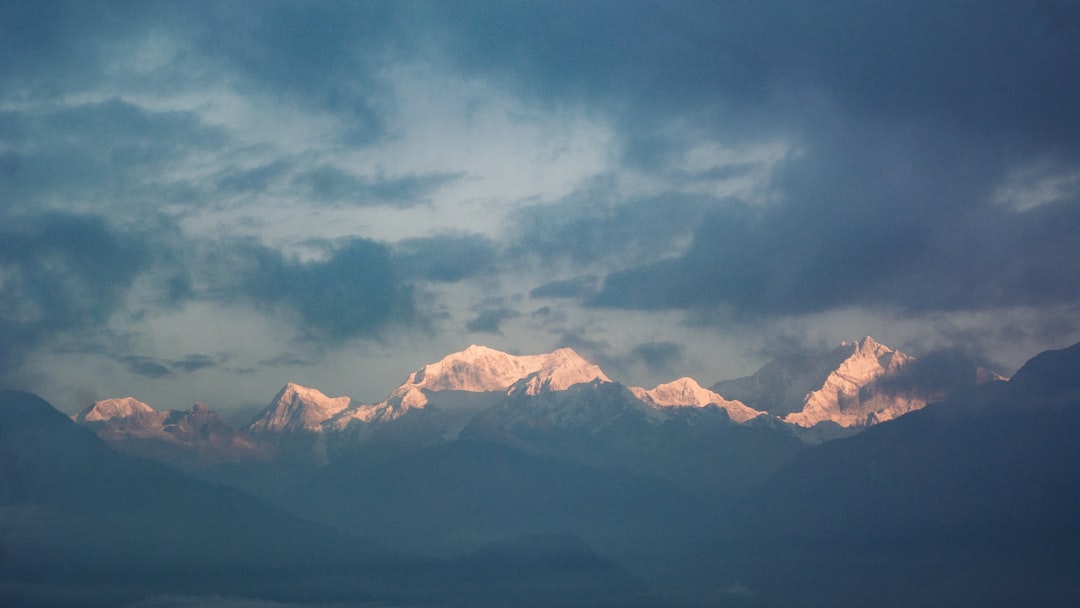
The Himalayan mountain range, a majestic crown adorning the Earth’s northern hemisphere, is experiencing a profound and concerning transformation. The vast ice bodies that have sculpted its formidable peaks and fed its mighty rivers for millennia are, by all scientific accounts, thinning. As we approach the year 2025, the data emerging from ongoing research paints an increasingly stark picture of this ongoing glacial retreat. This article seeks to provide a comprehensive overview of the current state of Himalayan glacier thinning, drawing upon the latest available scientific findings and projections, offering a factual account of the challenges and implications for the region and beyond.
The Earth’s climate system, driven by a complex interplay of atmospheric, oceanic, and terrestrial factors, has been undergoing a discernible warming trend. For the Himalayas, this warming is not a distant threat but a tangible reality that directly impacts its icy heart.
Greenhouse Gas Emissions: The Primary Culprit
The overwhelming scientific consensus points to anthropogenic greenhouse gas emissions as the principal driver of global warming. The burning of fossil fuels for energy, industrial processes, and transportation releases vast quantities of carbon dioxide, methane, and other heat-trapping gases into the atmosphere. These gases act like a thickening blanket, preventing heat from escaping back into space and leading to a gradual increase in global average temperatures. The Himalayas, due to their high altitude and vast snow and ice cover, are particularly sensitive to these atmospheric changes. Even a seemingly small increase in global temperature can have amplified effects at these elevations, accelerating the melting of glaciers.
Regional Albedo Feedback Loops: A Vicious Cycle
Beyond the global trend, regional factors exacerbate the warming in the Himalayas. One significant mechanism is the albedo feedback loop. Snow and ice possess a high albedo, meaning they reflect a large portion of incoming solar radiation back into space. As glaciers thin and shrink, exposing darker rock or soil surfaces, less solar radiation is reflected, and more is absorbed. This absorbed energy further heats the land surface and the remaining ice, accelerating melt. This creates a self-reinforcing cycle: melting leads to lower albedo, which leads to more warming, which leads to more melting. It is akin to leaving a dark piece of fabric in the sun compared to a white one – the dark fabric will absorb more heat and become hotter, a process mirrored by the darkening surfaces of receding Himalayan glaciers.
Black Carbon Deposition: A Shadow on the Ice
Another critical factor contributing to accelerated melting is the deposition of black carbon, also known as soot. This dark particulate matter, originating from incomplete combustion of fossil fuels, biomass burning (including agricultural parching and forest fires), and industrial activities, can travel long distances through atmospheric circulation. When black carbon settles on the surface of glaciers and snowpack, it significantly reduces their albedo. This reduces the amount of solar radiation reflected, leading to increased absorption of heat and a faster rate of melt. The Himalayas, situated in a region with significant air pollution from both local and transboundary sources, are particularly vulnerable to this phenomenon. The impact is akin to thinly spreading a layer of dark dust over a pristine white sheet, making it absorb more sunlight and heat up considerably faster.
Recent studies have highlighted alarming trends in Himalayan glacier thinning, with projections indicating significant changes by 2025. For a deeper understanding of the implications of this phenomenon on regional water resources and climate patterns, you can explore a related article that discusses the latest findings and data on this critical issue. For more information, visit this article.
The Visual Evidence: Observing Glacier Retreat in 2025
The scientific community has deployed a sophisticated toolkit to monitor the thinning of Himalayan glaciers. Satellite imagery, ground-based measurements, and advanced modeling techniques all contribute to a comprehensive understanding of the ongoing changes. By 2025, the accumulated data provides undeniable visual and quantitative evidence of this significant trend.
Satellite Remote Sensing: A Bird’s-Eye View
Satellite technology has revolutionized glaciological research. Instruments aboard satellites like Landsat, Sentinel, and those from the Indian Space Research Organisation (ISRO) can capture high-resolution imagery of the Himalayas on a regular basis.
Changes in Glacier Extent and Area: Mapping the Shrinkage
By comparing satellite images taken over extended periods, scientists can precisely map the changes in glacier outlines and surface area. Data leading up to and observed in 2025 consistently shows a significant reduction in the overall expanse of Himalayan glaciers. Areas that were once covered by thick ice are now revealing exposed bedrock, moraines, and vegetation. This shrinking perimeter is a direct indicator of mass loss.
Glacier Surface Elevation Changes: Measuring the Depth of Loss
Advanced satellite altimetry techniques, such as those employed by missions like CryoSat-2 and the upcoming Sentinel-8, allow for the measurement of changes in glacier surface elevation. By precisely measuring the height of the ice surface on multiple passes, scientists can detect thinning. The data emerging from these observations for the period up to 2025 consistently reveals a downward trend in glacier surface elevation across vast swathes of the Himalayas. This suggests that the glaciers are not just retreating horizontally but are also losing significant volume.
Ground-Based Monitoring: In-Situ Data Collection
While satellites provide a broad perspective, ground-based measurements offer vital in-situ data, validating and complementing remote sensing observations.
Glacier Mass Balance Studies: Quantifying Net Loss
Glaciologists conduct regular mass balance studies on representative glaciers. This involves measuring the accumulation of snow (gain) and the ablation of ice and snow through melting and sublimation (loss) over an annual cycle. By calculating the net difference, scientists determine whether a glacier is gaining or losing mass. For Himalayan glaciers, mass balance studies conducted in the years preceding and observed in 2025 overwhelmingly show negative mass balances, indicating that the rate of loss significantly exceeds the rate of gain. This is a crucial metric that directly reflects the health of the ice body.
Ice Thickness Measurements: Probing the Depths
Techniques such as ground-penetrating radar (GPR) and seismic surveys are used to estimate ice thickness in various parts of the glaciers. While direct thickness measurements are challenging to undertake across entire systems, these localized efforts provide valuable insights into the underlying ice volume and its changes over time. Emerging data for 2025 suggests a thinning of ice depth in many monitored locations, further corroborating the overall mass loss trend.
The Cascading Consequences: Implications of Glacier Thinning

The thinning of Himalayan glaciers is not an isolated environmental phenomenon. It is a critical issue with far-reaching consequences, impacting ecosystems, economies, and the livelihoods of millions of people.
Water Resources and River Systems: The Lifelines Under Threat
The Himalayan glaciers are the source of major river systems in Asia, including the Indus, Ganges, Brahmaputra, Yangtze, and Mekong. These rivers are the lifelines for downstream communities, providing water for irrigation, hydropower generation, domestic consumption, and industrial use.
Seasonal Water Availability: From Abundance to Scarcity
In the short to medium term, the accelerated melting of glaciers can lead to an initial increase in river flow. However, as the glaciers shrink and their ice reserves diminish, this surplus will eventually disappear. By 2025, observations are showing a discernible shift in the predictability of water availability. Glacial meltwater historically provided a steady and reliable source of water during the dry season, replenishing rivers when monsoon rains were absent. As this glacial contribution wanes, downstream communities are facing increasingly variable and unpredictable water supplies, with a growing risk of shortages during critical irrigation periods. This is like a well that is initially overflowing but is gradually being depleted, making its future supply uncertain.
Increased Risk of Glacial Lake Outburst Floods (GLOFs): A Sudden Fury
The melting of glaciers creates and expands glacial lakes. These lakes, often dammed by unstable moraine debris, can pose a significant risk of sudden and catastrophic outburst floods. As glaciers thin and retreat, the moraine dams can become weakened and more susceptible to failure, especially in the face of heavy rainfall or seismic activity. Data leading up to 2025 indicates a rise in the number and volume of high-risk glacial lakes. The potential for a GLOF event is a constant threat, capable of unleashing enormous volumes of water, sediment, and debris, devastating downstream settlements, infrastructure, and agricultural lands.
Biodiversity and Ecosystems: A Fragile Balance Disrupted
The unique ecosystems of the Himalayan region are highly adapted to cold environments and glacial meltwater regimes. The ongoing thinning of glaciers is disrupting these delicate balances.
Changes in Alpine and Sub-Alpine Flora and Fauna: Shifting Habitats
As glaciers recede and temperatures rise, the habitats of many alpine species are being squeezed or altered. Plants and animals adapted to cold environments may be forced to migrate to higher altitudes in search of suitable conditions. However, the mountain tops offer limited space, and many species may not be able to adapt quickly enough or find suitable new habitats. This can lead to population declines and, in some cases, local extinctions. The intricate web of life in the Himalayas is like a finely tuned clockwork; disrupting one gear can have cascading effects throughout the entire mechanism.
Impact on Aquatic Life: Altered Water Temperatures and Flow Regimes
The temperature and flow of rivers originating from glaciers are crucial for the survival of many aquatic species, including endemic fish populations. Increased glacial melt can lead to higher water temperatures and altered flow patterns, impacting the breeding cycles, food availability, and overall health of these ecosystems.
Mitigation and Adaptation: Charting a Path Forward

Addressing the multifaceted challenges posed by Himalayan glacier thinning requires a dual approach: mitigating the drivers of climate change and adapting to the inevitable consequences.
Global Climate Action: Reducing the Source of the Problem
The most effective long-term solution to halt and potentially reverse glacier thinning lies in substantial global efforts to reduce greenhouse gas emissions.
Transitioning to Renewable Energy Sources: A Clean Energy Revolution
A swift and comprehensive transition away from fossil fuels towards renewable energy sources such as solar, wind, and geothermal is paramount. This involves significant investments in clean energy infrastructure, promoting energy efficiency, and phasing out coal, oil, and gas. The global community must collectively act to steer away from the current carbon-intensive trajectory. It is like choosing to refuel your vehicle with a sustainable and boundless energy source rather than a finite and polluting one.
International Cooperation and Policy Implementation: A United Front
Effective climate action requires strong international cooperation and the robust implementation of climate policies, such as those outlined in the Paris Agreement. This includes setting ambitious emissions reduction targets, providing financial and technological support to developing nations, and fostering a global commitment to climate resilience.
Regional Adaptation Strategies: Building Resilience in the Face of Change
While global mitigation efforts are crucial, regional adaptation strategies are essential to cope with the immediate and ongoing impacts of glacier thinning.
Water Resource Management and Efficiency: Conserving a Precious Commodity
Implementing efficient water management practices is critical. This includes investing in water-saving irrigation techniques, improving water storage infrastructure (while carefully assessing GLOF risks), and promoting water conservation at all levels. Developing drought-resistant crops and diversifying agricultural practices can help buffer against water scarcity.
Early Warning Systems for GLOFs and Natural Disasters: Forewarned is Forearmed
Investing in robust early warning systems for GLOFs and other climate-related hazards is essential for protecting vulnerable communities. This involves the scientific monitoring of glacial lakes, the implementation of robust sensor networks, and the establishment of effective communication protocols to alert populations in harm’s way.
Promoting Sustainable Livelihoods: Diversifying Economic Activities
Supporting local communities in diversifying their livelihoods away from climate-sensitive sectors can enhance their resilience. This could involve promoting sustainable tourism, handicraft production, and other eco-friendly enterprises that are less vulnerable to the impacts of climate change.
Recent studies have highlighted alarming trends in Himalayan glacier thinning, with projections indicating significant changes by 2025. This phenomenon poses serious implications for water resources in the region, affecting millions who rely on glacial meltwater. For a deeper understanding of the ongoing research and data surrounding this critical issue, you can explore a related article that discusses the latest findings and their potential impact on climate patterns. To read more, visit this article.
The Future of the Himalayas: A Call to Action
| Glacier Name | Location | Thinning Rate (meters/year) | Elevation Range (meters) | Measurement Year | Data Source |
|---|---|---|---|---|---|
| Gangotri Glacier | Uttarakhand, India | 0.45 | 3,500 – 7,000 | 2025 | Satellite Remote Sensing |
| Yamunotri Glacier | Uttarakhand, India | 0.38 | 3,800 – 6,500 | 2025 | Field Survey & Remote Sensing |
| Chhota Shigri Glacier | Himachal Pradesh, India | 0.52 | 3,700 – 5,900 | 2025 | Ground Penetrating Radar |
| Rongbuk Glacier | Tibet Autonomous Region, China | 0.60 | 4,800 – 6,500 | 2025 | Satellite Remote Sensing |
| Khumbu Glacier | Nepal | 0.55 | 5,000 – 6,200 | 2025 | Field Survey |
As we stand on the cusp of 2025, the data on Himalayan glacier thinning serves as a stark reminder of the profound environmental changes underway. The majestic ice that feeds Asia’s great rivers is diminishing, posing a significant threat to water security, biodiversity, and the very fabric of life in a vast and densely populated region. The scientific evidence is unequivocal, and the time for decisive action is now.
The Silent Retreat: A Gradual but Potent Transformation
The thinning of Himalayan glaciers is a silent retreat, a gradual transformation that may not always be immediately apparent to the casual observer. However, the scientific data, consistently gathered and analyzed, paints a picture of accelerating loss. This thinning is not just a change in scenery; it is a fundamental alteration of the hydrological and ecological systems upon which millions depend. It is like a slow leak in a vital pipe; seemingly minor at first, but with potentially catastrophic consequences if left unaddressed.
The Urgency of Scientific Monitoring: Continuously Charting the Course
The ongoing scientific monitoring of Himalayan glaciers is of paramount importance. As we move beyond 2025, continued investment in satellite remote sensing, ground-based measurements, and sophisticated climate modeling is essential. This sustained observation allows us to track the pace of change, refine our understanding of the underlying processes, and inform the development of effective mitigation and adaptation strategies. It is our compass and map in navigating these uncharted waters.
A Collective Responsibility: Securing the Future of the Mountains
The future of the Himalayas, and indeed the future of the countless lives and ecosystems they sustain, rests on a collective responsibility. It is a responsibility that extends beyond national borders and engages individuals, communities, governments, and international organizations. The data from 2025 and beyond serves not as a prophecy of doom, but as a clarion call for concerted action, for innovation, and for a renewed commitment to safeguarding these invaluable natural wonders for generations to come. Ignoring these warning signs is akin to ignoring a rumbling volcano; the tremors are there, and they demand our attention before the eruption.
FAQs
What is Himalayan glacier thinning?
Himalayan glacier thinning refers to the reduction in the thickness of glaciers in the Himalayan mountain range. This process is primarily caused by rising temperatures and changes in precipitation patterns, leading to glacier mass loss over time.
What does the 2025 data reveal about Himalayan glacier thinning?
The 2025 data indicates that Himalayan glaciers continue to thin at an accelerated rate compared to previous decades. This ongoing thinning contributes to changes in regional water availability and poses risks to downstream ecosystems and communities.
How is glacier thinning in the Himalayas measured?
Glacier thinning is measured using a combination of satellite remote sensing, aerial surveys, and ground-based observations. Techniques include laser altimetry, photogrammetry, and GPS measurements to assess changes in glacier surface elevation and volume over time.
What are the implications of Himalayan glacier thinning?
Thinning glaciers affect freshwater supplies for millions of people who depend on glacial meltwater for drinking, agriculture, and hydropower. It also increases the risk of glacial lake outburst floods (GLOFs) and impacts biodiversity and regional climate patterns.
What efforts are being made to monitor and address Himalayan glacier thinning?
Scientists and governments are enhancing glacier monitoring through improved satellite technology and field studies. Efforts also include climate change mitigation policies, disaster risk management for glacial hazards, and promoting sustainable water resource management in the region.