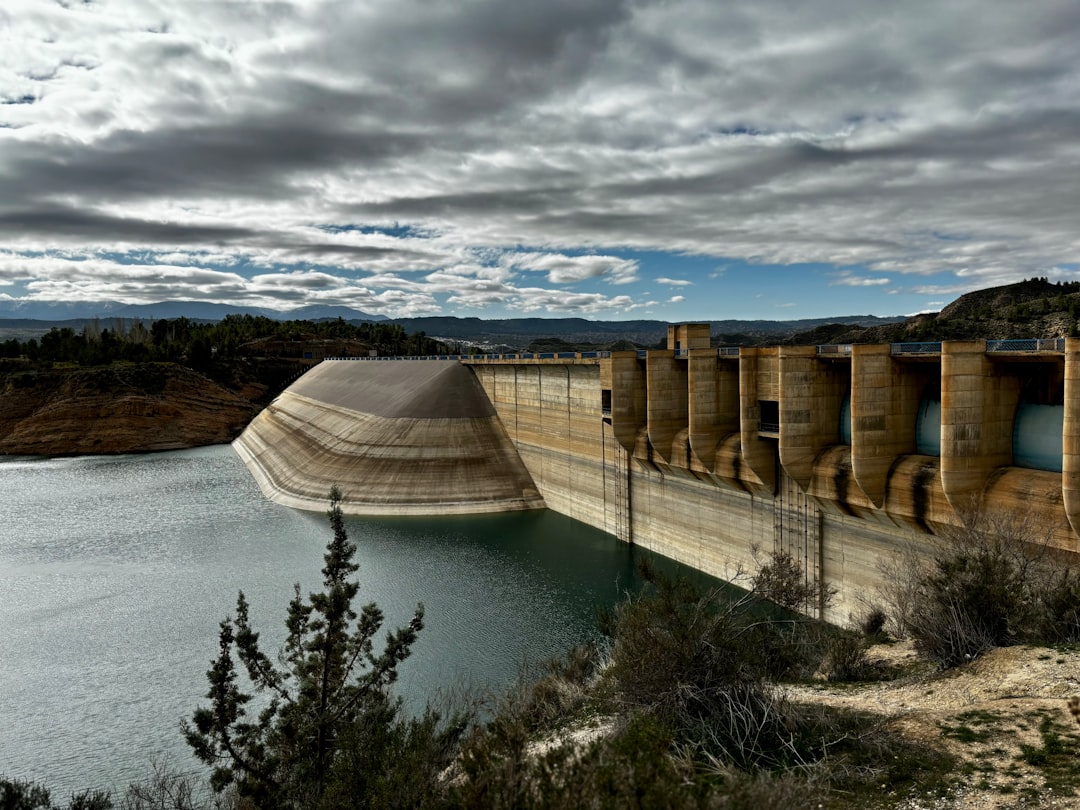
The landscape of high hazard dams in the United States is a complex tapestry woven from decades of engineering, environmental considerations, and evolving regulatory frameworks. As of 2023, there are approximately 90,000 dams across the country, with around 15,000 classified as high hazard. These structures are deemed high hazard because their failure could result in significant loss of life and substantial property damage.
Many of these dams were constructed in the mid-20th century, and while they have served their purpose for decades, concerns about their structural integrity and safety have become increasingly prominent. The current state of high hazard dams is characterized by a mix of aging infrastructure and modern challenges. Many of these dams are facing issues such as sediment buildup, outdated design standards, and the impacts of climate change, which can exacerbate flooding and increase the risk of failure.
Furthermore, the lack of adequate funding for maintenance and upgrades has left many dam owners grappling with the daunting task of ensuring safety while managing limited resources. As communities grow and develop around these structures, the stakes become even higher, necessitating a comprehensive approach to dam safety and management.
Key Takeaways
- High hazard dams in the US pose significant risks due to aging infrastructure and potential failure impacts.
- Failure of these dams can lead to severe environmental, economic, and social consequences.
- Regular monitoring, maintenance, and regulatory oversight are critical to ensuring dam safety.
- Investment in upgrading and modernizing high hazard dams is essential for resilience.
- Community engagement and preparedness play a vital role in mitigating the effects of dam failures.
Understanding the Risks and Impacts of High Hazard Dams
Understanding the risks associated with high hazard dams is crucial for effective management and mitigation strategies. The primary risk stems from the potential for catastrophic failure, which can occur due to various factors such as structural deterioration, extreme weather events, or inadequate maintenance. When a high hazard dam fails, the consequences can be devastating, leading to rapid flooding downstream that can engulf communities, destroy infrastructure, and disrupt lives.
They can lead to long-term psychological trauma for affected individuals and communities, as well as significant economic repercussions. The loss of homes, businesses, and critical infrastructure can take years to recover from, placing immense strain on local economies and emergency services.
Additionally, the environmental consequences can be severe, affecting water quality and disrupting local ecosystems. Understanding these risks is essential for developing effective preparedness plans and response strategies.
The Role of High Hazard Dams in the US Infrastructure
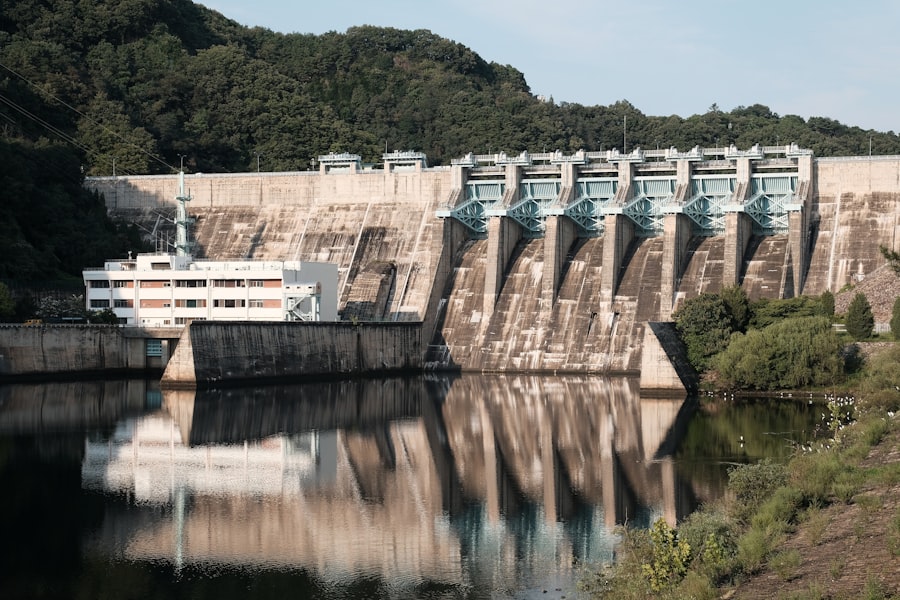
High hazard dams play a pivotal role in the broader infrastructure landscape of the United States. They serve multiple purposes, including flood control, water supply, irrigation, hydroelectric power generation, and recreational opportunities. These functions are vital for supporting agriculture, urban development, and energy needs across the nation.
In many regions, high hazard dams are integral to managing water resources and mitigating the impacts of seasonal flooding. However, the reliance on these structures also highlights the need for a balanced approach to infrastructure planning. As communities continue to grow and climate patterns shift, the role of high hazard dams must be reevaluated to ensure they meet contemporary needs while prioritizing safety.
This involves not only maintaining existing structures but also considering alternative solutions such as green infrastructure or decentralized water management systems that can complement or even replace traditional dam functions.
The Potential Consequences of High Hazard Dams Failure
| Consequence Category | Potential Impact | Example Metrics |
|---|---|---|
| Loss of Life | Fatalities due to flooding and structural collapse | Number of deaths, injuries, missing persons |
| Property Damage | Destruction of homes, businesses, and infrastructure | Number of buildings destroyed, area flooded (sq km), infrastructure damaged (roads, bridges) |
| Environmental Impact | Damage to ecosystems, water quality degradation | Acres of habitat lost, water contamination levels, fish and wildlife mortality |
| Economic Loss | Costs related to recovery, reconstruction, and economic disruption | Estimated economic loss, number of jobs affected, duration of business interruption |
| Displacement | Evacuation and relocation of affected populations | Number of people displaced, duration of displacement |
| Public Health | Outbreaks of disease, mental health impacts | Incidence of waterborne diseases, hospital admissions, mental health service demand |
| Infrastructure Disruption | Interruption of utilities and transportation | Hours/days of power outage, water supply disruption, transportation route closures |
The potential consequences of high hazard dam failures are profound and multifaceted. In the immediate aftermath of a failure, the most pressing concern is human safety. Lives can be lost in mere moments as floodwaters surge downstream, often with little warning.
Emergency response teams face immense challenges in evacuating affected populations and providing aid in chaotic conditions. The psychological toll on survivors can be long-lasting, with many grappling with trauma and loss. Beyond the immediate human impact, the economic ramifications can be staggering.
Infrastructure damage can reach into the billions of dollars, affecting not only homes but also businesses and public services. Recovery efforts can take years or even decades, straining local governments and diverting resources from other critical needs. Additionally, the environmental consequences can be severe; ecosystems may be disrupted or destroyed, leading to long-term ecological imbalances that affect wildlife and plant life in the region.
The Environmental and Ecological Impact of High Hazard Dams Failure
The environmental and ecological impacts of high hazard dam failures are often overlooked in discussions about infrastructure safety. When a dam fails, it unleashes a torrent of water that can devastate surrounding landscapes. Rivers may overflow their banks, eroding soil and altering habitats in ways that can take years to recover from.
Aquatic ecosystems are particularly vulnerable; fish populations may be decimated by sudden changes in water levels and quality. Moreover, sediment that has accumulated behind a dam can be released all at once during a failure, leading to further degradation of downstream habitats. This sediment can smother aquatic life and disrupt food chains that depend on stable environments.
The long-term ecological consequences can ripple through entire ecosystems, affecting not just immediate areas but also regions further downstream as altered water flows change habitats over time.
The Economic and Social Implications of High Hazard Dams Failure
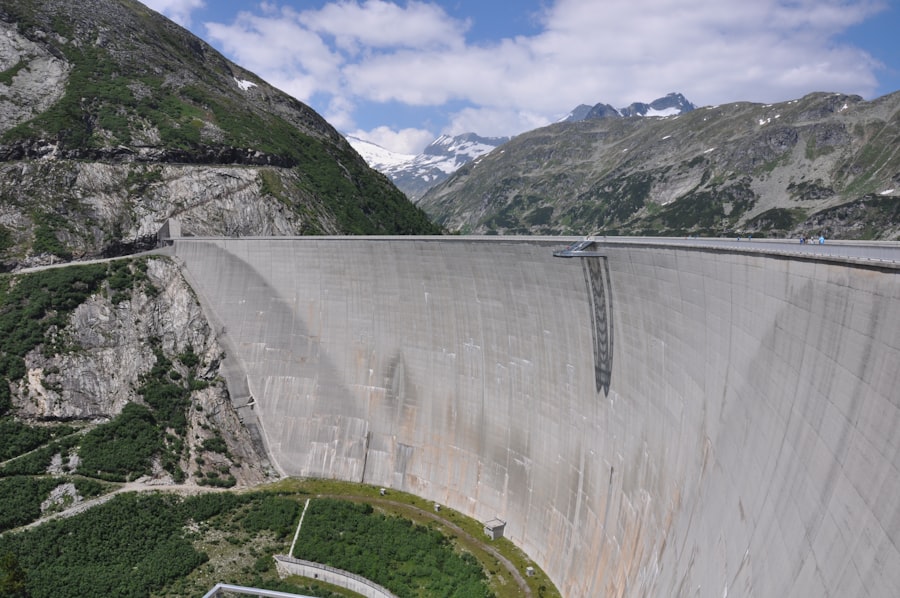
The economic implications of high hazard dam failures extend far beyond immediate repair costs. Communities may face prolonged disruptions to local economies as businesses close or relocate due to damage or loss of infrastructure. The financial burden on local governments can be immense; emergency response efforts require significant resources that may not be readily available.
This can lead to increased taxes or cuts in essential services as municipalities struggle to recover. Socially, the impacts are equally profound. Communities affected by dam failures often experience displacement and loss of community cohesion as families are forced to relocate or rebuild from scratch.
The psychological effects can linger long after physical recovery is complete; feelings of insecurity regarding safety and trust in local governance may erode community bonds. Furthermore, marginalized populations often bear the brunt of these disasters due to existing vulnerabilities, highlighting the need for equitable disaster preparedness and recovery strategies.
The Importance of Monitoring and Maintenance for High Hazard Dams
Monitoring and maintenance are critical components in ensuring the safety and longevity of high hazard dams. Regular inspections can identify potential issues before they escalate into serious problems, allowing for timely interventions that can prevent catastrophic failures. This proactive approach is essential given that many high hazard dams are aging and may not have been designed to withstand modern challenges such as climate change or increased population density.
Investment in maintenance is equally important; without adequate funding for repairs and upgrades, even well-monitored dams can become liabilities rather than assets. This requires a commitment from both federal and state governments to prioritize dam safety within broader infrastructure budgets. Additionally, fostering partnerships between government agencies, private sector stakeholders, and local communities can enhance monitoring efforts by leveraging diverse expertise and resources.
The Regulatory Framework for High Hazard Dams in the US
The regulatory framework governing high hazard dams in the United States is complex and varies significantly from state to state. At the federal level, agencies such as the Federal Energy Regulatory Commission (FERC) oversee certain aspects of dam safety, particularly those associated with hydroelectric power generation. However, much of the responsibility for dam safety falls to state governments, which have their own regulations and inspection protocols.
This patchwork system can lead to inconsistencies in how dams are monitored and maintained across different regions. Some states have robust regulatory frameworks that prioritize safety and funding for upgrades, while others may lack sufficient oversight or resources to address aging infrastructure effectively. As such, there is an ongoing call for a more unified national approach to dam safety that ensures all high hazard dams are held to consistent standards regardless of their location.
The Need for Investment and Upgrading of High Hazard Dams
Investment in upgrading high hazard dams is imperative for ensuring public safety and environmental sustainability. Many existing structures were built decades ago using outdated engineering practices that may not account for current risks such as climate change-induced flooding or seismic activity. Upgrading these dams involves not only reinforcing their physical structures but also integrating modern technology for monitoring and management.
Funding for these upgrades is often a significant barrier; many local governments struggle to allocate sufficient resources amidst competing budgetary demands. Federal support is crucial in this regard; increased funding for dam safety programs could facilitate necessary upgrades while also providing technical assistance to states with fewer resources. By prioritizing investment in high hazard dams now, communities can mitigate future risks and enhance resilience against potential failures.
Community Engagement and Preparedness for High Hazard Dams Failure
Community engagement plays a vital role in preparedness for potential high hazard dam failures. Local residents must be informed about the risks associated with nearby dams and understand emergency protocols should a failure occur. Effective communication strategies can empower communities to take proactive measures such as developing evacuation plans or participating in emergency drills.
Moreover, fostering a culture of preparedness requires collaboration between government agencies, community organizations, and residents themselves. Engaging local stakeholders in discussions about dam safety can lead to more tailored solutions that address specific community needs while building trust between residents and authorities. By prioritizing community engagement, regions at risk from high hazard dams can enhance their overall resilience against potential disasters.
The Future of High Hazard Dams in the US: Mitigation and Resilience
Looking ahead, the future of high hazard dams in the United States will likely involve a shift towards greater emphasis on mitigation strategies and resilience-building efforts. As climate change continues to pose new challenges for infrastructure systems nationwide, it becomes increasingly important to rethink how high hazard dams fit into broader water management strategies. This may involve integrating green infrastructure solutions that work alongside traditional dam functions or even decommissioning certain structures that no longer serve their intended purpose safely.
Resilience will also require ongoing investment in monitoring technologies that provide real-time data on dam conditions and potential risks. By leveraging advancements in technology such as remote sensing or predictive analytics, stakeholders can make informed decisions about maintenance needs while enhancing overall safety measures. Ultimately, fostering a culture of resilience will empower communities to adapt to changing conditions while ensuring that high hazard dams remain safe assets rather than liabilities in an uncertain future.
High hazard dams in the United States pose significant risks to communities and infrastructure, making their management and maintenance critical. For a deeper understanding of the challenges and regulations surrounding these structures, you can read the article on this topic at High Hazard Dams in the US. This resource provides valuable insights into the safety measures and policies in place to mitigate potential disasters associated with high hazard dams.
WATCH THIS! The $50 Billion Lie: America’s Dams Are About to Fail (60-Minute Documentary)
FAQs
What is a high hazard dam?
A high hazard dam is a dam where failure or misoperation will likely cause loss of human life and significant property damage. The classification is based on the potential consequences of dam failure, not the condition or likelihood of failure.
How many high hazard dams are there in the United States?
As of recent data, there are approximately 2,200 high hazard dams in the United States. This number can vary slightly depending on updates from state and federal agencies.
Who is responsible for regulating high hazard dams in the US?
Regulation of high hazard dams is primarily managed by state dam safety programs, with oversight and support from the Federal Emergency Management Agency (FEMA) and the U.S. Army Corps of Engineers. The Environmental Protection Agency (EPA) may also be involved in certain cases.
What criteria are used to classify a dam as high hazard?
A dam is classified as high hazard based on the potential consequences of failure, including probable loss of human life and extensive property damage downstream. The classification does not reflect the dam’s current condition or risk of failure.
What measures are taken to ensure the safety of high hazard dams?
Safety measures include regular inspections, maintenance, emergency action plans, structural reinforcements, and monitoring systems. State agencies often require dam owners to comply with safety standards and report any issues promptly.
Are owners of high hazard dams required to have emergency action plans?
Yes, owners of high hazard dams are typically required to develop and maintain emergency action plans (EAPs) to prepare for potential dam failure scenarios and coordinate with local emergency management agencies.
Can the public access information about high hazard dams?
Yes, many states provide public access to databases or maps showing the locations and classifications of dams, including high hazard dams. However, detailed security-sensitive information may be restricted.
What happens if a high hazard dam is found to be unsafe?
If a high hazard dam is deemed unsafe, regulatory agencies may require repairs, impose operational restrictions, or in extreme cases, order the dam to be removed or breached to mitigate risk.
How often are high hazard dams inspected?
Inspection frequency varies by state but typically occurs every 1 to 5 years. High hazard dams often receive more frequent and detailed inspections due to the potential consequences of failure.
Are there federal programs to assist with high hazard dam safety?
Yes, federal programs such as the FEMA Dam Safety Program provide technical assistance, funding, and guidance to states and dam owners to improve dam safety and reduce risks associated with high hazard dams.