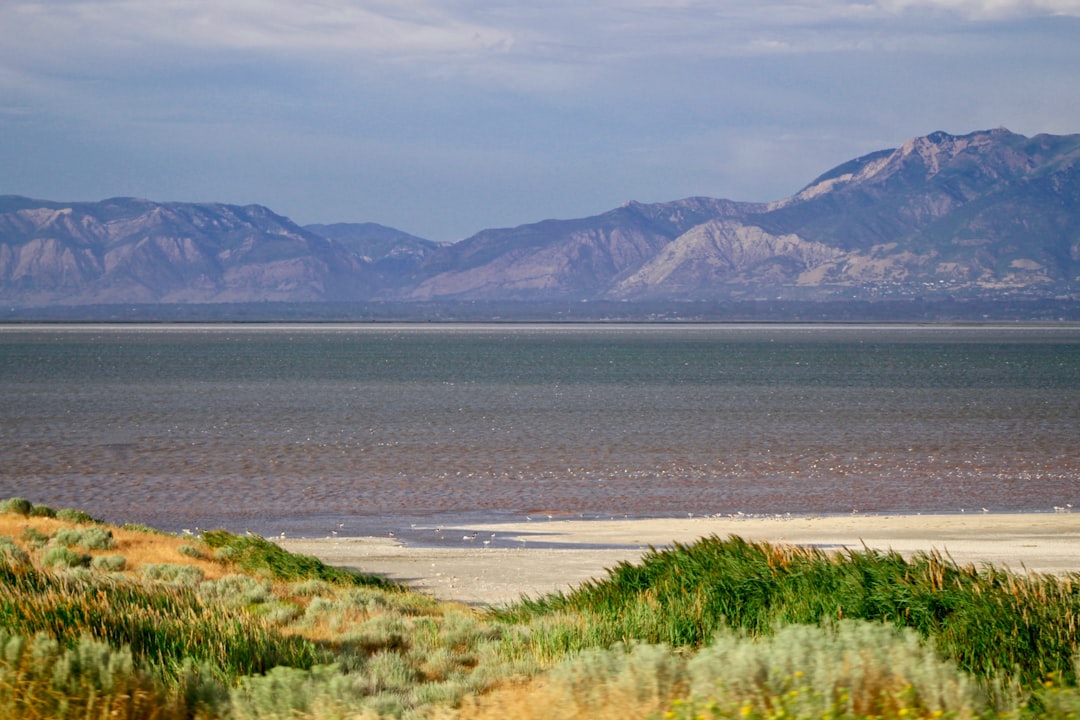
The subtle but persistent threat of arsenic dust originating from the Great Salt Lake serves as a silent unease for communities in its vicinity and poses potential long-term health concerns. As the lake’s water levels recede, exposing vast expanses of playa, the risk of airborne arsenic particles becoming a health hazard for those living and working nearby escalates. This phenomenon, driven by a confluence of climatic shifts and human water usage, transforms what might appear as a picturesque arid landscape into a potential reservoir of toxic elements. Understanding the mechanisms by which this dust becomes airborne, its composition, and its potential health impacts is crucial for effective mitigation and public health protection.
The Great Salt Lake, a relic of ancient Lake Bonneville, is North America’s largest saline lake. Its immense size and shallow nature make it particularly susceptible to fluctuations in water volume. These fluctuations are not merely aesthetic changes; they represent a fundamental shift in the lake’s ecological balance and, consequently, the potential for its mineral-rich sediments to become accessible to the environment.
Historical Context of Lake Volume Fluctuations
Throughout recorded history, the Great Salt Lake has experienced cycles of expansion and contraction. However, contemporary analyses indicate a concerning trend of overall decline, exacerbated by the increasing demands on the freshwater sources that feed it. This extended period of low water levels has been a defining characteristic of the lake in recent decades, creating conditions ripe for the emergence of previously submerged sediments.
The Role of Hydrology in Sediment Exposure
The hydrology of the Great Salt Lake is a complex interplay of snowmelt, precipitation, and evaporation. The lake has no outlet, meaning that water leaves solely through evaporation, concentrating dissolved minerals. As the lake shrinks, the shorelines recede, exposing vast tracts of playa – salt-crusted mudflats. These playas are not inert; they are repositories of minerals, including naturally occurring arsenic, that have accumulated over millennia. The increased surface area of exposed playa directly correlates with the potential for dust generation.
Recent studies have highlighted the potential health risks associated with arsenic dust from the Great Salt Lake, raising concerns about air quality and public health in the surrounding areas. For a deeper understanding of this issue, you can read a related article that discusses the environmental implications and health effects of arsenic exposure. To learn more, visit this article.
Arsenic: A Natural Component of the Great Salt Lake Ecosystem
Arsenic, a naturally occurring metalloid, is an intrinsic component of the earth’s crust and is found in varying concentrations worldwide. In the unique environment of the Great Salt Lake, arsenic has become concentrated in the lakebed sediments, available to become airborne when exposed.
Geochemical Pathways of Arsenic Accumulation
The geological history of the region, coupled with the unique hydrogeochemical processes within the Great Salt Lake, has led to the enrichment of arsenic in its sediments. Volcanic activity and hydrothermal vents in the surrounding mountains contribute to the natural presence of arsenic in the watershed. Over time, as water evaporates, these minerals, including arsenic compounds, are deposited and accumulate in the lakebed. The high salinity of the lake further influences the chemical speciation and mobility of arsenic.
Arsenic Speciation in Lakebed Sediments
Arsenic does not exist in a single form; it can exist as different chemical species, such as arsenite (As(III)) and arsenate (As(V)). The relative abundance of these species in the lakebed sediments is important because their toxicity and mobility can vary. Under oxidizing conditions, arsenate is generally more prevalent, while under reducing conditions, arsenite can become dominant. These chemical transformations can be influenced by biological activity and changes in the lake’s environment.
The Mechanism of Dust Formation and Dispersal
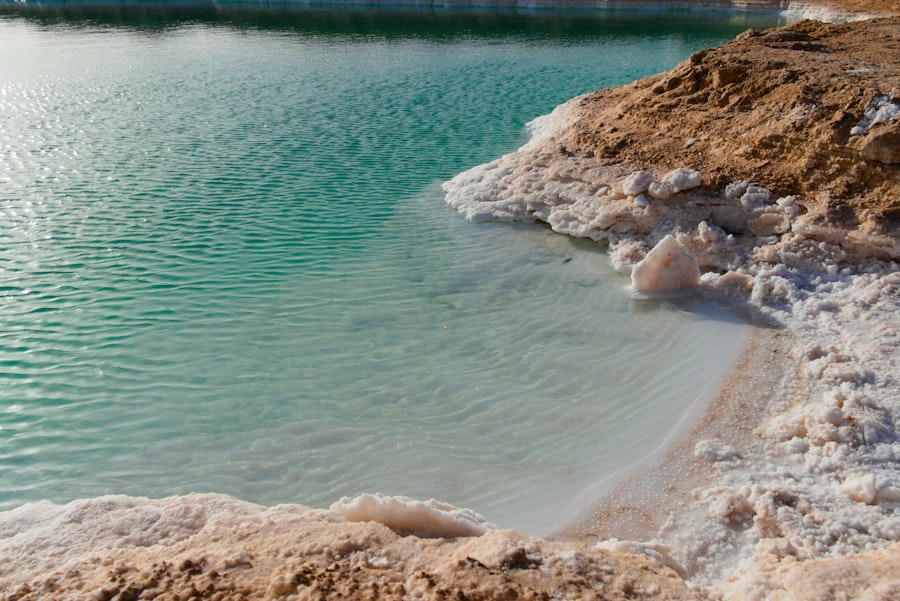
The transformation of dry lakebed sediments into airborne dust is primarily a physical process, driven by wind. Once exposed, the fine particles on the playa become susceptible to entrainment by wind currents, creating what are commonly referred to as dust storms.
Wind Erosion and Particle Entrainment
The arid climate of the Great Salt Lake basin, characterized by strong winds and dry conditions, is a critical factor in the generation of dust. As wind speeds increase, shear stress is exerted on the surface of the playa. Fine, dry particles, including those containing arsenic, are then lifted into the atmosphere. This process is analogous to a vast, arid canvas being whipped by invisible brushes, scattering its powdery contents. Smaller particles, known as PM10 (particulate matter less than 10 micrometers in diameter) and PM2.5 (particulate matter less than 2.5 micrometers in diameter), are particularly concerning as they can be inhaled deep into the lungs.
Factors Influencing Dust Storm Intensity and Frequency
Several factors influence the intensity and frequency of dust storms emanating from the Great Salt Lake. These include:
- Wind Speed and Direction: Higher wind speeds are more effective at lifting particles. Prevailing wind patterns can direct dust plumes towards populated areas.
- Soil Moisture Content: Dry sediments are more easily eroded. Periods of drought and low lake levels contribute to drier playa conditions.
- Vegetation Cover: The presence of vegetation can stabilize soil and reduce wind erosion. However, the arid environment of the Great Salt Lake basin has limited vegetation cover.
- Lake Level: Crucially, lower lake levels expose larger areas of playa, increasing the potential source material for dust.
Health Risks Associated with Arsenic Exposure
Arsenic is a well-established human carcinogen and toxicant. Exposure to arsenic dust from the Great Salt Lake poses a multi-faceted health risk, impacting both immediate well-being and long-term health outcomes.
Acute vs. Chronic Exposure Effects
Acute exposure to high concentrations of arsenic can lead to immediate symptoms such as gastrointestinal distress, skin lesions, and neurological effects. However, the primary concern with Great Salt Lake dust stems from chronic, low-level exposure over extended periods. This insidious exposure, like a slow drip of poison, can lead to a cascade of health problems.
Arsenic’s Carcinogenic Properties
The World Health Organization (WHO) classifies inorganic arsenic as a Group 1 carcinogen, meaning it is definitively carcinogenic to humans. Chronic exposure to arsenic has been linked to an increased risk of various cancers, including skin cancer, lung cancer, bladder cancer, and liver cancer. The mechanisms by which arsenic induces cancer are complex, involving DNA damage, interference with DNA repair, and promotion of cellular proliferation.
Non-Cancer Health Impacts
Beyond cancer, chronic arsenic exposure can lead to a range of other adverse health effects, including:
- Cardiovascular Disease: Studies have shown an association between arsenic exposure and increased risk of hypertension, ischemic heart disease, and peripheral artery disease.
- Neurological Effects: Arsenic can affect the nervous system, leading to developmental issues in children, cognitive deficits, and peripheral neuropathy.
- Developmental Toxicity: Exposure during pregnancy has been linked to adverse birth outcomes, including low birth weight and preterm birth, and potential neurodevelopmental impacts on the child.
- Immunological Effects: Arsenic can suppress the immune system, making individuals more susceptible to infections.
- Dermatological Issues: Skin lesions, known as hyperkeratosis and hyperpigmentation, are classic signs of chronic arsenic poisoning.
Inhalation Pathway and Systemic Absorption
When arsenic-laden dust is inhaled, the fine particulate matter can penetrate deep into the respiratory system. Once in the lungs, arsenic can be absorbed into the bloodstream and distributed throughout the body, affecting various organs and tissues. The lungs themselves are also directly exposed to the irritant and toxic properties of arsenic particles.
Recent studies have highlighted the alarming health risks associated with arsenic dust from the Great Salt Lake, raising concerns among local communities. As the lake continues to shrink, the exposure to airborne toxins becomes a pressing issue. For those interested in understanding the broader implications of this environmental crisis, a related article provides valuable insights into the potential health effects and necessary precautions that can be taken. You can read more about it in this informative piece here.
Mitigation and Management Strategies
| Metric | Value | Unit | Health Risk Implication | Source/Notes |
|---|---|---|---|---|
| Arsenic Concentration in Dust | 10-50 | µg/g (micrograms per gram) | Elevated levels can cause chronic arsenic poisoning | Environmental studies near Great Salt Lake |
| Airborne Dust Particle Size | PM10 and PM2.5 | Micrometers | Smaller particles penetrate deeper into lungs, increasing risk | Air quality monitoring data |
| Average Daily Dust Exposure | 50-150 | µg/m³ (micrograms per cubic meter) | Exceeding EPA standards increases respiratory and cardiovascular risks | Local air quality reports |
| Estimated Inhalation Dose of Arsenic | 0.01-0.05 | µg/kg body weight/day | Potential for increased cancer risk with long-term exposure | Risk assessment models |
| Reported Health Effects | Increased respiratory issues, skin lesions, cancer risk | N/A | Linked to chronic arsenic exposure from dust inhalation | Public health studies |
| EPA Air Quality Standard for Arsenic | 0.003 | µg/m³ (annual average) | Threshold to minimize health risks | EPA guidelines |
Addressing the health risks posed by arsenic dust from the Great Salt Lake requires a multi-pronged approach, encompassing monitoring, research, and the implementation of effective mitigation strategies. The overarching goal is to create a shield against this invisible hazard.
Environmental Monitoring and Air Quality Assessment
Establishing robust environmental monitoring programs is fundamental. This involves:
- Air Quality Monitoring Stations: Deploying and maintaining air quality monitoring stations in areas downwind from the Great Salt Lake is crucial to track particulate matter concentrations and arsenic levels in the air.
- Dust Source Identification and Characterization: Identifying the most active dust source areas on the playa and characterizing the arsenic content of the sediments in those areas helps prioritize mitigation efforts.
- Meteorological Data Integration: Combining air quality data with meteorological information (wind speed, direction, humidity) allows for forecasting of potential dust events and improved understanding of dispersal patterns.
Public Health Advisories and Education
Effective public health communication is paramount in protecting vulnerable populations. This includes:
- Issuing Health Advisories: Providing timely and clear advisories to the public, especially during periods of high dust activity, is essential. These advisories should include recommendations for reducing exposure.
- Educating the Public: Raising awareness about the sources of arsenic dust, its potential health effects, and preventative measures is critical. This education should be tailored to different audiences, including residents, schools, and workers in affected areas.
- Health Surveillance: Implementing health surveillance programs to monitor for potential health impacts in exposed populations can provide valuable data for validating risk assessments and informing public health interventions.
Dust Suppression and Land Reclamation Efforts
Direct intervention to reduce dust generation is a key mitigation strategy. This can involve:
- Vegetation Planting: Where feasible and ecologically appropriate, re-establishing vegetation on exposed playa areas can help stabilize soils and reduce wind erosion. This is akin to planting a living blanket over the vulnerable land.
- Water Sprays and Dust Suppressants: In specific high-risk areas, water sprays or environmentally friendly dust suppressants can be used, though these are often temporary solutions and require significant resources.
- Engineering Solutions: In some contexts, engineered barriers or other physical structures might be considered to limit wind erosion in critical zones.
- Long-Term Land Management: Developing and implementing long-term land management plans for the exposed playa areas are essential for sustainable dust mitigation.
Policy and Regulatory Frameworks
Effective policy and regulatory frameworks are necessary to guide mitigation actions and ensure accountability. This includes:
- Setting Ambient Air Quality Standards: Establishing and enforcing ambient air quality standards for arsenic in the affected regions provides a benchmark for assessing the effectiveness of mitigation efforts.
- Interagency Collaboration: Fostering strong collaboration between state, federal, and local agencies, as well as research institutions and community stakeholders, is crucial for a coordinated and comprehensive response.
- Funding for Research and Mitigation: Securing adequate funding for ongoing research into the health impacts and effective mitigation techniques, as well as for the implementation of these strategies, is vital.
The challenge presented by arsenic dust from the Great Salt Lake is a stark reminder that environmental health and human health are inextricably linked. As the lake continues its retreat, the need for vigilance, scientific understanding, and proactive mitigation becomes ever more pressing, ensuring that the natural beauty of the landscape does not come at the expense of public well-being.
FAQs
What is arsenic dust and how is it related to the Great Salt Lake?
Arsenic dust consists of tiny particles containing arsenic, a naturally occurring toxic element. Around the Great Salt Lake, exposed lakebed sediments can release arsenic-laden dust into the air, especially during dry and windy conditions.
What health risks are associated with exposure to arsenic dust from the Great Salt Lake?
Exposure to arsenic dust can lead to respiratory issues, skin irritation, and long-term risks such as cancer, cardiovascular disease, and neurological effects. Chronic inhalation or ingestion of arsenic increases the likelihood of these adverse health outcomes.
Who is most vulnerable to the health risks posed by arsenic dust near the Great Salt Lake?
Children, the elderly, pregnant women, and individuals with pre-existing respiratory or cardiovascular conditions are more susceptible to the harmful effects of arsenic dust exposure.
How can residents near the Great Salt Lake reduce their exposure to arsenic dust?
Residents can minimize exposure by staying indoors during dust storms, using air purifiers, keeping windows closed, and following public health advisories. Wearing masks and avoiding outdoor activities during high dust events also helps reduce inhalation.
What measures are being taken to address arsenic dust health risks at the Great Salt Lake?
Authorities and environmental agencies are monitoring air quality, researching dust mitigation techniques, and implementing land management practices to stabilize exposed lakebeds. Public education campaigns aim to raise awareness about health risks and protective actions.