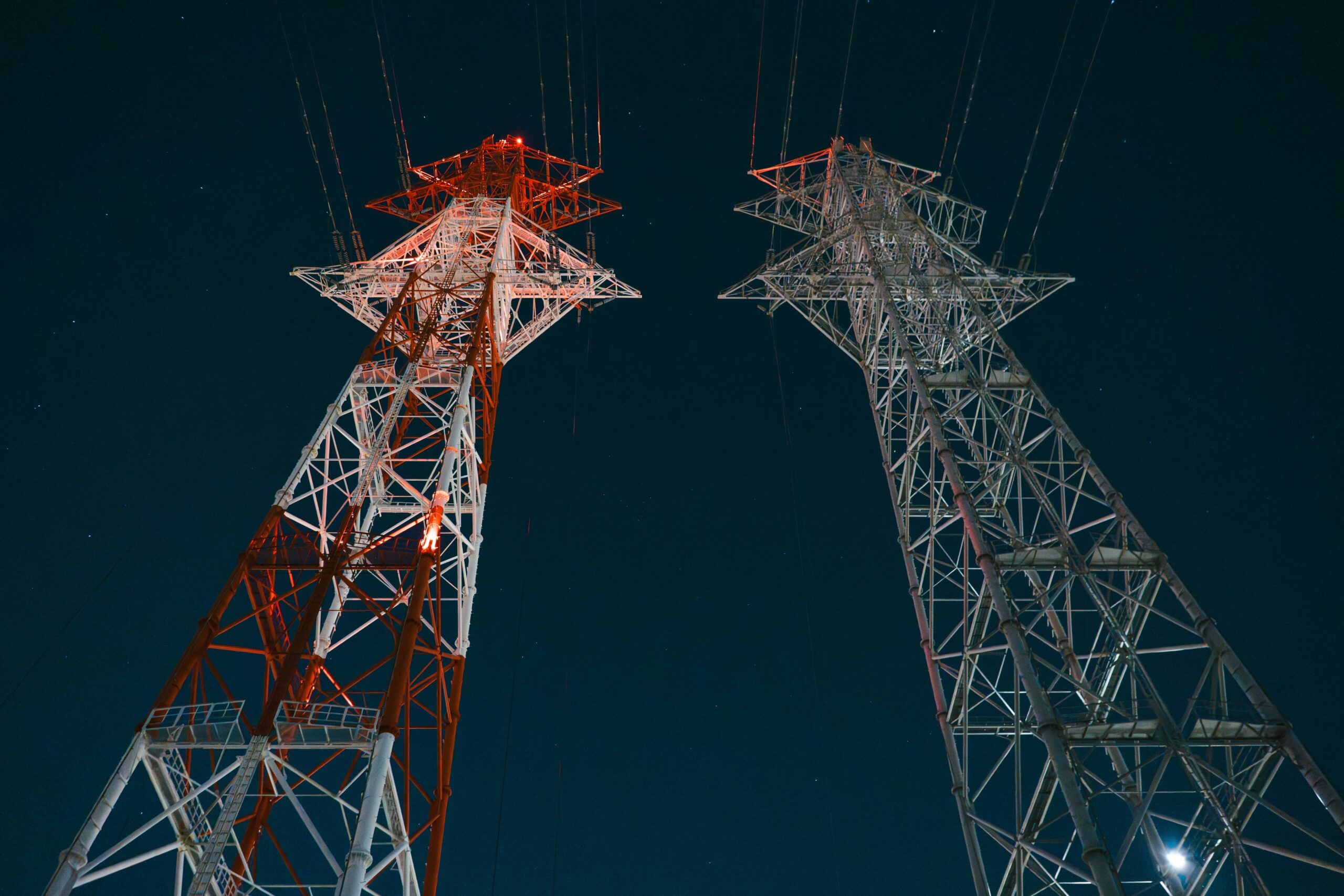
The Ozarks, a region characterized by rugged terrain and a rich tapestry of natural beauty, is undergoing a transformation that will profoundly impact its future connectivity. Beneath the rolling hills and dense forests, a network of hardened communications fiber optic cable is being laid, creating a digital spine designed to withstand the challenges of this unique environment. This undertaking is not merely about delivering faster internet; it is about weaving a robust and resilient technological infrastructure that will serve as the circulatory system for the region’s growing digital demands.
The Ozarks present a formidable landscape for infrastructure development. Unlike flatter, more urbanized areas, the geological formations, dense vegetation, and fluctuating weather patterns present a unique set of hurdles that must be meticulously addressed during the planning and construction phases. These are not minor inconveniences; they are integral elements that shape every decision concerning the deployment of this vital digital artery.
Geological Complexities
The topography of the Ozarks is dominated by karst landscapes, characterized by soluble bedrock like limestone, dolomite, and gypsum. This leads to the formation of sinkholes, caves, and underground drainage systems.
- Sinkhole Risk: The presence of sinkholes poses a significant risk to buried infrastructure. Excavation in areas prone to collapse requires extensive geological surveys and specialized engineering techniques to ensure stability. The fiber optic cables, essentially the nervous system of this digital age, must be protected from this subterranean instability.
- Rock Formations: Extensive rock outcroppings and bedrock necessitate specialized excavation equipment, including rock breakers and drills. This increases both the cost and the time required for trenching and conduit installation. Imagine trying to build a roadway through a petrified forest; that’s the kind of resistance the earth here can offer.
- Soil Instability: While not uniformly rocky, many areas experience clay-rich soils that can be susceptible to expansion and contraction with moisture levels, potentially putting stress on conduit and cable.
Environmental Factors
The rich biodiversity and often remote nature of the Ozarks introduce a different layer of complexity. Environmental stewardship is not an afterthought but a foundational principle in this project.
- Forest Canopies and Vegetation: Dense tree cover can impede aerial surveys and restrict access for heavy machinery. Careful planning is required to minimize the impact on existing forests, often necessitating selective clearing and restoration efforts. The delicate balance of the ecosystem is a vital consideration, much like the careful tending of a patient’s vital signs.
- Waterways and Drainage: The Ozarks are crisscrossed by numerous streams, rivers, and wetlands. Crossing these bodies of water requires specialized techniques, such as directional drilling or the use of bridge conduits, to prevent disruption to aquatic ecosystems and ensure the integrity of the fiber optic lines.
- Wildlife Habitats: The region is home to a variety of wildlife. Construction activities must be mindful of potential impacts on sensitive habitats and breeding grounds, often requiring seasonal restrictions or specific mitigation measures.
Weather and Climate Impact
The Ozark climate, while generally temperate, can present significant challenges throughout the year.
- Extreme Temperatures: Both extreme heat and freezing temperatures can affect construction schedules and the performance of materials. Summer’s sweltering heat can slow down crews, while winter’s icy grip can bring operations to a standstill.
- Precipitation and Flooding: Heavy rainfall, common in the spring and fall, can lead to flash floods in low-lying areas, inundating construction sites and potentially damaging newly laid infrastructure. The ephemeral nature of some Ozark streams can turn into raging torrents with little warning.
- Tornado Alley Proximity: While not directly in the most intense parts of Tornado Alley, the Ozarks region can experience severe weather events, including high winds and tornadoes, necessitating designs that can withstand significant forces.
In the context of advancements in telecommunications infrastructure, the article on hardened communications fiber spine in the Ozarks provides valuable insights into the benefits and challenges of deploying robust fiber optic networks in rural areas. For a deeper understanding of this topic, you can read more in the related article available at this link.
The “Hardened” Aspect: Fortifying the Digital Lifeline
The descriptor “hardened” in “Hardened Communications Fiber Spine” is not hyperbole; it carries significant engineering weight. It signifies a deliberate design and construction approach that goes beyond standard fiber optic deployments to ensure maximum durability and reliability, particularly in a demanding environment like the Ozarks. This hardening addresses threats both environmental and operational.
Robust Conduit Systems
The physical pathway for the fiber optic cable is paramount to its protection.
- Heavy-Duty Conduits: Instead of standard plastic conduits, hardened deployments often utilize thicker-walled, more resilient materials, such as steel or high-density polyethylene (HDPE) with enhanced crush resistance. These act like a suit of armor for the delicate glass fibers within.
- Burial Depth and Protection: Conduits are typically buried at greater depths than in less challenging environments to protect them from surface-level disturbances, including agricultural activity, erosion, and even accidental excavation. The deeper the conduit, the more layers of protection it has.
- Trenchless Technology: Where feasible, techniques like horizontal directional drilling (HDD) are employed. This method allows for the installation of conduits beneath obstacles such as rivers, roads, and sensitive ecological areas without extensive surface disturbance, minimizing environmental impact and the risk of damage. Imagine threading a needle through thick fabric without tearing it; that’s the precision HDD offers.
- Armored Fiber: In certain sensitive or high-risk segments, the fiber optic cable itself may be further protected with an outer layer of steel armor, providing an additional physical barrier against crushing, rodent damage, and even minor seismic activity.
Environmental Sealing and Protection
Preventing ingress of water, dust, and other contaminants is critical for the long-term performance of fiber optic networks.
- Water-Resistant Sealants: The conduits and any splice closures (where fiber segments are joined) are equipped with advanced hydrophobic sealants and gaskets to prevent any moisture ingress. Water is the insidious enemy of electronic components, a slow but sure path to degradation.
- Temperature Regulation: While fiber optic cable itself is relatively stable, the associated electronics and splice enclosures may need protection from extreme temperature fluctuations. This can involve specialized insulation or even active temperature management systems in critical nodes.
- Rodent and Pest Deterrents: In areas known for rodent activity, conduits may be treated with repellent coatings, or the conduits themselves may be designed with materials that are unappealing or difficult for pests to gnaw through.
Redundancy and Resilience Planning
A “hardened” network is not just about withstanding direct physical threats but also about ensuring continuous operation even when components fail.
- Diverse Routing: The network is designed with multiple, geographically separated paths for the fiber optic cables. This means that if one route is compromised – by a fallen tree, a landslide, or a digger gone astray – traffic can be automatically rerouted through an alternate path. This is akin to having multiple arteries feeding the same vital organ.
- Self-Healing Network Architectures: Modern fiber optic networks often incorporate self-healing capabilities. If a break is detected, the network automatically reconfigures itself to bypass the damaged section and maintain connectivity. This is the network equivalent of a biological system quickly adapting to injury.
- Strategic Node Placement: Critical network nodes and data centers are strategically located to minimize vulnerability and ensure geographical diversity. This prevents a single event from incapacitating a large portion of the network.
Fiber Optic Technology: The Backbone of Modern Communication

At its core, the “communications fiber spine” relies on the remarkable properties of fiber optic cable. This technology, which uses strands of glass or plastic to transmit data as pulses of light, is the undisputed champion for high-speed, high-bandwidth communication. Its selection for a robust regional network is a testament to its inherent advantages.
Principles of Light Transmission
The fundamental principle is elegant in its simplicity.
- Total Internal Reflection: The fiber optic cables are made of very pure glass or plastic and consist of a core and a cladding. The core has a slightly higher refractive index than the cladding. When light enters the core at a specific angle, it bounces off the boundary between the core and cladding repeatedly, staying trapped within the core and traveling long distances with minimal loss of signal strength. This is similar to how a laser pointer beam can be directed within a mirrored tube.
- Light Sources and Detectors: Data is encoded into light pulses by lasers or LEDs at the transmission point. At the receiving end, sensitive photodetectors convert these light pulses back into electrical signals. The speed at which these pulses can be sent and received dictates the data transmission rate.
Advantages of Fiber Optic Cables
Compared to traditional copper wiring, fiber optics offer a suite of compelling benefits, making them the ideal choice for a demanding application like a regional spine.
- High Bandwidth: Fiber optic cables can carry significantly more data than copper cables, enabling faster internet speeds, high-definition video streaming, and the transmission of vast amounts of data necessary for modern applications like cloud computing and the Internet of Things (IoT).
- Long Transmission Distances: Light signals can travel much further through fiber optic cables than electrical signals through copper wires before requiring amplification or regeneration. This reduces the need for repeaters, simplifying network design and maintenance, especially in a geographically dispersed region.
- Immunity to Electromagnetic Interference (EMI): Unlike copper cables, which are susceptible to interference from electrical devices, radio waves, and lightning, fiber optic cables transmit data using light and are therefore immune to EMI. This is a crucial advantage in areas with potential sources of interference or during electrical storms.
- Security: Tapping into a fiber optic cable without detection is far more difficult than tampering with copper wires, as it often requires physically disturbing the cable and disrupting the light signal.
- Lower Signal Loss: Fiber optic cables exhibit lower signal attenuation (loss of signal strength) over distance compared to copper, meaning the signal remains stronger and clearer over longer stretches.
Future-Proofing the Network
The inherent characteristics of fiber optic technology ensure that this Ozark spine is not just a solution for today but an investment in the future.
- Scalability: As data demands grow, existing fiber optic cables can often be upgraded with newer, more powerful lasers and transceivers to increase bandwidth without needing to replace the physical cable infrastructure. The pathway is built; the speed can be upgraded.
- Support for Emerging Technologies: Fiber optics are essential for supporting the development and implementation of future technologies that will rely on high-speed, low-latency data transmission, such as 5G and beyond, autonomous vehicles, and advanced virtual and augmented reality applications.
Economic and Social Implications: Connecting the Underserved

The deployment of a hardened communications fiber spine in the Ozarks is far more than a technical feat; it is a catalyst for economic development and social advancement in a region traditionally perceived as underserved by advanced digital infrastructure. This project is an investment in human capital and regional prosperity.
Bridging the Digital Divide
Many rural and remote areas within the Ozarks have historically lacked access to reliable, high-speed internet.
- Internet Access for Homes and Businesses: The fiber spine will serve as the backbone, with smaller distribution networks branching off to connect individual homes, businesses, schools, and healthcare facilities. This will provide residents with the same digital opportunities enjoyed by their urban counterparts.
- Remote Work Opportunities: Reliable high-speed internet enables remote work, allowing individuals to access jobs outside of their immediate geographic location. This can help retain talent within the region and attract new residents.
- Telehealth and Remote Education: Access to robust internet is crucial for delivering telehealth services, allowing residents to consult with specialists remotely, and for expanding access to online educational resources, offering new learning opportunities for students of all ages.
Stimulating Economic Growth
The availability of advanced communication infrastructure is a fundamental prerequisite for modern economic activity.
- Attracting New Businesses: Companies seeking to relocate or expand are increasingly factoring in the quality and availability of digital infrastructure. A hardened fiber spine makes the Ozarks a more attractive location for businesses, particularly those in technology-dependent sectors.
- Supporting Existing Businesses: Local businesses can leverage high-speed internet to improve their efficiency, expand their market reach through e-commerce, and adopt new technologies that enhance productivity. Small businesses are the lifeblood of the Ozarks, and this connectivity will empower them.
- Innovation and Entrepreneurship: Access to fast internet fosters innovation and entrepreneurship by enabling startups to access global markets, collaborate with remote teams, and utilize cloud-based services.
Enhancing Quality of Life
Beyond direct economic and educational benefits, improved connectivity enhances the overall quality of life for residents.
- Access to Information and Entertainment: Residents gain easier access to online news, cultural content, and entertainment options, enriching their lives and fostering greater civic engagement.
- Improved Public Services: The fiber spine can enhance the efficiency of emergency services, government operations, and public safety initiatives through better communication and data sharing. Imagine first responders having instant access to critical information.
- Community Connectivity: Even in remote areas, the fiber spine will facilitate greater community interaction through online forums, social networks, and shared digital experiences, helping to combat isolation.
In the context of enhancing communication infrastructure, the development of hardened communications fiber spine in the Ozarks is a significant advancement. This technology not only improves connectivity but also ensures resilience against environmental challenges. For a deeper understanding of the implications and benefits of such innovations, you can explore a related article that discusses the broader impacts of fiber optics on rural connectivity. Check it out here to learn more about how these advancements are shaping the future of communication in remote areas.
The Long-Term Vision: A Resilient Digital Future
| Metric | Value | Unit | Description |
|---|---|---|---|
| Fiber Type | Single-mode Hardened | Type of fiber used for long-distance communication with enhanced durability | |
| Spine Length | 120 | miles | Total length of the fiber spine deployed in the Ozarks region |
| Operating Temperature Range | -40 to 75 | °C | Temperature range in which the hardened fiber operates reliably |
| Maximum Bandwidth | 100 | Gbps | Maximum data transmission capacity of the fiber spine |
| Installation Depth | 3 | feet | Typical burial depth for hardened fiber cables in the Ozarks terrain |
| Fiber Count | 144 | fibers | Number of individual fibers within the hardened cable |
| Protection Rating | IP68 | Ingress protection rating indicating dust-tight and water-resistant capabilities | |
| Expected Lifespan | 25 | years | Estimated operational lifespan of the hardened fiber spine |
The “Hardened Communications Fiber Spine in the Ozarks” represents more than just an engineering project; it is a strategic investment in the region’s long-term resilience and prosperity. By meticulously addressing the unique challenges of the Ozark landscape and employing cutting-edge technology, this initiative is laying the groundwork for a digitally empowered future.
Sustainability and Maintainability
The emphasis on “hardened” infrastructure is inherently linked to long-term sustainability.
- Reduced Maintenance Over Time: While initial construction may be more demanding, the robust nature of the hardened conduits and fiber is designed to minimize future maintenance requirements and the likelihood of costly emergency repairs, especially from environmental factors.
- Adaptability to Future Needs: The scalable nature of fiber optic technology ensures that the infrastructure can adapt to evolving bandwidth demands and new technological advancements without requiring complete overhauls. The investment is built for longevity.
- Environmental Responsibility: The use of techniques like directional drilling and careful environmental planning throughout the project demonstrates a commitment to minimizing the ecological footprint, ensuring the natural beauty of the Ozarks is preserved alongside its digital progress.
Regional Collaboration and Investment
The success of such a large-scale infrastructure project often relies on significant collaboration.
- Public-Private Partnerships: These initiatives frequently involve partnerships between government entities (local, state, federal) and private telecommunications companies, pooling resources and expertise to achieve common goals.
- Economic Development Initiatives: The fiber spine will likely be integrated into broader economic development strategies aimed at revitalizing rural communities and attracting investment to the Ozarks.
- Ongoing Monitoring and Upgrades: Continuous network monitoring and periodic upgrades will be essential to ensure optimal performance and to take advantage of new technological advancements as they emerge. This is not a static installation but a living, evolving network.
A Foundation for Innovation
Ultimately, the hardened fiber spine serves as a foundational element upon which future innovation can be built.
- Enabling Smart Grids and IoT: This infrastructure is essential for the implementation of smart grids, where electricity distribution is optimized through real-time data, and for the proliferation of the Internet of Things (IoT) devices that will increasingly permeate our homes, businesses, and public spaces.
- Driving Digital Transformation: By providing reliable, high-speed access, the Ozarks are positioning themselves to be active participants in the ongoing digital transformation across all sectors of society.
- Empowering Communities: The project is a powerful statement of intent – that the communities of the Ozarks are determined to embrace the opportunities of the digital age, ensuring their residents and businesses can thrive in an increasingly connected world. This fiber spine is not just about speed; it’s about opportunity, connectivity, and a brighter future for the heart of America.
FAQs
What is a hardened communications fiber spine?
A hardened communications fiber spine is a robust and durable fiber optic network infrastructure designed to withstand harsh environmental conditions. It serves as the main backbone for data transmission, providing high-speed and reliable connectivity.
Why is a hardened fiber spine important in the Ozarks region?
The Ozarks region experiences varied weather conditions, including storms and temperature fluctuations. A hardened fiber spine ensures continuous and stable communication services by protecting the fiber network from physical damage and environmental stress.
What are the typical applications of a hardened communications fiber spine?
Hardened fiber spines are used for critical communication needs such as internet service provision, emergency response systems, utility management, and supporting business and government networks that require high reliability and uptime.
How does the hardened fiber spine improve communication infrastructure?
By using reinforced materials and protective enclosures, the hardened fiber spine reduces the risk of outages caused by environmental factors or physical damage. This leads to improved network resilience, faster data transmission speeds, and enhanced overall communication performance.
Who is responsible for maintaining the hardened communications fiber spine in the Ozarks?
Maintenance and management of the hardened fiber spine are typically handled by local internet service providers, utility companies, or regional communication authorities. They ensure the infrastructure remains operational and promptly address any issues that arise.