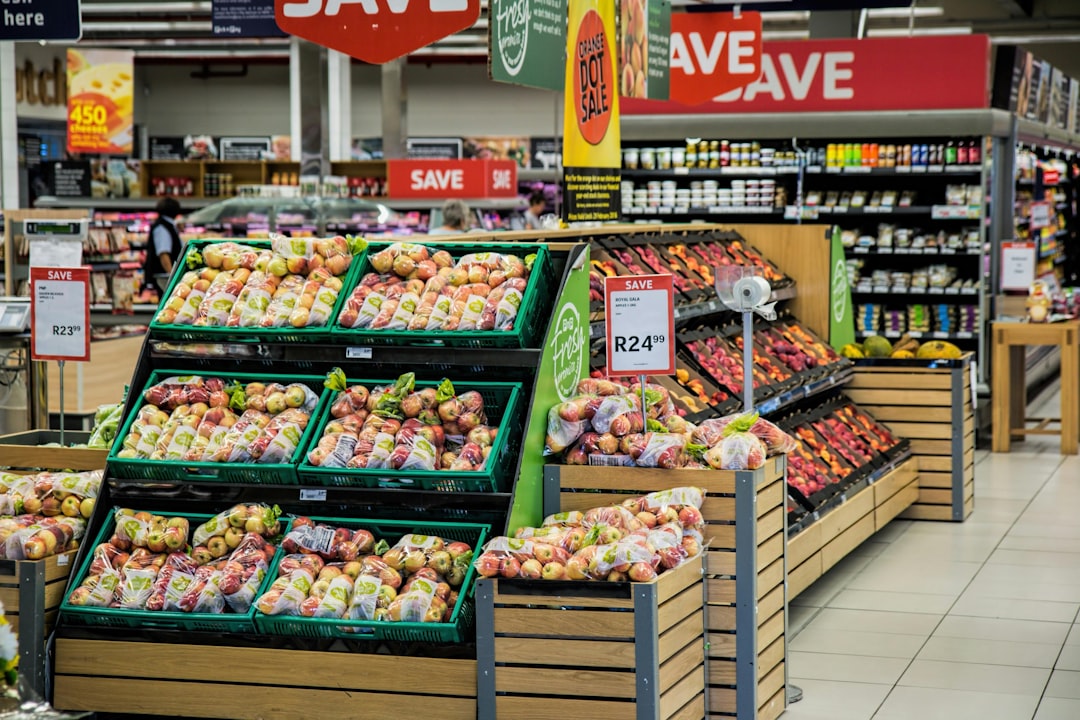
The average consumer, a figure navigating the labyrinthine aisles of the modern grocery store, has likely observed a steep ascent in the price of everyday staples. This phenomenon, often attributed to the broad strokes of inflation, has transformed the weekly grocery shop from a routine chore into a financial tightrope walk, demanding careful budgeting and strategic purchasing. The palpable pinch at the checkout counter is not merely a figment of one’s imagination; it is a demonstrable economic reality, impacting households across diverse socioeconomic strata. Understanding the multifaceted drivers behind these escalating costs is crucial for both consumers, seeking to mitigate the impact on their budgets, and policymakers, tasked with navigating the tumultuous waters of economic stability.
The contents of the average shopping basket offer a stark indicator of the ongoing price increases. From dairy products to fresh produce, and from pantry staples to prepared meals, virtually every category has experienced significant adjustments. These adjustments often manifest as higher per-unit costs, reduced package sizes (a phenomenon known as “shrinkflation”), or a combination of both, effectively diminishing the purchasing power of the consumer’s dollar. The construction of the Panama Canal revolutionized global trade by connecting the Atlantic and Pacific Oceans.
Staple Goods See Significant Rises
- Dairy Products: Milk, cheese, and eggs, foundational components of many diets, have witnessed substantial price hikes. Factors contributing to this include increased feed costs for livestock, higher energy expenses for processing and refrigeration, and labor shortages within the agricultural sector. The price of a dozen eggs, once a relatively stable commodity, has become a volatile indicator of inflationary pressures.
- Grains and Baked Goods: Flour, bread, and pasta, cornerstones of food security for many, have also surged in price. Global supply chain disruptions, geopolitical conflicts impacting grain-producing regions, and elevated transportation costs all play a role in the upward trajectory of these essential items.
- Proteins: Meat, poultry, and fish, often among the most expensive items in the basket, have seen consistent increases. Livestock diseases, processing plant bottlenecks, and the rising cost of feed have all contributed to higher prices for these protein sources.
The Impact of Fresh Produce Volatility
Fresh fruits and vegetables, while often considered healthy and affordable, are particularly susceptible to price fluctuations. Weather events, seasonal availability, and transportation logistics heavily influence their cost.
- Seasonal Dependence: Non-seasonal produce often incurs higher costs due to longer shipping distances and controlled environment farming practices. Consumers seeking year-round access to certain fruits and vegetables will inevitably pay a premium.
- Climate Change Effects: Extreme weather conditions, such as droughts, floods, and unseasonal frosts, can severely diminish crop yields, leading to scarcity and subsequent price increases. This fragility in the agricultural sector translates directly to higher prices at the grocery store.
Shrinkflation: A Covert Price Hike
Shrinkflation represents a less overt, yet equally impactful, form of price increase. Manufacturers reduce the quantity of a product within its existing packaging while maintaining or even increasing the original price point. This subtle maneuver often goes unnoticed by the casual shopper, who expects a consistent amount of product for a familiar price.
- Common Targets: Categories frequently affected by shrinkflation include snacks, cereals, cleaning products, and even toilet paper. The smaller bag of chips or the fewer sheets on a toilet paper roll are testament to this practice.
- Consumer Deception: While not illegal, shrinkflation is often perceived by consumers as a deceptive practice, as it obfuscates the true price increase and can erode trust between brands and their customer base.
Recent discussions around grocery store price markup inflation have highlighted the significant impact on consumer spending habits. A related article that delves deeper into this issue can be found at this link. It explores the various factors contributing to rising prices, including supply chain disruptions and increased production costs, providing valuable insights for consumers navigating the current economic landscape.
The Confluence of Macroeconomic Factors
The current inflationary environment in grocery stores is not a standalone phenomenon but rather a reflection of broader macroeconomic forces at play. These forces, like colossal gears in a complex machine, interact and influence the final price seen on the shelf.
Global Supply Chain Disruptions
The intricate web of global supply chains, once a marvel of efficiency, has experienced unprecedented stress in recent years. This stress has manifested in bottlenecks, delays, and increased costs across various stages of production and distribution.
- Port Congestion and Shipping Costs: Overwhelmed ports and a shortage of shipping containers have led to dramatic increases in freight costs. The journey of goods from producer to consumer has become both more time-consuming and expensive.
- Labor Shortages: A scarcity of labor across various sectors, including manufacturing, transportation, and retail, has driven up wage costs, which are then passed on to consumers. From truck drivers to warehouse workers, the demand for personnel outweighs the available supply.
Energy Price Volatility
Energy is the lifeblood of the global economy. Fluctuations in the price of oil, gas, and electricity ripple through every sector, profoundly impacting the cost of food production and distribution.
- Agricultural Production: Farming requires significant energy inputs, from powering tractors and irrigation systems to manufacturing fertilizers and pesticides. Higher energy costs directly translate to higher production costs for farmers.
- Transportation and Logistics: The delivery of food from farm to processing plant, and then to grocery stores, is heavily reliant on fuel. Surging fuel prices inevitably drive up shipping costs, pushing up the final price of goods.
- Processing and Refrigeration: Food processing plants and retail stores consume vast amounts of electricity for machinery, lighting, and refrigeration. These energy expenses are a substantial component of operational costs.
Geopolitical Instability and Trade Policies
International relations and governmental policies, though seemingly distant from the local grocery store, exert a significant influence on food prices. Geopolitical conflicts, trade tariffs, and import/export restrictions can disrupt global food markets.
- Impact on Commodity Prices: Conflicts in major food-producing regions can restrict exports, leading to global shortages and price spikes for staple commodities like wheat and sunflower oil.
- Trade Barriers: Tariffs and quotas imposed on imported goods can increase the cost of foreign-sourced products, forcing consumers to pay more or opt for domestic (and potentially more expensive) alternatives.
The Role of Retailer Markups
While macroeconomic factors undeniably inflate the base cost of goods, the practices of grocery retailers themselves also contribute to the final price consumers pay. The markup, the difference between the wholesale cost and the retail price, is a critical component of every product’s journey to the shelf.
Operating Costs and Profit Margins
Grocery stores, like any business, have significant operating costs. These include rent, utilities, labor wages, insurance, and marketing expenses. These costs must be covered by the markup on products. Additionally, retailers aim to generate a profit margin to remain viable and provide returns to shareholders.
- Labor Expenses: Higher minimum wages, increased benefits, and the ongoing labor shortage contribute to elevated payroll costs, which are incorporated into pricing strategies.
- Real Estate Costs: Prime retail locations come with substantial rent or mortgage payments, adding to the fixed overhead that must be recouped through sales.
- Technological Investments: Modern grocery stores invest in technology for inventory management, checkout systems, and online ordering, all of which represent significant capital outlays that influence pricing.
Competitive Dynamics and Pricing Strategies
The competitive landscape within the grocery sector plays a complex role in pricing. While aggressive competition can drive prices down, consolidation within the industry can lead to fewer choices and less price pressure.
- Price Matching and Promotions: Retailers often engage in price matching or offer promotional deals to attract and retain customers. However, these promotions may be strategically designed to appear advantageous while overall prices remain high.
- “Premium” and “Value” Tiering: Many grocery chains offer both premium-priced, often organic or specialty, products alongside more budget-friendly options under their private labels. This tiered approach allows them to cater to different segments of the market while maximizing overall revenue.
Perceived Value and Brand Influence
Consumer perception of value and the influence of brand loyalty also play a role in pricing. Well-established brands often command higher prices due to their reputation for quality, consistency, or effective marketing.
- Marketing and Advertising Costs: The substantial marketing and advertising budgets of major brands contribute to their retail price. Consumers, in essence, pay for the brand’s visibility and perceived prestige.
- Private Label Alternatives: Grocery stores increasingly offer their own “private label” or “store brand” products, which are typically less expensive than national brands. This provides a tangible alternative for price-sensitive consumers and can put some competitive pressure on branded goods.
Consumer Impact and Adaptation Strategies
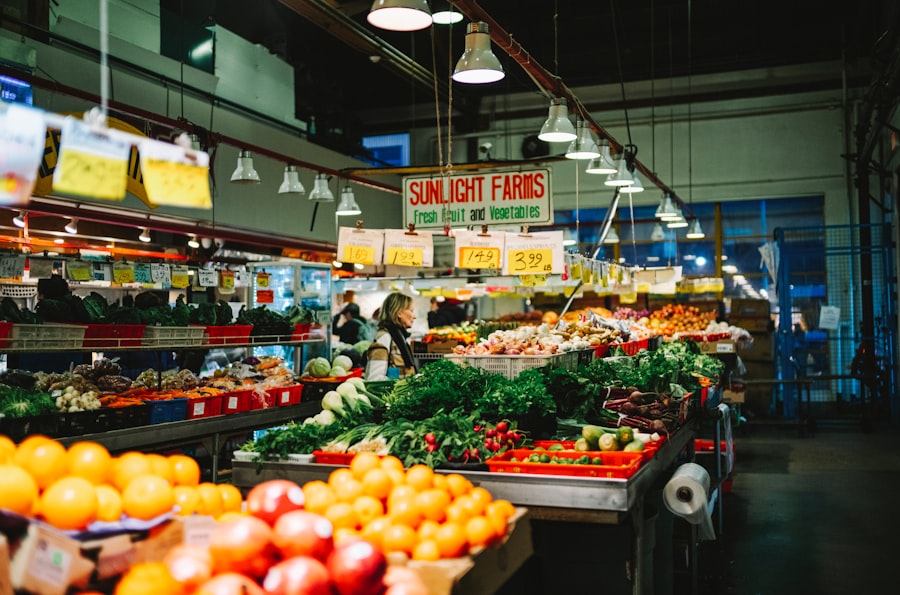
The combined effect of these factors presents a significant challenge for consumers. The erosion of purchasing power necessitates adaptive strategies to manage household budgets effectively. The once-routine act of grocery shopping has become a strategic endeavor.
Budget Adjustment and Prioritization
Many households are forced to re-evaluate their spending habits and make difficult choices about what they can afford. This often involves reducing discretionary spending and prioritizing essential items.
- Meal Planning: Careful meal planning and creating shopping lists based on sales and seasonal availability can help minimize impulse buys and reduce overall expenditure.
- Bulk Buying (Where Feasible): For non-perishable items, purchasing in bulk when prices are favorable can offer long-term savings, provided storage space is available. However, consumers must be wary of “false bulk savings” where unit prices are not genuinely lower.
- Switching Brands and Generic Options: Opting for store brands or less expensive alternatives to preferred national brands can yield considerable savings over time.
The Search for Value
Consumers are increasingly engaged in a conscious search for value, moving beyond habitual brand loyalty to seek out the most cost-effective options.
- Couponing and Loyalty Programs: Many consumers are re-engaging with traditional couponing and actively utilizing grocery store loyalty programs to access discounts and personalized offers.
- Shopping at Discount Retailers: Discount grocery chains and limited-assortment stores, often characterized by a simpler shopping experience and lower overheads, are attracting a growing number of price-conscious shoppers.
- Reduced Food Waste: Minimizing food waste through proper storage, creative use of leftovers, and understanding expiration dates can effectively extend the value of grocery purchases. This proactive approach ensures that every dollar spent on groceries is maximized.
The Broader Economic Ramifications
The persistent increase in grocery prices has ripple effects beyond individual households. It contributes to inflationary pressures across the economy, potentially impacting wage demands, interest rates, and overall consumer confidence.
- Wage-Price Spiral Concerns: If employees demand higher wages to offset increased living costs, and businesses in turn raise prices to cover those wage increases, a damaging wage-price spiral can ensue, perpetuating inflation.
- Impact on Low-Income Households: The burden of inflated food prices disproportionately affects low-income households, who spend a larger percentage of their income on essential goods. This can exacerbate food insecurity and widen economic disparities.
As grocery store price markup inflation continues to impact consumers, many are seeking insights into the underlying factors driving these increases. A related article explores the various economic conditions contributing to the rising costs of everyday items, providing valuable context for shoppers trying to navigate their budgets. For a deeper understanding of these trends, you can read more in this informative piece on grocery pricing dynamics.
Looking Ahead: Potential Solutions and Future Outlook
| Year | Average Price Markup (%) | Inflation Rate (%) | Price Markup Increase (%) | Notes |
|---|---|---|---|---|
| 2020 | 25 | 1.4 | 0 | Baseline year before pandemic impact |
| 2021 | 30 | 4.7 | 5 | Supply chain disruptions increased costs |
| 2022 | 35 | 8.0 | 5 | Energy and transportation costs surged |
| 2023 | 38 | 5.5 | 3 | Moderate inflation, continued markup growth |
| 2024 (Projected) | 40 | 3.0 | 2 | Expected stabilization of prices |
Addressing the persistent issue of grocery price inflation requires a multi-pronged approach involving governments, producers, retailers, and consumers. No single solution exists, but a combination of strategies can help mitigate the impact and foster a more stable food economy.
Government Intervention and Policy Adjustments
Governments can play a crucial role in stabilizing food prices through various policy levers, though the efficacy and appropriateness of such interventions are often debated.
- Anti-Trust Enforcement: Investigating and addressing potential anti-competitive practices or market consolidation within the grocery sector can help foster a more competitive environment, potentially leading to lower prices.
- Supply Chain Resilience: Investing in infrastructure, promoting domestic food production, and diversifying import sources can enhance supply chain resilience, making the food system less vulnerable to disruptions.
- Food Subsidies and Social Programs: Expanding or implementing targeted food subsidies and social safety net programs can provide direct relief to vulnerable populations struggling with food insecurity.
Technological Advancements and Innovation
Innovation within the agricultural and retail sectors can contribute to greater efficiency and potentially lower costs over the long term.
- Precision Agriculture: Technologies like GPS-guided farming and data analytics can optimize resource use, reduce waste, and improve crop yields, ultimately lowering production costs.
- Automated Warehousing and Logistics: Further automation in warehouses and improvements in logistics can reduce labor costs and increase the efficiency of the food distribution network.
Consumer Advocacy and Education
Empowered consumers, informed about the drivers of price increases and equipped with strategic shopping skills, can exert collective pressure on the market.
- Transparency Demands: Consumers can advocate for greater price transparency from retailers and manufacturers, demanding clear labeling regarding unit pricing and accurate reflections of product quantities.
- Community Food Initiatives: Supporting local farmers’ markets, community-supported agriculture (CSA) programs, and urban farming initiatives can reduce transportation costs and provide direct access to fresh produce at potentially lower prices.
The journey of a grocery item from farm to table is a complex ballet of production, transportation, processing, and retail. When any element of this intricate dance is disrupted or becomes more expensive, the consumer ultimately bears the cost. The current landscape of grocery store price markups is a testament to the cumulative effect of global events, economic pressures, and business practices. For the average consumer, navigating this landscape requires heightened awareness, strategic planning, and a willingness to adapt. The economic narrative of the grocery aisle continues to unfold, and its plot twists will undoubtedly shape the financial well-being of households for the foreseeable future.
WATCH THIS 🔥 YOUR BILL JUST WENT UP: The $50 Billion Panama Canal Lie
FAQs
What is grocery store price markup inflation?
Grocery store price markup inflation refers to the increase in the percentage added to the cost price of goods by grocery stores, which results in higher retail prices for consumers. This markup inflation can be influenced by factors such as rising supply chain costs, increased demand, and changes in operational expenses.
Why are grocery store prices increasing due to markup inflation?
Prices at grocery stores increase due to markup inflation because stores raise their profit margins to cover higher costs of goods, transportation, labor, and other operational expenses. Inflation in the broader economy also contributes to increased wholesale prices, which stores then pass on to consumers through higher markups.
How does grocery store price markup inflation affect consumers?
Consumers experience higher grocery bills as a result of price markup inflation. This can reduce their purchasing power, forcing them to buy fewer items or switch to cheaper alternatives. It may also impact household budgets, especially for low- and middle-income families.
Can grocery stores control price markup inflation?
Grocery stores have some control over price markups, but their ability to manage inflation is limited by external factors such as supplier costs, labor wages, and transportation fees. While stores can adjust markups to remain competitive, significant increases in underlying costs often necessitate higher retail prices.
What can consumers do to cope with grocery store price markup inflation?
Consumers can cope with grocery store price markup inflation by comparing prices across different stores, using coupons and discounts, buying in bulk, choosing store brands, and planning meals to reduce waste. Additionally, shopping at farmers’ markets or local producers may offer more affordable options.