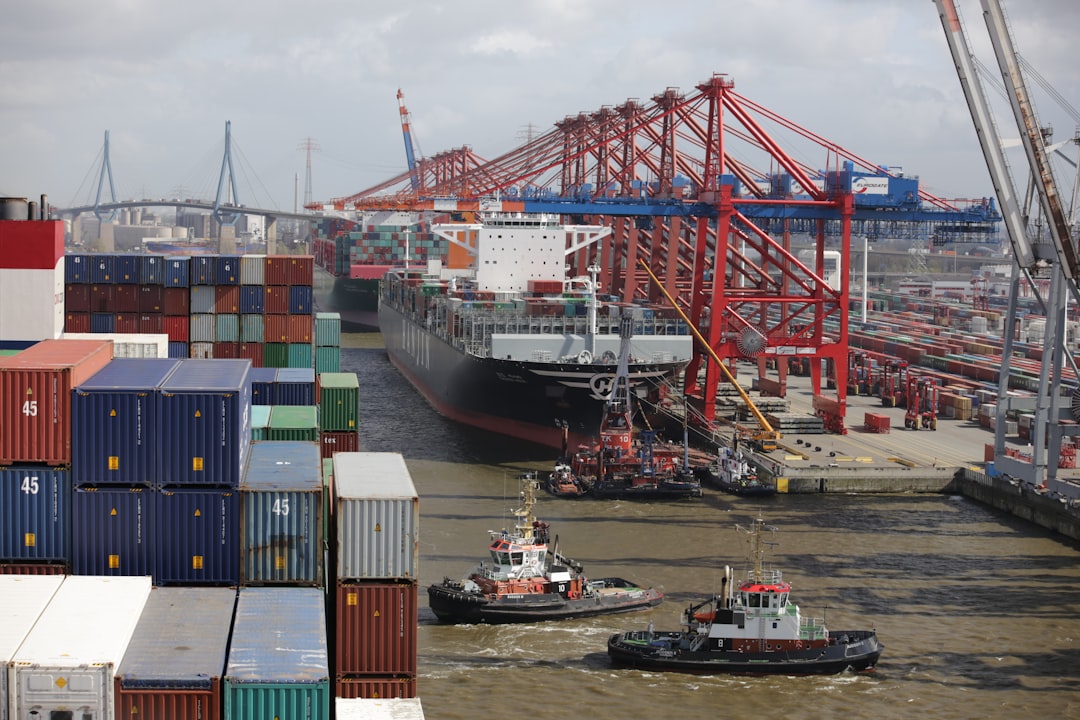
The surge in global trade volume has far-reaching implications for economies around the world. As nations engage in increased trade, they often experience a boost in economic growth, job creation, and overall prosperity. This uptick in trade can lead to enhanced productivity as countries specialize in the production of goods and services where they hold a comparative advantage.
Consequently, consumers benefit from a wider array of products at competitive prices, fostering a more dynamic marketplace. The interconnectedness of economies through trade also promotes innovation, as companies are exposed to new ideas and technologies from their international counterparts. However, the impact of rising trade volumes is not uniformly positive.
While some sectors may thrive, others may face significant challenges, including increased competition and market volatility. For instance, industries that are unable to adapt to the rapid changes in demand may struggle to survive. Additionally, the environmental implications of increased trade cannot be overlooked, as higher volumes often lead to greater carbon emissions and resource depletion.
Thus, while the surge in global trade volume can stimulate economic growth, it also necessitates careful consideration of its broader effects on society and the environment.
Key Takeaways
- Global trade volume has surged by 15%, significantly impacting the global economy and supply chains.
- Emerging markets and technological advancements are key drivers behind the increase in trade volume.
- Businesses, especially small and medium-sized enterprises, face both challenges and opportunities due to the trade surge.
- Government policies and sustainability considerations play crucial roles in managing and facilitating increased global trade.
- Strategic adaptation is essential for businesses to capitalize on future growth in global trade volume.
Factors Contributing to the 15% Surge in Global Trade Volume
Several factors have converged to contribute to the remarkable 15% surge in global trade volume observed recently.
As countries began to reopen their economies, pent-up consumer demand surged, leading to increased imports and exports.
This rebound was particularly evident in sectors such as electronics and consumer goods, where demand outstripped supply, prompting businesses to ramp up production and trade activities. Another significant factor is the ongoing globalization of supply chains. Companies are increasingly sourcing materials and components from various parts of the world to optimize costs and efficiency.
This trend has been accelerated by advancements in logistics and transportation technologies, which have made it easier and more cost-effective to move goods across borders. Additionally, trade agreements and partnerships among nations have facilitated smoother transactions, further contributing to the rise in global trade volume.
The Role of Emerging Markets in Driving Global Trade Volume

Emerging markets have emerged as pivotal players in driving global trade volume. Countries such as India, Brazil, and Vietnam are experiencing rapid economic growth and industrialization, leading to increased production capabilities and export potential. As these nations integrate into the global economy, they not only contribute to the overall trade volume but also diversify the sources of goods available in international markets.
This diversification is crucial for stabilizing global supply chains and reducing dependency on a limited number of economies. Moreover, emerging markets are becoming significant consumers themselves. As their middle classes expand, so does their demand for imported goods and services.
This shift creates new opportunities for exporters from developed nations looking to tap into these burgeoning markets. The interplay between production and consumption in emerging economies is reshaping global trade dynamics, making them indispensable contributors to the overall growth of international commerce.
Challenges and Opportunities in Managing Increased Global Trade Volume
While the surge in global trade volume presents numerous opportunities, it also brings forth a host of challenges that must be navigated carefully. One of the most pressing challenges is the strain on existing infrastructure. Ports, transportation networks, and logistics systems may become overwhelmed by the increased volume of goods being traded, leading to delays and inefficiencies.
Countries must invest in upgrading their infrastructure to accommodate this growth effectively. Additionally, regulatory hurdles can pose significant obstacles to smooth trade operations. Different countries have varying standards and regulations that can complicate cross-border transactions.
Businesses must navigate these complexities while ensuring compliance with international laws and standards. However, these challenges also present opportunities for innovation. Companies that can develop solutions to streamline logistics or navigate regulatory landscapes will find themselves at a competitive advantage in this rapidly evolving market.
The Implications of Increased Global Trade Volume for Small and Medium-Sized Enterprises
| Year | Global Trade Volume (in billion tons) | Trade Volume Percentage of Global Commerce (%) | Major Contributing Regions |
|---|---|---|---|
| 2018 | 11,000 | 60 | Asia, Europe, North America |
| 2019 | 11,200 | 62 | Asia, Europe, North America |
| 2020 | 9,500 | 55 | Asia, Europe, North America |
| 2021 | 10,800 | 58 | Asia, Europe, North America |
| 2022 | 12,000 | 63 | Asia, Europe, North America |
The surge in global trade volume has profound implications for small and medium-sized enterprises (SMEs). On one hand, SMEs stand to benefit from expanded market access as barriers to entry diminish and e-commerce platforms facilitate international sales. This newfound access allows smaller businesses to reach customers beyond their local markets, potentially increasing their revenue streams significantly.
On the other hand, SMEs may also face heightened competition from larger corporations that have more resources to invest in marketing and distribution. The ability of larger firms to leverage economies of scale can put pressure on smaller players who may struggle to compete on price or availability. To thrive in this environment, SMEs must adopt innovative strategies that emphasize their unique value propositions while leveraging technology to enhance their operational efficiency.
The Influence of Technology on the Surge in Global Trade Volume

Technology plays a crucial role in facilitating the recent surge in global trade volume. Advancements in digital communication and information technology have transformed how businesses operate across borders. E-commerce platforms enable companies to reach global customers with ease, while digital payment systems streamline transactions, making it simpler for businesses to engage in international trade.
Moreover, innovations in logistics technology have revolutionized supply chain management. Companies can now track shipments in real-time, optimize routes for efficiency, and manage inventory more effectively than ever before. These technological advancements not only enhance operational efficiency but also improve transparency and trust among trading partners.
As technology continues to evolve, it will undoubtedly shape the future landscape of global trade, creating new opportunities for businesses worldwide.
Environmental and Sustainability Considerations in the Context of Increased Global Trade Volume
As global trade volume surges, environmental sustainability has become an increasingly pressing concern. The transportation of goods across vast distances contributes significantly to carbon emissions and environmental degradation. Consequently, there is a growing call for businesses and governments to adopt more sustainable practices within their trading operations.
Efforts are being made to promote greener logistics solutions, such as electric vehicles for transportation and eco-friendly packaging materials. Additionally, companies are exploring ways to reduce waste throughout their supply chains by implementing circular economy principles that prioritize recycling and resource efficiency. As consumers become more environmentally conscious, businesses that prioritize sustainability may find themselves better positioned to attract customers who value ethical practices.
The Role of Government Policies in Facilitating Global Trade Volume
Government policies play a critical role in shaping the landscape of global trade volume. Trade agreements between nations can significantly reduce tariffs and other barriers that hinder cross-border commerce. By fostering an environment conducive to trade through favorable policies, governments can stimulate economic growth and enhance their countries’ competitiveness on the global stage.
Furthermore, governments can support businesses by investing in infrastructure development and providing resources for training and education related to international trade practices. By equipping companies with the necessary tools and knowledge to navigate complex global markets, governments can help ensure that their economies remain resilient amid fluctuating trade volumes.
The Impact of Global Trade Volume Surges on Supply Chains
The recent surge in global trade volume has had a profound impact on supply chains worldwide. As demand for goods increases, companies must adapt their supply chain strategies to ensure they can meet consumer expectations efficiently. This often involves diversifying suppliers and sourcing materials from various regions to mitigate risks associated with over-reliance on a single source.
Additionally, companies are increasingly adopting just-in-time inventory practices to reduce holding costs while ensuring they can respond quickly to changes in demand. However, this approach can also expose businesses to vulnerabilities if disruptions occur within their supply chains due to geopolitical tensions or natural disasters. As such, organizations must strike a balance between efficiency and resilience when managing their supply chains amid rising global trade volumes.
The Future Outlook for Global Trade Volume
Looking ahead, the future outlook for global trade volume appears promising yet complex. As economies continue to recover from recent disruptions and emerging markets gain prominence, trade volumes are expected to grow further. However, this growth will likely be accompanied by challenges related to sustainability, regulatory compliance, and geopolitical tensions that could impact trading relationships.
Moreover, technological advancements will continue to shape how businesses engage in international commerce. Companies that embrace innovation and adapt their strategies accordingly will be better positioned to thrive in this evolving landscape. Ultimately, while opportunities abound for increased global trade volume, stakeholders must remain vigilant in addressing the associated challenges.
Strategies for Businesses to Capitalize on the Surge in Global Trade Volume
To capitalize on the surge in global trade volume, businesses must adopt proactive strategies that leverage their unique strengths while addressing potential challenges head-on. One effective approach is investing in technology that enhances operational efficiency and streamlines cross-border transactions. By utilizing data analytics tools and automation technologies, companies can optimize their supply chains and improve decision-making processes.
Additionally, businesses should focus on building strong relationships with international partners and suppliers. Establishing trust through transparent communication can facilitate smoother transactions and foster collaboration that benefits all parties involved. Furthermore, companies should remain agile and adaptable, ready to pivot their strategies as market conditions evolve.
In conclusion, the surge in global trade volume presents both opportunities and challenges for economies worldwide. By understanding the factors driving this growth and implementing effective strategies, businesses can position themselves for success in an increasingly interconnected world.
In the context of understanding trade volume percentage in global commerce, it’s essential to explore various resources that provide insights into this topic. One such article can be found on MyGeoQuest, which discusses the implications of trade volume on international markets. For more detailed information, you can read the article [here](https://www.mygeoquest.com/sample-page/).
WATCH THIS! The $10 Trillion Secret: What Happens If The Strait of Gibraltar Closes For Good
FAQs
What is trade volume percentage in global commerce?
Trade volume percentage in global commerce refers to the proportion of total international trade (imports and exports) that a particular country, region, or sector contributes relative to the global trade volume. It is usually expressed as a percentage of the total value or quantity of goods and services traded worldwide.
Why is trade volume percentage important in global commerce?
Trade volume percentage is important because it helps measure the economic influence and integration of a country or region in the global market. It indicates the scale of participation in international trade, which can impact economic growth, employment, and competitiveness.
How is trade volume percentage calculated?
Trade volume percentage is calculated by dividing the trade volume (either in value or quantity) of a specific country, region, or sector by the total global trade volume, then multiplying the result by 100 to get a percentage. For example:
(Trade volume of country / Total global trade volume) × 100 = Trade volume percentage
What factors influence changes in trade volume percentages?
Several factors influence changes in trade volume percentages, including economic growth rates, trade policies, tariffs, exchange rates, technological advancements, geopolitical events, and shifts in consumer demand. Changes in production capacity and supply chain dynamics also play a role.
Which countries have the highest trade volume percentages in global commerce?
Countries with the highest trade volume percentages typically include major economies such as China, the United States, Germany, Japan, and South Korea. These countries have large manufacturing bases, significant export and import activities, and strong integration into global supply chains.
How does trade volume percentage affect a country’s economy?
A higher trade volume percentage often correlates with greater economic openness and integration, which can lead to increased foreign investment, job creation, and access to a wider variety of goods and services. However, it can also expose the economy to global market fluctuations and trade disputes.
Can trade volume percentage indicate economic development?
Yes, trade volume percentage can be an indicator of economic development, as countries with higher trade volumes often have more diversified and industrialized economies. However, it should be considered alongside other indicators such as GDP, income levels, and infrastructure quality for a comprehensive assessment.
How does global commerce impact trade volume percentages?
Global commerce, driven by globalization, technological progress, and international agreements, expands trade opportunities and can increase trade volume percentages for participating countries. It facilitates the flow of goods, services, capital, and information across borders, influencing trade patterns and volumes.
What role do trade agreements play in trade volume percentages?
Trade agreements reduce barriers such as tariffs and quotas, making it easier and more cost-effective for countries to trade with each other. This often leads to increased trade volumes and can shift trade volume percentages by enhancing the trade capacity of member countries.
Where can I find reliable data on trade volume percentages in global commerce?
Reliable data on trade volume percentages can be found from international organizations such as the World Trade Organization (WTO), the International Monetary Fund (IMF), the World Bank, and the United Nations Conference on Trade and Development (UNCTAD). National statistical agencies and trade ministries also provide relevant data.