Lithium, a soft, silvery-white metal, has become a critical resource in modern times, primarily because of its use in rechargeable batteries. As demand for electric vehicles and renewable energy storage systems increases, the importance of lithium reserves has grown significantly. These reserves, found in various geological formations worldwide, are essential for both technological progress and economic stability in many countries.
Governments and corporations are now prioritizing the exploration and extraction of lithium as they work to establish a competitive position in this expanding industry. Lithium reserves are distributed globally, with major deposits located in Australia, Chile, and Argentina. These regions, collectively known as the “Lithium Triangle,” contain substantial brine deposits that are necessary for lithium extraction.
As nations shift toward sustainable energy technologies, knowledge of where these reserves are located and their potential capacity is important. The availability of lithium directly affects the future of energy storage systems and electric vehicle development, making it a strategically important resource in the twenty-first century.
Key Takeaways
- Lithium is a critical resource driving the global shift toward renewable energy and electric vehicles.
- Major lithium reserves are concentrated in a few countries, influencing global economic and political dynamics.
- Extracting and processing lithium pose significant environmental and technical challenges.
- Advances in technology aim to improve lithium extraction efficiency and reduce environmental impact.
- Sustainable management of lithium reserves is essential to meet growing demand and support long-term development.
The Importance of Lithium in the Global Economy
Lithium’s role in the global economy cannot be overstated. As a key component in lithium-ion batteries, it powers a wide array of devices, from smartphones to electric vehicles. The rapid growth of the EV market has propelled lithium into the spotlight, with projections indicating that demand will continue to rise exponentially in the coming years.
This surge in demand has led to increased investments in lithium mining and processing, creating jobs and stimulating economic growth in regions rich in this resource. Moreover, lithium’s importance extends beyond just consumer electronics and transportation. It plays a pivotal role in renewable energy systems, particularly in energy storage solutions that help balance supply and demand.
As countries strive to meet their climate goals and reduce reliance on fossil fuels, lithium’s contribution to sustainable energy systems becomes increasingly vital. The economic implications of lithium are profound, influencing everything from trade balances to geopolitical relationships as nations vie for control over this essential resource. Learn about the environmental impacts of lithium mining in this informative video.
Major Lithium Reserves Around the World
The world’s major lithium reserves are concentrated in a few key regions, each with its unique geological characteristics and extraction methods. Australia stands out as the largest producer of lithium, primarily extracting it from hard rock deposits known as spodumene. The country has invested heavily in its mining infrastructure, positioning itself as a leader in the global lithium market.
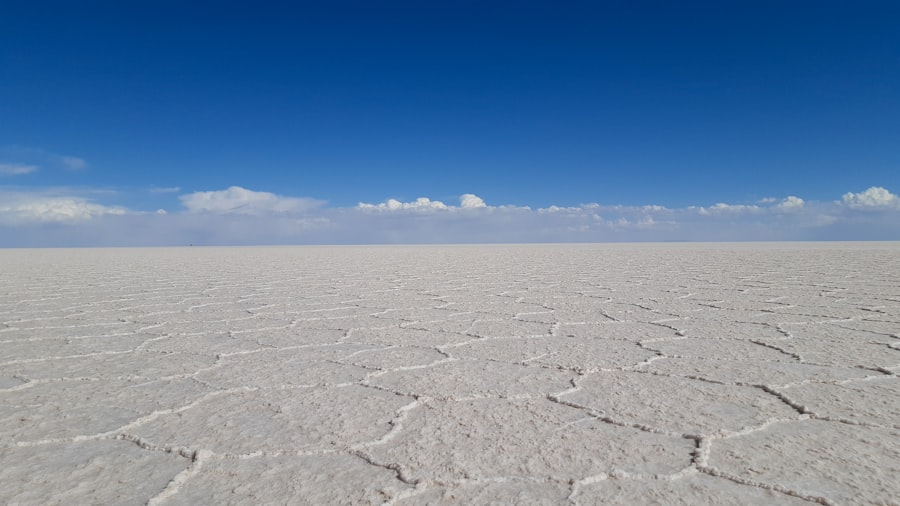
With vast mineral resources and a stable political environment, Australia is well-equipped to meet the growing demand for lithium. In South America, the Lithium Triangle—comprising parts of Chile, Argentina, and Bolivia—holds some of the richest lithium brine deposits on the planet. These salt flats, or salars, contain high concentrations of lithium that can be extracted through evaporation processes.
Chile’s Salar de Atacama is particularly notable for its significant reserves and established mining operations. However, Bolivia’s untapped potential remains a point of interest for future exploration and investment. As global demand escalates, these regions will play a crucial role in shaping the future of lithium supply.
Challenges in Extracting and Processing Lithium
Despite its abundance in certain regions, extracting and processing lithium presents numerous challenges that can hinder production efficiency and sustainability. One of the primary obstacles is the environmental impact associated with mining operations. Traditional extraction methods often require large amounts of water and can lead to habitat destruction and pollution.
In arid regions like the Lithium Triangle, where water scarcity is already a pressing issue, these challenges are magnified. Additionally, the processing of lithium from brine or hard rock involves complex chemical procedures that can be costly and time-consuming. The need for advanced technology and skilled labor further complicates the extraction process.
As companies strive to increase production to meet soaring demand, they must also navigate regulatory frameworks and community concerns regarding environmental stewardship. Balancing economic interests with ecological responsibility remains a significant challenge for the lithium industry.
Environmental Impact of Lithium Mining
| Country | Estimated Lithium Reserves (Metric Tons) | Percentage of Global Reserves | Primary Lithium Sources |
|---|---|---|---|
| Chile | 9,200,000 | 23% | Salar brines |
| Australia | 6,300,000 | 16% | Hard rock spodumene |
| Argentina | 2,700,000 | 7% | Salar brines |
| China | 1,500,000 | 4% | Hard rock and brines |
| United States | 750,000 | 2% | Clay deposits and brines |
| Other Countries | 20,000,000 | 48% | Various sources |
The environmental implications of lithium mining are a growing concern among activists, scientists, and policymakers alike. The extraction process can lead to significant ecological disruption, particularly in sensitive ecosystems where water resources are limited. In regions like the Lithium Triangle, mining operations have been criticized for depleting local aquifers and affecting agricultural practices.
The long-term consequences of such actions can be detrimental not only to local communities but also to biodiversity. Moreover, the carbon footprint associated with lithium production cannot be overlooked. While lithium-ion batteries are essential for reducing greenhouse gas emissions from transportation, the mining and processing stages can contribute to environmental degradation if not managed responsibly.
As awareness of these issues increases, there is a pressing need for sustainable practices within the industry. Companies are being urged to adopt more environmentally friendly extraction methods and invest in technologies that minimize their ecological impact.
The Role of Lithium in the Transition to Renewable Energy

Lithium’s significance extends beyond its immediate applications; it is integral to the broader transition towards renewable energy sources. As nations seek to reduce their carbon footprints and combat climate change, energy storage solutions powered by lithium-ion batteries have become essential. These batteries enable the efficient storage of energy generated from renewable sources such as solar and wind, allowing for greater grid stability and reliability.
The ability to store energy effectively is crucial for maximizing the potential of renewable technologies. Lithium-ion batteries provide a means to harness intermittent energy sources, ensuring that power generated during peak production times can be utilized when demand is high. This capability not only enhances energy security but also accelerates the adoption of clean technologies across various sectors.
As governments implement policies aimed at promoting renewable energy adoption, lithium will undoubtedly play a central role in shaping a sustainable energy future.
Political and Economic Implications of Lithium Reserves
The geopolitical landscape surrounding lithium reserves is complex and multifaceted. Countries rich in lithium resources find themselves at the center of international attention as global demand escalates. This has led to strategic partnerships and investments between nations seeking to secure access to this vital resource.
For instance, countries like China have made significant investments in lithium mining operations abroad to ensure a steady supply for their burgeoning electric vehicle market. Conversely, nations with abundant lithium reserves face challenges related to resource management and economic development. The influx of foreign investment can lead to economic growth but may also raise concerns about sovereignty and environmental degradation.
Balancing these interests requires careful governance and collaboration between governments, local communities, and industry stakeholders. As competition for lithium intensifies on the global stage, understanding these political dynamics will be crucial for navigating future developments in the sector.
Future Trends in Lithium Production and Consumption
Looking ahead, several trends are likely to shape the future of lithium production and consumption. One notable trend is the increasing focus on sustainability within the industry. As consumers become more environmentally conscious, companies are under pressure to adopt greener practices throughout their supply chains.
This includes investing in recycling technologies that can reclaim lithium from used batteries, thereby reducing reliance on virgin materials. Additionally, advancements in battery technology may alter consumption patterns for lithium. Researchers are exploring alternative chemistries that could reduce or eliminate the need for lithium altogether.
While these innovations are still in their infancy, they have the potential to disrupt traditional markets and reshape demand dynamics. As such developments unfold, stakeholders must remain agile and responsive to changes within both technology and consumer preferences.
Technological Advances in Lithium Extraction and Processing
Technological innovation is playing a pivotal role in enhancing lithium extraction and processing methods. New techniques are being developed that aim to increase efficiency while minimizing environmental impact. For instance, direct lithium extraction (DLE) technologies are gaining traction as they offer a more sustainable alternative to traditional evaporation methods used in brine extraction.
Moreover, advancements in automation and data analytics are streamlining operations within lithium mines. By leveraging artificial intelligence and machine learning algorithms, companies can optimize their extraction processes and reduce operational costs.
These technological advancements not only enhance productivity but also contribute to safer working conditions for miners by minimizing human exposure to hazardous environments.
Global Demand for Lithium and its Impact on Reserves
The surging global demand for lithium is reshaping the landscape of its reserves and production capabilities. As electric vehicle sales continue to rise alongside increased adoption of renewable energy technologies, projections indicate that demand could outstrip supply within the next decade if current trends persist. This scenario raises concerns about potential shortages and price volatility within the market.
In response to these challenges, countries with significant lithium reserves are ramping up exploration efforts and investing in new mining projects. However, balancing rapid production increases with sustainable practices remains a critical consideration. The long-term viability of lithium reserves will depend not only on extraction rates but also on responsible management practices that prioritize environmental stewardship alongside economic growth.
The Future of Lithium Reserves and Sustainable Development
As the world navigates an increasingly complex energy landscape, the future of lithium reserves will play a crucial role in shaping sustainable development initiatives globally. The metal’s importance as a key component in renewable energy systems cannot be overstated; it serves as both an enabler of technological advancement and a catalyst for economic growth. However, realizing its full potential requires addressing the myriad challenges associated with extraction processes and environmental impacts.
Moving forward, stakeholders must prioritize sustainable practices that balance economic interests with ecological responsibility. By investing in innovative technologies and fostering collaboration among governments, industries, and communities, it is possible to create a more sustainable future for lithium production and consumption. Ultimately, how societies manage this precious resource will determine not only their energy futures but also their commitment to preserving the planet for generations to come.
The global distribution of lithium reserves is a critical topic as the demand for lithium-ion batteries continues to rise. For a deeper understanding of this subject, you can read the article on lithium reserves and their geographical significance at MyGeoQuest. This resource provides valuable insights into the locations of major lithium deposits and their implications for the future of energy storage and electric vehicles.
WATCH THIS! 🌍 “THE WATER IS GONE: Inside the Desert Killing the EV Revolution
FAQs
What are lithium reserves?
Lithium reserves refer to the known quantities of lithium-containing minerals or brines that can be economically extracted with current technology and under present market conditions.
Why is lithium important globally?
Lithium is a critical component in rechargeable batteries used in electric vehicles, portable electronics, and energy storage systems, making it essential for the transition to renewable energy and modern technology.
Which countries have the largest lithium reserves?
The countries with the largest lithium reserves include Bolivia, Argentina, Chile, Australia, and China. Bolivia’s Salar de Uyuni is considered the largest single lithium reserve in the world.
How is lithium extracted?
Lithium is primarily extracted from two sources: mineral ores such as spodumene and from lithium-rich brine deposits found in salt flats. Extraction methods vary depending on the source.
What is the global distribution of lithium reserves?
Lithium reserves are unevenly distributed, with significant deposits concentrated in the “Lithium Triangle” of South America (Bolivia, Argentina, Chile), Australia, and parts of China and the United States.
Are lithium reserves renewable?
No, lithium reserves are finite natural resources. While lithium can be recycled from used batteries, the primary reserves themselves are non-renewable.
How does the distribution of lithium reserves impact global markets?
Countries with large lithium reserves have strategic advantages in the global supply chain for batteries and electric vehicles, influencing pricing, trade policies, and international relations.
Is lithium mining environmentally friendly?
Lithium mining can have environmental impacts, including water usage, habitat disruption, and chemical pollution. Sustainable mining practices and recycling are being developed to mitigate these effects.
Can lithium reserves change over time?
Yes, lithium reserves can change due to new discoveries, technological advancements in extraction, changes in economic viability, and updated geological assessments.
What role does lithium play in the future of energy?
Lithium is expected to play a crucial role in energy storage solutions, enabling wider adoption of renewable energy sources and electric transportation, which are key to reducing global carbon emissions.