
The tranquil façade of glacial lakes can, in rare and dramatic instances, give way to catastrophic events known as Glacial Lake Outburst Floods (GLOFs). These sudden releases of vast quantities of water, ice, and debris from glacial lakes pose a significant and growing threat to downstream communities, infrastructure, and ecosystems, particularly in mountainous regions around the world. Understanding the complex interplay of factors that lead to GLOFs, the devastating consequences they unleash, and how these events compare across different geographical contexts is crucial for developing effective mitigation and adaptation strategies.
The Genesis of Catastrophe: Triggers of Glacial Lake Outburst Floods
The formation and subsequent instability of glacial lakes are a prerequisite for GLOFs. These lakes, often perched at high altitudes, are typically dammed by natural barriers, most commonly moraines left behind by retreating glaciers. As glaciers shrink due to climate change, the volume of meltwater trapped behind these morainic dams can increase significantly, leading to the formation and expansion of glacial lakes. While many such lakes remain stable for extended periods, a confluence of factors can precipitate a catastrophic breach.
Ice Dam Failures and Melting
One of the primary mechanisms driving GLOFs is the failure of ice dams. Glaciers themselves can act as temporary dams, impounding meltwater. As these glaciers thin and fragment, the ice dam can weaken, allowing water to escape. In other cases, ice that has broken off from the main glacier can form a dam across a valley, creating an ice-dammed lake. These structures are inherently unstable. Progressive melting of the ice dam, exacerbated by rising global temperatures, leads to a reduction in its structural integrity. Water can then begin to percolate through the ice, widening crevasses and increasing hydrostatic pressure. This process can accelerate the melting and eventually lead to a complete collapse of the ice dam, unleashing the impounded water. The rate of melting and the presence of supraglacial or englacial channels, which allow water to drain through or under the ice, are critical factors in determining the timing and severity of an ice dam failure.
Moraine Dam Breach Dynamics
Moraine dams, composed of unconsolidated glacial debris, are another significant cause of GLOFs. These dams are often less permeable than ice dams, allowing for the accumulation of larger volumes of water. However, they are also susceptible to failure. Several processes can lead to a moraine dam breach. Subsurface erosion, driven by water seeping through the dam, can undermine its foundations. This erosion can be exacerbated by increased outflow from the lake, which intensifies the erosive power of the water. Overtopping, where the water level in the lake exceeds the crest of the moraine dam, is another common trigger. This can occur due to rapid snowmelt, heavy rainfall, or even ice avalanches into the lake, all of which can cause a sudden surge in water volume. Once overtopping begins, the loose debris of the moraine is rapidly eroded, leading to a progressive and often swift collapse of the dam. The sedimentological characteristics of the moraine, such as grain size distribution and compaction, play a vital role in its resistance to erosion.
External Perturbations and Overtopping Events
Beyond the inherent weaknesses of the damming structures, external events can act as critical triggers for GLOFs. Landslides and rockfalls, particularly those that occur on the slopes surrounding the lake or directly into the lake itself, can displace significant volumes of water. This sudden displacement can create a wave that overtops or breaches the dam. The impact of large ice avalanches, where substantial chunks of glacier calve into the lake, can also generate powerful waves, leading to dam failure. Seismic activity, such as earthquakes, can destabilize moraine dams, causing them to collapse. Even extreme weather events, like intense rainfall or rapid snowmelt, can cause a rapid increase in the lake’s water level, leading to overtopping and subsequent dam failure. The frequency and intensity of such external perturbations are often linked to broader climatic and geological patterns.
Glacial lake outburst floods (GLOFs) pose significant risks to communities and ecosystems in glaciated regions. A related article that delves deeper into the comparison of GLOFs across different geographical areas can be found on MyGeoQuest. This article examines the factors influencing the frequency and intensity of these outbursts, providing valuable insights into their potential impacts. For more information, you can read the article here: MyGeoQuest.
The Devastating Cascade: Impacts of Glacial Lake Outburst Floods

The release of a GLOF is not merely a surge of water; it is a torrent of destruction carrying immense kinetic energy and a significant sediment load. The impacts are far-reaching, affecting both the natural environment and human settlements.
Immediate Physical Destruction and Debris Flows
The immediate impact of a GLOF is the sheer destructive force of the water and debris. The floodwater, often carrying boulders, trees, and ice chunks, can scour the landscape, obliterating everything in its path. The initial outburst is frequently followed by a massive debris flow. As the floodwater erodes the valley floor and slopes, it picks up loose sediment, transforming the water surge into a highly concentrated slurry of mud, sand, gravel, and larger rocks. These debris flows possess immense momentum and can travel at high speeds, capable of destroying bridges, roads, buildings, and entire villages. The erosive power of these flows can reshape river channels and valleys, leaving behind a scarred and altered landscape. The depth and velocity of the floodwaters, combined with the volume and size of the entrained debris, determine the extent of the physical destruction.
Human Lives, Infrastructure, and Livelihoods at Risk
The most tragic consequence of GLOFs is the loss of human life. Communities situated in downstream valleys are particularly vulnerable, often lacking adequate warning systems or robust infrastructure to withstand such events. Homes, agricultural land, and essential services like water supply and power grids are frequently destroyed. The economic repercussions are immense. Rebuilding infrastructure can be prohibitively expensive, and the loss of agricultural land can devastate local economies and lead to food insecurity. Livelihoods dependent on these lands, such as farming and herding, are irrevocably disrupted. Moreover, the psychological toll on survivors, who often lose their homes and loved ones, is profound and long-lasting. The interconnectedness of infrastructure means that the failure of one component, like a bridge, can have cascading effects on transportation and access to essential services.
Environmental Degradation and Ecosystem Disruption
Beyond the immediate human and infrastructural impacts, GLOFs inflict significant damage on the natural environment. Downstream ecosystems are drastically altered. Aquatic habitats are inundated with sediment, suffocating fish and other aquatic life. Riparian vegetation, crucial for bank stability and biodiversity, is stripped away. The increased sediment load in rivers can extend far downstream, impacting water quality and the health of larger aquatic ecosystems. Furthermore, the altered river morphology can lead to changes in water flow patterns, affecting the distribution of plant and animal species. The removal of vegetation also increases the risk of further erosion and landslides in the affected areas. The long-term ecological recovery of areas impacted by GLOFs can take many years, and in some cases, the ecosystem may never fully return to its pre-flood state.
A World Under Threat: Global Distribution and Vulnerability

GLOFs are not confined to a single geographical area; they are a global phenomenon with a pronounced concentration in high-mountain regions where glaciers are prevalent. The distribution of GLOF risk is intrinsically linked to the presence of glaciers and the geological and climatic conditions that favor lake formation and instability.
The Asian Highlands: A Hotspot for GLOF Activity
The vast mountain ranges of Asia, including the Himalayas, Karakoram, and Hindu Kush, represent a significant hotspot for GLOF activity. These regions are characterized by extensive glaciation and a growing number of glacial lakes. The rapid retreat of glaciers in response to warming temperatures has led to a dramatic increase in the number and size of these lakes. Countries like Nepal, Bhutan, India, Pakistan, and China are particularly vulnerable, with numerous downstream communities and critical infrastructure, including hydropower projects, situated in the path of potential floods. The complex topography of these regions, with steep valleys and high population densities in lower elevations, exacerbates the risk. The frequency of GLOFs in this region is a growing concern for disaster management agencies.
The Andes and Pacific Ring of Fire: Unique Challenges
The Andes Mountains in South America also present a significant GLOF hazard, particularly in countries like Peru, Chile, and Bolivia. Similar to Asia, glacial retreat is creating an increasing number of glacial lakes. The geological activity associated with the Pacific Ring of Fire adds another layer of complexity, as earthquakes can trigger landslides and rockfalls that destabilize glacial dams. In some Andean regions, glacial lakes are formed behind volcanic deposits, further increasing their susceptibility to external triggers. The high altitudes and often remote locations of these lakes, coupled with limited access and communication infrastructure, pose challenges for monitoring and early warning systems.
North American and European Glacial Environments
While perhaps less frequently reported than in Asia and the Andes, GLOFs also occur in North America and Europe. Alaska and Canada, with their extensive glacial systems, have experienced GLOFs, often related to ice-dammed lakes and moraine dam failures. In Europe, mountainous regions like the Alps, though experiencing less extensive glaciation than the Himalayas, still harbor glacial lakes that pose a risk. The historical context of glacial retreat in these regions means that many GLOFs have occurred in the past, and the current warming trends suggest a potential for an increase in future events. Understanding the historical occurrence of GLOFs in these areas is crucial for assessing current and future risks.
Proactive Defense: Monitoring, Early Warning, and Mitigation
The escalating threat of GLOFs necessitates a multifaceted approach to disaster risk reduction. This involves robust monitoring systems, effective early warning mechanisms, and strategic mitigation measures to reduce the likelihood and impact of these events.
Satellite Surveillance and Ground-Based Monitoring
Technological advancements have revolutionized the ability to monitor glacial lakes. Satellite imagery, with its wide coverage and high resolution, is invaluable for identifying new lakes, tracking their growth and water levels, and assessing the stability of their dams. Radar interferometry can detect subtle ground deformation that might indicate an impending breach. Ground-based monitoring complements satellite data by providing real-time measurements of lake levels, water temperature, and dam characteristics. This often involves deploying sensors in challenging high-altitude environments. The integration of data from various sources allows for a more comprehensive understanding of lake behavior and potential risks. Meteorological data, such as rainfall and temperature, is also crucial for predicting potential triggers like rapid snowmelt or heavy precipitation.
The Architecture of Alert Systems: From Detection to Dissemination
Effective early warning systems are critical for saving lives and reducing damage. These systems typically involve a chain of actions, starting with the detection of an unusual change in lake conditions or the occurrence of a triggering event. This information is then transmitted to a central monitoring hub, where experts analyze the data to assess the probability and potential timing of a GLOF. If a significant threat is identified, alerts are disseminated to downstream communities through various channels, including sirens, mobile phone messages, radio broadcasts, and community-based alert networks. The speed and reliability of this dissemination process are paramount. Regular drills and public awareness campaigns are essential to ensure that communities understand the warnings and know how to respond effectively.
Engineering Solutions and Natural Hazard Management
Mitigation strategies aim to reduce the risk associated with glacial lakes. This can involve both engineering interventions and natural hazard management approaches. Engineering solutions might include the controlled drainage of glacial lakes to lower water levels and reduce pressure on dams. This can be achieved through the excavation of artificial spillways or the installation of siphons. In some cases, reinforcing moraine dams with engineered structures can increase their stability. Natural hazard management focuses on reducing the vulnerability of downstream communities. This can involve land-use planning to restrict development in high-risk areas, building protective infrastructure like levees and flood barriers, and implementing robust emergency response plans. Relocation of communities from the most vulnerable areas is also a consideration in some high-risk situations.
Recent studies on glacial lake outburst floods have highlighted the importance of understanding their impact on surrounding ecosystems and communities. A related article discusses various case studies that compare the frequency and intensity of these outbursts across different regions, providing valuable insights into their potential risks. For more information, you can read the full article here. This research underscores the need for enhanced monitoring and preparedness strategies to mitigate the effects of these natural disasters.
The Global Tapestry of Ice and Water: Comparative GLOF Scenarios
| Glacial Lake | Location | Year of Outburst | Volume Released (million m³) | Peak Discharge (m³/s) | Damage Caused | Mitigation Measures |
|---|---|---|---|---|---|---|
| Dig Tsho | Nepal | 1985 | 4.0 | 5000 | Destroyed hydropower plant, infrastructure damage | Lake drainage, early warning system |
| Imja Tsho | Nepal | Potential risk | ~0.1 (current volume) | Projected 1000-2000 | Risk to downstream villages and infrastructure | Controlled drainage, monitoring |
| Dig Glacier Lake | Bhutan | 1994 | 2.5 | 3000 | Flooding, agricultural loss | Dam reinforcement, evacuation plans |
| Lake Palcacocha | Peru | 1941, 2003 (near misses) | Up to 10 | Up to 8000 | Threat to Huaraz city | Lake lowering, early warning systems |
| Dig Tsho | Nepal | 1985 | 4.0 | 5000 | Destroyed hydropower plant, infrastructure damage | Lake drainage, early warning system |
Examining GLOF events across different regions reveals both commonalities in their underlying causes and impacts, as well as unique regional characteristics shaped by local geology, climate, and socio-economic factors. This comparative perspective is essential for tailoring mitigation and adaptation strategies.
Himalayan GLOFs: Scale, Frequency, and Socio-Economic Vulnerability
The Himalayas are characterized by some of the largest and most numerous glacial lakes globally. The rapid glacial retreat in this region has led to a demonstrable increase in GLOF frequency over recent decades. Events like the 1981 GLOF from the Dig Tso lake in Bhutan, which caused extensive damage and casualties, serve as stark reminders of the catastrophic potential. The downstream impacts are often amplified by the high population density in valleys below these lakes and the reliance on agriculture and hydropower, which are particularly vulnerable to flood damage. The transboundary nature of many Himalayan river systems also means that GLOFs in one country can have significant consequences for neighboring nations, necessitating regional cooperation in monitoring and disaster management.
Andean GLOFs: Interplay of Glacial Processes and Volcanic Activity
In the Andes, GLOFs often present a complex interplay between glacial processes and volcanic activity. Lakes dammed by volcanic debris, such as those in the Cordillera Blanca of Peru, are particularly susceptible to destabilization by earthquakes. The infamous 1970 Huascarán avalanche, triggered by an earthquake, famously buried the town of Yungay, demonstrating the devastating power of rapid mass movements, which can be indirectly linked to the destabilization of glacial or volcanic-related water bodies. The high altitudes and rugged terrain of the Andes present unique challenges for monitoring and early warning, often requiring a strong reliance on community-based approaches and robust traditional knowledge.
Arctic and Sub-Arctic GLOFs: Ice Dams and Permafrost Thaw
In the Arctic and sub-Arctic regions, GLOFs are often associated with ice-dammed lakes and the thawing of permafrost. As glaciers and ice sheets retreat, meltwater can accumulate behind ice dams or in depressions formed by thawing permafrost. These events can be sudden and unpredictable. The remote nature of many Arctic communities means that response times can be significantly longer, and the impact on fragile ecosystems and traditional livelihoods can be severe. The thawing of permafrost can also destabilize slopes, increasing the risk of landslides into lakes, which can trigger GLOFs. Understanding the dynamics of ice and permafrost thaw is crucial for assessing GLOF risk in these regions.
The persistent and accelerating impact of climate change ensures that the threat of Glacial Lake Outburst Floods will continue to loom large in mountainous regions worldwide. While the exact timing and magnitude of these events remain challenging to predict with absolute certainty, a comprehensive understanding of their causes, a vigilant approach to monitoring and early warning, and a commitment to implementing effective mitigation strategies are paramount. The global comparison of GLOF scenarios underscores the urgent need for international collaboration, knowledge sharing, and the prioritization of adaptation measures to protect vulnerable populations and fragile ecosystems from the devastating power of these glacial releases. The world’s glaciers are not just static features of the landscape; they are dynamic reservoirs of water with the potential for profound and immediate impact.
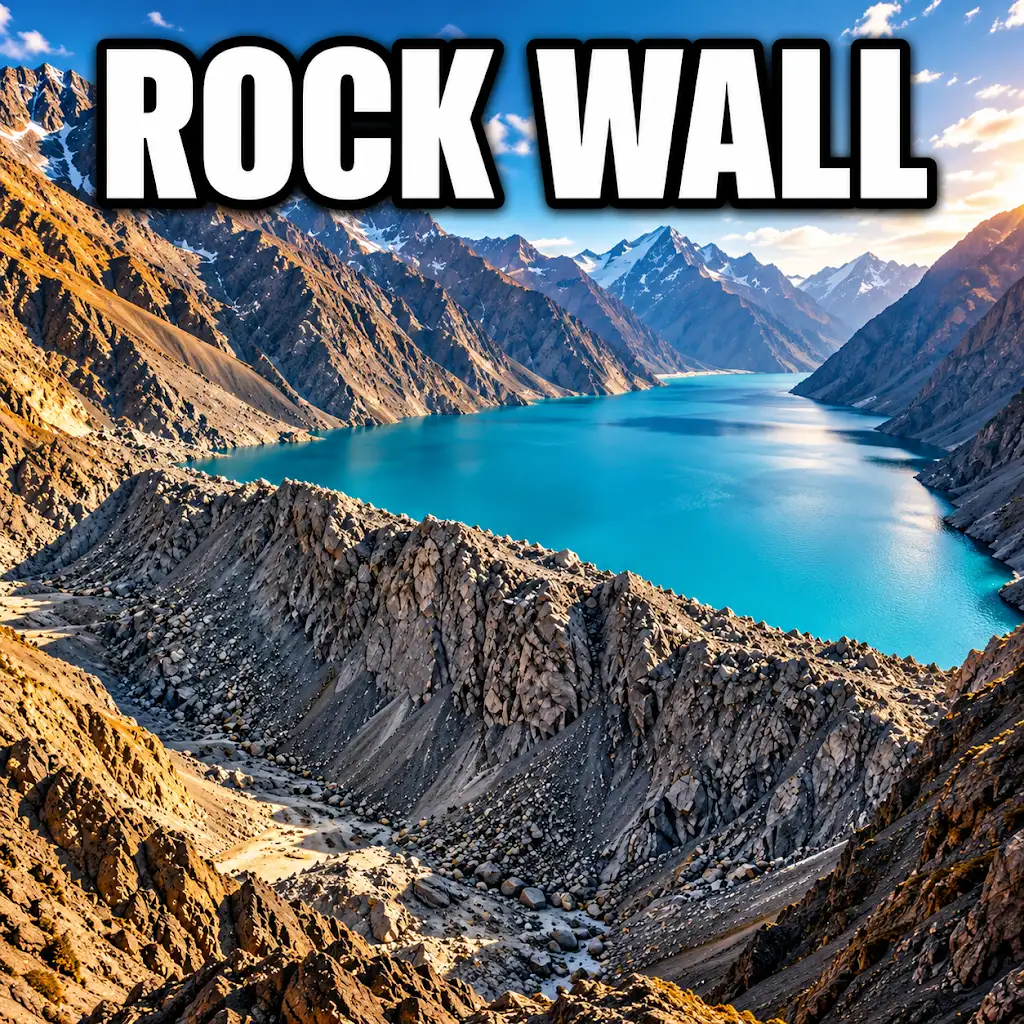
Could a Wave Push Lake Sarez Over This Natural Dam?
FAQs
What is a glacial lake outburst flood (GLOF)?
A glacial lake outburst flood (GLOF) is a sudden release of a large amount of water from a glacier-dammed lake, typically caused by the failure of a natural dam such as a moraine or ice dam.
How do glacial lake outburst floods compare in terms of frequency and magnitude?
Glacial lake outburst floods vary in frequency and magnitude depending on factors such as the size of the glacial lake, the stability of the dam, and the rate of glacier melt. Some GLOFs are small and occur frequently, while others are rare but can be extremely large and destructive.
What are the main causes of glacial lake outburst floods?
The main causes of glacial lake outburst floods include rapid glacier melt due to climate change, avalanches or landslides that destabilize the dam, and volcanic eruptions that can trigger the release of water from glacier-dammed lakes.
How do glacial lake outburst floods impact the surrounding environment and communities?
Glacial lake outburst floods can have devastating impacts on the surrounding environment and communities, causing widespread destruction of infrastructure, loss of life, and displacement of populations. They can also lead to the formation of new landscapes and alter river courses.
What measures can be taken to mitigate the risks associated with glacial lake outburst floods?
To mitigate the risks associated with glacial lake outburst floods, measures such as early warning systems, dam reinforcement, and land use planning can be implemented. Additionally, monitoring of glacial lakes and glaciers can help identify potential hazards and reduce the impact of GLOFs on vulnerable communities.