
The Strait of Gibraltar, a narrow waterway that connects the Atlantic Ocean to the Mediterranean Sea, serves as a crucial maritime passage for global trade and navigation. Spanning approximately 13 kilometers at its narrowest point, the strait separates Europe from Africa, with Spain to the north and Morocco to the south. This strategic location has made the Strait of Gibraltar a focal point for various historical, cultural, and economic exchanges throughout the centuries.
The waters of the strait are not only significant for their geographical importance but also for their rich biodiversity and unique ecosystems. The strait has long been a gateway for explorers, traders, and military forces alike. Its waters have witnessed countless historical events, from ancient maritime trade routes to modern naval operations.
The significance of the Strait of Gibraltar extends beyond its physical dimensions; it embodies a confluence of cultures and histories that have shaped the identities of the nations surrounding it. As such, understanding the complexities of this region is essential for grasping its current geopolitical dynamics and the challenges it faces today.
Key Takeaways
- The Strait of Gibraltar is a crucial maritime passage with significant historical and geopolitical importance.
- Spain and Morocco play key roles in the region, influencing current tensions and security dynamics.
- Ongoing geopolitical conflicts impact international trade routes passing through the Strait.
- Environmental and military concerns add complexity to the regional situation.
- International efforts aim to reduce tensions, but escalating conflicts could have serious global consequences.
Historical significance of the Strait
Historically, the Strait of Gibraltar has been a vital conduit for trade and cultural exchange since antiquity. The Phoenicians, Greeks, and Romans all recognized its importance, using it as a passage for goods and ideas between Europe and Africa. The strait was known as the “Pillars of Hercules” in ancient times, symbolizing the edge of the known world.
This rich history has left an indelible mark on the region, influencing everything from language to commerce.
The strategic importance of controlling this passage was evident, as it allowed for naval dominance over both the Mediterranean and Atlantic trade routes.
The legacy of these historical conflicts continues to resonate today, as issues of sovereignty and territorial claims remain contentious between Spain and Morocco.
Current geopolitical tensions in the region
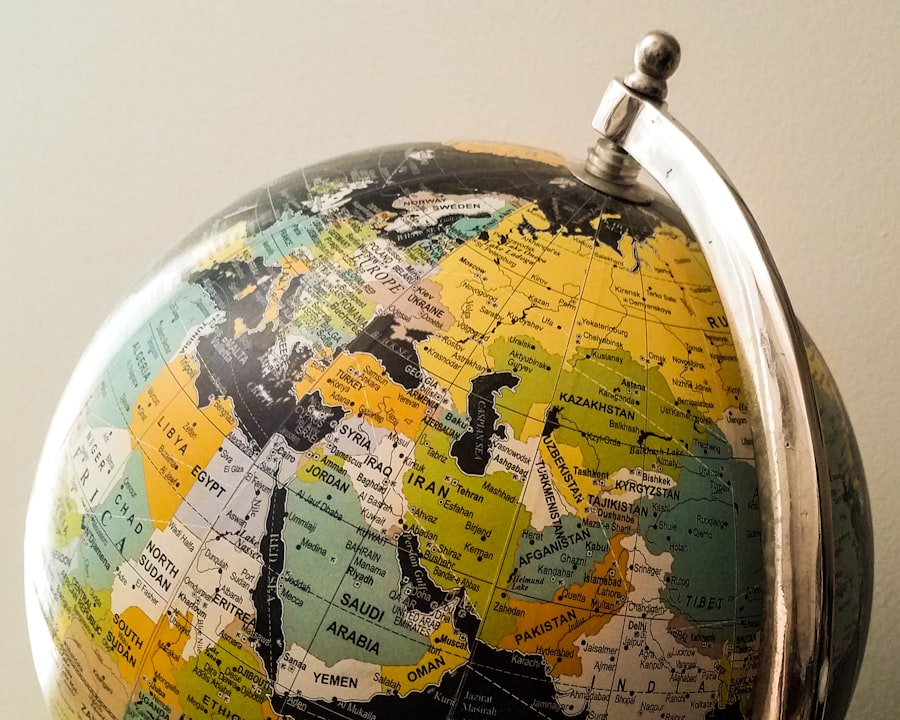
In contemporary times, the Strait of Gibraltar remains a hotspot for geopolitical tensions, particularly between Spain and Morocco. The two nations have long-standing disputes over territorial waters and fishing rights, which have been exacerbated by issues related to immigration and border control. The strait’s strategic significance has made it a focal point for national interests, leading to heightened military presence and diplomatic maneuvering.
The situation is further complicated by the presence of Gibraltar itself, a British Overseas Territory that has been a source of contention between Spain and the United Kingdom. Spain’s claim over Gibraltar adds another layer to the already complex geopolitical landscape of the region. As both Spain and Morocco navigate their national interests, the potential for conflict looms large, raising concerns about stability in this vital maritime corridor.
Role of Spain and Morocco in the Strait
Spain plays a pivotal role in managing the Strait of Gibraltar, given its geographical proximity and historical ties to the region. The Spanish government has invested heavily in maritime security and surveillance to protect its territorial waters from illegal fishing and immigration. Additionally, Spain’s control over Gibraltar adds another dimension to its influence in the strait, as it seeks to assert its sovereignty while balancing relations with neighboring countries.
On the other hand, Morocco views the Strait as essential for its economic development and national security. The Moroccan government has sought to expand its maritime capabilities and assert its rights over fishing grounds in the region. This has led to increased tensions with Spain, particularly regarding fishing agreements and border control measures.
Both nations are acutely aware that their actions in the strait can have far-reaching implications for their respective economies and regional stability.
Impact of the tensions on international trade
| Metric | Value | Details |
|---|---|---|
| Number of Military Incidents (Last 5 Years) | 12 | Includes naval confrontations and airspace violations |
| Major Countries Involved | Spain, Morocco, United Kingdom | Disputes over territorial waters and sovereignty |
| Annual Commercial Shipping Traffic | ~100,000 vessels | One of the world’s busiest maritime chokepoints |
| Reported Smuggling Incidents (Last Year) | 85 | Includes drugs, weapons, and human trafficking |
| Naval Patrols Frequency | Daily | Joint and individual patrols by involved countries |
| Diplomatic Meetings on Strait Security (Last 3 Years) | 7 | Efforts to reduce tensions and improve cooperation |
The geopolitical tensions surrounding the Strait of Gibraltar have significant implications for international trade. As one of the busiest maritime routes in the world, any disruption in this area can lead to delays in shipping and increased costs for businesses reliant on timely deliveries. The strait serves as a critical passage for oil tankers, container ships, and other vessels transporting goods between Europe, Africa, and beyond.
In recent years, incidents involving fishing disputes or immigration enforcement have raised concerns about potential blockades or military confrontations that could disrupt trade flows. Such scenarios could have cascading effects on global supply chains, particularly in industries that depend on just-in-time delivery systems. As nations grapple with these tensions, ensuring safe passage through the Strait of Gibraltar remains a priority for international stakeholders.
Environmental concerns in the Strait
The environmental health of the Strait of Gibraltar is another critical aspect that cannot be overlooked amid geopolitical tensions. The strait is home to diverse marine ecosystems that support various species, including dolphins, whales, and numerous fish populations. However, increased maritime traffic and industrial activities pose significant threats to these fragile ecosystems.
Pollution from shipping activities, overfishing, and climate change are pressing concerns that require urgent attention from both Spain and Morocco. Efforts to protect marine biodiversity must be balanced with economic interests, creating a complex challenge for policymakers in both countries. Collaborative initiatives aimed at environmental conservation could serve as a platform for dialogue between Spain and Morocco, potentially easing tensions while promoting sustainable practices in the region.
Military presence in the region
The military presence in the Strait of Gibraltar reflects the strategic importance of this waterway in contemporary geopolitics. Both Spain and Morocco maintain naval forces in the area to safeguard their interests and assert their claims over territorial waters. The presence of military assets serves as a deterrent against potential incursions or illegal activities but also raises concerns about escalation into conflict.
The United Kingdom’s military presence in Gibraltar further complicates matters, as it underscores Britain’s commitment to defending its territory against any perceived threats. This triadic military dynamic creates an environment where miscalculations or misunderstandings could lead to heightened tensions or even confrontations at sea. As nations navigate these complexities, maintaining open lines of communication becomes essential to prevent conflicts from spiraling out of control.
Efforts to mitigate tensions in the area
In light of ongoing tensions in the Strait of Gibraltar, various efforts have been made to foster dialogue and cooperation between Spain and Morocco. Diplomatic channels have been established to address issues related to fishing rights, border control, and maritime security. These discussions aim to find common ground while respecting each nation’s sovereignty.
Additionally, regional organizations such as the European Union have played a role in facilitating dialogue between Spain and Morocco. Collaborative initiatives focused on economic development and environmental protection can serve as platforms for building trust and reducing tensions. By prioritizing cooperation over confrontation, both nations can work towards a more stable and secure future in this strategically significant region.
International involvement in the conflict
International involvement in the conflicts surrounding the Strait of Gibraltar is multifaceted, with various stakeholders seeking to influence outcomes based on their interests. The European Union has been particularly active in promoting dialogue between Spain and Morocco while addressing broader issues related to migration and trade. The United States also maintains an interest in ensuring stability in this vital maritime corridor due to its implications for global trade routes and security interests in North Africa.
As international actors engage with both nations, their involvement can either exacerbate tensions or contribute to constructive solutions that benefit all parties involved.
Potential consequences of escalating tensions
Should tensions continue to escalate in the Strait of Gibraltar, several potential consequences could arise that would impact not only Spain and Morocco but also broader regional stability. Increased military posturing could lead to confrontations at sea or even armed conflict if diplomatic efforts fail to de-escalate tensions. Moreover, disruptions to maritime traffic could have significant economic repercussions for both nations and their trading partners.
A prolonged standoff could deter investment in the region and undermine economic growth prospects for both Spain and Morocco. Additionally, escalating tensions could exacerbate existing social issues related to immigration and border control, further complicating efforts to find lasting solutions.
Future outlook for the Strait of Gibraltar
The future outlook for the Strait of Gibraltar remains uncertain as geopolitical tensions continue to shape its dynamics. However, there is potential for positive change if both Spain and Morocco prioritize dialogue over confrontation. Collaborative efforts focused on shared interests such as trade, environmental protection, and security could pave the way for a more stable relationship between these neighboring nations.
As global trade patterns evolve and new challenges emerge, maintaining open lines of communication will be crucial for navigating future complexities in this vital maritime corridor. By fostering cooperation rather than conflict, Spain and Morocco can work towards ensuring that the Strait of Gibraltar remains a gateway for prosperity rather than a flashpoint for tension. Ultimately, the future of this strategic waterway will depend on the willingness of all parties involved to engage constructively in addressing their differences while recognizing their shared interests in promoting peace and stability in the region.
The strategic importance of this narrow passage, which connects the Atlantic Ocean to the Mediterranean Sea, has led to various diplomatic challenges among neighboring countries. For a deeper understanding of the implications of these tensions, you can read more in this related article on MyGeoQuest: Geopolitical Dynamics in the Strait of Gibraltar.
WATCH THIS! The $10 Trillion Secret: What Happens If The Strait of Gibraltar Closes For Good
FAQs
What is the Strait of Gibraltar?
The Strait of Gibraltar is a narrow waterway that connects the Atlantic Ocean to the Mediterranean Sea. It lies between southern Spain and northern Morocco, serving as a critical maritime passage for international shipping.
Why is the Strait of Gibraltar geopolitically significant?
The Strait of Gibraltar is geopolitically significant because it is a strategic chokepoint for global maritime trade, military navigation, and energy transportation. Control over or access to the strait affects regional security and international relations between Europe, Africa, and the Middle East.
Which countries have territorial claims or interests in the Strait of Gibraltar?
Spain and the United Kingdom (due to the British Overseas Territory of Gibraltar) have territorial claims in the area. Morocco also has interests given its proximity. Additionally, other countries are involved indirectly due to the strait’s importance for international shipping and security.
What are some sources of geopolitical tension in the Strait of Gibraltar?
Tensions arise from disputes over sovereignty, control of maritime traffic, migration issues, smuggling, and military presence. The status of Gibraltar, border controls, and naval operations contribute to ongoing diplomatic challenges.
How does the Strait of Gibraltar impact global trade?
The strait is a vital maritime route for vessels traveling between the Atlantic and the Mediterranean, including oil tankers, cargo ships, and naval vessels. Its narrowness means that any disruption can significantly affect global shipping and energy supplies.
What role does the Strait of Gibraltar play in migration and security issues?
The strait is a crossing point for migrants attempting to enter Europe from Africa, leading to humanitarian and security concerns. It is also monitored for illegal trafficking and smuggling activities, requiring cooperation among bordering nations.
Are there any international agreements governing the Strait of Gibraltar?
Yes, international maritime law, including the United Nations Convention on the Law of the Sea (UNCLOS), governs navigation rights through the strait. Additionally, bilateral agreements between Spain, the UK, and Morocco address specific territorial and security issues.
How do military forces operate in the Strait of Gibraltar?
Several countries maintain naval presence in or near the strait to monitor maritime traffic, ensure security, and protect their interests. The strait’s strategic location makes it a key area for military exercises and surveillance.
What environmental concerns are associated with the Strait of Gibraltar?
Environmental concerns include the risk of oil spills, pollution from heavy maritime traffic, and the impact on marine biodiversity. The strait’s ecosystem is sensitive due to its unique position between two major bodies of water.
How have historical events shaped the current geopolitical situation in the Strait of Gibraltar?
Historical conflicts, colonial legacies, and treaties have influenced territorial claims and political relations in the region. The status of Gibraltar, in particular, stems from historical treaties and remains a point of contention between Spain and the UK.