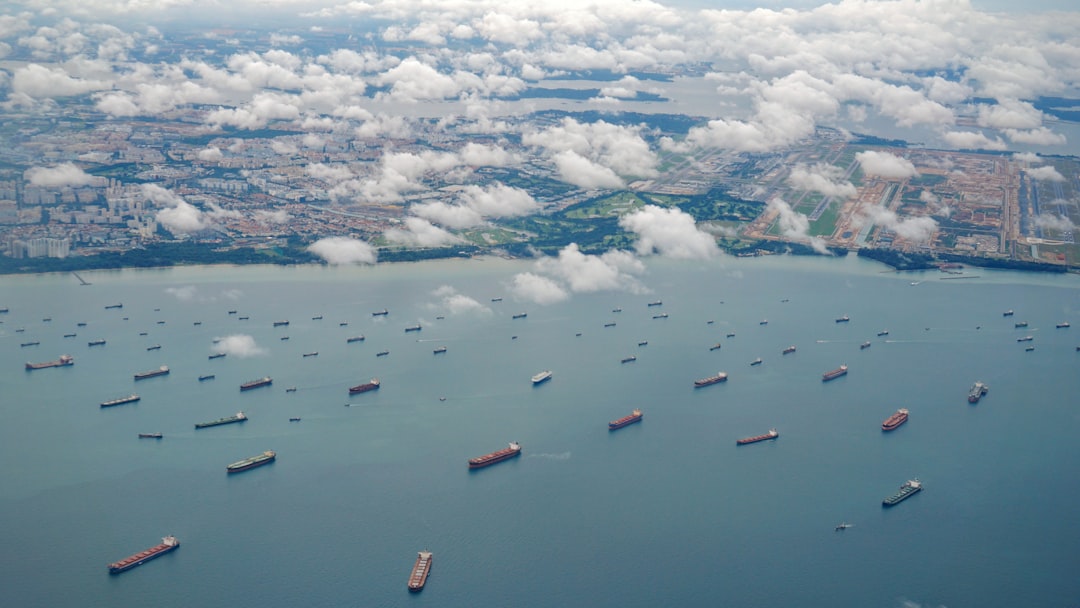
The Panama Canal stands as one of the most remarkable engineering feats in human history, a vital waterway that connects the Atlantic and Pacific Oceans. Completed in 1914, this artificial canal spans approximately 50 miles across the Isthmus of Panama, allowing ships to avoid the lengthy and perilous journey around the southern tip of South America. The canal not only revolutionized maritime trade by significantly reducing travel time for vessels but also transformed Panama into a crucial hub for international shipping.
Its strategic location and operational efficiency have made it an indispensable asset for global commerce, influencing trade patterns and economic development across the world. The construction of the Panama Canal was fraught with challenges, including difficult terrain, tropical diseases, and political turmoil. The project was initially undertaken by the French in the 1880s but ultimately failed due to these overwhelming obstacles.
The canal’s opening marked a new era in maritime navigation, enabling larger ships to traverse between oceans with unprecedented ease. Today, it remains a symbol of human ingenuity and determination, reflecting both the triumphs and tribulations of its creation.
Key Takeaways
- The Panama Canal is a key waterway that connects the Atlantic and Pacific Oceans, facilitating global trade and shipping.
- The construction of the Panama Canal had a significant impact on global trade and maritime transportation, reducing travel time and costs for ships.
- Geopolitical rivalry over the control of the Panama Canal intensified in the 20th century, leading to the 1977 Torrijos-Carter Treaties and the eventual transfer of control to Panama in 1999.
- The strategic importance of the Panama Canal in modern geopolitics is evident in its role in global trade, military logistics, and maritime security.
- The United States has had a historical and current involvement in the Panama Canal, including its construction, control, and ongoing interest in its operations and security.
Historical significance of the Panama Canal
The historical significance of the Panama Canal extends far beyond its engineering marvel; it represents a pivotal moment in global trade and international relations. The canal’s completion fundamentally altered shipping routes, allowing for faster and more efficient transportation of goods between Europe and Asia. This shift not only facilitated economic growth for countries involved in maritime trade but also contributed to the rise of the United States as a dominant global power in the early 20th century.
The canal became a strategic asset that enhanced America’s influence in Latin America and beyond, shaping geopolitical dynamics for decades to come. Moreover, the construction of the Panama Canal was emblematic of broader trends in imperialism and colonialism during the late 19th and early 20th centuries. The United States’ involvement in the canal project was driven by a desire to expand its economic and military reach, reflecting a period when nations sought to assert their dominance through territorial control and infrastructure development.
The canal’s historical context is intertwined with issues of sovereignty, as it was built on land that was once part of Colombia, leading to tensions that would resonate throughout the region for years. Thus, the Panama Canal serves as a historical touchstone, illustrating the complexities of power, trade, and diplomacy.
Geopolitical rivalry in the 20th century over the control of the Panama Canal
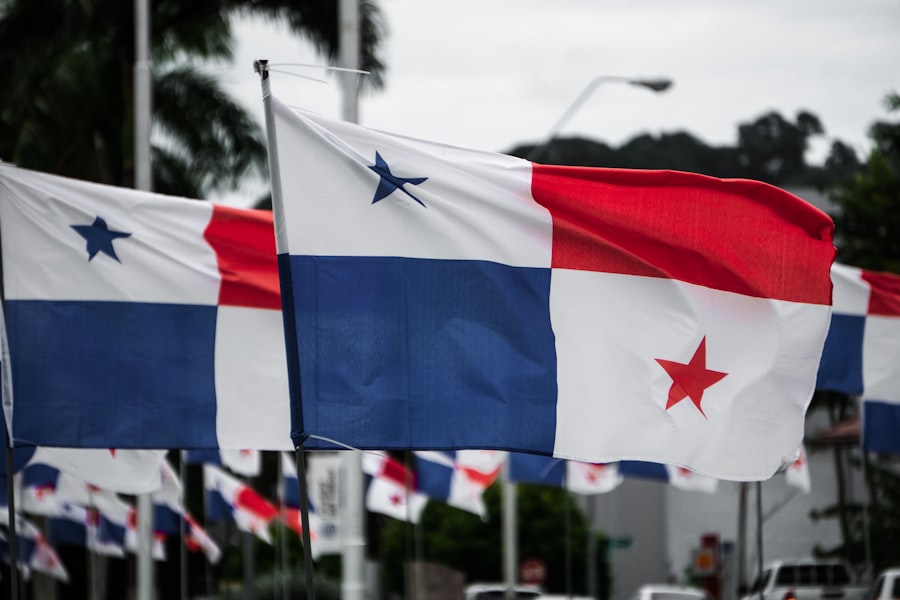
Throughout the 20th century, the Panama Canal became a focal point of geopolitical rivalry, particularly between the United States and other global powers. The canal’s strategic importance made it a coveted asset, leading to various conflicts and negotiations over its control. During World War II, for instance, the canal was crucial for military logistics, allowing Allied forces to move troops and supplies efficiently between theaters of war.
This heightened its significance not only as a commercial route but also as a military lifeline, further entrenching U.S. dominance in the region. The Cold War era saw intensified competition over the canal’s control, as both the United States and the Soviet Union sought to expand their influence in Latin America.
The U.S. viewed the canal as vital to its national security interests, leading to interventions in Panamanian politics to ensure a friendly government was in power. This included support for coups and other forms of political manipulation aimed at maintaining U.S.
hegemony in Central America. The geopolitical rivalry surrounding the canal highlighted broader themes of imperialism and resistance, as Panamanian nationalists increasingly sought to assert their sovereignty over this critical waterway.
The strategic importance of the Panama Canal in modern geopolitics
| Aspect | Details |
|---|---|
| Location | The Panama Canal is located in Central America, connecting the Atlantic and Pacific Oceans. |
| Trade | It facilitates global trade by providing a shortcut for ships, saving time and money. |
| Geopolitics | Control over the canal has been a strategic interest for major powers, impacting global politics. |
| National Security | The canal’s security is crucial for the United States and other countries due to its strategic importance. |
| Economic Impact | The canal contributes significantly to Panama’s economy and has a ripple effect on global trade. |
In contemporary geopolitics, the Panama Canal continues to hold significant strategic importance. As global trade patterns evolve and shipping routes become increasingly congested, the canal remains a vital artery for international commerce. Its ability to accommodate larger vessels through recent expansions has further solidified its role as a key player in global supply chains.
The canal’s efficiency allows for reduced shipping times and costs, making it an essential component of trade between major economies such as China, the United States, and Europe. Additionally, the canal’s strategic location makes it a focal point for emerging geopolitical tensions. As nations vie for influence in Latin America and beyond, control over maritime routes like the Panama Canal becomes increasingly critical.
The rise of new powers, particularly China, has introduced new dynamics into this equation, as countries seek to establish partnerships and secure access to vital trade routes. The canal’s significance is thus not only economic but also political, as it serves as a battleground for influence among global powers.
The United States’ historical and current involvement in the Panama Canal
The United States’ involvement in the Panama Canal has been marked by both historical significance and ongoing relevance. Initially constructed under U.S. auspices, the canal was operated by American authorities until 1999 when control was handed over to Panama under a treaty signed by President Jimmy Carter.
This transfer marked a significant shift in U.S.-Panama relations and reflected broader trends toward decolonization and respect for national sovereignty in Latin America. Despite relinquishing formal control over the canal, the United States remains deeply invested in its operations and security. The U.S.
Moreover, American companies continue to play a significant role in managing logistics and shipping operations related to the canal, ensuring that U.S. influence persists even after formal control has ended.
China’s growing interest and influence in the Panama Canal
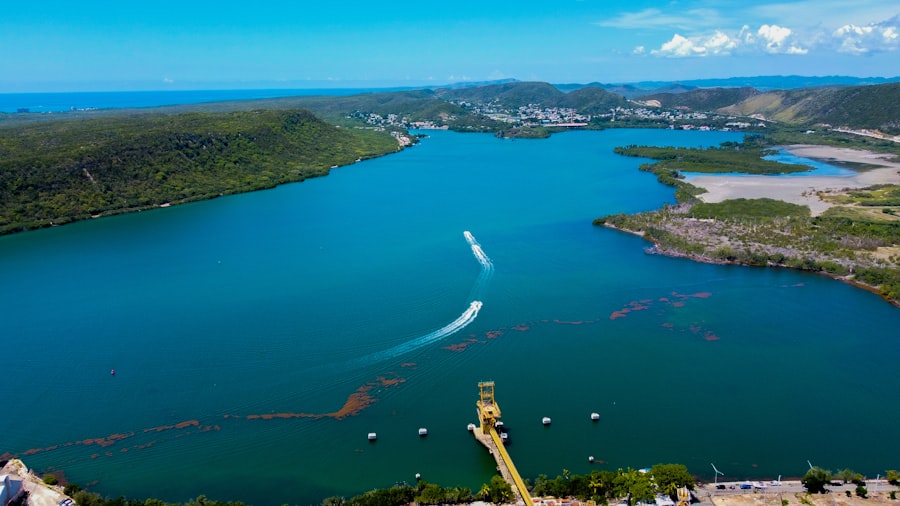
In recent years, China’s growing interest in the Panama Canal has introduced new complexities into its geopolitical landscape. As China seeks to expand its global influence through initiatives like the Belt and Road Initiative (BRI), it has increasingly focused on establishing partnerships with countries that control critical infrastructure such as ports and canals. The Panama Canal is no exception; Chinese investments in Panamanian infrastructure have raised concerns among U.S.
policymakers about potential shifts in control or influence over this vital waterway. China’s engagement with Panama has included investments in port facilities and logistics operations that complement its broader strategy of enhancing trade routes across Latin America. This growing presence has prompted discussions about how China’s influence could reshape regional dynamics and challenge traditional U.S.
dominance in Central America. As both nations vie for partnerships with Panama, the canal becomes a focal point for competition between two global powers seeking to assert their interests on the world stage.
The impact of the Panama Canal on global trade and shipping routes
The impact of the Panama Canal on global trade cannot be overstated; it has fundamentally transformed shipping routes and patterns since its inception. By providing a shortcut between two major oceans, it has enabled vessels to save time and fuel costs while facilitating faster delivery of goods across continents. This efficiency has had far-reaching implications for international commerce, allowing businesses to operate more effectively within an increasingly interconnected global economy.
Moreover, the expansion of the canal in recent years has further enhanced its capacity to accommodate larger vessels known as “New Panamax” ships. This development has reshaped shipping logistics worldwide, as companies adapt their operations to take advantage of this increased capacity. The canal’s role as a critical link in global supply chains underscores its importance not only for individual nations but also for multinational corporations that rely on efficient transportation networks to thrive in competitive markets.
Environmental and economic concerns surrounding the expansion of the Panama Canal
While the expansion of the Panama Canal has brought significant economic benefits, it has also raised important environmental concerns that cannot be overlooked. The construction process involved substantial alterations to local ecosystems, including deforestation and changes to water flow patterns that have impacted biodiversity in surrounding areas. Critics argue that these environmental costs must be weighed against economic gains, highlighting the need for sustainable practices in infrastructure development.
Additionally, there are ongoing debates about how best to balance economic growth with environmental stewardship in relation to canal operations. As global awareness of climate change increases, stakeholders are increasingly calling for measures that prioritize ecological sustainability alongside economic development. This tension between growth and conservation presents challenges for policymakers tasked with managing this vital waterway while ensuring that future generations can benefit from its resources without compromising environmental integrity.
The role of international organizations in the governance of the Panama Canal
International organizations play a crucial role in overseeing governance related to the Panama Canal, ensuring that its operations align with global standards for trade and environmental protection. Organizations such as the International Maritime Organization (IMO) provide frameworks for maritime safety and environmental regulations that impact how vessels navigate through this critical waterway. These guidelines help maintain safety standards while promoting sustainable practices among shipping companies operating within the canal.
Furthermore, regional organizations like the Central American Integration System (SICA) facilitate cooperation among member states regarding issues related to trade and infrastructure development within Central America. By fostering dialogue among nations that rely on or are affected by canal operations, these organizations contribute to collaborative efforts aimed at maximizing benefits while addressing challenges associated with this vital maritime route.
Future challenges and opportunities for the Panama Canal in the context of geopolitical rivalry
As geopolitical rivalries continue to evolve, future challenges and opportunities for the Panama Canal will likely emerge from shifting power dynamics among global players. The increasing competition between established powers like the United States and rising nations such as China presents both risks and possibilities for this vital waterway’s future governance and operation. Navigating these complexities will require careful diplomacy among stakeholders who recognize that cooperation may yield greater benefits than confrontation.
Additionally, technological advancements may reshape how shipping operates within canals like Panama’s—potentially leading to innovations that enhance efficiency while minimizing environmental impacts. Embracing these opportunities could position Panama as a leader in sustainable maritime practices while reinforcing its status as an essential hub for international trade amidst ongoing geopolitical competition.
The enduring significance of the Panama Canal in global geopolitics
In conclusion, the enduring significance of the Panama Canal within global geopolitics cannot be overstated; it remains a critical asset that shapes trade patterns, influences international relations, and reflects broader trends in power dynamics among nations. From its historical roots as an engineering marvel to its contemporary role as a focal point for geopolitical rivalry between major powers like China and the United States, this waterway continues to be at the center of discussions about commerce, security, and environmental sustainability. As nations navigate an increasingly interconnected world marked by rapid change and uncertainty, understanding how pivotal infrastructures like the Panama Canal impact global dynamics will be essential for policymakers seeking to promote stability while fostering economic growth.
Ultimately, recognizing both opportunities and challenges associated with this vital waterway will be crucial for ensuring its continued relevance in shaping future geopolitical landscapes.
The Panama Canal has long been a focal point of geopolitical rivalry, serving as a critical maritime passage that influences global trade routes and international relations. This strategic waterway has been at the center of various diplomatic and economic tensions, as nations vie for influence over its operations and access. For a deeper understanding of the geopolitical dynamics surrounding the Panama Canal, you can explore a related article on MyGeoQuest, which delves into the historical and contemporary issues that continue to shape the canal’s role in global affairs.
😨 WATCH THIS! 🚢 The Panama Canal Is a Ticking Time Bomb: What Happens If It Fails?
FAQs
What is the Panama Canal?
The Panama Canal is a man-made waterway that connects the Atlantic Ocean to the Pacific Ocean. It cuts across the Isthmus of Panama and is a key route for international maritime trade.
What is the significance of the Panama Canal?
The Panama Canal is significant because it provides a crucial shortcut for ships traveling between the Atlantic and Pacific Oceans, saving them from having to navigate around the southern tip of South America. This saves time, fuel, and money for international trade.
What is the geopolitical rivalry surrounding the Panama Canal?
The geopolitical rivalry surrounding the Panama Canal involves the strategic control and influence over the canal by various countries and international powers. This includes competition for control of the canal, its operations, and its surrounding areas.
Which countries have been involved in the geopolitical rivalry over the Panama Canal?
The United States and Panama have historically been involved in the geopolitical rivalry over the Panama Canal. Other countries, such as China and Russia, have also shown interest in the canal’s strategic importance.
How has the geopolitical rivalry over the Panama Canal impacted its operations?
The geopolitical rivalry over the Panama Canal has led to tensions and negotiations between countries regarding its management, security, and expansion. It has also influenced the political and economic dynamics of the region.