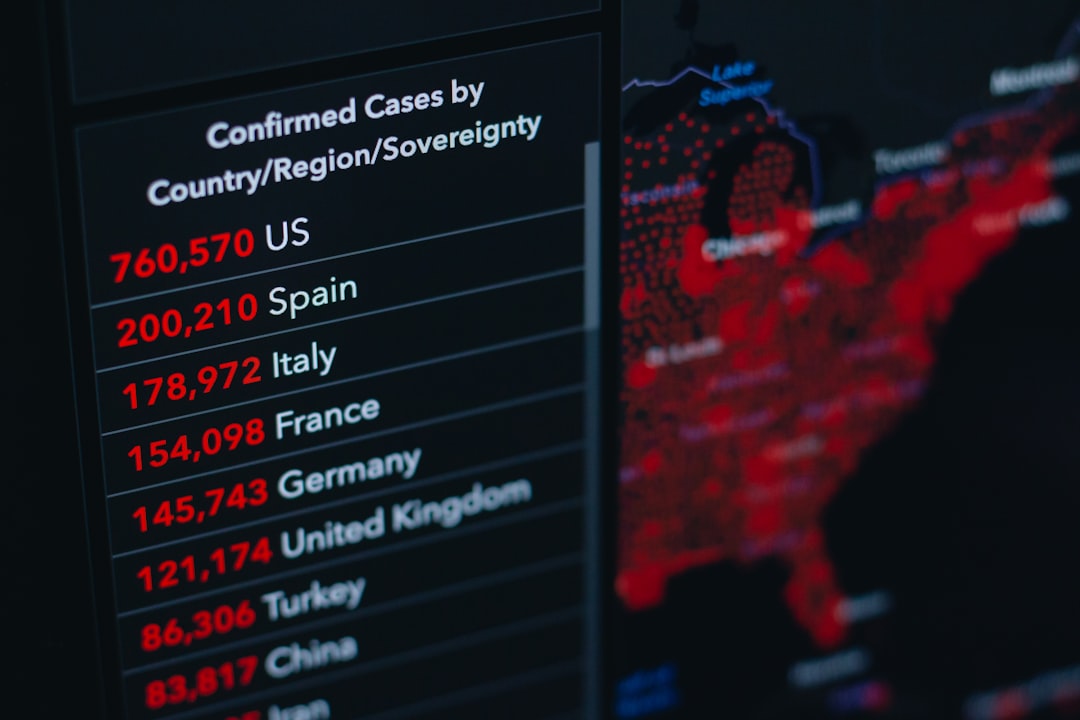
The global demand for lithium, a crucial element powering the modern technological revolution, is escalating at an unprecedented rate. From electric vehicles to portable electronics and grid-scale energy storage, lithium-ion batteries have become the indispensable energy carriers of the 21st century. However, this surging demand casts a long shadow over the geopolitical landscape, as the concentration of lithium reserves and production in a select few nations introduces significant vulnerabilities and latent conflicts. Understanding the geopolitical risks inherent in lithium sourcing is not merely an academic exercise; it is a vital imperative for national security, economic stability, and the sustainable transition to a low-carbon future. The interconnectedness of global supply chains means that disruptions in one corner of the world can reverberate across continents, impacting industries, consumers, and international relations. Examining these risks offers a roadmap to navigating the complex currents of lithium acquisition and fostering a more resilient and equitable supply.
The extraction and refinement of lithium are not evenly distributed across the globe. A handful of countries possess the vast majority of known reserves and dominate the present-day production landscape. This geographical concentration creates a delicate power balance, where the actions and stability of these dominant players carry disproportionate weight in the global market.
The “Lithium Triangle”: A Geopolitical Nexus
The so-called “Lithium Triangle,” spanning Argentina, Bolivia, and Chile, holds an estimated 50% of the world’s known lithium reserves. These arid regions, with their vast salt flats (salares), are rich in the mineral, making them central hubs of extraction. However, this geographical concentration is also a source of inherent geopolitical tension.
The Significance of the Saltares
The unique geological conditions of these salt flats are what make them so attractive for lithium extraction. Brine, rich in lithium salts, is pumped to the surface and left to evaporate in vast ponds, concentrating the lithium over months. This process, while cost-effective in these specific environments, also ties production to the climate and water availability of these regions.
Indigenous Rights and Environmental Concerns
The extractive processes in the Lithium Triangle raise significant concerns regarding indigenous land rights and environmental degradation. The vast water consumption required for brine evaporation can impact local ecosystems and communities that rely on these scarce water resources. Navigating these issues is a delicate act, balancing economic interests with social and environmental justice.
Australia: The Brine’s Landlocked Cousin
While the Lithium Triangle dominates brine-based production, Australia stands as a leading producer of hard-rock lithium, primarily from spodumene ore. Its significant reserves and established mining infrastructure have made it a key player, acting as a crucial supplier to global markets, particularly for Chinese refiners.
Reliance on Spodumene Extraction
Australia’s reliance on hard-rock mining involves different environmental considerations compared to brine extraction. Open-pit mines and chemical processing are the norm, each with its own set of challenges and regulatory frameworks.
The Chinese Connection: Refinement Dominance
A significant portion of Australia’s raw spodumene concentrate is exported to China for refinement into battery-grade lithium chemicals. This strong interdependency highlights a critical aspect of the geopolitical risk: the concentration of downstream processing.
Other Emerging Producers and Potential Hotspots
Beyond the established giants, several other countries are increasingly contributing to the global lithium supply or hold significant untapped potential. These emerging players, while currently less influential, could become pivotal in future supply dynamics, potentially introducing new geopolitical considerations.
Growth in North America: Canada and the United States
North American countries, particularly Canada and the United States, are actively seeking to expand their domestic lithium production. This is driven by a desire for supply chain security and to reduce reliance on foreign sources. New projects are emerging, seeking to capitalize on both brine and hard-rock deposits.
African Potential: Zimbabwe and the Democratic Republic of Congo
Africa, with its vast mineral wealth, also holds significant lithium potential, with countries like Zimbabwe and the Democratic Republic of Congo showing promise. However, political instability, underdeveloped infrastructure, and governance challenges can impede development and introduce unique geopolitical risks.
South American Neighbors: Brazil and Peru
Other South American nations like Brazil and Peru are also exploring and developing lithium resources. Their proximity to the Lithium Triangle could create regional supply networks or, conversely, add another layer of complexity to existing geopolitical dynamics.
Geopolitical risk in lithium sourcing has become a critical concern as the demand for electric vehicles and renewable energy storage continues to rise. A related article that delves deeper into this issue can be found at MyGeoQuest, where the complexities of international relations and their impact on lithium supply chains are explored. Understanding these dynamics is essential for stakeholders in the energy sector to navigate potential disruptions and ensure a stable supply of this vital resource.
The Supply Chain’s Fragile Spine: Dependencies and Vulnerabilities
The journey of lithium from a raw mineral in the earth to a refined battery component is a complex and multi-stage process, riddled with potential points of failure. The global supply chain for lithium is not a robust, interconnected network but rather a series of specialized nodes, each with its own inherent vulnerabilities.
The Concentration of Refining Capacity
Perhaps the most significant vulnerability in the lithium supply chain lies in the overwhelming concentration of refining capacity, particularly in China. While other countries may possess ample reserves, the ability to transform raw lithium into the high-purity chemicals required for batteries is largely concentrated in a few hands.
China’s Dominant Role in Downstream Processing
China has strategically invested heavily in lithium refining and battery manufacturing, positioning itself as the undisputed leader in the downstream segment of the supply chain. This dominance means that disruptions in Chinese refining operations, whether due to domestic policy, natural disasters, or trade disputes, can have a ripple effect on global battery production.
The “Bottleneck” Effect
This concentration of refining creates a significant bottleneck. Even if other nations increase their extraction of raw lithium, their ability to produce battery-grade materials is heavily reliant on Chinese processing capabilities. This reliance limits the diversification of supply and increases susceptibility to geopolitical leverage.
Logistics and Transportation: The Arteries of Supply
The physical movement of lithium across vast distances is another critical aspect of the supply chain where geopolitical risks can manifest. Shipping routes, port access, and the stability of transit countries all play a role in ensuring a steady flow of materials.
Maritime Trade Routes and Chokepoints
The majority of global lithium trade relies on maritime transport. Key shipping lanes and vital chokepoints, such as the Strait of Malacca or the Suez Canal, are susceptible to disruption from geopolitical conflicts, piracy, or natural events. Any blockage or delay in these routes can significantly impact delivery timelines and costs.
The Impact of Sanctions and Trade Restrictions
Geopolitical tensions can manifest in the form of sanctions or trade restrictions imposed by nations. These measures can directly impact the ability to transport lithium or its derivatives, creating significant hurdles for both producers and consumers.
Technological and Industrial Interdependence
The lithium supply chain is not just about raw materials; it also involves specialized technologies and industrial know-how. The countries that control these aspects of the value chain can exert considerable influence.
The Intellectual Property Landscape
Patents and proprietary technologies related to lithium extraction, processing, and battery manufacturing are often held by companies in specific countries. This can create barriers to entry for new producers and foster dependencies on existing technological leaders.
The Importance of Battery Manufacturing Expertise
Beyond the raw materials, the ability to design and manufacture high-performance lithium-ion batteries is a crucial industrial capability. A concentration of this expertise can create imbalances in global negotiations and trade.
Geopolitical Flashpoints and Emerging Tensions
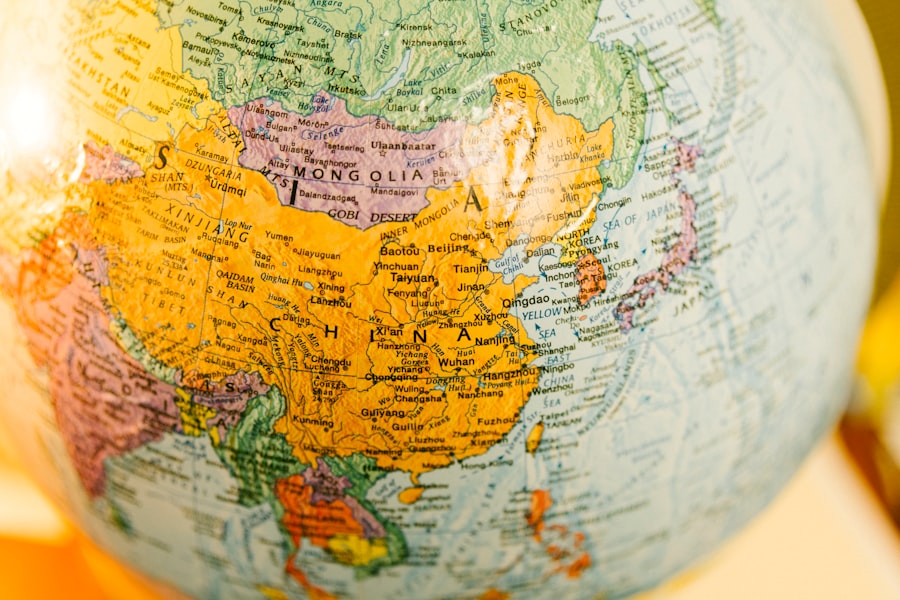
The intrinsic value of lithium, coupled with its concentrated supply, creates fertile ground for geopolitical friction. As the demand continues to soar, the competition for secure and stable access to these resources intensifies, potentially igniting existing territorial disputes or fostering new rivalries.
Resource Nationalism and State Control
As the strategic importance of lithium becomes increasingly apparent, many nations are asserting greater control over their mineral resources. This trend, known as resource nationalism, can lead to increased state intervention in mining operations, altered contractual terms for foreign investors, and potentially export restrictions.
Protectionist Policies and Import/Export Controls
Governments may implement protectionist policies aimed at prioritizing domestic processing or battery manufacturing. This can involve imposing higher tariffs on exported raw lithium or offering incentives for companies to establish production facilities within their borders.
Shifting Investment Landscapes
The rise of resource nationalism can create uncertainty for foreign investors, who may face the risk of expropriation, contract renegotiation, or sudden policy changes. This can lead to a redirection of investment flows and a reevaluation of geopolitical risk appetites.
Territorial Disputes and Sovereignty Claims
In some regions, lithium-rich territories are the subject of overlapping sovereignty claims or long-standing territorial disputes. Geopolitical powers may find themselves vying for influence or direct control over these resource-rich areas, potentially exacerbating existing tensions.
Border Regions and Contested Territories
Areas with significant lithium deposits that lie near contested borders can become focal points of geopolitical jockeying. The economic potential of lithium can add a new dimension to existing political rivalries.
The Impact of International Law and Diplomacy
Navigating these disputes requires careful consideration of international law, diplomatic negotiations, and the potential for conflict resolution mechanisms. The scramble for resources can put immense pressure on these frameworks.
Strategic Alliances and Competition for Access
Countries are actively forging strategic alliances and pursuing bilateral agreements to secure their lithium supplies. This is leading to a complex web of partnerships and rivalries as nations seek to outmaneuver each other in the global quest for this critical mineral.
The “Lithium Diplomacy” Landscape
We are witnessing a rise in “lithium diplomacy,” where countries leverage their lithium resources or their demand for lithium in their foreign policy interactions. This can involve offering preferential access in exchange for political alignment or economic concessions.
The Role of State-Owned Enterprises and Sovereign Wealth Funds
State-owned enterprises and sovereign wealth funds are increasingly playing a significant role in securing lithium assets abroad. These entities can act as instruments of national strategy, acquiring stakes in mining operations or investing in battery technology to ensure their home countries’ long-term supply security.
Diversification and Mitigation Strategies: Charting a Sustainable Course
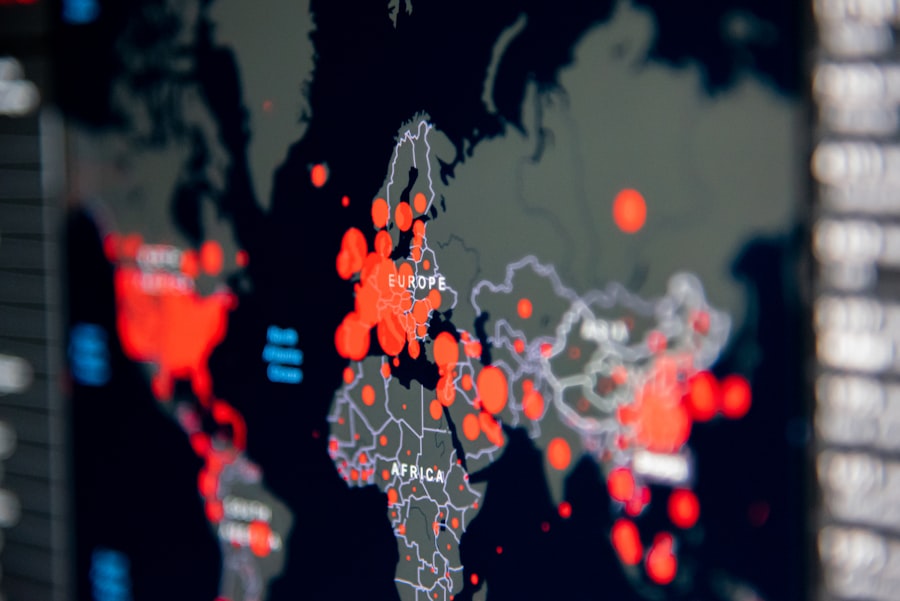
The geopolitical risks associated with lithium sourcing are significant, but they are not insurmountable. A proactive and strategic approach focusing on diversification, technological innovation, and international cooperation can help mitigate these vulnerabilities and build a more resilient global supply chain. If we perceive the current lithium supply chain as a single, vulnerable artery, then diversification and innovation are akin to developing a robust circulatory system, capable of rerouting blood flow and withstanding blockages.
Expanding Geographic Exploration and Production
Reducing reliance on a few dominant producers requires a concerted effort to explore and develop lithium resources in a wider range of countries. This involves not only identifying new deposits but also creating an environment conducive to responsible and sustainable extraction.
Investing in Underexplored Regions
Encouraging investment in under-explored regions, particularly those with political stability and clear regulatory frameworks, is crucial. This includes providing financial incentives, technical assistance, and risk-sharing mechanisms for mining companies.
Promoting Sustainable Extraction Technologies
The development and adoption of more sustainable and environmentally friendly extraction technologies are vital. This includes innovations that reduce water consumption, minimize land disturbance, and improve the efficiency of lithium recovery.
Developing Advanced Recycling and Circular Economy Models
The concept of a circular economy, where materials are reused and recycled at the end of their life cycle, offers a promising avenue for reducing reliance on virgin lithium. Developing efficient and cost-effective battery recycling processes is paramount.
The Potential of Battery Recycling
As the number of electric vehicles and electronic devices grows, so too will the volume of spent lithium-ion batteries. Investing in and scaling up advanced recycling technologies can recover valuable materials, including lithium, cobalt, and nickel, thereby reducing the need for new mining.
Designing for Recyclability
Beyond recycling processes, emphasis should be placed on designing batteries with recyclability in mind. This includes using standardized components, minimizing the use of hazardous materials, and developing easier methods for disassembly.
Strengthening International Cooperation and Standard Setting
Addressing the geopolitical risks of lithium sourcing requires a collaborative approach on the international stage. Establishing common standards, promoting transparency, and fostering dialogue can help build trust and stability within the global supply chain.
Establishing Global Frameworks for Responsible Sourcing
Developing international frameworks and agreements that promote responsible sourcing practices, including environmental protection, labor rights, and benefit-sharing with local communities, is essential. This can help prevent exploitation and foster equitable development.
Promoting Transparency and Information Sharing
Increased transparency in lithium reserve data, production figures, and pricing mechanisms can help reduce market volatility and foster a more level playing field. Open communication channels among nations and stakeholders can mitigate misunderstandings and prevent potential conflicts.
As the demand for electric vehicles continues to rise, the geopolitical risks associated with lithium sourcing have become increasingly prominent. Countries rich in lithium reserves, such as Bolivia and Chile, are navigating complex political landscapes that can impact global supply chains. For a deeper understanding of these dynamics, you can explore a related article that discusses the implications of geopolitical tensions on lithium production and its effects on the green energy transition. This insightful piece can be found here.
The Future of Lithium: Navigating the Currents of Change
| Country | Global Lithium Reserves (%) | Political Stability Index (2023) | Export Restrictions | Geopolitical Risk Level | Key Concerns |
|---|---|---|---|---|---|
| Chile | 23% | 0.45 | Moderate | Medium | Social unrest, regulatory changes |
| Australia | 21% | 1.20 | Low | Low | Stable governance, strong mining sector |
| Argentina | 16% | 0.10 | Moderate | Medium-High | Economic instability, policy uncertainty |
| China | 7% | 0.30 | High | High | Export controls, geopolitical tensions |
| Bolivia | 9% | -0.50 | High | High | Nationalization risks, infrastructure challenges |
The geopolitical landscape of lithium sourcing is dynamic and constantly evolving. The confluence of escalating demand, technological advancements, and shifting global power dynamics presents both challenges and opportunities. Navigating these currents requires foresight, adaptability, and a commitment to sustainable and equitable resource management. The story of lithium is far from over; it is a narrative still being written, and the choices made today will profoundly shape the energy future of tomorrow.
The Role of Technological Innovation in Future Supply
Technological breakthroughs will undoubtedly play a pivotal role in shaping the future of lithium sourcing. Innovations in extraction methods, battery chemistry, and energy storage will create new avenues for supply and potentially disrupt existing power structures.
Novel Extraction Techniques
Research into alternative extraction techniques, such as direct lithium extraction from brines using advanced membranes or electrochemical processes, promises to be more efficient and less environmentally impactful than current evaporation methods. These innovations could unlock new reserves and reduce reliance on specific geographical locations.
Advances in Battery Chemistry
The ongoing development of new battery chemistries, such as solid-state batteries or those utilizing alternative anode materials, could reduce the overall dependence on lithium, or at least shift the demand towards different forms or purities of the element. This diversification of battery technology offers a crucial hedge against lithium supply chain vulnerabilities.
The Impact of Geopolitical Shifts on the Lithium Market
The geopolitical landscape is inherently fluid, and any significant shifts in global power dynamics or regional stability will inevitably impact the lithium market. Understanding these potential shifts is crucial for anticipating future supply chain disruptions and political maneuvers.
The Rise of New Powers or Alliances
The emergence of new economic powers or the formation of new geopolitical alliances could create new players vying for lithium resources or alter existing trade routes and partnerships. This could lead to a restructuring of the global supply chain and new areas of competition.
The Influence of Climate Change Policies
Global climate change mitigation efforts and the increasing adoption of electric vehicles will continue to drive lithium demand. Conversely, the impacts of climate change itself, such as water scarcity in arid lithium-rich regions, could pose direct threats to production.
The Imperative of Strategic Planning and Risk Management
Ultimately, addressing the geopolitical risks of lithium sourcing requires a long-term strategic vision and robust risk management frameworks. Nations and industries must proactively identify potential vulnerabilities and develop contingency plans to ensure supply chain resilience.
Building Strategic Reserves and Diversified Portfolios
Establishing strategic reserves of lithium and its key derivatives, similar to oil reserves, could provide a buffer against short-term supply shocks. Furthermore, diversifying investment portfolios across various geographical regions and extraction methods can mitigate risks associated with single-source dependencies.
Fostering Public-Private Partnerships for Supply Chain Security
Collaboration between governments and private companies is essential for navigating the complexities of lithium sourcing. Public-private partnerships can facilitate investment in exploration and development, support research into new technologies, and help establish robust supply chain security measures. The journey from the earth’s crust to the heart of our technological age is paved with both immense promise and significant peril. By understanding and actively addressing the geopolitical intricacies of lithium sourcing, humanity can chart a course towards a sustainable and secure energy future, ensuring that the fuel of innovation does not become the spark of conflict.
FAQs
What is geopolitical risk in lithium sourcing?
Geopolitical risk in lithium sourcing refers to the potential for political instability, government policies, trade restrictions, or conflicts in lithium-producing regions to disrupt the supply chain and affect the availability and price of lithium.
Why is lithium important in the global market?
Lithium is a critical component in the production of batteries for electric vehicles, portable electronics, and energy storage systems. Its demand has surged due to the global shift towards renewable energy and electric mobility.
Which countries are the major producers of lithium?
The major lithium-producing countries include Australia, Chile, Argentina, and China. These countries hold significant lithium reserves and dominate global lithium extraction and processing.
How can geopolitical risks impact lithium supply chains?
Geopolitical risks can lead to export restrictions, nationalization of resources, supply disruptions, increased costs, and uncertainty in the lithium market, affecting manufacturers and consumers worldwide.
What measures can companies take to mitigate geopolitical risks in lithium sourcing?
Companies can diversify their supply sources, invest in recycling technologies, develop alternative battery materials, establish long-term contracts, and engage in strategic partnerships to reduce dependence on high-risk regions.