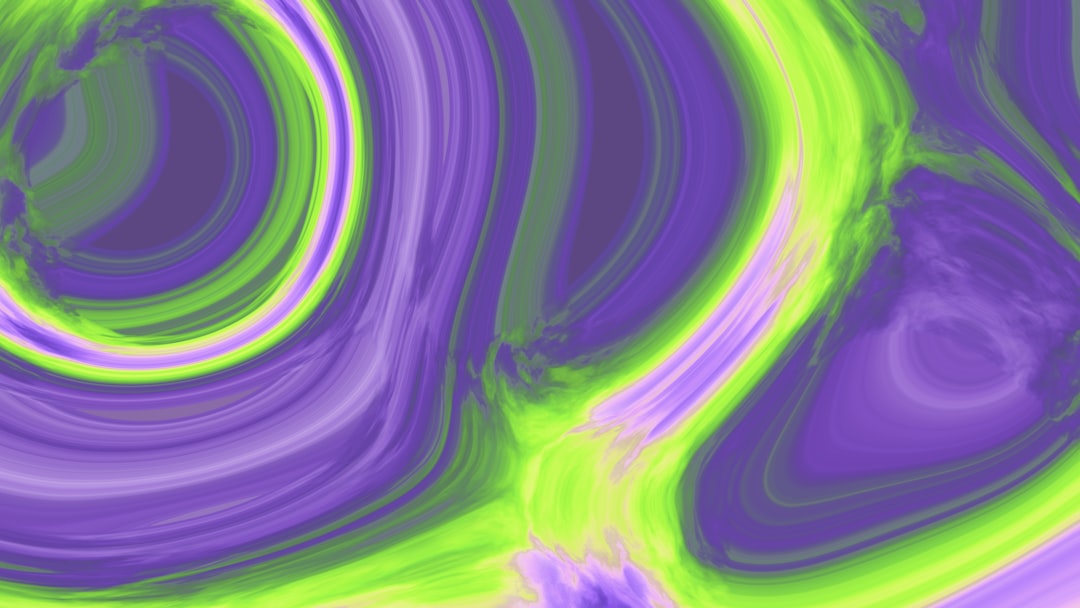
Geomagnetic storms are disturbances in the Earth’s magnetosphere caused by solar wind and solar flares. These storms occur when the sun emits a large burst of energy, which can include charged particles that travel through space and interact with the Earth’s magnetic field. The intensity of these storms can vary significantly, ranging from minor fluctuations to severe events that can have profound effects on technology and infrastructure.
The phenomenon is primarily driven by solar activity, particularly during periods of heightened solar cycles, which can last for several years. The impact of geomagnetic storms extends beyond mere scientific curiosity; they can disrupt communication systems, navigation technologies, and even power grids. As the Earth’s magnetic field interacts with the incoming solar particles, it can induce electric currents in conductive materials on the surface, leading to a range of potential issues.
Understanding geomagnetic storms is crucial for preparing for their effects, especially as society becomes increasingly reliant on technology that can be vulnerable to such natural events.
Key Takeaways
- Geomagnetic storms, caused by solar activity, can disrupt power grids by inducing harmful electrical currents.
- Historical geomagnetic storms have led to significant power outages, highlighting vulnerabilities in grid infrastructure.
- Power grid failures from geomagnetic storms can result in widespread economic losses and societal disruption.
- Protective measures include grid hardening, real-time monitoring, and international collaboration to enhance resilience.
- Ongoing research, public education, and space weather forecasting are crucial for improving future power grid stability against geomagnetic storms.
How do Geomagnetic Storms Affect the Power Grid?
Geomagnetic storms can have significant repercussions for power grids, primarily through the induction of geomagnetically induced currents (GICs). These currents can flow through power lines and transformers, potentially causing equipment damage and operational failures. When a geomagnetic storm occurs, the fluctuations in the Earth’s magnetic field can create voltage imbalances in electrical systems, leading to transformer overheating and even catastrophic failures.
This phenomenon poses a serious risk to the stability and reliability of electrical infrastructure. Moreover, the effects of geomagnetic storms are not limited to immediate disruptions. The aftermath of a storm can lead to prolonged outages and costly repairs.
Utilities may face challenges in restoring power due to damaged equipment and the need for specialized components that may not be readily available. The cascading effects of such disruptions can ripple through economies, affecting everything from businesses to individual households that rely on consistent power supply.
Historical Examples of Geomagnetic Storms Impacting the Power Grid

One of the most notable historical examples of a geomagnetic storm impacting the power grid occurred in March 1989.
The storm induced strong GICs that overwhelmed transformers and led to widespread outages.
This event highlighted the vulnerability of power systems to space weather phenomena and served as a wake-up call for utilities worldwide regarding the need for better preparedness. Another significant incident took place in 2003 when a series of geomagnetic storms led to disruptions in various regions, including parts of Europe and North America. Utilities reported voltage fluctuations and equipment malfunctions, prompting many to reevaluate their infrastructure’s resilience against such natural events.
These historical examples underscore the importance of understanding geomagnetic storms and their potential to disrupt modern electrical systems.
Potential Consequences of Power Grid Failure Due to Geomagnetic Storms
The consequences of power grid failure due to geomagnetic storms can be far-reaching and multifaceted.
Hospitals, emergency services, and communication networks rely heavily on stable electricity supplies; disruptions can hinder their operations and compromise public safety.
In extreme cases, prolonged outages could lead to life-threatening situations for vulnerable populations. Economically, the fallout from power grid failures can be staggering. Businesses may face significant losses due to halted operations, while individuals may incur costs related to food spoilage and other inconveniences.
The repair and replacement of damaged equipment can also strain utility budgets, leading to increased rates for consumers. The cumulative effect of these disruptions can ripple through local economies, affecting everything from employment rates to overall economic stability.
Measures Taken to Protect the Power Grid from Geomagnetic Storms
| Metric | Description | Typical Range/Value | Impact on Power Grid |
|---|---|---|---|
| Dst Index (nT) | Disturbance Storm Time index measuring geomagnetic storm intensity | -20 to -600 (severe storms) | Higher negative values indicate stronger storms causing transformer saturation and grid instability |
| GIC (Geomagnetically Induced Current) (Amps) | Current induced in power grid conductors due to geomagnetic disturbances | 0 to 1000+ Amps | High GIC can cause transformer overheating and damage |
| Transformer Heating (°C increase) | Temperature rise in transformers due to GIC | Up to 30°C above normal | Excessive heating reduces transformer lifespan and can cause failure |
| Voltage Stability Margin (%) | Margin before voltage collapse during geomagnetic disturbances | 5% to 20% | Lower margins increase risk of voltage collapse during storms |
| Frequency Deviation (Hz) | Change in grid frequency due to geomagnetic storm effects | ±0.1 Hz typical | Large deviations can trigger protective relays and outages |
| Number of Grid Outages | Reported outages linked to geomagnetic storms per event | 0 to 10+ depending on storm severity | Severe storms can cause widespread outages |
In response to the growing awareness of geomagnetic storm risks, various measures have been implemented to protect power grids. Utilities have begun investing in advanced monitoring systems that can detect geomagnetic activity in real-time, allowing for proactive measures to mitigate potential impacts. These systems enable operators to adjust grid operations during periods of heightened solar activity, reducing the likelihood of damage from GICs.
Additionally, infrastructure upgrades are being prioritized to enhance resilience against geomagnetic storms. This includes reinforcing transformers and other critical components to withstand induced currents better. Some utilities are also exploring alternative designs for power lines that minimize susceptibility to GICs.
By taking these steps, utilities aim to safeguard their systems against the unpredictable nature of space weather.
The Role of Space Weather Forecasting in Mitigating the Impact of Geomagnetic Storms

Space weather forecasting plays a crucial role in mitigating the impact of geomagnetic storms on power grids. Organizations such as the National Oceanic and Atmospheric Administration (NOAA) and NASA monitor solar activity and provide forecasts that help utilities prepare for potential storms. These forecasts include information about solar flares, coronal mass ejections (CMEs), and other phenomena that could lead to geomagnetic disturbances.
By utilizing advanced satellite technology and ground-based observatories, forecasters can predict when a geomagnetic storm is likely to occur and its potential intensity. This information allows utilities to implement precautionary measures, such as temporarily reducing load or taking certain equipment offline during high-risk periods. Effective space weather forecasting is essential for minimizing disruptions and ensuring that power grids remain resilient in the face of solar activity.
International Cooperation in Addressing the Threat of Geomagnetic Storms to the Power Grid
The global nature of geomagnetic storms necessitates international cooperation in addressing their potential impacts on power grids. Countries around the world share data and research related to space weather phenomena, fostering collaboration among scientists and utility operators alike. This exchange of information is vital for developing comprehensive strategies to protect electrical infrastructure from geomagnetic disturbances.
International organizations, such as the International Space Environment Service (ISES), play a pivotal role in facilitating this cooperation by providing timely alerts about solar activity and its potential effects on Earth. By working together, nations can enhance their preparedness for geomagnetic storms and develop best practices for mitigating risks associated with these natural events.
The Economic Impact of Power Grid Failure Caused by Geomagnetic Storms
The economic impact of power grid failure due to geomagnetic storms can be profound and multifaceted. When a significant storm disrupts electricity supply, businesses may experience immediate financial losses due to halted production or service delivery. The costs associated with repairing damaged infrastructure can also be substantial, often requiring significant investments from utilities that may ultimately be passed on to consumers through higher rates.
Moreover, the broader economic implications extend beyond immediate losses. Prolonged outages can lead to decreased consumer confidence and spending, affecting local economies’ overall health. In sectors such as agriculture or manufacturing, where timing is critical, even short disruptions can result in cascading effects that impact supply chains and market stability.
The Importance of Research and Development in Protecting the Power Grid from Geomagnetic Storms
Research and development (R&D) play a vital role in enhancing the resilience of power grids against geomagnetic storms. Ongoing studies focus on understanding the mechanisms behind GICs and their effects on electrical infrastructure. By advancing knowledge in this area, researchers aim to develop innovative solutions that can mitigate risks associated with geomagnetic disturbances.
Investment in R&D also extends to developing new technologies that improve monitoring capabilities and enhance grid resilience. For instance, researchers are exploring advanced materials for transformers that can better withstand induced currents or innovative designs for power lines that reduce susceptibility to GICs. By prioritizing R&D efforts, utilities can stay ahead of potential threats posed by geomagnetic storms.
Public Awareness and Education on Geomagnetic Storms and the Power Grid
Public awareness and education regarding geomagnetic storms are essential components of preparedness efforts. Many individuals remain unaware of how these natural phenomena can impact their daily lives or the infrastructure they rely on. By increasing public knowledge about geomagnetic storms and their potential effects on power grids, communities can better understand the importance of resilience measures.
Educational initiatives can take various forms, including community workshops, informational campaigns, and partnerships with schools to incorporate space weather topics into curricula. By fostering a culture of awareness around geomagnetic storms, individuals can become more proactive in preparing for potential disruptions and supporting efforts aimed at enhancing grid resilience.
The Future of Power Grid Resilience in the Face of Geomagnetic Storms
Looking ahead, the future of power grid resilience in the face of geomagnetic storms will likely involve a combination of technological advancements, improved forecasting capabilities, and enhanced international collaboration. As society continues to rely on electricity for nearly every aspect of daily life, ensuring that power grids remain robust against natural threats will be paramount. Utilities will need to adopt a proactive approach that includes regular assessments of infrastructure vulnerabilities and ongoing investments in R&D aimed at developing innovative solutions.
Additionally, fostering public awareness will be crucial in building community resilience against potential disruptions caused by geomagnetic storms. By taking these steps collectively, society can work towards a future where power grids are better equipped to withstand the challenges posed by space weather phenomena.
Geomagnetic storms pose a significant threat to power grid infrastructure, as highlighted in the article discussing the vulnerabilities associated with these natural phenomena. For a deeper understanding of how geomagnetic storms can impact electrical systems and the measures that can be taken to mitigate these risks, you can read more in this related article: Geomagnetic Storms and Power Grid Vulnerability.
FAQs
What is a geomagnetic storm?
A geomagnetic storm is a temporary disturbance of the Earth’s magnetosphere caused by solar wind shock waves and/or cloud of magnetic field that interact with the Earth’s magnetic field. These storms can disrupt satellite operations, communications, and power systems.
How do geomagnetic storms affect power grids?
Geomagnetic storms induce electric currents in the Earth’s surface, known as geomagnetically induced currents (GICs). These currents can flow through power grid infrastructure, potentially damaging transformers, causing voltage instability, and leading to widespread power outages.
Which components of the power grid are most vulnerable to geomagnetic storms?
High-voltage transformers and long transmission lines are particularly vulnerable to geomagnetic storms. Transformers can overheat or suffer permanent damage due to GICs, and transmission lines can experience voltage fluctuations and protective relay malfunctions.
What regions are most at risk from geomagnetic storm impacts on power grids?
Regions at higher geomagnetic latitudes, such as northern parts of North America, Europe, and Asia, are generally more susceptible to geomagnetic storm effects due to stronger induced currents. However, severe storms can impact power grids at lower latitudes as well.
Can power grids be protected against geomagnetic storms?
Yes, power grids can be protected through various mitigation strategies, including installing GIC monitoring systems, using transformer design improvements, implementing operational procedures during storms, and enhancing grid resilience through infrastructure upgrades.
How often do geomagnetic storms occur?
Geomagnetic storms vary in frequency and intensity, often linked to the 11-year solar cycle. Minor storms occur frequently, while severe storms are less common but can have significant impacts when they occur.
What are the potential consequences of a severe geomagnetic storm on the power grid?
A severe geomagnetic storm can cause widespread transformer damage, prolonged power outages, increased maintenance costs, and disruptions to critical services dependent on electricity, such as communication, transportation, and emergency response systems.
Are there early warning systems for geomagnetic storms?
Yes, space weather monitoring agencies use satellites and ground-based instruments to detect solar activity and provide early warnings of geomagnetic storms. These warnings allow power grid operators to take precautionary measures to reduce potential damage.
What role do government and industry play in addressing geomagnetic storm vulnerabilities?
Governments and industry collaborate to develop standards, conduct research, implement monitoring systems, and establish emergency response plans to enhance the resilience of power grids against geomagnetic storm impacts.
Is public awareness important in managing geomagnetic storm risks?
Yes, public awareness helps communities understand the potential impacts of geomagnetic storms, supports preparedness efforts, and encourages cooperation during power outages or other disruptions caused by space weather events.