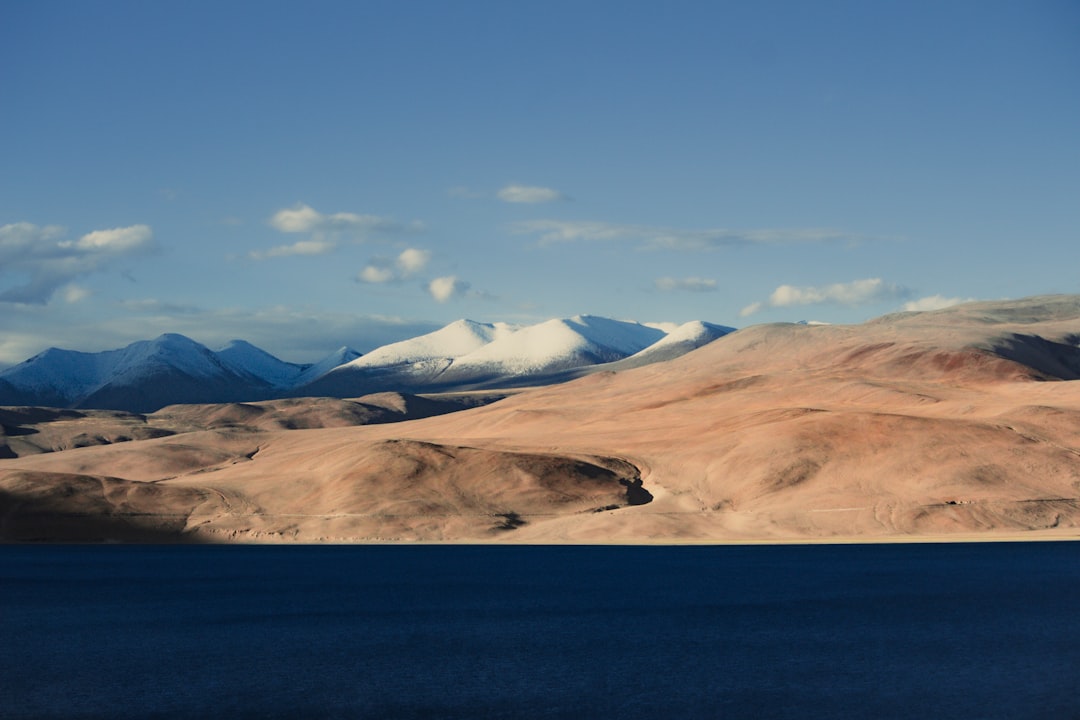
Patagonia, a vast region located at the southern end of South America, is renowned for its breathtaking landscapes and rich biodiversity. Spanning both Chile and Argentina, this remote area is characterized by its dramatic mountains, expansive glaciers, and rugged coastlines. The allure of Patagonia lies not only in its natural beauty but also in its sense of adventure and exploration.
The region serves as a gateway to the Drake Passage, a body of water that separates South America from Antarctica. This passage is often regarded as one of the most treacherous maritime routes in the world, yet it is also a vital corridor for those seeking to experience the untouched wilderness of the Antarctic. The Drake Passage has long captured the imagination of explorers and adventurers alike.
Its unpredictable weather patterns and turbulent waters have earned it a reputation that both intimidates and excites those who dare to traverse it. For many, the journey through the Drake Passage is not merely a means to an end but an integral part of the adventure itself. As travelers embark on their expeditions to Patagonia, they are often filled with anticipation for the wonders that await them on both sides of this formidable waterway.
Key Takeaways
- Patagonia is a region of stunning natural beauty, located at the southern tip of South America, and is home to the famous Drake Passage.
- The unique geography and climate of Patagonia includes towering mountains, vast grasslands, and diverse ecosystems, shaped by the harsh winds and extreme weather conditions.
- Patagonia is rich in wildlife and biodiversity, with iconic species such as the Andean condor, guanaco, and the elusive puma inhabiting the region.
- The culture and people of Patagonia are influenced by the region’s indigenous heritage, as well as the traditions of European settlers and modern-day adventurers.
- Exploring the glaciers and icefields of Patagonia offers a once-in-a-lifetime experience, with opportunities for trekking, ice climbing, and boat tours to witness the breathtaking natural wonders.
The Unique Geography and Climate of Patagonia
Patagonia’s geography is as diverse as it is stunning. The region encompasses a variety of landscapes, from the arid steppes of the Patagonian plains to the lush temperate rainforests found along the Chilean coast. Towering peaks such as Mount Fitz Roy and the iconic Cerro Torre dominate the skyline, while vast ice fields like the Southern Patagonian Ice Field serve as a reminder of the region’s glacial past.
The western side of Patagonia experiences a maritime climate, characterized by high levels of precipitation and milder temperatures.
In contrast, the eastern side is marked by a more arid climate, with strong winds and less rainfall. This climatic dichotomy contributes to the region’s rich biodiversity, as different ecosystems thrive in response to varying environmental conditions. Travelers to Patagonia can expect to encounter a range of weather patterns, from sunny days perfect for hiking to sudden storms that can transform the landscape in an instant.
Wildlife and Biodiversity in Patagonia
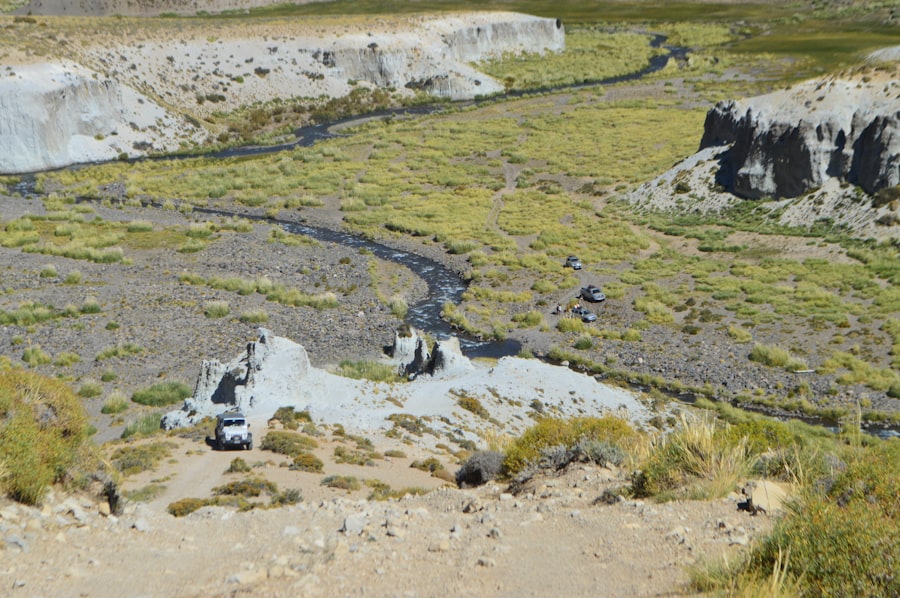
Patagonia is home to an astonishing array of wildlife, making it one of the most biodiverse regions on the planet. The unique ecosystems found here support a variety of species, many of which are endemic to the area. From the majestic Andean condor soaring above the mountains to the elusive puma stalking its prey in the forests, Patagonia offers a glimpse into the natural world at its most raw and untamed.
The region’s coastal waters are equally rich in marine life, with sea lions, penguins, and various species of whales frequently spotted along the shores. The biodiversity of Patagonia is not only a testament to its ecological significance but also a reflection of its conservation efforts. National parks such as Torres del Paine and Los Glaciares have been established to protect these unique habitats and their inhabitants.
These protected areas provide sanctuary for endangered species and serve as vital research sites for scientists studying climate change and its impact on wildlife. Visitors to Patagonia are often struck by the opportunity to witness these incredible creatures in their natural habitats, fostering a deeper appreciation for the delicate balance of life in this remote corner of the world.
The Culture and People of Patagonia
| Aspect | Description |
|---|---|
| Population | Approximately 2 million people |
| Languages | Spanish, Mapudungun, and Welsh |
| Traditional Clothing | Chiripa (women) and Poncho (men) |
| Music and Dance | Cueca, Chacarera, and Zamba |
| Religion | Mainly Roman Catholic |
The culture of Patagonia is as rich and diverse as its landscapes. The region has been shaped by a blend of indigenous traditions and European influences, resulting in a unique cultural tapestry that reflects its history. Indigenous groups such as the Mapuche and Tehuelche have inhabited these lands for centuries, their customs and beliefs deeply intertwined with the natural environment.
Their connection to the land is evident in their art, music, and storytelling, which often celebrate the beauty and power of nature. In addition to indigenous cultures, Patagonia has also been influenced by waves of European settlers who arrived in search of new opportunities. This influx brought with it new traditions, languages, and culinary influences that have enriched Patagonian culture.
Today, visitors can experience this cultural fusion through local festivals, traditional music performances, and regional cuisine that showcases fresh ingredients sourced from both land and sea. The warmth and hospitality of the Patagonian people create an inviting atmosphere for travelers seeking to immerse themselves in this vibrant culture.
Exploring the Glaciers and Icefields of Patagonia
One of Patagonia’s most striking features is its glaciers and icefields, which draw adventurers from around the globe. The Southern Patagonian Ice Field is one of the largest extrapolar ice fields in the world, feeding numerous glaciers that flow down into fjords and lakes. Glaciers such as Perito Moreno are particularly famous for their dynamic calving process, where massive chunks of ice break off and crash into the water below, creating a spectacle that leaves onlookers in awe.
Exploring these glaciers offers a unique opportunity to witness the effects of climate change firsthand. As temperatures rise, many glaciers are retreating at alarming rates, altering the landscape and impacting local ecosystems. Guided tours allow visitors to hike on glacier surfaces or take boat trips through glacial fjords, providing an intimate experience with these natural wonders.
The sheer scale and beauty of Patagonia’s glaciers serve as a powerful reminder of nature’s majesty and fragility.
Adventure Activities in Patagonia
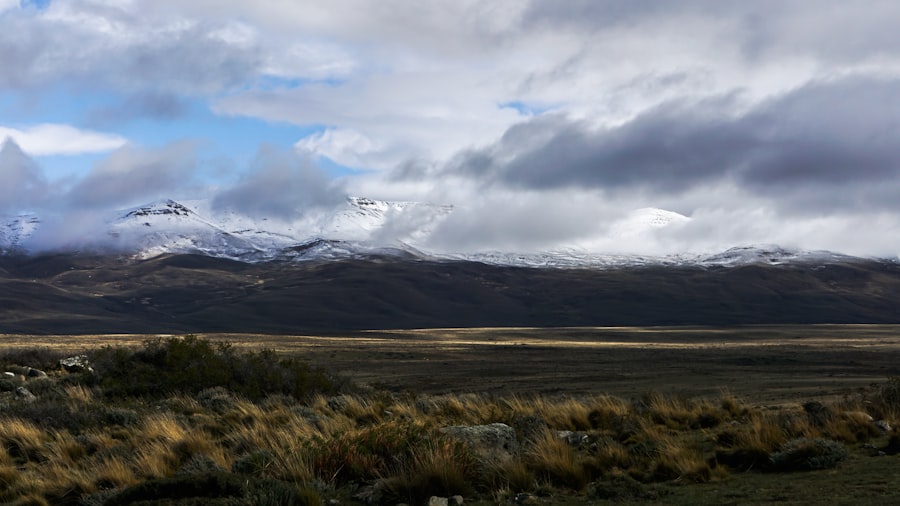
For those seeking adventure, Patagonia is a playground filled with exhilarating activities that cater to all levels of thrill-seekers. Hiking is perhaps one of the most popular ways to explore this stunning region, with trails ranging from leisurely walks to challenging multi-day treks through national parks. Iconic routes such as the W Trek in Torres del Paine offer breathtaking views of mountains, lakes, and glaciers, while lesser-known paths provide solitude and a chance to connect with nature away from crowds.
In addition to hiking, Patagonia offers opportunities for rock climbing, kayaking, and even horseback riding through its diverse landscapes. The region’s rivers are perfect for white-water rafting enthusiasts looking for an adrenaline rush, while its vast open spaces invite exploration on two wheels for mountain biking aficionados. Each adventure activity allows travelers to engage with Patagonia’s natural beauty in unique ways, creating unforgettable memories that will last a lifetime.
Cruising the Drake Passage: A Journey to the End of the Earth
Cruising through the Drake Passage is often described as a rite of passage for those venturing toward Antarctica. This body of water is notorious for its rough seas and unpredictable weather conditions, making it both a challenge and an adventure for those aboard. As travelers embark on their journey across this historic passage, they are met with stunning views of the Southern Ocean and may even spot seabirds soaring overhead or whales breaching in the distance.
The experience of crossing the Drake Passage is not just about reaching Antarctica; it is about embracing the journey itself. Many travelers find themselves captivated by the vastness of the ocean and the sense of isolation that comes with being surrounded by water on all sides. Onboard lectures from naturalists provide insights into the unique ecosystems found in this region, enhancing passengers’ understanding of what lies ahead as they approach the icy shores of Antarctica.
Wildlife Encounters in the Drake Passage
The Drake Passage is not only a gateway to Antarctica but also a rich habitat for marine wildlife. As vessels navigate these waters, passengers have ample opportunities to encounter various species that call this region home. Seabirds such as albatrosses and petrels are commonly seen gliding gracefully above the waves, while playful dolphins may accompany ships on their journey.
Whale watching is another highlight for many travelers crossing the Drake Passage. Species such as humpback whales and orcas can often be spotted during migration seasons as they traverse these waters in search of food or breeding grounds. These encounters create unforgettable moments for passengers who witness these magnificent creatures in their natural habitat, further deepening their appreciation for marine life.
The History and Exploration of the Drake Passage
The history of exploration in the Drake Passage is rich with tales of adventure and discovery. Named after Sir Francis Drake, who navigated these waters in the late 16th century, this passage has long been a focal point for explorers seeking new trade routes or scientific knowledge about uncharted territories. The treacherous conditions posed significant challenges for early navigators, leading many to regard it as one of the most formidable maritime routes in history.
Over time, advancements in navigation technology have made it possible for more vessels to traverse these waters safely. However, even today, navigating the Drake Passage requires skill and experience due to its unpredictable weather patterns and strong currents. The stories of those who have crossed this passage serve as a testament to human resilience and curiosity in exploring some of Earth’s most remote regions.
Navigating the Challenges of the Drake Passage
While crossing the Drake Passage can be an exhilarating experience, it also presents numerous challenges that travelers must be prepared for. The unpredictable weather can lead to rough seas that may cause discomfort for those unaccustomed to maritime travel. It is essential for passengers to be equipped with appropriate gear and medications to manage seasickness during their journey.
Additionally, safety protocols are paramount when navigating these waters. Modern vessels are equipped with advanced technology designed to monitor weather conditions and ensure safe passage through turbulent waters. Crew members are trained to handle emergencies should they arise, providing peace of mind for travelers embarking on this adventure into one of nature’s most formidable environments.
Planning Your Expedition to Patagonia and the Drake Passage
Planning an expedition to Patagonia and crossing the Drake Passage requires careful consideration and preparation. Travelers should begin by researching various tour operators that specialize in expeditions to this remote region. It is essential to choose reputable companies that prioritize safety while offering knowledgeable guides who can enhance the experience with insights into local wildlife and ecosystems.
Timing is also crucial when planning a trip to Patagonia and Antarctica via the Drake Passage. The best time for exploration typically falls between late spring and early autumn when weather conditions are more favorable for travel. Additionally, travelers should consider their interests—whether they seek adventure activities like hiking or kayaking or prefer wildlife watching—when selecting itineraries that align with their passions.
In conclusion, Patagonia and the Drake Passage offer an unparalleled adventure filled with stunning landscapes, rich biodiversity, vibrant cultures, and thrilling experiences. From exploring glaciers to encountering wildlife at sea, every aspect of this journey invites travelers to connect deeply with nature while embracing their adventurous spirit. With careful planning and an open heart for discovery, visitors can embark on an unforgettable expedition that will leave them with lasting memories long after they return home.
The Drake Passage, a notorious stretch of water between the southern tip of South America and Antarctica, is known for its challenging sailing conditions and rich marine biodiversity. For those interested in exploring more about this fascinating region, an article on MyGeoQuest delves into the geographical and historical significance of the Drake Passage. You can read more about it by visiting this related article on their website. This resource provides insights into the unique environmental conditions and the adventurous spirit required to navigate these treacherous waters.
WATCH NOW! Drake Passage: Earth’s Deadliest Waters Revealed
FAQs
What is the Drake Passage?
The Drake Passage is the body of water between the southern tip of South America and the northern tip of the Antarctic Peninsula. It is known for its rough seas and strong winds, making it one of the most challenging and unpredictable maritime routes in the world.
Where is Patagonia located?
Patagonia is a region located at the southern end of South America, shared by Argentina and Chile. It is known for its stunning landscapes, including mountains, glaciers, and fjords.
What is the significance of the Patagonian region?
The Patagonian region is significant for its unique and diverse ecosystems, including the Andes mountains, grasslands, deserts, and coastlines. It is also home to a variety of wildlife, including penguins, whales, and seals.
What activities can be done in the Patagonian region?
Visitors to the Patagonian region can enjoy a wide range of outdoor activities, including hiking, trekking, wildlife watching, and glacier exploration. The region also offers opportunities for birdwatching, fishing, and kayaking.
What is the best time to visit Patagonia and the Drake Passage?
The best time to visit Patagonia and the Drake Passage is during the southern hemisphere’s summer months, from November to March. This is when the weather is milder, and wildlife is most active. However, weather conditions can still be unpredictable, so it’s important to be prepared for all types of weather.