
The Tunnel and Reservoir Plan (TARP), commonly referred to as the Deep Tunnel Project, has a rich history that dates back to the late 1970s. The project was initiated in response to the growing concerns over flooding and water pollution in the Chicago metropolitan area. As urban development surged, the existing sewer systems became increasingly inadequate, leading to frequent overflows and environmental degradation.
In 1972, the U.S. Environmental Protection Agency (EPA) mandated that cities across the nation improve their wastewater management systems, prompting Chicago to take decisive action. The TARP was conceived as a comprehensive solution to these pressing issues, aiming to mitigate flooding and enhance water quality.
By the early 1980s, the project had gained momentum, with the Metropolitan Water Reclamation District of Greater Chicago (MWRD) taking the lead in its implementation. The first phase of construction began in 1985, marking a significant milestone in the project’s timeline.
Over the years, TARP has evolved into one of the largest and most ambitious civil engineering projects in the United States, with a network of deep tunnels and reservoirs designed to capture and store excess stormwater and sewage. This historical backdrop sets the stage for understanding the project’s significance in addressing urban water management challenges.
Key Takeaways
- The TARP Deep Tunnel Project was developed to address urban flooding and sewage overflow issues.
- Its design involves extensive underground tunnels to store and manage stormwater effectively.
- The project has significantly reduced environmental pollution and improved water quality.
- Advanced technology played a crucial role in the construction and operation of the tunnel system.
- The project offers valuable lessons for future urban infrastructure and large-scale environmental initiatives.
The Purpose and Goals of the TARP Deep Tunnel Project
The primary purpose of the TARP Deep Tunnel Project is to alleviate flooding in the Chicago area while simultaneously improving water quality in local rivers and lakes. The project aims to capture excess stormwater runoff and combined sewer overflows (CSOs) that occur during heavy rainfall events. By diverting this water into a series of deep tunnels and reservoirs, TARP seeks to prevent untreated sewage from entering waterways, thereby protecting aquatic ecosystems and public health.
The overarching goal is to create a sustainable urban water management system that can adapt to the challenges posed by climate change and urbanization. In addition to flood control and pollution reduction, TARP also aims to enhance recreational opportunities and aesthetic value in the region. By improving water quality, the project supports the revitalization of local waterways, making them more suitable for recreational activities such as fishing, boating, and swimming.
Furthermore, TARP is designed to be a long-term solution that can accommodate future population growth and increased stormwater runoff. The project’s multifaceted goals reflect a holistic approach to urban infrastructure, emphasizing not only immediate needs but also long-term sustainability.
The Design and Construction of the TARP Deep Tunnel
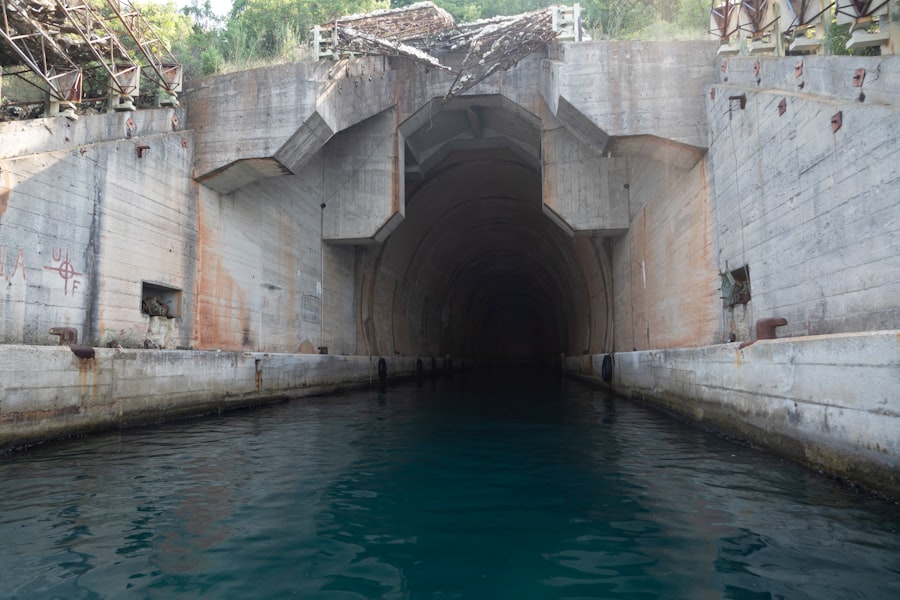
The design of the TARP Deep Tunnel Project is a remarkable feat of engineering that incorporates advanced technologies and innovative solutions. The project consists of approximately 110 miles of deep tunnels, ranging from 110 to 300 feet below ground level. These tunnels are designed to capture stormwater and CSOs during heavy rainfall events, directing them to large reservoirs for temporary storage.
The reservoirs, which are strategically located throughout the region, can hold millions of gallons of water, allowing for controlled release into treatment facilities once the storm subsides. Construction of TARP has been a monumental undertaking, involving complex excavation techniques and significant coordination among various stakeholders. The project has utilized tunnel boring machines (TBMs) capable of excavating large diameters while minimizing surface disruption.
This approach has allowed for efficient tunneling through various geological formations, including limestone and clay. Despite facing challenges such as groundwater infiltration and varying soil conditions, the construction teams have successfully completed several phases of the project, with ongoing work to expand the system further.
The Environmental Impact of the TARP Deep Tunnel Project
| Metric | Value | Unit | Description |
|---|---|---|---|
| Length of Tunnel | 109 | miles | Total length of the deep tunnel system |
| Storage Capacity | 2.3 | billion gallons | Volume of combined sewage and stormwater the tunnel can hold |
| Reduction in Combined Sewer Overflows (CSOs) | 90 | percent | Estimated decrease in CSO events due to the tunnel |
| Annual Water Quality Improvement | 85 | percent | Improvement in water quality in affected waterways |
| Construction Duration | 30 | years | Time taken to complete the tunnel project |
| Energy Consumption | Variable | megawatt-hours/year | Energy used for tunnel operation and maintenance |
| Greenhouse Gas Emissions Reduction | Significant | N/A | Reduction due to decreased sewage treatment and overflow events |
| Impact on Aquatic Life | Positive | N/A | Improved habitat conditions from reduced pollution |
The environmental impact of the TARP Deep Tunnel Project has been overwhelmingly positive, contributing significantly to improved water quality in the Chicago area. By capturing stormwater and CSOs before they can enter local rivers and lakes, TARP has played a crucial role in reducing pollution levels. This has led to healthier aquatic ecosystems and improved habitats for fish and other wildlife.
The project has also enhanced recreational opportunities by making waterways cleaner and safer for public use. Moreover, TARP’s design incorporates features that promote environmental sustainability. The captured stormwater can be treated and reused for non-potable purposes, such as irrigation or industrial processes, further reducing demand on freshwater resources.
Additionally, by mitigating flooding risks, TARP helps protect natural habitats from erosion and degradation caused by excessive runoff. Overall, the environmental benefits of TARP extend beyond immediate pollution control; they contribute to a more resilient urban ecosystem capable of adapting to future challenges.
The Challenges Faced During the TARP Deep Tunnel Project
Despite its successes, the TARP Deep Tunnel Project has encountered numerous challenges throughout its development. One significant hurdle has been securing funding for such an extensive infrastructure initiative. The project has relied on a combination of federal, state, and local funding sources, which has sometimes led to delays in construction timelines.
Budget constraints have necessitated careful planning and prioritization of different phases of the project, impacting overall progress. Additionally, construction challenges have arisen due to geological conditions and urban infrastructure constraints. Navigating existing utilities, such as gas lines and electrical conduits, has required meticulous planning and coordination with various agencies.
Groundwater infiltration has also posed difficulties during tunneling operations, necessitating innovative solutions to manage water levels effectively. These challenges have tested the resilience and adaptability of project teams but have ultimately contributed to refining best practices for large-scale infrastructure projects.
The Benefits and Successes of the TARP Deep Tunnel Project

The benefits of the TARP Deep Tunnel Project are manifold, with significant successes already evident since its inception. One of the most notable achievements has been the substantial reduction in flooding incidents across the Chicago metropolitan area. By capturing millions of gallons of stormwater during heavy rainfall events, TARP has prevented countless instances of property damage and disruption to daily life for residents.
This success has bolstered public confidence in local infrastructure management. In addition to flood mitigation, TARP has made remarkable strides in improving water quality in local waterways. Studies have shown significant reductions in pollutant levels in rivers and lakes since the project’s implementation.
This improvement not only enhances ecological health but also supports recreational activities that contribute to community well-being. Furthermore, TARP serves as a model for other cities grappling with similar urban water management challenges, showcasing innovative solutions that can be adapted elsewhere.
The Future of the TARP Deep Tunnel Project
Looking ahead, the future of the TARP Deep Tunnel Project remains promising as it continues to evolve in response to changing environmental conditions and urban needs. Ongoing expansions aim to increase capacity further, ensuring that the system can accommodate projected population growth and increased stormwater runoff due to climate change. As urban areas face more frequent extreme weather events, TARP’s role as a critical component of Chicago’s infrastructure will only become more vital.
Moreover, future phases of TARP may incorporate even more advanced technologies for monitoring and managing water flow within the system. Innovations such as real-time data analytics and smart sensors could enhance operational efficiency and responsiveness during storm events. As cities worldwide grapple with similar challenges related to urban flooding and water quality, TARP’s continued development will serve as an important case study in effective urban water management strategies.
The Role of Technology in the TARP Deep Tunnel Project
Technology has played an integral role in both the design and construction phases of the TARP Deep Tunnel Project. Advanced engineering techniques have enabled project teams to navigate complex geological conditions while minimizing disruption to surface activities. The use of tunnel boring machines (TBMs) equipped with cutting-edge technology has allowed for precise excavation while maintaining safety standards.
In addition to construction technologies, data-driven approaches are increasingly being integrated into TARP’s operations. Real-time monitoring systems can track water levels within tunnels and reservoirs, providing critical information for managing stormwater flows effectively. This technological integration enhances decision-making processes during heavy rainfall events, allowing for timely responses that mitigate flooding risks.
As technology continues to advance, its role in optimizing urban infrastructure projects like TARP will only grow more significant.
The Economic Impact of the TARP Deep Tunnel Project
The economic impact of the TARP Deep Tunnel Project extends beyond its immediate benefits related to flood control and water quality improvement. By reducing flooding risks, TARP protects property values and supports local businesses that might otherwise suffer from water-related damages. This stability fosters economic growth within affected communities by attracting new investments and encouraging development.
Furthermore, the construction phase of TARP has generated thousands of jobs within the region, contributing positively to local economies. Skilled laborers, engineers, and contractors have all benefited from employment opportunities associated with this large-scale infrastructure project. As TARP continues to expand its capabilities, it is expected to create additional jobs while enhancing overall economic resilience against climate-related challenges.
The Importance of the TARP Deep Tunnel Project for Urban Infrastructure
The significance of the TARP Deep Tunnel Project cannot be overstated when considering its role within urban infrastructure systems. As cities face increasing pressures from population growth and climate change impacts, effective water management becomes paramount for maintaining public health and safety. TARP serves as a critical component in this regard by providing a robust framework for managing stormwater runoff and preventing pollution.
Moreover, TARP exemplifies a forward-thinking approach to urban planning that prioritizes sustainability and resilience. By investing in infrastructure that addresses both current needs and future challenges, cities can create environments that support thriving communities while safeguarding natural resources. The lessons learned from TARP’s implementation will undoubtedly inform similar projects across the nation as urban areas seek innovative solutions to complex water management issues.
Lessons Learned from the TARP Deep Tunnel Project
The journey of the TARP Deep Tunnel Project offers valuable lessons for future infrastructure initiatives worldwide. One key takeaway is the importance of comprehensive planning that involves stakeholder engagement at every stage of development. By incorporating input from local communities, environmental groups, and government agencies early on, projects can better align with public needs while addressing potential concerns proactively.
Additionally, flexibility in design and execution is crucial when navigating unforeseen challenges during construction phases. The ability to adapt plans based on real-time data or changing conditions can significantly enhance project outcomes while minimizing delays or cost overruns. Finally, fostering collaboration among various disciplines—engineering, environmental science, urban planning—can lead to more holistic solutions that address multifaceted urban issues effectively.
In conclusion, the TARP Deep Tunnel Project stands as a testament to human ingenuity in tackling complex urban challenges related to water management. Its history reflects a commitment to improving public health through innovative engineering solutions while emphasizing sustainability for future generations. As cities continue grappling with climate change impacts on infrastructure systems worldwide, lessons learned from TARP will undoubtedly shape best practices moving forward.
The TARP deep tunnel project, designed to alleviate flooding and improve water quality in the Chicago area, has garnered significant attention for its innovative approach to stormwater management. For a deeper understanding of the project’s implications and its engineering challenges, you can read more in this related article on MyGeoQuest: MyGeoQuest. This resource provides valuable insights into the technologies and methodologies employed in large-scale water management projects like TARP.
WATCH THIS! The Map You Can’t See: America’s $50 Billion Secret Underground City
FAQs
What is the TARP Deep Tunnel Project?
The TARP Deep Tunnel Project, also known as the Tunnel and Reservoir Plan, is a large-scale infrastructure initiative designed to reduce flooding and improve water quality in the Chicago metropolitan area by capturing and storing stormwater and sewage in deep underground tunnels and reservoirs.
Where is the TARP Deep Tunnel Project located?
The project is located in the Chicago metropolitan area, primarily serving Cook County and surrounding regions in Illinois.
Why was the TARP Deep Tunnel Project initiated?
The project was initiated to address chronic flooding problems and to prevent the discharge of untreated sewage into local waterways by providing a system to temporarily store excess stormwater and sewage during heavy rain events.
How does the TARP Deep Tunnel system work?
The system consists of a network of deep underground tunnels and large reservoirs that collect and store combined stormwater and sewage during storms. This prevents overflow into rivers and lakes. The stored water is then gradually pumped to treatment plants for proper processing.
When did construction of the TARP Deep Tunnel Project begin?
Construction began in the late 1970s, with various phases completed over several decades. The project is ongoing, with some components still under development or expansion.
What are the main components of the TARP Deep Tunnel Project?
The main components include deep tunnels that run miles underground, large reservoirs for water storage, pumping stations, and connections to wastewater treatment plants.
Who manages the TARP Deep Tunnel Project?
The project is managed by the Metropolitan Water Reclamation District of Greater Chicago (MWRD), which oversees wastewater treatment and flood control in the region.
What benefits does the TARP Deep Tunnel Project provide?
The project reduces flooding, improves water quality by preventing sewage overflows, protects public health, and helps maintain the ecological balance of local waterways.
Is the TARP Deep Tunnel Project environmentally friendly?
Yes, by preventing untreated sewage from entering rivers and lakes, the project helps protect aquatic ecosystems and reduces pollution, contributing to environmental sustainability.
Can the TARP Deep Tunnel Project handle all stormwater and sewage during heavy rains?
While the system significantly reduces flooding and sewage overflows, extremely heavy or prolonged storms can still overwhelm the system. However, it greatly mitigates the frequency and severity of such events compared to pre-project conditions.