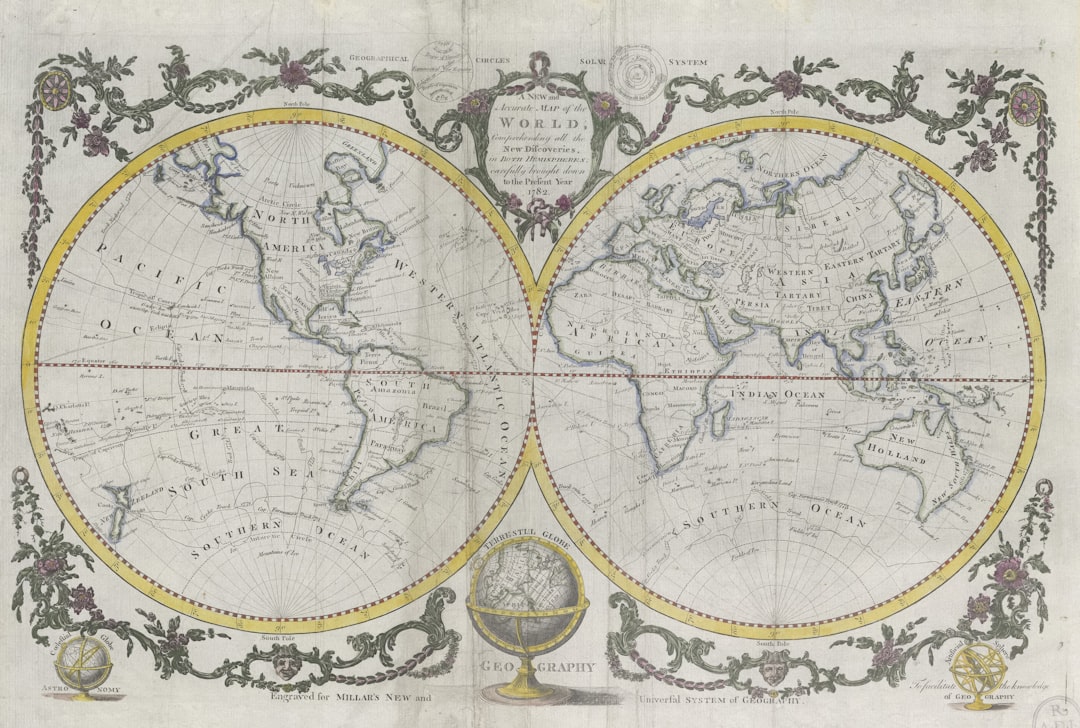
High-resolution mapping of the seabed is a critical endeavor that holds significant implications for various sectors, including environmental conservation, resource management, and maritime safety. The ocean floor, which covers more than 70% of the Earth’s surface, remains one of the least explored and understood areas of our planet. High-resolution seabed mapping provides detailed insights into the topography, geology, and ecology of these underwater landscapes.
This information is essential for understanding marine ecosystems, assessing habitats, and managing fisheries sustainably. Furthermore, accurate seabed maps are vital for navigation and the safe operation of maritime activities, including shipping and offshore construction. The importance of high-resolution seabed mapping extends beyond immediate practical applications; it also plays a crucial role in scientific research and climate change studies.
By mapping the seabed, researchers can identify geological features that may influence ocean currents and climate patterns. Additionally, high-resolution maps can help track changes in seabed morphology over time, providing valuable data for understanding the impacts of climate change on marine environments. As human activities increasingly encroach upon marine ecosystems, the need for comprehensive seabed mapping becomes ever more pressing to ensure the protection and sustainable use of ocean resources.
Key Takeaways
- High-resolution mapping of the seabed is crucial for understanding ocean ecosystems, identifying potential hazards, and supporting sustainable resource management.
- Advanced technology such as multibeam sonar and satellite remote sensing plays a key role in high-resolution seabed mapping, allowing for detailed and accurate data collection.
- Sonar technology, including multibeam and side-scan sonar, is essential for high-resolution seabed mapping, providing detailed images of the seafloor and sub-seafloor features.
- Challenges and limitations of high-resolution seabed mapping include data processing, cost, and the need for specialized expertise, as well as limitations in deep-sea mapping and complex underwater terrain.
- High-resolution seabed mapping has diverse applications, including marine conservation, fisheries management, coastal zone management, and offshore infrastructure development.
The Technology Behind High-Resolution Seabed Mapping
The technological advancements that have propelled high-resolution seabed mapping into the forefront of marine science are remarkable. Various tools and methodologies are employed to capture detailed images and data about the ocean floor. One of the most significant developments in this field is the use of multibeam sonar systems, which allow for the collection of high-resolution bathymetric data.
These systems emit sound waves that bounce off the seabed, enabling researchers to create detailed three-dimensional models of underwater terrain. The precision of these models is crucial for various applications, from navigation to environmental monitoring. In addition to sonar technology, remote sensing techniques have also gained prominence in seabed mapping.
Satellite imagery and aerial surveys can complement sonar data by providing a broader context for understanding coastal and shallow-water environments. Advances in data processing and analysis software have further enhanced the ability to interpret complex datasets, allowing scientists to extract meaningful insights from high-resolution maps. The integration of artificial intelligence and machine learning into these processes is paving the way for even more sophisticated analyses, enabling researchers to identify patterns and anomalies in seabed features with unprecedented accuracy.
The Role of Sonar in Seabed Mapping
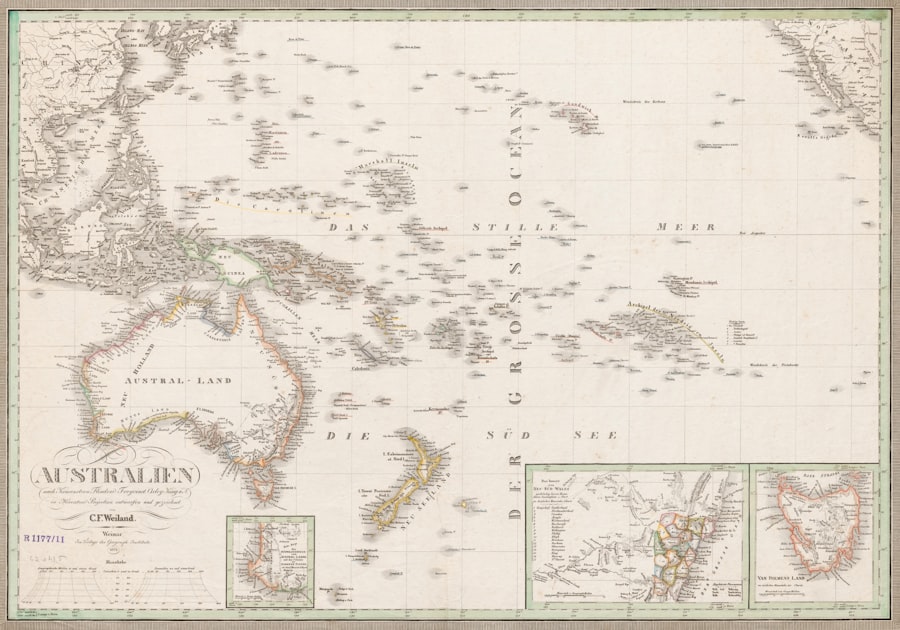
Sonar technology is at the heart of high-resolution seabed mapping, serving as a primary tool for capturing detailed information about underwater landscapes. Sonar systems operate by emitting sound waves that travel through water, reflecting off the seabed and returning to the source. This process allows for the measurement of water depth and the identification of various geological features on the ocean floor.
Multibeam sonar systems, in particular, have revolutionized seabed mapping by providing wide swath coverage and high-resolution data simultaneously. The versatility of sonar technology extends beyond simple depth measurements; it can also be used to detect and classify different types of seabed materials. For instance, sonar can differentiate between rocky substrates, sandy bottoms, and muddy areas based on how sound waves interact with these materials.
This capability is invaluable for marine biologists studying habitat types or for resource managers assessing areas for potential exploitation. Moreover, advancements in sonar technology have led to the development of side-scan sonar systems that produce detailed images of the seabed, revealing features such as shipwrecks or underwater structures that may not be visible through traditional mapping methods.
Challenges and Limitations of High-Resolution Seabed Mapping
| Challenges and Limitations of High-Resolution Seabed Mapping |
|---|
| 1. Limited Coverage |
| 2. High Cost |
| 3. Data Processing Complexity |
| 4. Weather and Environmental Conditions |
| 5. Equipment Limitations |
| 6. Depth and Pressure Challenges |
Despite its many advantages, high-resolution seabed mapping faces several challenges and limitations that can hinder its effectiveness. One significant challenge is the sheer scale of the ocean environment. With vast expanses of deep water and complex underwater topography, mapping efforts can be time-consuming and resource-intensive.
The logistics involved in deploying mapping equipment in remote or deep-sea locations can also pose significant hurdles, often requiring specialized vessels and technology. Another limitation lies in the interpretation of data collected through high-resolution mapping techniques. While advanced technologies can generate detailed images and datasets, translating this information into actionable insights requires expertise and experience.
Additionally, environmental factors such as water clarity, currents, and biological interference can affect the quality of sonar data collected. These challenges necessitate ongoing research and development to improve mapping techniques and ensure that high-resolution seabed maps are both accurate and reliable.
Applications of High-Resolution Seabed Mapping
High-resolution seabed mapping has a wide array of applications across various fields, making it an invaluable tool for scientists, policymakers, and industry professionals alike. In marine biology, detailed maps of the seabed are essential for understanding habitat distribution and biodiversity. Researchers can use these maps to identify critical habitats for endangered species or assess the impacts of human activities on marine ecosystems.
Furthermore, high-resolution maps can inform conservation efforts by pinpointing areas that require protection or restoration. In addition to ecological applications, high-resolution seabed mapping plays a crucial role in offshore resource exploration.
By understanding the geological features of the seabed, companies can make informed decisions about where to invest resources and how to minimize environmental impacts during exploration and extraction processes. Moreover, high-resolution maps are instrumental in maritime navigation, ensuring safe passage for vessels by identifying underwater hazards such as reefs or submerged wrecks.
Environmental Impact Assessments and High-Resolution Seabed Mapping

Environmental impact assessments (EIAs) are critical processes that evaluate the potential effects of proposed projects on marine ecosystems. High-resolution seabed mapping is an essential component of EIAs, providing baseline data that helps assess existing conditions before any development occurs. By creating detailed maps of the seabed, researchers can identify sensitive habitats or species that may be affected by proposed activities such as dredging or construction.
For instance, if a proposed offshore wind farm is found to overlap with critical habitats identified through seabed mapping, project planners can adjust their designs or implement measures to minimize impacts on marine life. This proactive approach not only helps protect vulnerable ecosystems but also fosters greater public trust in environmental governance by demonstrating a commitment to responsible resource management.
The Role of High-Resolution Seabed Mapping in Offshore Resource Exploration
The quest for offshore resources has intensified in recent years due to growing energy demands and technological advancements that enable deeper exploration. High-resolution seabed mapping plays a pivotal role in this endeavor by providing essential information about geological formations that may harbor oil, gas, or mineral deposits. Accurate maps allow exploration companies to identify promising sites while minimizing environmental risks associated with drilling activities.
Moreover, high-resolution maps facilitate better planning for offshore infrastructure development. For example, when establishing pipelines or drilling platforms, companies must consider factors such as seabed stability and potential hazards like underwater landslides or fault lines. By utilizing high-resolution mapping data, companies can design their operations to mitigate risks effectively while optimizing resource extraction processes.
This strategic approach not only enhances operational efficiency but also contributes to safer practices in offshore resource exploration.
Case Studies: High-Resolution Seabed Mapping in Action
Numerous case studies illustrate the transformative impact of high-resolution seabed mapping across various regions and applications. One notable example is the mapping efforts conducted in the Gulf of Mexico following the Deepwater Horizon oil spill in 2010. Researchers utilized advanced sonar technology to create detailed maps of the affected area’s seabed, allowing them to assess damage to habitats and identify areas requiring restoration efforts.
This comprehensive mapping initiative provided critical insights into the long-term ecological impacts of the spill and informed subsequent recovery strategies. Another compelling case study involves high-resolution mapping conducted off the coast of Scotland as part of a marine spatial planning initiative aimed at balancing conservation with economic development. By employing multibeam sonar systems to map underwater habitats comprehensively, researchers were able to identify key areas for protection while also designating zones suitable for renewable energy projects like offshore wind farms.
This collaborative approach demonstrates how high-resolution seabed mapping can facilitate sustainable development by integrating ecological considerations into planning processes.
International Collaboration in High-Resolution Seabed Mapping
The complexity and scale of high-resolution seabed mapping necessitate international collaboration among scientists, governments, and industry stakeholders. Many countries recognize that shared knowledge and resources are essential for advancing seabed mapping initiatives effectively. Collaborative efforts often involve joint research projects, data sharing agreements, and partnerships between academic institutions and private companies.
One prominent example of international collaboration is the Seabed 2030 initiative, which aims to map the entire ocean floor by 2030 through global partnerships among various organizations. This ambitious project seeks to fill gaps in existing bathymetric data while promoting open access to information that can benefit researchers worldwide. By fostering collaboration across borders, initiatives like Seabed 2030 not only enhance scientific understanding but also contribute to more effective management of ocean resources on a global scale.
Future Developments in High-Resolution Seabed Mapping Technology
As technology continues to evolve rapidly, so too does the potential for advancements in high-resolution seabed mapping techniques. Emerging technologies such as autonomous underwater vehicles (AUVs) are poised to revolutionize how researchers collect data from challenging underwater environments. These unmanned vehicles can operate at great depths and cover vast areas efficiently while equipped with advanced sensors capable of capturing high-resolution imagery and data.
Additionally, developments in machine learning algorithms are enhancing data processing capabilities, allowing researchers to analyze complex datasets more efficiently than ever before. As these technologies become more accessible and affordable, they will likely democratize high-resolution seabed mapping efforts across various sectors—from academic research to commercial applications—enabling a broader range of stakeholders to contribute to our understanding of underwater environments.
The Future of Seabed Exploration
The future of seabed exploration is bright as high-resolution mapping technologies continue to advance and expand their applications across diverse fields. The importance of understanding our oceans cannot be overstated; they play a vital role in regulating climate systems, supporting biodiversity, and providing resources essential for human survival. As society grapples with pressing challenges such as climate change and resource depletion, high-resolution seabed mapping will be instrumental in informing sustainable practices that balance economic development with environmental stewardship.
Looking ahead, ongoing collaboration among scientists, policymakers, and industry stakeholders will be crucial for maximizing the benefits of high-resolution seabed mapping initiatives. By harnessing cutting-edge technologies and fostering international partnerships, humanity can unlock new insights into our oceans while ensuring their protection for future generations. The journey toward comprehensive understanding and responsible management of our seas is just beginning; with continued investment in high-resolution mapping efforts, a brighter future awaits both marine ecosystems and those who depend on them.
High-resolution mapping of the seabed is crucial for understanding marine ecosystems and managing resources effectively. For more insights on this topic, you can refer to a related article that discusses the latest advancements in seabed mapping technologies and their applications. Check it out here: