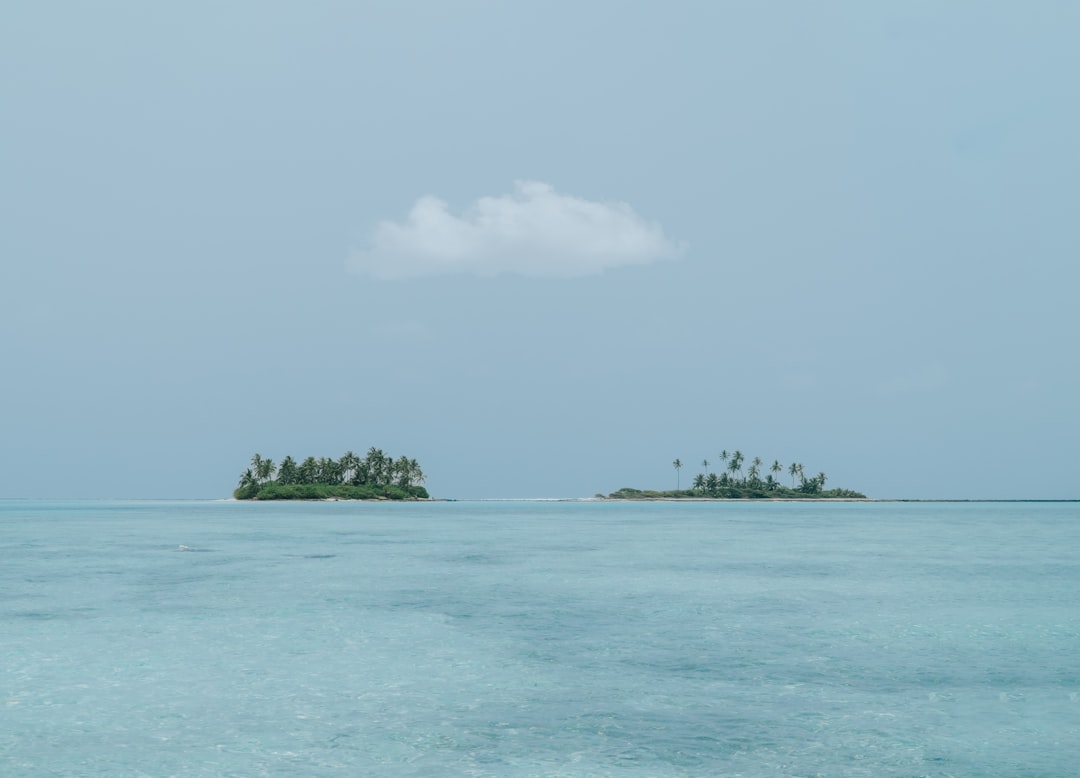
Nestled in the vast expanse of the Indian Ocean lies an island shrouded in mystery and danger, known as North Sentinel Island.
The island is home to the Sentinelese, an indigenous tribe that has remained largely untouched by modern civilization.
Their fierce resistance to outside contact has made North Sentinel a focal point of intrigue and caution, drawing attention from anthropologists, adventurers, and curious travelers alike. The island’s allure is not merely in its isolation but also in the myriad dangers that accompany any attempt to approach it. The very essence of North Sentinel Island is steeped in a sense of foreboding.
The combination of its hostile inhabitants, treacherous waters, and dense jungles creates an environment that is both captivating and intimidating. For those who dare to venture close, the island presents a unique paradox: a place of breathtaking beauty and profound peril. The stories surrounding North Sentinel serve as a reminder of the delicate balance between human curiosity and the respect for cultures that have thrived in isolation for millennia.
Key Takeaways
- The Most Dangerous Island on Earth is known for its treacherous natural hazards and unique wildlife.
- The island has a dark history and a reputation for being extremely dangerous to visit.
- Geographically, the island is characterized by its rugged terrain, active volcanoes, and unpredictable weather patterns.
- The indigenous people have a rich culture and have adapted to the challenges of living on the island.
- The island is home to a variety of unique and endangered species, making it a hotspot for conservation efforts.
- Visiting the island poses significant risks due to its natural hazards and isolation from modern medical facilities.
- Several famous expeditions and explorations have been conducted on the island, adding to its allure and mystery.
- Human interaction has had a significant impact on the island’s ecosystem and indigenous population.
- Conservation efforts are underway to protect the island’s unique biodiversity and cultural heritage.
- When exploring the island, it is important to be well-prepared, respect the local culture, and prioritize safety at all times.
- The Most Dangerous Island on Earth continues to fascinate and intrigue adventurers, scientists, and conservationists alike.
The History of the Island and Its Reputation
The history of North Sentinel Island is as enigmatic as its inhabitants. The Sentinelese are believed to have lived on the island for thousands of years, maintaining a lifestyle that is largely unchanged by the outside world. Historical records suggest that the first documented contact with the tribe occurred in the late 19th century when British colonial authorities attempted to establish control over the Andaman Islands.
However, these encounters were met with hostility, leading to a swift retreat by outsiders. This initial contact set the tone for future interactions, reinforcing the island’s reputation as a dangerous territory. Over the years, various expeditions have attempted to study the Sentinelese, but these efforts have often ended in failure or tragedy.
The island’s notoriety grew as stories emerged of explorers who were met with arrows and hostility upon approaching its shores. Such accounts have contributed to a growing mythos surrounding North Sentinel Island, painting it as a place where civilization meets its most primal instincts. The island’s reputation has been further solidified by its legal protection; the Indian government has declared it off-limits to outsiders, recognizing the need to preserve both the tribe’s way of life and the safety of those who might inadvertently provoke them.
The Geographical Features and Natural Hazards of the Island
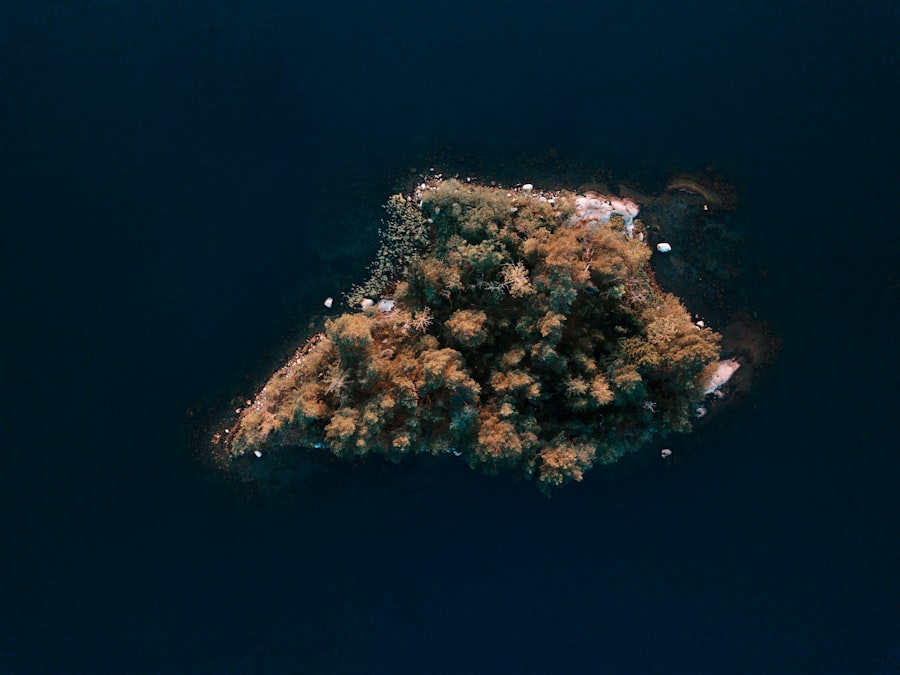
North Sentinel Island is characterized by its lush tropical forests, pristine beaches, and rugged terrain. The island spans approximately 60 square kilometers and is surrounded by coral reefs that create both beauty and danger. These reefs can be treacherous for unwary sailors, with sharp coral formations lurking just beneath the surface.
The waters surrounding North Sentinel are often turbulent, making navigation difficult and increasing the risk for those who attempt to approach by boat. In addition to its geographical challenges, the island is also prone to natural hazards such as storms and rising sea levels. The dense jungles are home to a variety of flora and fauna, but they can also conceal dangers such as venomous snakes and insects.
The combination of these natural features creates an environment that is not only visually stunning but also fraught with peril for anyone unprepared for its challenges. The island’s isolation has allowed it to remain largely untouched by human activity, but this very remoteness contributes to its reputation as one of the most dangerous places on Earth.
The Indigenous People and Their Culture
| Indigenous People | Culture |
|---|---|
| Maori | Tattooing, carving, weaving |
| Inuit | Igloo building, throat singing, storytelling |
| Aboriginal Australians | Didgeridoo playing, dot painting, Dreamtime stories |
The Sentinelese people are among the last remaining tribes in the world that have had minimal contact with modern civilization. Their culture is deeply rooted in their environment, relying on fishing, hunting, and gathering for sustenance. The tribe’s social structure remains largely unknown due to their isolation, but it is evident that they possess a rich cultural heritage that has been preserved over generations.
Their language, customs, and traditions are unique to North Sentinel Island, reflecting a way of life that has remained largely unchanged for thousands of years. The Sentinelese are known for their fierce protection of their territory, often responding aggressively to any perceived threats from outsiders. This behavior is not merely a reaction to intruders; it is a fundamental aspect of their identity as a people who have thrived in isolation.
Their resistance to outside influence has allowed them to maintain their cultural integrity, but it has also led to tragic encounters with those who have sought to explore or exploit their land. Understanding the Sentinelese culture requires a deep respect for their autonomy and an acknowledgment of their right to exist without external interference.
The Wildlife and Unique Species Found on the Island
North Sentinel Island boasts a diverse array of wildlife that thrives in its dense forests and surrounding waters. The island’s isolation has allowed for the development of unique species that are not found anywhere else in the world. From vibrant birds flitting through the canopy to marine life inhabiting the coral reefs, the biodiversity of North Sentinel is both remarkable and fragile.
The ecosystem is intricately balanced, with each species playing a vital role in maintaining the health of the environment. Among the notable wildlife are various species of birds, reptiles, and insects that have adapted to the island’s specific conditions. The surrounding waters are teeming with fish and other marine creatures, providing sustenance for the Sentinelese people.
However, this delicate ecosystem faces threats from climate change and human activity beyond the island’s shores. As interest in North Sentinel grows, so too does the need for conservation efforts to protect its unique wildlife from potential exploitation or environmental degradation.
The Dangers of Visiting the Island
Visiting North Sentinel Island is fraught with dangers that extend beyond its hostile inhabitants. The treacherous waters surrounding the island pose significant risks for boats attempting to approach its shores. Strong currents and hidden reefs can easily capsize vessels or cause navigational errors that lead to disaster.
Even experienced sailors must exercise extreme caution when navigating these waters, as many have found themselves at the mercy of nature’s unpredictability. Moreover, any attempt to land on North Sentinel Island could result in violent confrontations with the Sentinelese people. Their history of aggression towards outsiders serves as a stark warning against trespassing on their territory.
Reports of individuals who have attempted to make contact with the tribe often end in tragedy, underscoring the inherent risks involved in approaching this isolated community. For those drawn by curiosity or adventure, it is crucial to recognize that North Sentinel Island is not merely an exotic destination; it is a place where respect for boundaries is paramount.
Famous Expeditions and Explorations of the Island
Throughout history, several expeditions have sought to explore North Sentinel Island and its enigmatic inhabitants. One notable attempt occurred in 1967 when an Indian anthropological team made contact with the Sentinelese for research purposes. This expedition was met with hostility; arrows rained down upon them as they approached the shore, forcing them to retreat without gaining any meaningful insights into the tribe’s way of life.
In more recent years, there have been attempts by adventurers seeking fame or fortune through encounters with the Sentinelese. One such incident involved an American missionary who attempted to convert the tribe in 2018 but was killed shortly after landing on the island. This tragic event highlighted not only the dangers associated with visiting North Sentinel but also raised ethical questions about interference with indigenous cultures.
Each expedition serves as a reminder of the complexities involved in understanding a people who have chosen to remain apart from modern society.
The Impact of Human Interaction on the Island
Human interaction with North Sentinel Island has historically been limited but often disastrous. Each encounter has left an indelible mark on both the tribe and their environment. The introduction of diseases from outsiders poses a significant threat to the Sentinelese, who lack immunity to common illnesses that could decimate their population.
This vulnerability underscores the importance of respecting their isolation and allowing them to continue living as they have for centuries. Moreover, attempts at contact have often resulted in violence or conflict, further entrenching the tribe’s distrust of outsiders. The impact of these interactions extends beyond immediate confrontations; they shape perceptions and policies regarding indigenous rights and conservation efforts.
As awareness grows about the need to protect such isolated communities, there is an increasing recognition that human curiosity must be tempered by respect for autonomy and cultural preservation.
Conservation Efforts and Protection of the Island
Recognizing the unique status of North Sentinel Island and its inhabitants, conservation efforts have been implemented to protect both the tribe and their environment. The Indian government has established strict regulations prohibiting access to the island, ensuring that outsiders cannot intrude upon this isolated community. These measures aim not only to safeguard the Sentinelese way of life but also to preserve the delicate ecosystem that exists within their territory.
Various organizations advocate for indigenous rights and environmental conservation in relation to North Sentinel Island. These efforts emphasize the importance of allowing indigenous peoples to maintain their autonomy while also protecting their natural habitat from external threats such as climate change or illegal fishing activities. By prioritizing conservation and respecting boundaries, there is hope for a future where both cultural heritage and biodiversity can thrive without interference.
Tips for Safely Exploring the Island
For those intrigued by North Sentinel Island yet aware of its dangers, it is essential to approach any exploration with caution and respect for local laws and customs. First and foremost, individuals should understand that visiting North Sentinel is illegal; any attempt to do so could result in severe legal consequences or even loss of life.
Additionally, engaging with organizations focused on indigenous rights can provide valuable insights into how best to support these communities while respecting their autonomy. By advocating for policies that protect isolated tribes like the Sentinelese, individuals can contribute positively without risking harm or disruption to their way of life.
The Fascination and Mystery of the Most Dangerous Island on Earth
North Sentinel Island remains one of Earth’s most captivating enigmas—a place where danger intertwines with beauty and mystery shrouds every aspect of life within its borders. The allure lies not only in its breathtaking landscapes but also in its inhabitants’ fierce commitment to preserving their way of life against encroachment from modern society. As curiosity about this isolated community continues to grow, so too does recognition of our responsibility toward respecting their autonomy.
The stories surrounding North Sentinel serve as poignant reminders about humanity’s relationship with nature and culture—one that must be navigated with care and reverence. In an age where globalization threatens traditional ways of life, preserving places like North Sentinel becomes increasingly vital for future generations’ understanding of diversity within our world. Ultimately, it is this delicate balance between fascination and respect that defines humanity’s ongoing journey toward coexistence with cultures that remain steadfastly apart from our own.
In exploring the intriguing topic of the most dangerous island on Earth, one might find it fascinating to delve into related geographical phenomena and the unique challenges they present. A compelling article that complements this subject can be found on MyGeoQuest, which offers insights into various geographical wonders and hazards. For those interested in expanding their understanding of perilous locations and the natural forces that shape them, I recommend checking out this