
The Aral Sea, once the fourth-largest lake in the world, now stands as a stark monument to environmental catastrophe. Its gradual disappearance, a slow-motion tragedy unfolding over decades, has left behind a haunting landscape of ghostly shipwrecks and abandoned infrastructure, a melancholy testament to human ambition and ecological folly. To explore these ghost ports is to embark on a journey into a landscape frozen in time, a place where nature has reclaimed what was once a bustling hub of activity.
The Aral Sea, situated in Central Asia, was a vital waterway and a significant source of freshwater for the surrounding arid regions. Its existence was intrinsically linked to the Amudarya and Syrdarya rivers, which fed its vast basin. The region’s economy and way of life were profoundly shaped by the sea, supporting thriving fishing communities and a bustling maritime trade.
A Thriving Ecosystem’s Demise
The Silk Road’s Maritime Spur
Lifeblood of a Region
The Aral Sea, once one of the largest lakes in the world, has dramatically shrunk over the decades, leaving behind ghost ports that serve as haunting reminders of its former glory. For a deeper understanding of the environmental and economic impacts of this ecological disaster, you can explore a related article that discusses the ongoing efforts to restore the region and the challenges faced by local communities. For more information, visit My Geo Quest.
The Seeds of Destruction: Soviet Irrigation Projects
The downfall of the Aral Sea is inextricably linked to the ambitious irrigation schemes implemented by the Soviet Union in the mid-20th century. Intended to transform arid lands into productive cotton fields, these projects diverted enormous quantities of water from the Amudarya and Syrdarya rivers, the lifeblood of the Aral Sea.
The Grand Design: Cotton for the World
The Soviet Union’s drive for agricultural self-sufficiency, particularly in cotton production, led to the conception of massive irrigation projects. The Karakum Canal, a colossal undertaking, was designed to channel water from the Amudarya across vast desert landscapes. This ambition, while seemingly focused on economic progress, carried a devastating ecological cost.
The Dream of Abundant Harvests
A Legacy of Mono-cropping
The Rivers’ Sacrifice
The diversion of water was so extensive that the once mighty Amudarya and Syrdarya rivers, which historically flowed into the Aral Sea, were reduced to trickles or, in some cases, ceased to reach the sea altogether for extended periods. This drastic reduction in inflow had a catastrophic impact on the sea’s water levels.
The Slow Thirst
Unforeseen Consequences
Muynak: A Maritime Graveyard
Among the most poignant reminders of the Aral Sea’s lost glory are its former ports, now stranded miles from any discernible body of water. Muynak, a city that once boasted a thriving fishing industry and a population dependent on the sea, is perhaps the most iconic of these ghost ports.
Echoes of a Bustling Harbor
Muynak’s waterfront, once alive with the sounds of gulls and the shouts of fishermen, now lies silent and desolate. The rusted skeletons of fishing trawlers and cargo ships litter the cracked earth, monuments to a bygone era. These vessels, once proud ambassadors of the sea, are now marooned on a dusty canvas.
The Fisherman’s Lament
A City Adrift
The Museum of Shipwrecks
A particularly striking feature of Muynak is its open-air ship graveyard. Here, these abandoned vessels, half-buried in sand, serve as a tangible, albeit somber, museum of the Aral Sea disaster. They stand as silent sentinels, their listing hulls whispering tales of the sea’s former abundance.
A Tangible Tragedy
Nature’s Unrelenting Embrace
Aralsk: The Sea’s Fading Scent
Further north, the port city of Aralsk shares a similar fate. Once a major Caspian Sea hub and a gateway to the Aral Sea, it too has experienced a dramatic retreat of its waters. The scent of salt and fish that once permeated its streets has been replaced by the dry, dusty aroma of the desert.
Navigating the Salt Flats
Exploring Aralsk requires traversing the vast salt flats that now mark the former shoreline. The remnants of docks and piers jut out from the barren landscape, pointing towards an absent horizon. The sheer scale of the sea’s shrinkage is a visceral experience here.
The Ghost of Navigation
A Shifting Landscape
The Resilience of the People (and the Sea)
Despite the devastating environmental changes, life in Aralsk has persisted. Communities have adapted, finding new ways to sustain themselves. While the sea is gone, the spirit of its people and the slow, incremental efforts to address the environmental damage offer a glimmer of hope.
The New Realities
Signs of Recovery?
The Aral Sea, once one of the largest lakes in the world, has left behind a haunting landscape of ghost ports that tell the story of environmental disaster and human mismanagement. These abandoned harbors, once bustling with fishing boats and trade, now sit desolate in the arid desert, serving as a stark reminder of the ecological consequences of diverting rivers for agricultural purposes. For a deeper understanding of the factors that led to this dramatic transformation, you can read more in this insightful article about the Aral Sea’s history and its impact on the surrounding regions at this link.
The Environmental Fallout: A Broader Impact
| Metric | Value | Details |
|---|---|---|
| Number of Ghost Ports | 3 | Formerly active ports now stranded due to Aral Sea shrinkage |
| Year of Peak Activity | 1960s | Ports were fully operational before the sea began shrinking |
| Current Water Distance | Over 100 km | Distance from ghost ports to current shoreline |
| Port Condition | Abandoned | Infrastructure is decaying and unused |
| Impact on Local Economy | Severe Decline | Fishing and shipping industries collapsed |
| Environmental Impact | High | Exposed seabed causing dust storms and pollution |
| Restoration Efforts | Limited | Some projects to restore water levels but ports remain unused |
The shrinking of the Aral Sea has had profound and far-reaching environmental consequences, extending far beyond the immediate decline of the body of water itself. The ecological domino effect has impacted local ecosystems, human health, and even regional climate patterns.
The Dust Bowl’s Toxic Legacy
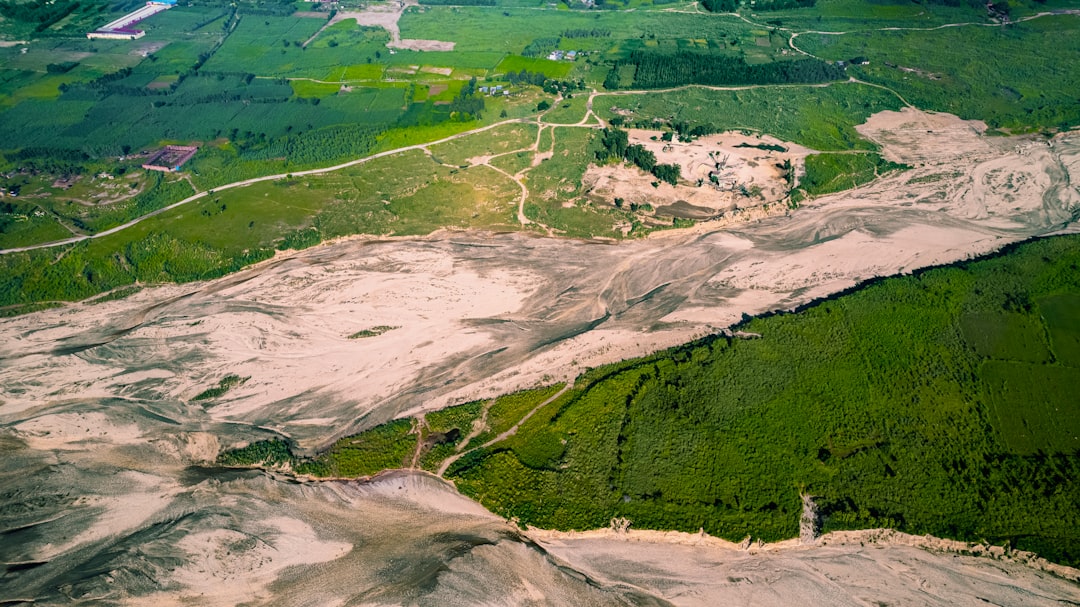
As the Aral Sea receded, it exposed vast tracts of seabed that had accumulated salt, pesticides, and fungicides from the intensive agricultural practices. These fine particles, once held in place by the water, are now easily dispersed by the wind, creating toxic dust storms.
The Airborne Menace
A Health Hazard
Impact on Local Biodiversity
The dramatic alteration of the Aral Sea’s salinity and the loss of its habitat have led to a significant decline in biodiversity. The rich fish populations that once supported the local economy have virtually disappeared, and the entire food web has been disrupted.
Species in Peril
An Ecosystem Under Stress
The Long Road to Recovery: Efforts and Challenges
The Aral Sea disaster has become a global cautionary tale, prompting efforts towards remediation and rehabilitation. While the full restoration of the Aral Sea to its former glory remains an immense challenge, significant undertakings are underway to mitigate the damage and improve the ecological conditions.
The North Aral Sea Project
A notable success story in the region is the North Aral Sea project, initiated with the support of the World Bank. This project involved the construction of the Kok-Aral Dam, which successfully separated the shrinking North Aral Sea from the more severely depleted South Aral Sea.
A Dam of Hope
Reversing the Tide (Partially)
The Future of the Ghost Ports
The ghost ports of the Aral Sea serve as powerful reminders of the delicate balance between human activity and the environment. Their desolate beauty, born from tragedy, offers a stark lesson and a call to action. The future of these sites is uncertain, but they will undoubtedly remain enduring symbols of an environmental crisis and the ongoing quest for ecological restoration.
Lessons from a Lost Sea
A Legacy of Caution
▶️ STOP: The Middle Corridor Is A Death Trap
FAQs
What caused the Aral Sea to shrink and create ghost ports?
The Aral Sea shrank primarily due to the diversion of its feeder rivers, the Amu Darya and Syr Darya, for large-scale irrigation projects during the Soviet era. This led to a dramatic reduction in water inflow, causing the sea to recede and leaving former ports stranded inland.
Where are the ghost ports of the Aral Sea located?
The ghost ports are located along the former coastline of the Aral Sea, mainly in Kazakhstan and Uzbekistan. Notable abandoned ports include Moynaq in Uzbekistan and Aralsk in Kazakhstan, which were once bustling fishing hubs.
What is the current state of the Aral Sea ghost ports?
Today, the ghost ports are largely abandoned and deteriorating. Ships that once operated in the sea now lie stranded on dry, cracked seabeds, and the infrastructure has fallen into disrepair, serving as stark reminders of the environmental disaster.
Are there any efforts to restore the Aral Sea and its ports?
There have been some efforts to restore parts of the Aral Sea, particularly the northern section in Kazakhstan, through dam construction and water management projects. These initiatives have led to partial recovery of water levels and some revival of local fisheries, but the southern part and many ghost ports remain largely desolate.
What environmental and social impacts resulted from the Aral Sea’s shrinkage?
The shrinking of the Aral Sea caused severe environmental damage, including desertification, loss of biodiversity, and increased salinity. Socially, it devastated local fishing communities, led to health problems from toxic dust storms, and caused economic decline in the region surrounding the ghost ports.