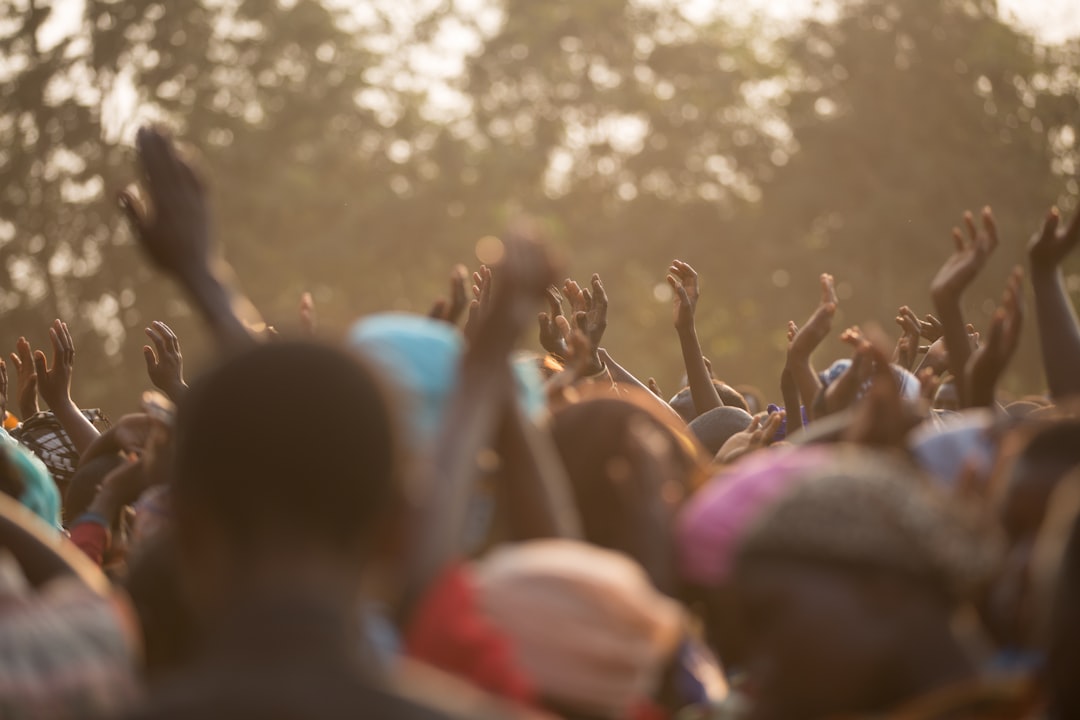
The United States stands as a remarkable tapestry woven from the threads of countless cultures, traditions, and histories. This vast nation, spanning from the Atlantic to the Pacific, is home to a multitude of ethnicities, languages, and lifestyles that reflect its rich heritage. From the bustling urban centers to the serene rural landscapes, the diversity of the United States is not merely a characteristic; it is a defining feature that shapes the identity of its people.
Each region contributes its unique flavor to the national narrative, creating a mosaic that is both complex and beautiful. As one traverses the country, it becomes evident that the diversity of the United States is not just a matter of demographics but also encompasses a wide array of cultural practices, culinary delights, and artistic expressions. This diversity is celebrated in festivals, art exhibitions, and community gatherings, where individuals from various backgrounds come together to share their stories and experiences.
The United States is a land where differences are not only acknowledged but embraced, fostering an environment of inclusivity and mutual respect.
Key Takeaways
- The United States is a diverse country with a rich tapestry of cultures and traditions.
- The Northeast is a melting pot of cultures, with a blend of immigrant influences shaping its identity.
- The Southeast is steeped in history and traditions, offering a unique glimpse into the country’s past.
- The Midwest is the heartland of America, known for its friendly people and strong sense of community.
- The Southwest is a blend of cultures and landscapes, offering a unique mix of desert beauty and vibrant cities.
The Northeast: A Melting Pot of Cultures
The Northeast region of the United States is often regarded as a melting pot, where various cultures converge and intermingle. Cities like New York, Boston, and Philadelphia serve as hubs of immigration, attracting individuals from around the globe seeking new opportunities and experiences. This influx of diverse populations has led to a rich cultural landscape characterized by an array of languages, cuisines, and traditions.
In neighborhoods such as Chinatown in Manhattan or Little Italy in Boston, one can witness firsthand the vibrant tapestry of cultures that coexist harmoniously. Culinary offerings in the Northeast reflect this cultural amalgamation. From bagels and lox to dim sum and cannoli, the region’s food scene is a testament to its diverse heritage.
Festivals celebrating different cultures abound, showcasing traditional music, dance, and art forms that highlight the unique contributions of each community. The Northeast’s commitment to preserving its cultural diversity is evident in its museums, theaters, and cultural institutions that honor the stories of immigrants who have shaped the region’s identity.
The Southeast: Rich in History and Traditions
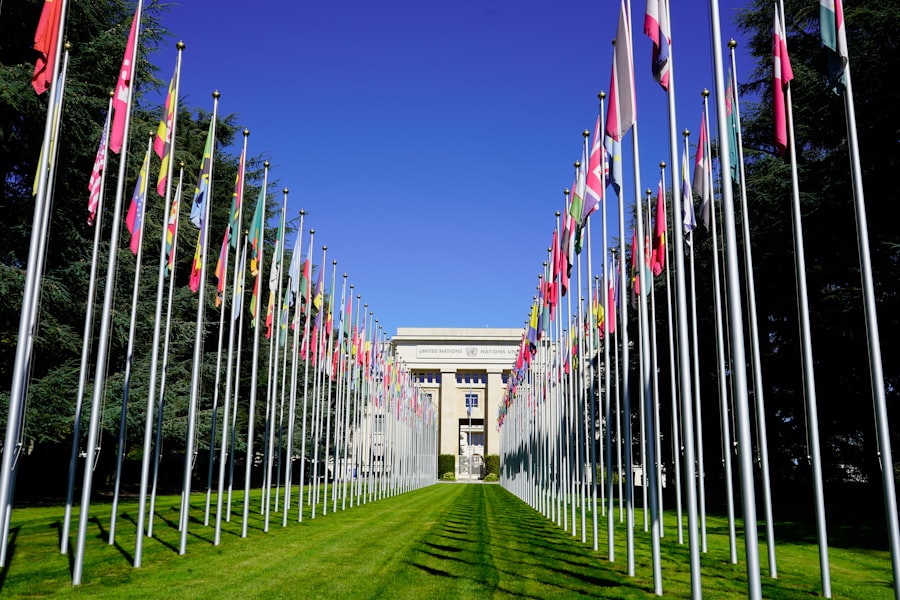
The Southeast is steeped in history and tradition, with roots that run deep into the fabric of American culture. This region is known for its warm hospitality, vibrant music scenes, and rich culinary traditions that reflect its diverse heritage. From the blues of Mississippi to the bluegrass of Kentucky, the Southeast has produced some of the most influential musical genres in American history.
Festivals celebrating these musical traditions draw visitors from far and wide, eager to experience the sounds that have shaped the nation. In addition to its musical legacy, the Southeast is home to a wealth of historical landmarks that tell the story of America’s past. Sites such as Civil Rights landmarks in Alabama and historic plantations in South Carolina offer visitors a glimpse into the complexities of American history.
The region’s culinary landscape is equally rich, with dishes like gumbo, fried chicken, and barbecue reflecting a blend of African, Native American, and European influences. The Southeast’s commitment to preserving its history and traditions ensures that future generations will continue to celebrate its unique cultural heritage.
The Midwest: Heartland of America
| State | Population | Area (sq mi) | Capital |
|---|---|---|---|
| Illinois | 12,671,821 | 57,914 | Springfield |
| Indiana | 6,732,219 | 36,418 | Indianapolis |
| Iowa | 3,155,070 | 56,273 | Des Moines |
| Kansas | 2,913,314 | 82,278 | Topeka |
| Michigan | 9,986,857 | 96,716 | Lansing |
| Minnesota | 5,639,632 | 86,936 | St. Paul |
| Missouri | 6,137,428 | 69,707 | Jefferson City |
| Nebraska | 1,934,408 | 77,348 | Lincoln |
| North Dakota | 762,062 | 70,698 | Bismarck |
| Ohio | 11,799,448 | 44,825 | Columbus |
| South Dakota | 884,659 | 77,116 | Pierre |
| Wisconsin | 5,822,434 | 65,496 | Madison |
The Midwest is often referred to as the heartland of America, embodying values such as hard work, community spirit, and resilience. This region is characterized by its vast plains, rolling hills, and agricultural landscapes that have shaped its identity over generations. The Midwest is home to friendly communities where neighbors know each other by name, fostering a sense of belonging that is often associated with small-town life.
Festivals celebrating local produce, crafts, and traditions are common throughout the region, bringing people together in celebration of their shared heritage. Culturally, the Midwest boasts a rich tapestry of influences that reflect its diverse population. Cities like Chicago and Minneapolis are known for their vibrant arts scenes, featuring everything from theater productions to music festivals.
The culinary landscape is equally diverse, with iconic dishes such as deep-dish pizza and cheese curds showcasing regional flavors. The Midwest’s commitment to preserving its agricultural roots while embracing modernity creates a unique blend that defines this region as a vital part of the American experience.
The Southwest: A Blend of Cultures and Landscapes
The Southwest is a region where cultures collide and landscapes inspire awe. With its stunning deserts, majestic mountains, and vibrant cities like Santa Fe and Phoenix, this area offers a unique blend of natural beauty and cultural richness. The influence of Native American tribes is deeply felt throughout the Southwest, with their art, traditions, and languages contributing significantly to the region’s identity.
Visitors can explore ancient pueblos and attend cultural events that celebrate indigenous heritage. Culinary offerings in the Southwest reflect this cultural fusion as well. The region is famous for its spicy Southwestern cuisine that combines Native American ingredients with Mexican flavors.
Dishes such as enchiladas, tamales, and chili con carne are staples that showcase the rich culinary traditions of this area. Festivals celebrating food, art, and music abound in the Southwest, drawing people together to honor their shared heritage while embracing new influences that continue to shape their communities.
The Rocky Mountains: Majestic Beauty and Outdoor Adventures

The Rocky Mountains stand as a testament to nature’s grandeur, offering breathtaking vistas and endless opportunities for outdoor adventures. Stretching from Canada down through New Mexico, this region is known for its rugged terrain, pristine lakes, and diverse wildlife. Outdoor enthusiasts flock to national parks like Yellowstone and Rocky Mountain National Park to hike, ski, or simply bask in the beauty of their surroundings.
The mountains serve not only as a playground for adventure seekers but also as a source of inspiration for artists and writers who find solace in their majesty. Culturally, the Rocky Mountain region is home to a blend of influences from Native American tribes and settlers who have called this area home for generations. Festivals celebrating local culture often feature traditional music, dance, and art inspired by the natural landscape.
The commitment to preserving both the environment and cultural heritage is evident in community initiatives aimed at promoting sustainability while honoring the traditions of those who have lived in harmony with nature for centuries.
The Pacific Northwest: A Haven for Nature Lovers
The Pacific Northwest is renowned for its stunning natural beauty and commitment to environmental conservation. With lush forests, rugged coastlines, and majestic mountains like Mount Rainier and Mount Hood, this region attracts nature lovers from around the world. Outdoor activities such as hiking, kayaking, and whale watching are popular pastimes for residents and visitors alike.
The Pacific Northwest’s temperate climate allows for year-round exploration of its breathtaking landscapes. Culturally, this region boasts a vibrant arts scene influenced by its diverse population. Cities like Seattle and Portland are known for their thriving music scenes, craft breweries, and artisanal food markets.
Festivals celebrating local artists and musicians are commonplace throughout the year, fostering a sense of community among residents who share a passion for creativity and sustainability. The Pacific Northwest exemplifies how nature can inspire artistic expression while promoting a lifestyle centered around environmental stewardship.
Alaska: A Land of Untamed Wilderness
Alaska represents one of the last frontiers in America—a land characterized by untamed wilderness and breathtaking landscapes. With its vast expanses of untouched nature, towering mountains, and pristine glaciers, Alaska offers an unparalleled experience for those seeking adventure in the great outdoors. Activities such as dog sledding, fishing for salmon in crystal-clear rivers, or exploring national parks like Denali provide visitors with an opportunity to connect with nature on a profound level.
Culturally rich in indigenous heritage, Alaska is home to numerous Native Alaskan tribes whose traditions continue to thrive amidst modern influences. Art forms such as totem carving and traditional dance reflect a deep connection to the land and its resources. Festivals celebrating Native culture allow visitors to engage with local communities while learning about their history and customs.
Alaska’s commitment to preserving its natural beauty while honoring its cultural heritage makes it a unique destination within the United States.
Hawaii: A Unique Island Paradise
Hawaii stands out as an island paradise known for its stunning landscapes, warm climate, and rich cultural heritage. Comprising an archipelago in the central Pacific Ocean, Hawaii offers visitors breathtaking beaches, lush rainforests, and volcanic landscapes that create an idyllic setting for relaxation or adventure. The islands are famous for their hospitality—known as “Aloha Spirit”—which embodies warmth and kindness towards others.
Culturally diverse due to waves of immigration over centuries, Hawaii boasts a unique blend of Polynesian traditions alongside influences from Asia and America. Traditional practices such as hula dancing and lei-making are celebrated through festivals that showcase Hawaiian culture while inviting visitors to participate in these time-honored customs.
Hawaii’s commitment to preserving its cultural identity while welcoming visitors creates an enchanting experience unlike any other.
The Pacific Territories: A Mix of Cultures and Idyllic Landscapes
The Pacific Territories encompass several islands that reflect a rich tapestry of cultures influenced by both indigenous traditions and colonial histories. Places like Guam and American Samoa offer stunning landscapes ranging from pristine beaches to lush mountainsides while showcasing vibrant local cultures through festivals celebrating music, dance, art forms unique to each territory. Visitors can immerse themselves in traditional practices such as weaving or fishing while enjoying delicious local cuisine featuring fresh seafood prepared with tropical flavors.
The Pacific Territories exemplify how diverse cultures can coexist harmoniously within breathtaking natural settings—creating an inviting atmosphere for travelers seeking both adventure and cultural enrichment.
Embracing the Diversity of the United States
In conclusion, the diversity found within the United States serves as a powerful reminder of what makes this nation truly unique. Each region contributes its own distinct flavor—whether through culture or landscape—creating an intricate mosaic that reflects shared histories while celebrating individual identities. From bustling urban centers filled with multicultural influences to serene rural landscapes steeped in tradition; every corner offers something special waiting to be discovered.
As Americans continue embracing their diverse backgrounds—honoring both past struggles while looking towards future possibilities—they forge connections across differences fostering understanding among one another ultimately enriching society as a whole. The United States stands not just as a collection of states but rather as an ever-evolving narrative woven together by countless voices—each adding depth richness shaping what it means truly be part this great nation today!
The concept of the “eleven nations” of the United States, as proposed by author Colin Woodard, explores the cultural and historical divisions that shape the country’s identity. For a deeper understanding of these regions and their unique characteristics, you can read more in this related article on MyGeoQuest: Explore the Eleven Nations of the United States. This article delves into the various cultural influences and historical contexts that define each of the eleven nations, providing valuable insights into the complexities of American society.
WATCH THIS! The Map You Trust Is A Lie: Why America Is Really 11 Rival Nations
FAQs
What are the eleven nations of the United States?
The eleven nations of the United States are identified in the book “American Nations: A History of the Eleven Rival Regional Cultures of North America” by Colin Woodard. These nations are distinct cultural regions with their own unique history, values, and political outlook.
What are the names of the eleven nations?
The eleven nations identified by Colin Woodard are Yankeedom, New Netherland, The Midlands, Tidewater, Greater Appalachia, The Deep South, New France, El Norte, The Left Coast, The Far West, and First Nation.
How did these nations develop?
The cultural and regional differences that define the eleven nations of the United States developed over centuries through a combination of historical events, immigration patterns, settlement patterns, and economic activities.
What are some key characteristics of each nation?
Each nation has its own distinct characteristics, including political beliefs, religious traditions, social structures, and attitudes towards authority. For example, Yankeedom is known for its emphasis on education and social reform, while Greater Appalachia is characterized by a strong sense of individual liberty and suspicion of government.
How do these nations impact the United States today?
The cultural and political differences among the eleven nations continue to influence American politics, social issues, and regional identities. Understanding these differences can provide insight into the country’s diverse perspectives and historical divisions.