
The Drake Passage is a body of water approximately 600 miles wide that separates South America from Antarctica. It is a major maritime route and ecologically significant zone that serves as a gateway for vessels traveling to Antarctic regions. The passage is named after Sir Francis Drake, the English sea captain and privateer who first navigated these waters in the late 16th century.
The Drake Passage is characterized by unpredictable weather patterns and strong currents that create challenging conditions for navigation. These environmental factors result from the passage’s location at the convergence of the Atlantic and Pacific Oceans, where distinct water masses and wind systems interact. The passage plays a critical role in global ocean circulation and climate regulation.
The meeting of the Atlantic and Pacific Oceans within this area creates a unique marine environment that supports diverse wildlife populations. The passage’s ecological importance has made it a subject of scientific study for centuries, as researchers work to understand the complex oceanographic and biological processes that occur there. This knowledge is essential for comprehending the passage’s significance to both maritime history and the natural world.
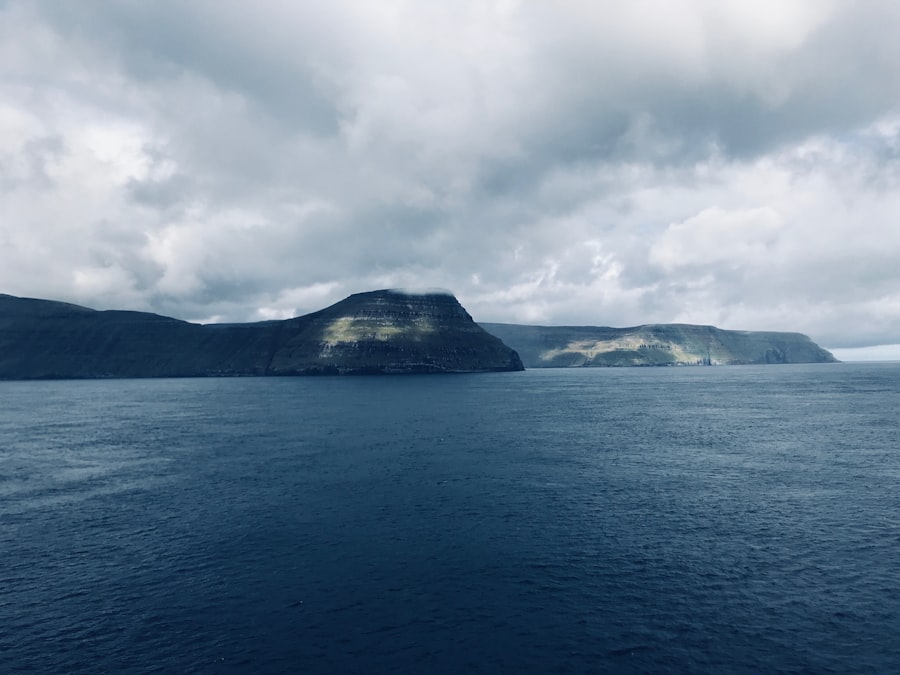
The treacherous waters of the Drake Passage are known for their unpredictable weather and powerful currents.
Key Takeaways
- The Drake Passage is a crucial and historically significant maritime route connecting the Atlantic and Pacific Oceans.
- It hosts diverse wildlife, including unique marine species adapted to its harsh conditions.
- Crossing the Drake Passage presents significant challenges due to rough seas and unpredictable weather.
- The region’s natural beauty and remote islands offer unique opportunities for exploration and scientific study.
- Climate change is impacting the Drake Passage, affecting its ecosystem and the future of scientific research there.
The History of the Drake Passage
The history of the Drake Passage is steeped in exploration and adventure. Long before it was named after Sir Francis Drake, indigenous peoples inhabited the southern regions of South America, navigating the coastal waters with their traditional vessels. However, it was during the Age of Exploration in the 16th century that European interest in this remote area surged.
Sir Francis Drake’s circumnavigation of the globe brought attention to the passage, as he sought a faster route to the riches of the East Indies. His journey through these treacherous waters marked a significant moment in maritime history, highlighting both the dangers and the allure of exploration. In subsequent centuries, the Drake Passage became a critical route for whalers, sealers, and later, scientific expeditions.
The passage was notorious for its rough seas, earning it the moniker “the most dangerous sea in the world.” Despite its challenges, it attracted adventurers and researchers eager to uncover the mysteries of Antarctica. The early 20th century saw an increase in scientific interest, with expeditions aimed at studying the unique ecosystems and climatic conditions of the region. This rich history of exploration has left an indelible mark on the cultural narrative surrounding the Drake Passage, shaping perceptions of adventure and discovery.
Wildlife in the Drake Passage
The Drake Passage is home to an astonishing variety of wildlife, making it one of the most biodiverse marine environments on the planet. The nutrient-rich waters support an array of species, from tiny krill to majestic whales. Among the most iconic inhabitants are the various species of penguins that thrive on the nearby islands, including the Adelie and Gentoo penguins.
Their presence adds a delightful charm to the stark beauty of the passage. In addition to penguins, the waters of the Drake Passage are frequented by several species of seals and whales.
Elephant seals and leopard seals can often be spotted lounging on icebergs, while humpback and minke whales migrate through these waters during feeding seasons. The passage also serves as a critical habitat for seabirds such as albatrosses and petrels, which glide gracefully above the waves. The intricate web of life in the Drake Passage underscores its ecological importance and highlights the need for conservation efforts to protect these vulnerable species.
The Challenges of Crossing the Drake Passage
Crossing the Drake Passage is often described as a rite of passage for sailors and adventurers alike, but it is not without its challenges. The passage is notorious for its unpredictable weather patterns, which can change rapidly from calm to stormy conditions within hours. Strong winds and high waves can create treacherous sailing conditions, leading to discomfort for even the most seasoned mariners.
Many travelers report experiencing seasickness as they navigate through these turbulent waters, making preparation essential for anyone embarking on this journey. Moreover, the currents within the Drake Passage can be formidable. The confluence of different oceanic currents creates a dynamic environment that can lead to sudden shifts in water conditions.
This unpredictability requires skilled navigation and an understanding of maritime safety protocols. Despite these challenges, many adventurers are drawn to the passage for its raw beauty and sense of adventure. For those willing to brave its waters, crossing the Drake Passage can be an exhilarating experience that leaves lasting memories.
The Beauty of the Drake Passage
| Metric | Value | Details |
|---|---|---|
| Documentary Title | Drake Passage: The Ultimate Voyage | Example title for a travel documentary |
| Duration | 60 minutes | Typical length of the documentary |
| Filming Location | Drake Passage | Between South America and Antarctica |
| Travel Distance | 800 km | Approximate width of the Drake Passage |
| Average Sea Temperature | 1-4 °C | Typical water temperature in the Drake Passage |
| Wildlife Featured | Seals, Penguins, Albatrosses, Whales | Common species shown in the documentary |
| Travel Time by Ship | 2-3 days | Typical duration to cross the Drake Passage |
| Production Year | 2023 | Year the documentary was released |
| Viewer Rating | 8.5/10 | Average rating on documentary platforms |
Despite its reputation for rough seas, the Drake Passage is undeniably beautiful. The stark contrast between the deep blue waters and the white-capped waves creates a mesmerizing visual spectacle. As vessels traverse this waterway, travelers are often treated to breathtaking views of icebergs floating majestically in the distance and rugged coastlines that rise dramatically from the sea.
The play of light on water during sunrise and sunset adds an ethereal quality to the landscape, captivating all who witness it. The surrounding islands also contribute to the passage’s allure. With their dramatic cliffs and pristine beaches, these islands offer a glimpse into untouched wilderness.
The sight of glaciers calving into the sea or seabirds soaring overhead enhances the sense of wonder that permeates this region. For many travelers, experiencing the beauty of the Drake Passage is not just about reaching a destination; it is about immersing oneself in nature’s grandeur and appreciating the raw power of the elements.
Exploring the Islands of the Drake Passage

The islands within and around the Drake Passage are treasures waiting to be explored. Each island boasts its own unique landscape and ecosystem, offering opportunities for adventure and discovery. One notable island is Deception Island, known for its volcanic activity and unique horseshoe shape.
Visitors can explore its caldera and witness geothermal features such as hot springs and steaming beaches. The island’s rich history as a whaling station adds an intriguing layer to its natural beauty. Another gem in this region is Half Moon Island, which is home to a thriving colony of chinstrap penguins.
The island’s rugged terrain provides excellent hiking opportunities, allowing visitors to immerse themselves in stunning vistas while observing wildlife in their natural habitat. Exploring these islands not only offers a chance to connect with nature but also provides insight into the delicate balance between human activity and environmental preservation in this remote part of the world.
The Impact of Climate Change on the Drake Passage
As with many regions around the globe, climate change poses significant challenges to the delicate ecosystems within the Drake Passage. Rising ocean temperatures are affecting marine life, leading to shifts in species distribution and abundance. Krill populations, which serve as a crucial food source for many animals in this region, are particularly vulnerable to changes in temperature and sea ice cover.
As these foundational species face threats from climate change, cascading effects ripple through the entire food web. Additionally, melting glaciers in Antarctica contribute to rising sea levels and altered ocean currents within the passage. These changes not only impact wildlife but also pose risks to maritime navigation as ice formations shift unpredictably.
Scientists are increasingly focused on studying these impacts to better understand how climate change will shape future conditions in this vital waterway. The urgency of addressing climate change has never been more apparent, as preserving the unique ecosystems of the Drake Passage becomes essential for both environmental health and human activity.
The Experience of Traveling through the Drake Passage
Traveling through the Drake Passage is an experience unlike any other, often described as both exhilarating and humbling. For many adventurers, embarking on a journey across this iconic waterway represents a dream come true—a chance to witness one of nature’s most awe-inspiring landscapes firsthand. As vessels set sail from Ushuaia, Argentina, travelers are filled with anticipation for what lies ahead.
The thrill of crossing this legendary passage is palpable as they navigate through its unpredictable waters. Onboard experiences vary widely depending on individual preferences and vessel types. Some travelers opt for luxury cruises that offer comfortable accommodations and guided excursions, while others choose more rugged expedition-style trips that emphasize adventure and exploration.
The camaraderie among fellow travelers adds to the overall experience as they share stories and marvel at their surroundings together.
The Importance of the Drake Passage for Scientific Research
The Drake Passage serves as a critical site for scientific research due to its unique ecological characteristics and role in global ocean circulation. Researchers from around the world flock to this region to study everything from marine biology to climate science. The passage acts as a natural laboratory where scientists can observe how different oceanic currents interact and influence weather patterns across continents.
Moreover, ongoing research efforts aim to monitor changes in marine ecosystems resulting from climate change and human activity. By studying species distribution, population dynamics, and environmental conditions within this area, scientists can gain valuable insights into broader ecological trends affecting our planet. The data collected from expeditions through the Drake Passage contributes significantly to our understanding of climate systems and informs conservation strategies aimed at protecting vulnerable species.
The Stories of Explorers in the Drake Passage
The stories of explorers who have ventured through the Drake Passage are woven into its rich tapestry of history. From Sir Francis Drake himself to modern-day adventurers, each narrative adds depth to our understanding of this remarkable waterway. Early explorers faced immense challenges as they navigated uncharted waters with limited technology; their tales often recount harrowing experiences battling fierce storms or encountering icebergs that threatened their vessels.
In more recent times, explorers like Ernest Shackleton have become synonymous with bravery and resilience in their attempts to traverse these treacherous waters during expeditions aimed at reaching Antarctica’s interior. Shackleton’s legendary journey aboard the Endurance serves as a testament to human determination against overwhelming odds—a story that continues to inspire adventurers today. These narratives not only highlight individual courage but also reflect humanity’s enduring fascination with exploration and discovery.
The Legacy of the Drake Passage
The legacy of the Drake Passage is one marked by adventure, scientific discovery, and ecological significance. As a vital maritime route connecting two oceans while serving as a gateway to Antarctica’s wonders, it holds immense importance for both human exploration and environmental health. The stories etched into its history remind us of our innate desire to explore uncharted territories while grappling with nature’s formidable forces.
As climate change poses unprecedented challenges to this fragile ecosystem, understanding and preserving its unique characteristics becomes paramount for future generations. The beauty and complexity found within these waters serve as a reminder that our planet’s health is intricately linked with our actions—an enduring legacy that calls upon humanity to protect what remains while continuing to seek knowledge about our world’s mysteries.
If you’re interested in the breathtaking journey through the Drake Passage, you might also enjoy our related article that delves into the unique wildlife and stunning landscapes of this remote region. For more insights and travel tips, check out our comprehensive guide on exploring the wonders of the Drake Passage.
WATCH THIS 🛑 Drake Passage: Earth’s Deadliest Waters Revealed
FAQs
What is the Drake Passage?
The Drake Passage is a body of water located between the southern tip of South America (Cape Horn, Chile) and the northern tip of the Antarctic Peninsula. It connects the southwestern part of the Atlantic Ocean with the southeastern part of the Pacific Ocean.
Why is the Drake Passage significant for travel documentaries?
The Drake Passage is known for its challenging sea conditions and unique marine wildlife, making it a popular subject for travel documentaries focused on adventure, nature, and exploration of the Antarctic region.
What kind of wildlife can be seen in the Drake Passage?
Travel documentaries often highlight wildlife such as various species of whales, seals, penguins, albatrosses, and other seabirds that inhabit or migrate through the Drake Passage.
What are the typical weather conditions in the Drake Passage?
The Drake Passage is notorious for rough seas, strong winds, and rapidly changing weather, which can make travel difficult but also adds to the dramatic appeal of documentaries filmed there.
How do travelers usually cross the Drake Passage?
Most travelers cross the Drake Passage by ship, often as part of an expedition cruise to Antarctica. These vessels are typically equipped to handle the rough waters and provide educational and wildlife viewing opportunities.
What is the best time of year to travel through the Drake Passage?
The best time to travel through the Drake Passage is during the Antarctic summer months, from November to March, when weather conditions are relatively milder and wildlife activity is at its peak.
Are there any safety concerns when traveling through the Drake Passage?
Yes, due to the often turbulent sea conditions, travelers should be prepared for possible seasickness and follow safety guidelines provided by the expedition crew. Ships are designed to handle the passage safely.
What can viewers expect to see in a Drake Passage travel documentary?
Viewers can expect to see stunning seascapes, dramatic weather, diverse marine wildlife, and insights into the challenges and beauty of traveling to one of the most remote and wild regions on Earth.