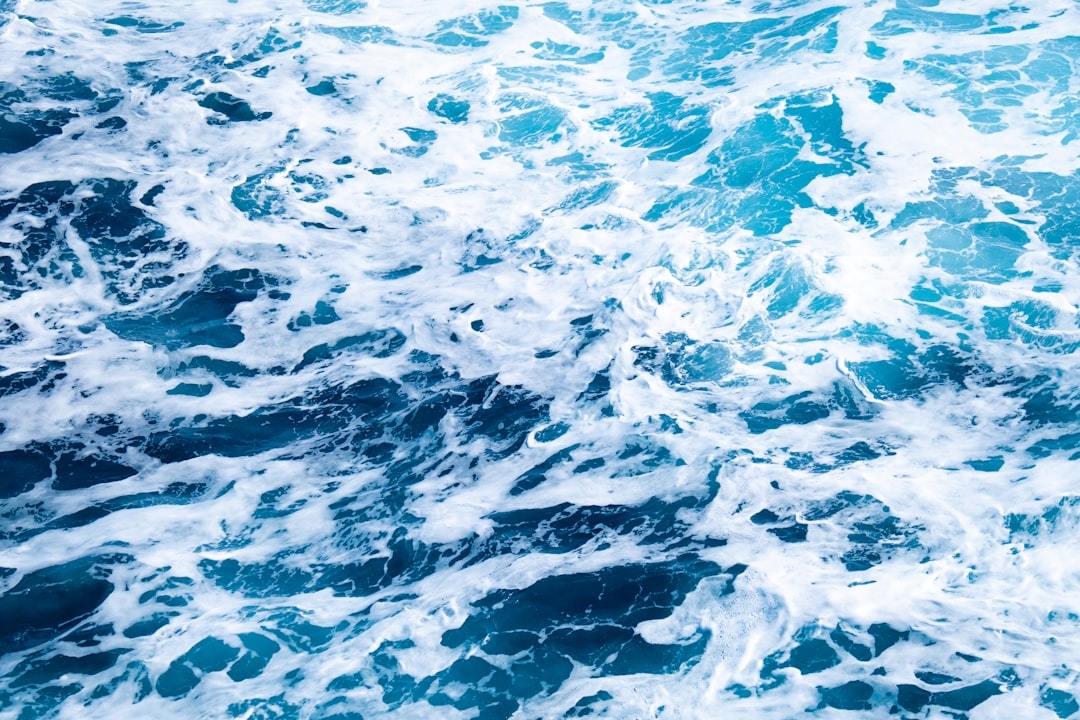
The Drake Passage, a body of water that separates South America from Antarctica, serves as a crucial gateway to one of the most remote and pristine regions on Earth. Named after the English explorer Sir Francis Drake, who navigated these waters in the late 16th century, the passage is not only a significant maritime route but also a vital ecological zone. Stretching approximately 800 kilometers (500 miles) between Cape Horn and the Antarctic Peninsula, the Drake Passage is renowned for its turbulent waters and unpredictable weather, making it both a challenge and an adventure for those who dare to traverse it.
As the southernmost oceanic passage, the Drake Passage plays a pivotal role in connecting the Atlantic and Pacific Oceans. This unique geographical position has made it a focal point for scientific research and exploration, drawing adventurers, researchers, and wildlife enthusiasts alike. The passage is often described as the “Sailing Highway to Antarctica,” as it is the primary route for vessels heading to the icy continent.
Its significance extends beyond mere navigation; it is a critical area for understanding global climate patterns and marine biodiversity.
Key Takeaways
- The Drake Passage is a crucial gateway to Antarctica, connecting the Atlantic and Pacific Oceans.
- Its location makes it a significant geographic feature, influencing ocean currents and climate patterns around the world.
- The climate and weather in the Drake Passage are known for their extreme and unpredictable nature, with strong winds and rough seas.
- The passage is home to a diverse range of wildlife, including penguins, seals, and whales, making it a unique and important ecological region.
- Navigating the Drake Passage presents numerous challenges, including rough seas and strong winds, making it one of the most challenging maritime routes in the world.
The Geographic Significance of the Drake Passage
The geographic significance of the Drake Passage cannot be overstated. It serves as a natural barrier that influences ocean currents and weather patterns across the Southern Hemisphere. The passage is characterized by its deep waters, which reach depths of over 4,000 meters (13,000 feet), creating a unique marine environment that supports a diverse array of life.
Moreover, the Drake Passage acts as a critical conduit for the Antarctic Circumpolar Current, which encircles Antarctica and plays a vital role in regulating global ocean circulation. This current is essential for distributing heat and nutrients throughout the world’s oceans, impacting climate systems far beyond the Southern Hemisphere.
The passage’s geographic features also make it a key area for studying oceanographic phenomena, such as upwelling and downwelling, which are crucial for marine ecosystems.
The Climate and Weather of the Drake Passage
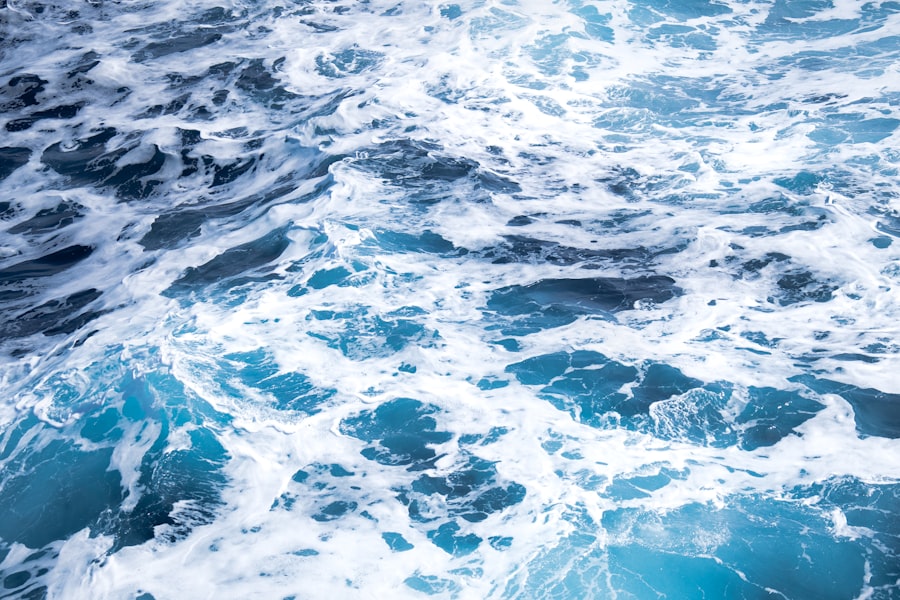
The climate of the Drake Passage is notoriously unpredictable, characterized by rapidly changing weather conditions that can shift from calm to stormy within minutes. The region experiences strong winds, particularly during the winter months, when storms can develop with little warning. These fierce winds are often exacerbated by the topography of the surrounding landmasses, creating a funneling effect that intensifies gusts as they sweep across the water.
Temperatures in the Drake Passage vary significantly depending on the season. In summer, temperatures can reach a relatively mild range, while winter brings frigid conditions that can lead to ice formation. The combination of cold air from Antarctica and warmer air from the north creates a dynamic atmosphere that contributes to the passage’s reputation as one of the roughest seas in the world.
Mariners must be well-prepared for these conditions, as navigating through the Drake Passage requires skill and experience.
The Unique Wildlife of the Drake Passage
| Species | Population | Conservation Status |
|---|---|---|
| Wandering Albatross | Approximately 25,000 breeding pairs | Vulnerable |
| Antarctic Fur Seal | Over 3 million individuals | Least Concern |
| Blue Whale | Estimated at 2,000 to 2,200 individuals | Endangered |
| Leopard Seal | Unknown, but estimated to be in the thousands | Least Concern |
The Drake Passage is home to an astonishing variety of wildlife, making it a hotspot for marine biology and ecological research. The nutrient-rich waters support an abundance of plankton, which forms the foundation of the food web in this region. As a result, numerous species of fish, seals, and seabirds thrive in these waters.
Among the most iconic inhabitants are various species of penguins, including the Adelie and Gentoo penguins, which can often be seen frolicking on ice floes. In addition to penguins, the passage is frequented by whales, including humpback, minke, and orca whales. These majestic creatures migrate through the waters in search of food during certain seasons, providing opportunities for wildlife enthusiasts to witness their breathtaking displays.
Seabirds such as albatrosses and petrels are also abundant in this region, soaring gracefully above the waves as they search for fish. The unique wildlife of the Drake Passage not only captivates visitors but also serves as an indicator of the health of marine ecosystems in this fragile environment.
The History of Exploration in the Drake Passage
The history of exploration in the Drake Passage is rich and varied, marked by daring voyages and significant discoveries. Sir Francis Drake was one of the first Europeans to navigate these waters in 1578 during his circumnavigation of the globe. His journey opened up new possibilities for maritime exploration and trade, paving the way for future expeditions to Antarctica.
In subsequent centuries, explorers such as James Cook and Ernest Shackleton ventured into the Drake Passage, driven by a desire to uncover its mysteries and chart its waters. Cook’s voyages in the late 18th century provided valuable insights into the geography and ecology of Antarctica, while Shackleton’s ill-fated expedition in 1914 highlighted both the challenges and dangers associated with navigating this treacherous passage. These early explorers laid the groundwork for modern scientific research in the region, inspiring generations to continue exploring its depths.
The Challenges of Navigating the Drake Passage
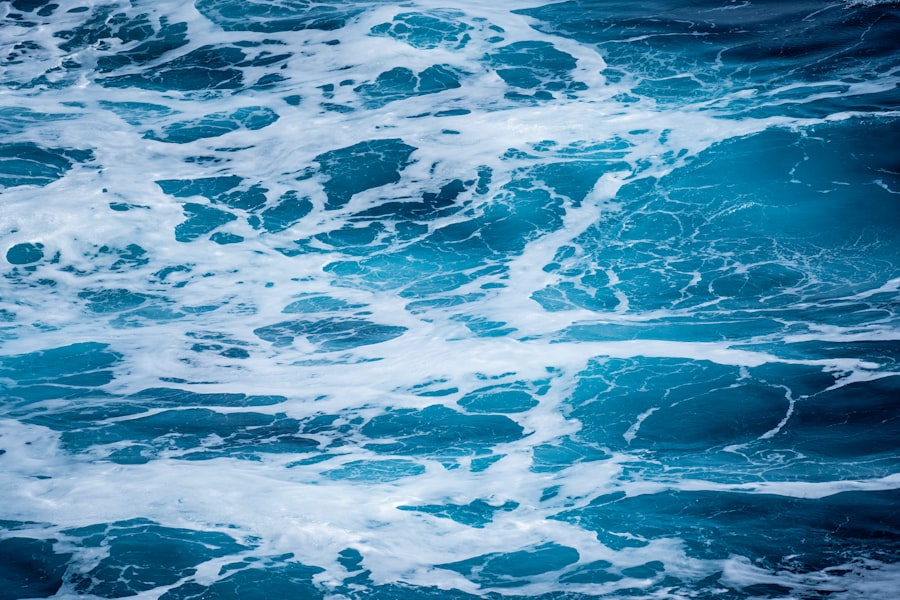
Navigating the Drake Passage presents numerous challenges that test even the most seasoned mariners. The unpredictable weather patterns can create treacherous conditions at sea, with towering waves and strong currents posing significant risks to vessels. The passage is notorious for its rough seas, often referred to as “the Drake Shake,” which can lead to discomfort and seasickness among passengers.
In addition to weather-related challenges, navigators must also contend with icebergs and floating sea ice that can obstruct safe passage. The presence of these hazards requires careful planning and constant vigilance while at sea. Modern technology has improved navigation safety in recent years; however, mariners still rely on traditional seamanship skills to navigate these perilous waters successfully.
Research and Scientific Discoveries in the Drake Passage
The Drake Passage has become a focal point for scientific research due to its unique ecological characteristics and its role in global ocean circulation. Researchers from around the world flock to this region to study its marine ecosystems, climate patterns, and geological features. The passage serves as a natural laboratory for understanding how climate change impacts oceanic environments and marine life.
One significant area of research involves studying krill populations, which are vital to the Antarctic food web. Scientists monitor these small crustaceans to assess their health and abundance, as they serve as a primary food source for many species in the region. Additionally, studies on ocean currents and temperature variations provide valuable insights into how changes in the Drake Passage may affect global climate systems.
The ongoing research conducted in this area continues to yield important discoveries that enhance our understanding of marine science.
The Importance of the Drake Passage for Global Ocean Circulation
The Drake Passage plays a crucial role in global ocean circulation, acting as a conduit for water movement between major ocean basins. The Antarctic Circumpolar Current flows through this passage, connecting the Atlantic, Pacific, and Indian Oceans while facilitating heat exchange between these bodies of water. This current is essential for regulating global climate patterns by distributing warm water from equatorial regions toward polar areas.
Moreover, the interaction between different water masses in the Drake Passage influences nutrient cycling and biological productivity across vast oceanic regions. As cold Antarctic waters mix with warmer currents from other oceans, they create conditions conducive to phytoplankton growth—an essential component of marine food webs. Understanding these processes is vital for predicting how climate change may impact oceanic ecosystems and global weather patterns.
The Experience of Crossing the Drake Passage
For many adventurers and travelers, crossing the Drake Passage is an unforgettable experience that combines excitement with a sense of awe at nature’s power. Whether aboard a research vessel or an expedition cruise ship, passengers often find themselves captivated by the dramatic landscapes surrounding them—the rugged cliffs of Cape Horn on one side and the icy expanse of Antarctica on the other. While some may experience trepidation at the thought of navigating such turbulent waters, others embrace it as part of their journey into one of Earth’s last frontiers.
Many travelers report feelings of exhilaration as they encounter towering waves and gusty winds while crossing this legendary passage. For those fortunate enough to witness wildlife along the way—such as whales breaching or seabirds soaring overhead—the experience becomes even more magical.
Conservation Efforts in the Drake Passage and Antarctica
As awareness grows regarding environmental issues facing our planet, conservation efforts in the Drake Passage and surrounding Antarctic regions have gained momentum. Various organizations work tirelessly to protect this fragile ecosystem from threats such as overfishing, pollution, and climate change. Initiatives aimed at preserving marine biodiversity are crucial for maintaining healthy populations of species that inhabit these waters.
These agreements promote scientific cooperation while ensuring that conservation remains a priority. Ongoing efforts focus on establishing marine protected areas within the Drake Passage to further enhance protection measures for vulnerable species and habitats.
The Future of Exploration in the Drake Passage
The future of exploration in the Drake Passage holds great promise as advancements in technology continue to enhance our ability to study this remote region. Innovations such as autonomous underwater vehicles (AUVs) and advanced satellite imaging allow researchers to gather data more efficiently than ever before. These tools enable scientists to monitor changes in marine ecosystems over time while providing valuable insights into how climate change impacts this delicate environment.
As interest in polar exploration grows among researchers and adventurers alike, there is an increasing emphasis on sustainable practices that minimize human impact on these pristine waters. Future explorations will likely prioritize conservation efforts alongside scientific discovery—ensuring that future generations can continue to appreciate and learn from this remarkable gateway to Antarctica. In conclusion, the Drake Passage stands as a testament to nature’s grandeur—a dynamic body of water that connects continents while harboring rich biodiversity and scientific significance.
Its challenges inspire awe among those who navigate its turbulent waters while offering unparalleled opportunities for exploration and discovery. As humanity continues to seek knowledge about our planet’s oceans, safeguarding this vital passage will remain paramount for future generations.
The Drake Passage is a significant body of water located between the southern tip of South America and Antarctica, known for its challenging navigation conditions due to strong currents and winds. For those interested in exploring more about the geographical significance and the challenges of navigating this passage, you can find a related article on the topic by visiting this page. This resource provides detailed insights into the Drake Passage’s location on the map and its importance in global maritime routes.
WATCH NOW! Drake Passage: Earth’s Deadliest Waters Revealed
FAQs
What is Drake Passage?
Drake Passage is the body of water between the southern tip of South America and the northern tip of the Antarctic Peninsula. It connects the southwestern part of the Atlantic Ocean with the southeastern part of the Pacific Ocean.
Where is Drake Passage located on a map?
Drake Passage is located south of Cape Horn, Chile, and south of the South Shetland Islands of Antarctica. It is situated between South America’s Cape Horn and the South Shetland Islands of Antarctica.
How wide is Drake Passage?
Drake Passage is approximately 800 kilometers (500 miles) wide at its narrowest point.
Why is Drake Passage significant?
Drake Passage is known for its rough seas and strong winds, making it one of the most challenging maritime routes in the world. It is also significant for its role in the circulation of the world’s oceans and the exchange of water between the Atlantic and Pacific Oceans.
What is the climate like in Drake Passage?
Drake Passage experiences strong winds, high waves, and cold temperatures due to its location in the Southern Ocean. The area is known for its stormy and unpredictable weather conditions.
Is Drake Passage important for wildlife?
Yes, Drake Passage is an important area for marine wildlife, including various species of whales, seals, and seabirds. The nutrient-rich waters support a diverse ecosystem, making it a popular area for wildlife enthusiasts and researchers.