
The Drake Passage, a body of water situated between the southern tip of South America and Antarctica, is renowned for its tumultuous seas and rich biodiversity. Named after the English explorer Sir Francis Drake, this passage serves as a critical conduit for ocean currents and marine life. Stretching approximately 800 kilometers (500 miles) in width, it connects the Atlantic and Pacific Oceans, making it a vital area for both navigation and ecological study.
The passage is often characterized by its unpredictable weather patterns and rough seas, which can pose challenges for vessels traversing its waters. Despite these conditions, the Drake Passage remains a focal point for researchers and adventurers alike, drawn by its unique ecological significance. The geographical features of the Drake Passage contribute to its status as a hotspot for marine biodiversity.
The confluence of cold Antarctic waters with warmer currents from the north creates a dynamic environment that supports a variety of species. This region is not only crucial for the migration of marine animals but also plays a significant role in global oceanic circulation. As such, understanding the intricacies of the Drake Passage is essential for comprehending broader ecological patterns and the health of our planet’s oceans.
Key Takeaways
- Drake Passage is a treacherous body of water located between the southern tip of South America and the northern tip of Antarctica.
- The unique ecosystem of Drake Passage is home to a diverse range of wildlife, including seabirds, marine mammals, and penguins.
- Seabirds such as albatrosses and petrels are a common sight in Drake Passage, using the area as a feeding ground and nesting site.
- Marine mammals like seals and whales can be found in the waters of Drake Passage, making it a prime location for wildlife enthusiasts and researchers.
- The impact of climate change on the wildlife in Drake Passage is a growing concern, making conservation efforts and ecotourism crucial for preserving the biodiversity of the area.
The Unique Ecosystem of Drake Passage
The ecosystem of the Drake Passage is characterized by its remarkable diversity, shaped by the interplay of various oceanic currents and climatic conditions. The cold waters from the Southern Ocean meet the warmer waters from the north, creating a nutrient-rich environment that supports an array of marine life. Phytoplankton blooms thrive in these waters, forming the foundation of the food web that sustains larger organisms.
This unique combination of nutrients and currents fosters an environment where both migratory and resident species can flourish. In addition to its rich marine life, the Drake Passage is also home to a variety of habitats, including deep-sea trenches and continental shelves. These diverse habitats provide refuge for numerous species, from microscopic organisms to large marine mammals.
The passage’s unique geographical features contribute to its ecological significance, making it a critical area for scientific research and conservation efforts. Understanding the delicate balance of this ecosystem is vital for ensuring its preservation in the face of environmental challenges.
Seabirds of Drake Passage

The Drake Passage is a haven for seabirds, attracting a multitude of species that thrive in its nutrient-rich waters. Among the most notable are the wandering albatrosses, known for their impressive wingspans that can reach up to 3.5 meters (11 feet). These magnificent birds are adept at gliding over vast distances, using wind currents to travel effortlessly across the ocean.
Their presence in the Drake Passage is a testament to the area’s rich marine resources, as they rely on fish and squid for sustenance. In addition to albatrosses, the passage is home to various other seabird species, including petrels, shearwaters, and skuas. Each species plays a unique role in the ecosystem, contributing to the intricate web of life that characterizes this region.
The abundance of food sources in the Drake Passage allows these birds to thrive, making it an essential area for their breeding and feeding activities. Birdwatchers and researchers flock to this region to observe these remarkable creatures in their natural habitat, highlighting the importance of conservation efforts aimed at protecting their populations.
Marine Mammals in Drake Passage
| Species | Population | Threats |
|---|---|---|
| Humpback Whale | Unknown | Climate change, entanglement in fishing gear |
| Antarctic Fur Seal | Approximately 3 million | Overfishing, habitat degradation |
| Orca | Unknown | Pollution, prey depletion |
The marine mammals of the Drake Passage are as diverse as they are fascinating. This region serves as a critical habitat for several species of whales, including humpback whales, orcas, and blue whales. These majestic creatures migrate through the passage in search of food and breeding grounds, taking advantage of the rich marine resources available in these waters.
The sight of a whale breaching or spouting water is a breathtaking experience that draws many visitors to this remote area. In addition to whales, the Drake Passage is also home to various species of seals and sea lions. These pinnipeds can often be seen lounging on ice floes or swimming gracefully through the water.
Their presence adds another layer of complexity to the ecosystem, as they play a vital role in maintaining the balance of marine life. The interactions between these mammals and their environment are crucial for understanding the overall health of the Drake Passage’s ecosystem.
Penguins of Drake Passage
Among the most iconic inhabitants of the Drake Passage are its penguin populations. Species such as the Adélie penguin, Gentoo penguin, and Chinstrap penguin thrive in this frigid environment, making it one of their primary breeding grounds. These flightless birds are well-adapted to their surroundings, with their thick layers of blubber and waterproof feathers providing insulation against the cold temperatures.
The breeding colonies found on nearby islands are bustling with activity during the summer months when penguins gather to mate and raise their young. The social dynamics within these colonies are fascinating to observe, as penguins engage in various behaviors such as courtship displays and chick-rearing activities.
The presence of these charming birds not only enhances the biodiversity of the Drake Passage but also serves as an indicator of environmental health, making them an important focus for conservation efforts.
Exploring the Flora and Fauna of Drake Passage
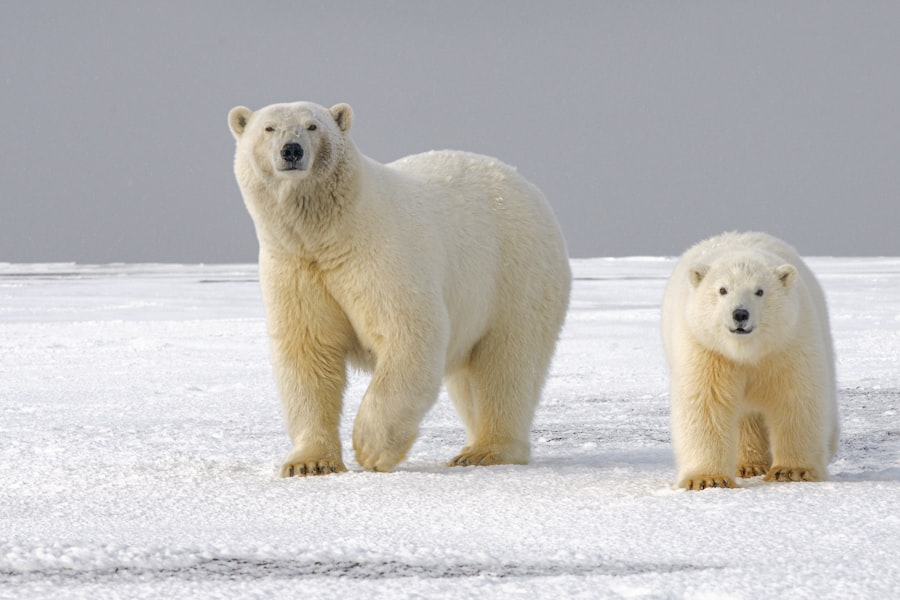
The flora and fauna of the Drake Passage are intricately linked to its unique environmental conditions. While much of the region is dominated by ice and water, various forms of life can be found both above and below the surface. The intertidal zones along rocky shores support diverse communities of algae and seaweeds, which provide essential habitat for small marine organisms.
These plants play a crucial role in stabilizing shorelines and contributing to nutrient cycling within the ecosystem. Beneath the waves, a vibrant world teems with life. From colorful corals to bioluminescent organisms, the underwater landscape is rich with diversity.
The presence of krill—tiny crustaceans that serve as a primary food source for many marine animals—highlights the importance of this ecosystem in supporting larger species such as whales and seals. Exploring this intricate web of life offers valuable insights into how ecosystems function and underscores the need for ongoing research and conservation efforts.
Conservation Efforts in Drake Passage
Conservation efforts in the Drake Passage are essential for safeguarding its unique biodiversity against various threats. Organizations dedicated to marine conservation work tirelessly to monitor populations of seabirds, marine mammals, and other species that inhabit this region. These initiatives often involve collaborative efforts between governments, research institutions, and non-profit organizations aimed at promoting sustainable practices and protecting critical habitats.
One significant aspect of conservation in the Drake Passage involves regulating fishing practices to prevent overexploitation of marine resources. Sustainable fishing practices are crucial for maintaining healthy populations of fish and other marine organisms that form the foundation of this ecosystem. Additionally, efforts to reduce pollution and mitigate climate change impacts are vital for preserving the delicate balance within this unique environment.
Research and Scientific Discoveries in Drake Passage
The Drake Passage has long been a focal point for scientific research due to its unique ecological characteristics and significance in global oceanic processes. Researchers from around the world conduct studies aimed at understanding everything from ocean currents to marine biodiversity. These investigations often yield valuable insights into how ecosystems function and respond to environmental changes.
Recent scientific discoveries in the Drake Passage have shed light on previously unknown species and behaviors among marine life. For instance, studies have revealed new information about migratory patterns among whales and feeding habits among seabirds. Such findings not only enhance our understanding of these species but also inform conservation strategies aimed at protecting their habitats and ensuring their survival in an ever-changing world.
The Impact of Climate Change on Wildlife in Drake Passage
Climate change poses significant challenges to wildlife in the Drake Passage, affecting everything from sea ice extent to ocean temperatures. As global temperatures rise, melting ice alters habitats for many species that rely on stable conditions for breeding and feeding. For instance, penguin populations may face challenges as their breeding grounds become less accessible due to changing ice conditions.
Additionally, shifts in ocean temperatures can disrupt food chains within this ecosystem. Changes in phytoplankton abundance can have cascading effects on higher trophic levels, impacting fish populations that seabirds and marine mammals depend on for sustenance. Understanding these impacts is crucial for developing effective conservation strategies that address both immediate threats and long-term changes resulting from climate change.
Wildlife Watching and Ecotourism in Drake Passage
Wildlife watching and ecotourism have become increasingly popular activities in the Drake Passage, attracting visitors eager to experience its breathtaking natural beauty and diverse wildlife firsthand. Tour operators offer guided excursions that provide opportunities to observe seabirds soaring overhead, whales breaching in the distance, and penguins waddling along icy shores. These experiences not only foster appreciation for this unique environment but also raise awareness about conservation issues facing its inhabitants.
Ecotourism can play a vital role in supporting conservation efforts by generating revenue that can be reinvested into research and habitat protection initiatives. Responsible tourism practices ensure that visitors minimize their impact on fragile ecosystems while enjoying unforgettable encounters with wildlife. By promoting sustainable tourism practices, stakeholders can help preserve the biodiversity of the Drake Passage for future generations.
Preserving the Biodiversity of Drake Passage
The biodiversity found within the Drake Passage is a testament to nature’s resilience and complexity. From its diverse array of seabirds and marine mammals to its unique flora and fauna, this region plays a crucial role in maintaining ecological balance within our planet’s oceans. However, ongoing threats such as climate change and overfishing necessitate concerted conservation efforts to protect this vital ecosystem.
As awareness grows about the importance of preserving biodiversity in areas like the Drake Passage, collaborative initiatives among governments, researchers, and conservation organizations become increasingly essential. By prioritizing sustainable practices and fostering appreciation for this remarkable environment through ecotourism, society can work towards ensuring that future generations will continue to marvel at the wonders of this extraordinary passageway between two worlds.
The Drake Passage is a renowned maritime route that serves as a natural gateway between the Atlantic and Pacific Oceans, and it is teeming with diverse wildlife. This region is a haven for marine life enthusiasts, offering sightings of majestic whales, playful dolphins, and a variety of seabirds. For those interested in exploring more about the unique wildlife and the geographical significance of the Drake Passage, a related article can be found on MyGeoQuest. This article delves into the ecological importance of the area and provides insights into the species that inhabit these waters.