
The Darién Gap is a 66-mile (106-kilometer) stretch of undeveloped swampland and forest located between Panama and Colombia. This region represents the only break in the Pan-American Highway, which otherwise extends from Alaska to Argentina. The area consists of dense tropical rainforest, swampland, and mountainous terrain that has remained largely impassable to conventional transportation.
The region encompasses approximately 5,000 square miles and contains some of Central America’s most biodiverse ecosystems. It serves as habitat for numerous endangered species, including jaguars, harpy eagles, and various primate species. The area also supports several indigenous communities, including the Emberá and Wounaan peoples, who have inhabited the region for centuries.
The Darién Gap presents significant logistical and safety challenges. The terrain includes steep mountains, dense jungle, rivers, and swamps that make travel extremely difficult. The region experiences high rainfall, with some areas receiving over 250 inches annually.
Additionally, the area has been affected by armed groups and drug trafficking, creating security concerns for travelers and researchers. These factors have contributed to the gap remaining unbridged in the Pan-American Highway system, despite various proposals and studies conducted over several decades.
Key Takeaways
- The Darién Gap is a remote and ecologically rich region with significant historical and cultural importance.
- Planning a trip requires careful preparation due to safety concerns and challenging terrain.
- The area is home to diverse wildlife, including unique bird species, and vibrant indigenous communities.
- Trekking, hiking, and boat exploration offer immersive ways to experience the region’s natural beauty.
- Sustainable tourism practices are essential to protect the Darién Gap’s environment and support local communities.
History and significance of the Darién Gap
The history of the Darién Gap is as complex as its geography. The region has long been inhabited by indigenous groups such as the Embera and Wounaan, who have lived in harmony with the land for centuries. These communities possess a deep understanding of the rainforest’s resources and have developed rich cultural traditions that reflect their connection to the environment.
European explorers first encountered the Darién Gap in the 16th century, when they sought a route to connect the Atlantic and Pacific Oceans. However, the treacherous terrain and dense foliage thwarted their ambitions, leading to the region’s reputation as an impassable barrier. In modern times, the Darién Gap has gained attention for its strategic significance.
It serves as a natural border between Panama and Colombia, making it a focal point for migration and trade routes. The area has also been affected by political instability and conflict, particularly during Colombia’s civil unrest in the late 20th century. Despite these challenges, the Darién Gap remains a symbol of resilience and natural beauty, attracting those who seek adventure and a deeper understanding of its historical context.
Planning your trip to the Darién Gap

Planning a trip to the Darién Gap requires careful consideration and preparation. Travelers must first decide on their mode of transportation, as access to this remote region can be challenging. While some adventurous souls opt for overland travel through rugged terrain, others may choose to fly into nearby towns such as Yaviza or Metetí.
Regardless of the chosen route, it is essential to research local conditions and weather patterns, as heavy rains can significantly impact travel plans. Accommodations in the Darién Gap are limited but can range from basic lodges to more comfortable eco-friendly options. Travelers should also consider hiring local guides who possess invaluable knowledge of the area and can enhance the experience by sharing insights about the flora, fauna, and indigenous cultures.
Additionally, obtaining necessary permits for trekking or visiting protected areas is crucial to ensure compliance with local regulations and to support conservation efforts.
Wildlife and biodiversity in the Darién Gap
The Darién Gap is renowned for its extraordinary wildlife and biodiversity, making it a paradise for nature enthusiasts. The region is home to an array of species, including jaguars, tapirs, and various primates, as well as countless bird species that thrive in its lush environment. The dense rainforest provides a habitat for both endemic and migratory species, contributing to its status as one of the most biologically diverse areas in Central America.
Conservation efforts in the Darién Gap are vital to preserving this unique ecosystem. Various organizations work tirelessly to protect endangered species and their habitats while promoting sustainable practices among local communities. The region’s rich biodiversity not only supports ecological balance but also offers opportunities for scientific research and ecotourism.
For those fortunate enough to explore this pristine wilderness, encounters with its diverse wildlife can be both awe-inspiring and humbling.
Indigenous communities in the Darién Gap
| Service | Description | Duration | Group Size | Difficulty Level | Includes |
|---|---|---|---|---|---|
| Guided Trekking | Multi-day guided trek through the Darién Gap jungle | 5-7 days | 4-10 people | High | Guide, camping gear, meals, safety briefing |
| Wildlife Tours | Day tours focusing on local flora and fauna observation | 1 day | 2-8 people | Moderate | Guide, binoculars, snacks |
| Cultural Visits | Visits to indigenous communities with local guides | 1-2 days | Up to 12 people | Easy to Moderate | Guide, cultural activities, meals |
| Custom Expeditions | Tailored adventure trips based on client preferences | Variable | Variable | Variable | Guide, logistics, permits, meals |
The indigenous communities residing in the Darién Gap play a crucial role in preserving the region’s cultural heritage and ecological integrity. Groups such as the Embera and Wounaan have maintained their traditional ways of life despite external pressures from modernization and development. Their deep-rooted knowledge of the rainforest’s resources allows them to live sustainably while fostering a profound respect for nature.
Visitors to the Darién Gap have the opportunity to engage with these communities through cultural exchanges that promote understanding and appreciation of their traditions. Activities may include participating in traditional crafts, learning about medicinal plants, or experiencing local music and dance. Such interactions not only enrich travelers’ experiences but also provide vital support to indigenous communities striving to maintain their cultural identity in an ever-changing world.
Safety and security considerations in the Darién Gap
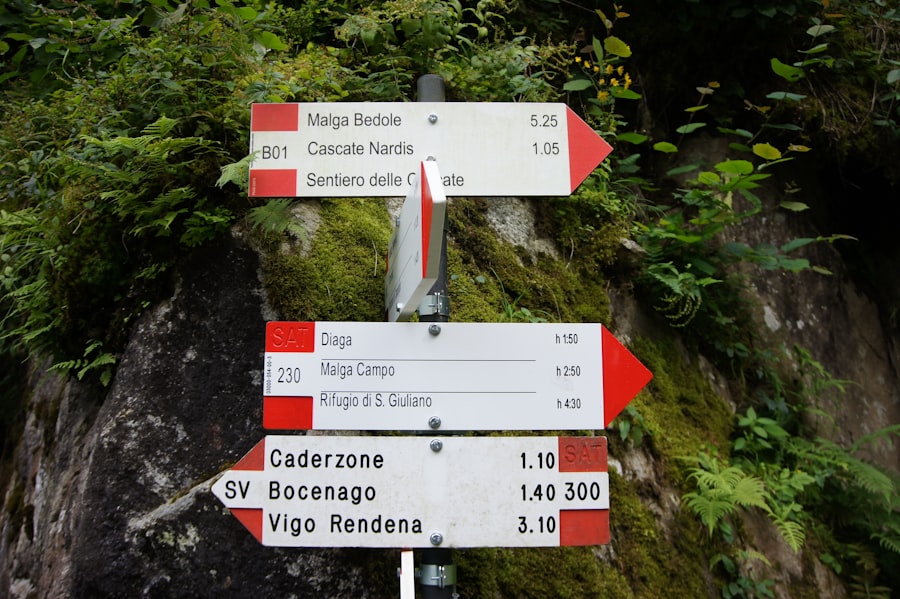
Safety is a paramount concern for anyone planning to visit the Darién Gap. The region’s remoteness can pose challenges in terms of access to medical facilities and communication networks. Travelers should be aware of potential risks associated with wildlife encounters, such as snakes or insects, and take necessary precautions against diseases like malaria or dengue fever by using insect repellent and sleeping under mosquito nets.
Additionally, political instability in certain areas can affect safety perceptions. It is advisable for travelers to stay informed about current events and consult local authorities or tour operators regarding safety conditions before embarking on their journey. By taking these precautions seriously, visitors can enjoy their adventure while minimizing risks associated with exploring this wild and beautiful region.
Trekking and hiking opportunities in the Darién Gap
Trekking through the Darién Gap offers an unparalleled opportunity to immerse oneself in nature’s splendor. Numerous trails wind through the dense rainforest, leading adventurers past cascading waterfalls, pristine rivers, and breathtaking vistas. These treks vary in difficulty, catering to both seasoned hikers seeking challenging routes and those looking for more leisurely walks through stunning landscapes.
Guided treks are highly recommended for those unfamiliar with the terrain or local flora and fauna. Local guides not only provide valuable insights into the ecosystem but also ensure that travelers navigate safely through potentially hazardous areas. Whether traversing rugged mountain paths or meandering along riverbanks, trekking in the Darién Gap promises unforgettable experiences that connect visitors with nature on a profound level.
Birdwatching in the Darién Gap
For birdwatching enthusiasts, the Darién Gap is nothing short of a paradise. The region boasts an impressive variety of bird species, including many that are endemic to Central America. Birdwatchers can expect to spot colorful toucans, elusive quetzals, and numerous species of hummingbirds flitting among the vibrant foliage.
The diverse habitats within the gap provide ideal conditions for both resident birds and migratory species seeking refuge during their journeys. Birdwatching tours led by knowledgeable guides can enhance this experience significantly.
With patience and keen observation skills, birdwatchers can revel in the thrill of encountering some of nature’s most magnificent avian creatures amidst the breathtaking backdrop of the Darién Gap.
Exploring the Darién Gap by boat
Exploring the Darién Gap by boat offers a unique perspective on this remote region’s beauty. The numerous rivers that flow through the rainforest provide access to areas that may be difficult to reach on foot. Boat trips allow travelers to glide silently through tranquil waters while observing wildlife along riverbanks or spotting birds perched in trees overhead.
Local boat operators often offer guided tours that include stops at indigenous villages or secluded beaches where visitors can learn about local customs or simply relax in nature’s embrace. These excursions not only provide an opportunity for adventure but also foster connections with local communities who rely on these waterways for transportation and sustenance.
Sustainable tourism in the Darién Gap
Sustainable tourism is essential for preserving the delicate ecosystems and cultural heritage found within the Darién Gap. As interest in this remote region grows, it becomes increasingly important for travelers to engage in responsible practices that minimize their impact on both nature and local communities. This includes supporting eco-friendly accommodations, participating in guided tours led by local experts, and respecting wildlife habitats during outdoor activities.
By prioritizing sustainable tourism practices, visitors can contribute positively to conservation efforts while ensuring that future generations have the opportunity to experience the wonders of the Darién Gap. Engaging with local communities through cultural exchanges also fosters mutual respect and understanding, creating lasting connections that benefit both travelers and residents alike.
Conclusion and final tips for visiting the Darién Gap
In conclusion, visiting the Darién Gap is an adventure filled with opportunities for exploration, learning, and connection with nature and culture. As travelers prepare for their journey into this remarkable region, they should keep in mind several key tips: prioritize safety by staying informed about local conditions; engage with indigenous communities respectfully; support sustainable tourism initiatives; and embrace flexibility in travel plans due to unpredictable weather or terrain challenges.
With its rich biodiversity, vibrant cultures, and breathtaking landscapes, it stands as a testament to nature’s resilience and beauty. For those who seek adventure off the beaten path, exploring this enigmatic region promises memories that will last a lifetime.
If you’re planning an adventurous journey through the Darién Gap, it’s essential to consider reliable guide services to navigate this challenging terrain. For more information on the best options available, check out this informative article on My Geo Quest, which provides insights into various guide services and tips for a safe and enjoyable experience in this unique region.
FAQs
What is the Darién Gap?
The Darién Gap is a dense, roadless jungle region located between Panama and Colombia. It is known for its challenging terrain, diverse wildlife, and cultural significance.
Why do people use guide services in the Darién Gap?
Guide services are essential for navigating the difficult and often dangerous terrain of the Darién Gap. They provide local knowledge, ensure safety, assist with logistics, and help travelers respect indigenous communities and protected areas.
Are guide services mandatory for crossing the Darién Gap?
While not legally mandatory, using a guide service is highly recommended due to the region’s complexity, presence of wildlife, and security concerns. Many travelers choose guides to ensure a safer and more informed experience.
What qualifications do Darién Gap guides typically have?
Guides in the Darién Gap are usually locals with extensive knowledge of the terrain, wildlife, and indigenous cultures. They often have experience in survival skills, first aid, and navigation.
How long does a guided trek through the Darién Gap usually take?
The duration varies depending on the route and itinerary but typically ranges from several days to over a week. Guides can tailor the trek based on the traveler’s preferences and physical condition.
What should travelers bring when using a guide service in the Darién Gap?
Travelers should bring lightweight, durable clothing, insect repellent, water purification methods, sturdy footwear, and any personal medications. Guides often provide additional equipment and advice on packing.
Are there any safety concerns when traveling with a guide in the Darién Gap?
While guide services significantly reduce risks, travelers should remain cautious due to wildlife, weather conditions, and remote locations. Following the guide’s instructions and preparing adequately is crucial for safety.
How can I find reputable guide services for the Darién Gap?
Reputable guide services can be found through travel agencies specializing in adventure tourism, recommendations from experienced travelers, and organizations promoting sustainable and ethical tourism in the region.
Do guide services in the Darién Gap support local communities?
Many guide services work closely with indigenous and local communities, providing economic benefits and promoting cultural preservation. Choosing such services helps support sustainable tourism practices.
What is the cost range for hiring a guide in the Darién Gap?
Costs vary widely depending on the length of the trek, services included, and group size. It is advisable to request detailed quotes and understand what is included before booking a guide service.