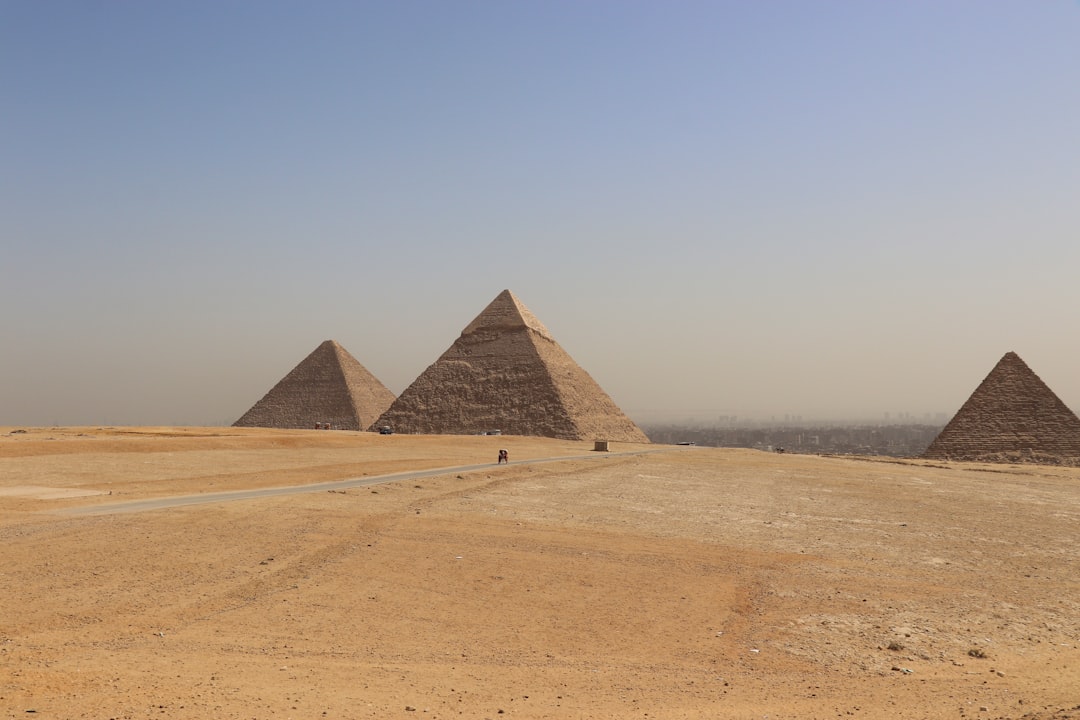
Cultural geography is a fascinating field that examines the intricate relationship between culture and space. It delves into how cultural practices, beliefs, and identities are shaped by geographical contexts and how these elements, in turn, influence the landscapes they inhabit. This discipline encompasses a wide array of topics, including language, religion, art, and social norms, all of which contribute to the rich tapestry of human experience.
By studying cultural geography, one can gain insights into the ways in which communities interact with their environments and how these interactions evolve over time. In the United States, cultural geography is particularly significant due to the nation’s diverse population and complex history. The interplay of various cultural influences has created a unique mosaic that reflects both indigenous traditions and the legacies of colonization, migration, and globalization.
Understanding cultural geography in this context allows for a deeper appreciation of the social dynamics at play within different regions and communities. As the nation continues to evolve, the study of cultural geography remains essential for comprehending the ongoing transformations in identity, belonging, and place.
Key Takeaways
- Cultural geography studies the relationship between people and the places they live, including how culture shapes the landscape and how the landscape shapes culture.
- Indigenous cultures have had a significant impact on the cultural geography of the US, with their traditions, languages, and land use practices shaping the environment.
- European settlement in the US has greatly influenced cultural geography, from the introduction of new agricultural practices to the establishment of cities and transportation networks.
- Slavery and African-American culture have played a crucial role in shaping the cultural geography of the US, particularly in the southern states.
- Immigration has led to a rich cultural diversity in the US, with different groups bringing their traditions, languages, and customs to the country.
The Influence of Indigenous Cultures
Indigenous cultures have played a foundational role in shaping the cultural landscape of the United States. Long before European settlers arrived, Native American tribes established rich traditions, languages, and spiritual beliefs that were deeply intertwined with their natural surroundings. These cultures emphasized a profound respect for the land, viewing it not merely as a resource but as a living entity deserving of reverence.
This connection to nature is evident in their art, storytelling, and communal practices, which often reflect the rhythms of the seasons and the cycles of life. The influence of indigenous cultures persists today, despite centuries of colonization and displacement. Many contemporary artists, writers, and activists draw inspiration from Native American traditions, seeking to revive and celebrate these rich heritages.
Additionally, indigenous perspectives on environmental stewardship are increasingly recognized in discussions about sustainability and conservation. As society grapples with pressing ecological challenges, the wisdom embedded in indigenous cultures offers valuable insights into living harmoniously with the earth. Thus, the legacy of these cultures continues to resonate, shaping not only local identities but also broader national conversations about culture and ecology.
The Impact of European Settlement
The arrival of European settlers marked a significant turning point in the cultural geography of what would become the United States. Colonization brought with it new languages, religions, and social structures that fundamentally altered the existing cultural landscape. The imposition of European norms often led to the marginalization of indigenous cultures, as settlers sought to impose their own ways of life on the land and its original inhabitants.
This clash of cultures resulted in a complex interplay of adaptation and resistance that has shaped American identity ever since. As European settlers established colonies, they brought diverse cultural influences from their homelands—ranging from British traditions in New England to Spanish customs in the Southwest. These influences blended with indigenous practices and later with those brought by enslaved Africans and immigrants from various parts of the world.
The result was a dynamic cultural exchange that gave rise to new forms of expression in music, cuisine, and art. The impact of European settlement is still evident today in regional dialects, architectural styles, and culinary traditions that reflect this rich historical tapestry.
The Role of Slavery and African-American Culture
| Aspect | Data/Metrics |
|---|---|
| Number of enslaved Africans brought to the Americas | Approximately 12.5 million |
| Impact on American economy | Enslaved labor contributed significantly to the wealth of the United States |
| Cultural influence | African-American music, art, literature, and cuisine have had a profound impact on American culture |
| Resistance and resilience | Enslaved individuals and their descendants demonstrated remarkable resilience and resistance in the face of oppression |
The institution of slavery has had a profound impact on American cultural geography, shaping not only the lives of enslaved individuals but also the broader societal landscape. Enslaved Africans brought with them rich cultural traditions that influenced music, dance, religion, and cuisine in ways that are still celebrated today. The fusion of African cultural elements with European and indigenous practices gave rise to unique forms of expression such as jazz, blues, and gospel music—genres that have become cornerstones of American culture.
The legacy of slavery also manifests in the ongoing struggles for civil rights and social justice within African-American communities. The resilience and creativity of these communities have fostered a rich cultural identity that continues to evolve. Festivals, art exhibitions, and literary works celebrate African-American heritage while addressing contemporary issues such as systemic racism and inequality.
This vibrant culture not only enriches the American landscape but also serves as a powerful reminder of the enduring impact of history on present-day identities.
The Cultural Diversity of Immigration
Immigration has been a driving force behind the cultural diversity found in the United States. Waves of immigrants from various parts of the world have contributed to a dynamic cultural landscape characterized by an array of languages, traditions, and customs. Each group brings its own unique heritage, enriching American society with new perspectives and experiences.
From Italian neighborhoods in New York City to Mexican communities in Los Angeles, immigrant populations have established vibrant enclaves that celebrate their cultural roots while also integrating into the broader American fabric. The influence of immigration is particularly evident in urban areas where multiculturalism thrives. Cities like Chicago, San Francisco, and Miami serve as melting pots where diverse cultures coexist and interact.
This blending often leads to innovative culinary fusions, artistic collaborations, and cross-cultural exchanges that redefine what it means to be American. However, immigration also raises complex questions about identity and belonging as communities navigate issues related to assimilation and cultural preservation. The ongoing dialogue surrounding immigration continues to shape the cultural geography of the nation.
Regional Differences in Cultural Identity
Cultural identity in the United States is not monolithic; rather, it varies significantly across regions due to historical influences, economic conditions, and social dynamics. The South is often characterized by its distinct traditions rooted in its history of agriculture, slavery, and civil rights struggles. Southern hospitality, soul food, and country music are just a few examples of how regional identity manifests in everyday life.
In contrast, the Northeast boasts a rich tapestry woven from its colonial past and industrial heritage. Cities like Boston and Philadelphia are steeped in history, while New York City serves as a global hub for arts and commerce. Meanwhile, the West is often associated with themes of exploration and innovation—reflecting its frontier history and diverse landscapes.
Each region contributes to a broader understanding of American culture while also highlighting local nuances that shape individual identities.
The Urban-Rural Divide
The urban-rural divide is another critical aspect of cultural geography in the United States. Urban areas tend to be more diverse and cosmopolitan, often serving as centers for innovation and cultural exchange. In contrast, rural communities may maintain more traditional lifestyles that reflect longstanding customs and values.
This divide can lead to differing perspectives on social issues such as education, healthcare access, and economic opportunities. The contrast between urban and rural cultures is often highlighted in political discourse as well. Urban areas may prioritize progressive policies aimed at inclusivity and social justice, while rural regions may emphasize individualism and community cohesion.
This divergence can create tensions but also opportunities for dialogue as both sides seek to understand each other’s experiences. Ultimately, bridging this divide requires recognizing the unique contributions each area brings to the national narrative.
The Role of Religion in Cultural Geography
Religion plays a significant role in shaping cultural geography across the United States. The nation’s religious landscape is incredibly diverse, encompassing a wide range of beliefs from Christianity to Buddhism to indigenous spiritual practices. This diversity influences everything from community gatherings to holiday celebrations and even political affiliations.
Religious institutions often serve as focal points for community life, providing social support networks while also shaping moral values. In many regions, religious beliefs are intertwined with local customs and traditions. For instance, Southern Baptists have had a profound impact on Southern culture through their emphasis on community engagement and social responsibility.
Similarly, immigrant communities often maintain their religious practices as a way to preserve their cultural heritage while adapting to their new environment. As society becomes increasingly pluralistic, understanding the role of religion in cultural geography remains essential for fostering mutual respect among diverse groups.
The Influence of Popular Culture
Popular culture has emerged as a powerful force in shaping contemporary American identity and cultural geography. From music and film to fashion and social media trends, popular culture reflects societal values while also influencing them. Icons such as Hollywood celebrities or musical artists can transcend regional boundaries, creating shared experiences among diverse populations.
Moreover, popular culture often serves as a platform for addressing social issues—whether through films that tackle systemic racism or music that speaks to mental health awareness.
As new forms of media continue to evolve, their impact on cultural geography will likely grow even more pronounced.
The Impact of Technology on Cultural Geography
Technology has revolutionized how people interact with one another and their environments, significantly impacting cultural geography in the United States. The rise of digital communication platforms has facilitated connections across vast distances—allowing individuals from different backgrounds to share ideas and experiences instantaneously. Social media platforms enable users to curate their identities while engaging with global conversations about culture.
However, technology also presents challenges related to cultural homogenization as dominant narratives can overshadow local traditions and practices. As people increasingly consume content from global sources rather than local ones, there is a risk that unique cultural identities may become diluted over time. Balancing technological advancements with efforts to preserve local cultures will be crucial for maintaining the rich diversity that characterizes American society.
The Future of Cultural Geography in the US
Looking ahead, the future of cultural geography in the United States will likely be shaped by ongoing demographic shifts and evolving societal norms.
Additionally, globalization will continue to play a significant role in shaping cultural exchanges—creating opportunities for collaboration while also posing challenges related to identity preservation.
Ultimately, understanding cultural geography will remain essential for navigating these complexities as society evolves. By recognizing the interconnectedness between culture and place—alongside historical legacies—individuals can foster greater empathy toward one another while celebrating diversity within their communities. As America continues its journey toward becoming an even more inclusive society, cultural geography will serve as both a lens through which to view this transformation and a guide for future generations seeking connection amidst diversity.
Cultural geography in the United States is a fascinating field that explores the diverse ways in which culture shapes and is shaped by geographic space. A related article that delves into this topic is available at this link, where you can find insights into the various cultural landscapes across the nation and how they reflect the identities of different communities.
WATCH THIS! The Map You Trust Is A Lie: Why America Is Really 11 Rival Nations
FAQs
What is cultural geography?
Cultural geography is the study of how humans and their cultures interact with their environment. It examines the cultural landscape, including language, religion, customs, and traditions, and how they are influenced by and in turn influence the physical environment.
What are some key aspects of the cultural geography of the US?
The cultural geography of the US is diverse and includes a wide range of cultural influences, including Native American, European, African, and Asian. It encompasses a variety of languages, religions, food, music, and art, reflecting the country’s history of immigration and cultural exchange.
How does cultural geography impact the US?
Cultural geography shapes the way people live, work, and interact with each other and the environment in the US. It influences everything from urban planning and architecture to social norms and political beliefs. Understanding cultural geography is essential for addressing issues of diversity, equity, and inclusion.
What are some examples of cultural regions in the US?
The US can be divided into various cultural regions, such as the Northeast, the South, the Midwest, the West, and the Pacific Northwest. Each region has its own unique cultural characteristics, including language, cuisine, music, and traditions, shaped by historical, environmental, and social factors.
How does cultural geography contribute to the identity of different US regions?
Cultural geography plays a significant role in shaping the identity of different US regions. It influences the way people perceive themselves and others, as well as their sense of belonging and attachment to a particular place. Cultural geography also contributes to the distinctiveness and diversity of each region.