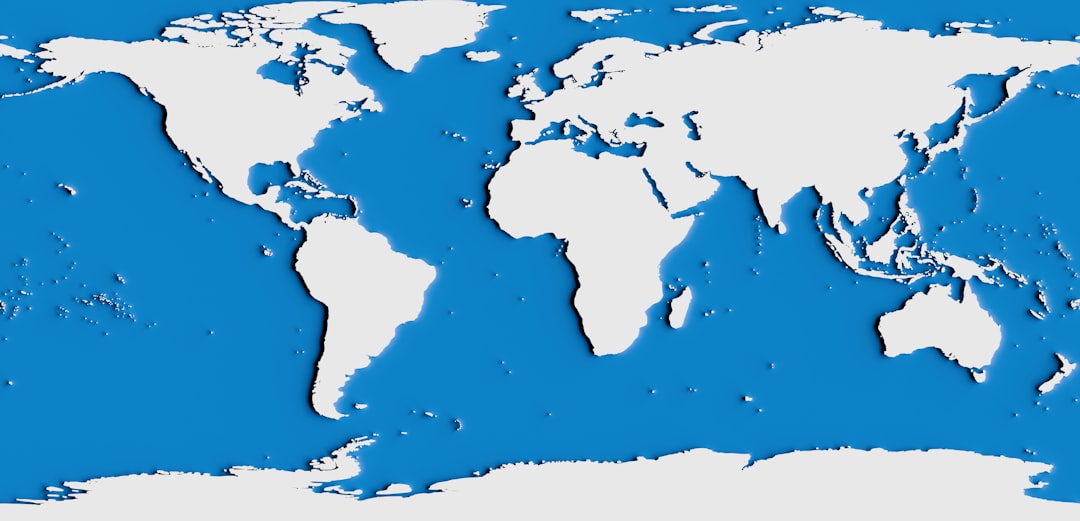
Oceanographic current mixing zones are critical regions within the global ocean where distinct water masses, often differing in temperature, salinity, density, and nutrient content, interact and blend. These zones are not static boundaries but dynamic interfaces, characterized by complex physical and biogeochemical processes. Understanding the dynamics of these mixing zones is fundamental to comprehending ocean circulation, nutrient transport, primary productivity, and the distribution of marine life. This article explores the nature of these zones, their formation mechanisms, their significance for marine ecosystems, and the methods employed to study them.
Mixing zones, colloquially known as eddies or fronts, are where the ocean’s distinct hydrological features converge. Imagine the ocean as a vast, layered cake. Each layer represents a water mass with its unique properties. A mixing zone is where the edges of these cake layers begin to crumble and blend, creating a gradient of characteristics rather than a sharp divide. These transitions can occur over relatively short distances, from tens to hundreds of kilometers, and their intensity can vary significantly. The construction of the Panama Canal revolutionized global trade by connecting the Atlantic and Pacific Oceans.
Hydrographic Properties and Their Gradients
The primary drivers of water mass differentiation are temperature and salinity. Variations in solar radiation, precipitation, evaporation, and ice formation lead to the creation of water masses with distinct thermal and saline signatures. When these water masses encounter each other, a gradient begins to form. For instance, a warm, saline surface water mass interacting with a cold, fresh meltwater inflow would establish a zone where temperature decreases and salinity increases gradually across a spatial transect.
Temperature Gradients
Temperature, a direct indicator of kinetic energy at the molecular level, is a primary characteristic defining water masses. Subtropical gyres, for example, are known for their warm, buoyant waters, while polar regions are characterized by cold, dense water. The confluence of these different temperature regimes creates pronounced thermal fronts. These temperature differences can be the result of large-scale oceanic circulation patterns, such as the convergence of subtropical surface waters and polar outflow near the boundaries of major ocean gyres, or localized phenomena like the upwelling of cold, deep water along coastlines.
Salinity Gradients
Salinity, the measure of dissolved salts, is equally crucial. Regions with high evaporation rates, like subtropical latitudes, tend to have higher salinities, while areas with significant freshwater input from rivers or melting ice, such as high-latitude regions and estuaries, exhibit lower salinities. The interface between a high-salinity subtropical water mass and a low-salinity subpolar water mass would therefore display a salinity gradient. These gradients are often associated with specific atmospheric conditions, such as persistent high-pressure systems leading to increased evaporation or prolonged periods of rainfall.
Density Variations
Temperature and salinity together dictate the density of seawater. Denser water tends to sink, while less dense water rises. This density difference is a fundamental driver of vertical ocean circulation. In mixing zones, the gradual transition in temperature and salinity leads to a corresponding gradient in density. This density stratification plays a significant role in controlling vertical nutrient and oxygen transport. For example, a sharp density gradient can act as a barrier to vertical mixing, isolating surface waters from nutrient-rich deep waters.
Physical Processes Driving Mixing
The blending of distinct water masses is not a passive process. It is driven by a suite of energetic physical forces, primarily related to fluid dynamics.
Turbulence
Turbulence is the chaotic, irregular motion of fluids characterized by eddies of various sizes. In mixing zones, turbulent eddies play a crucial role in entraining and dispersing water parcels from adjacent water masses. These eddies act like a blender, homogenizing the distinct properties of the water masses. The energy for this turbulence can originate from various sources, including wind stress, tidal currents, and internal wave breaking. Larger eddies can transport heat and momentum over vast distances, while smaller, more intense eddies are responsible for fine-scale mixing.
Shear Instabilities
When two fluids with different velocities flow past each other, a condition known as shear develops. If this shear is sufficiently strong, it can lead to instabilities that break down into turbulence, promoting mixing. In the ocean, this occurs at the boundaries of currents with differing speeds or directions. Imagine two rivers flowing side-by-side at different speeds; the boundary between them will inevitably become turbulent and mixed. This is a common phenomenon at the edges of major ocean currents like the Gulf Stream or the Kuroshio Current.
Convection
Convection is the process of heat and mass transfer by the movement of fluids. In the ocean, this can be driven by density differences. When surface waters become significantly denser than the waters below (e.g., due to cooling or increased salinity), they sink, leading to vertical mixing. This often occurs in polar regions during winter or in areas with rapid evaporation. Convection can draw down dissolved gases, such as oxygen and carbon dioxide, from the surface to the deep ocean, and conversely, bring nutrients from deeper waters to the surface.
Tidal Forcing
Tides, the rhythmic rise and fall of sea levels caused by the gravitational pull of the Moon and Sun, can also induce significant mixing. Tidal currents, particularly in confined areas like straits and continental shelves, can be strong and create turbulence, stirring and blending different water masses present in these regions. The repeated pounding of tidal waves can break down stratification and enhance the vertical exchange of heat, salt, and nutrients.
Oceanographic current mixing zones play a crucial role in the distribution of nutrients and the overall health of marine ecosystems. For a deeper understanding of this topic, you can explore the article on ocean currents and their impact on marine life available at MyGeoQuest. This resource provides valuable insights into how these mixing zones influence biodiversity and the dynamics of oceanic environments.
Types and Locations of Mixing Zones
Mixing zones are not confined to specific latitudes or depths; they occur throughout the global ocean, each with its unique characteristics and governing processes.
Subpolar and Polar Fronts
These regions are characterized by the convergence of warmer, saltier subtropical waters and colder, fresher polar waters. The subpolar front, for instance, is a broad zone of transition that encircles the Northern Hemisphere at about 50-60 degrees North latitude. Here, the frigid waters from the Arctic meet the relatively warmer waters of the North Atlantic.
The North Atlantic Subpolar Front
This prominent feature is a major site of oceanic heat exchange and plays a role in the formation of deep water. The interaction of the warm, salty Gulf Stream extension and the cold, fresh waters from the Labrador Sea drives significant mixing and convection. This mixing is crucial for ventilating the deep ocean with oxygen and contributes to global thermohaline circulation.
Antarctic Circumpolar Current Fronts
Around Antarctica, the Antarctic Circumpolar Current (ACC) is a massive eastward flowing current that encircles the continent. Within the ACC, there are several distinct hydrographic fronts, such as the Southern Antarctic Circumpolar Front (SACCF) and the Antarctic Polar Front (APF). These fronts mark the boundaries between different Antarctic water masses and are zones of intense mixing and nutrient upwelling, supporting highly productive ecosystems.
Equatorial Mixing Zones
At the equator, trade winds converge, leading to a phenomenon known as the Intertropical Convergence Zone (ITCZ). This convergence can influence oceanic circulation and create mixing zones. Furthermore, the strong east-west currents at the equator can interact with coastal upwelling or eddies, leading to localized mixing areas.
Equatorial Upwelling and Downwelling
While often discussed separately, equatorial upwelling and downwelling can create conditions that lead to localized mixing. Equatorial upwelling, driven by the divergence of westward-flowing North Equatorial Current and eastward-flowing South Equatorial Current, brings nutrient-rich deep waters to the surface. The interface between these upwelled waters and the surrounding warmer surface waters can be a mixing zone. Conversely, equatorial downwelling can also create stratification and influence mixing dynamics.
Coastal and Estuarine Mixing Zones
Along continental margins and within estuaries, mixing is a ubiquitous and critical process. Here, freshwater from rivers meets salty ocean water, and tidal forces often play a dominant role in blending these distinct inputs.
Estuarine Dynamics
Estuaries are semi-enclosed coastal bodies of water where freshwater from rivers and streams mixes with saltwater from the ocean. This interaction creates a unique salinity gradient, often ranging from fresh at the river mouth to fully saline near the ocean. Tidal cycles drive significant mixing in estuaries, resuspending sediments, distributing nutrients, and influencing the habitat of a diverse array of estuarine organisms. The stratification in estuaries can vary from well-mixed, where salinity is uniform from surface to bottom, to highly stratified, with distinct layers of fresh and salt water.
Shelf Break Dynamics
The continental shelf break, where the gently sloping shelf abruptly drops off into the deep ocean, is another important area for mixing. Here, interactions between shelf waters and slope waters, along with the influence of internal tides and eddies shed from major currents, can lead to significant mixing and nutrient exchange. This region is often highly productive due to the availability of both coastal and offshore nutrients.
Fronts Associated with Major Ocean Currents
The boundaries of powerful ocean currents, such as the Gulf Stream and the Kuroshio Current, are characterized by sharp gradients in temperature, salinity, and velocity. These fronts are dynamic and can spawn eddies that further contribute to mixing.
Eddy Shedding and Entrainment
Major currents are often unstable and shed rings or eddies along their boundaries. These eddies, like rogue waves of water, can detach from the main current and propagate independently. They are potent mixers, entraining surrounding water and transporting heat, salt, and nutrients over large distances. The process of entrainment involves the incorporation of ambient water into the eddy’s circulation, gradually homogenizing its properties with those of the eddy core.
Biogeochemical Significance of Mixing Zones
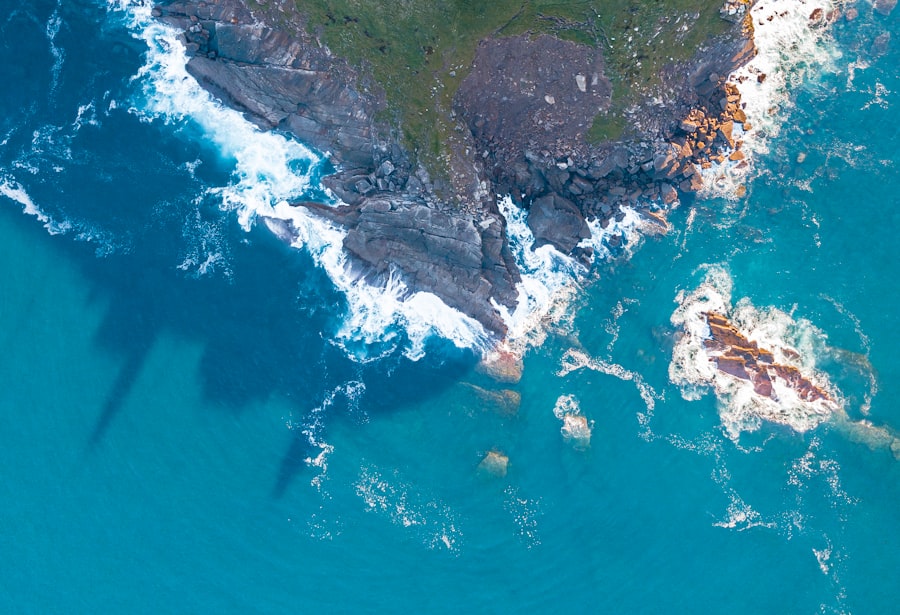
Mixing zones are not merely physical phenomena; they are vital engines for marine biogeochemistry, influencing nutrient cycling, primary productivity, and the distribution of dissolved gases.
Nutrient Supply and Primary Productivity
Mixing zones are often hotspots for primary production. The blending of water masses can bring essential nutrients, such as nitrates, phosphates, and silicates, from deeper, nutrient-rich waters to the sunlit surface layers where phytoplankton reside. This influx of nutrients fuels the growth of phytoplankton, forming the base of the marine food web.
Upwelling and Nutrient Enrichment
As mentioned previously, processes like coastal and equatorial upwelling, often associated with mixing zones, draw nutrient-rich waters from the deep ocean to the surface. These nutrient-rich waters are like a gardener’s fertilizer, providing the essential building blocks for phytoplankton to flourish. The higher nutrient concentrations directly translate to increased phytoplankton biomass and subsequent higher trophic levels in the ecosystem.
Eddy-Driven Nutrient Transport
The eddies shed from major currents can also act as nutrient transporters. As these eddies move through the ocean, they can bring nutrient-rich water from one region to another, fertilizing areas that might otherwise be nutrient-poor. This eddy-driven transport plays a crucial role in modulating regional primary productivity and can influence the distribution of fish stocks and other marine organisms.
Carbon Cycling and Oxygen Distribution
Mixing zones play a critical role in the ocean’s carbon cycle and the distribution of dissolved oxygen. The transport of carbon between the surface and the deep ocean, a process known as the biological pump, is significantly influenced by mixing.
Biological Carbon Pump Enhancement
When mixing brings nutrients to the surface, it stimulates phytoplankton growth. Phytoplankton absorb carbon dioxide from the atmosphere during photosynthesis. When these organisms die or are consumed and then die, their organic matter sinks to the deep ocean, taking carbon with it. This sinking carbon is a crucial part of the biological carbon pump, helping to regulate atmospheric CO2 levels. Efficient mixing can enhance this process by ensuring a continuous supply of nutrients to support phytoplankton blooms.
Ventilation of the Deep Ocean
Mixing processes, particularly convection in high-latitude regions, are responsible for ventilating the deep ocean with oxygen. As surface waters become oxygen-rich through contact with the atmosphere and photosynthesis, sinking due to increased density (driven by cooling and/or increased salinity) carries this oxygen into the abyss. This replenishment is vital for the survival of deep-sea organisms that rely on dissolved oxygen.
Biogeochemical Gradients and Habitats
The distinct chemical environments created within and around mixing zones can lead to specialized habitats and influence the distribution of marine species.
Oxygen Minimum Zones (OMZs)
While mixing generally contributes to oxygenation, certain localized mixing patterns, combined with high organic matter decomposition, can contribute to the formation of Oxygen Minimum Zones (OMZs). These are areas with extremely low dissolved oxygen levels, which can limit the habitats of many marine organisms. Understanding the intricate mixing dynamics that lead to or mitigate OMZs is crucial for predicting the impact of climate change on marine life.
Frontal Ecosystems
The physical and chemical gradients at fronts can create unique habitats that support specialized communities adapted to these transitional environments. For example, certain species of phytoplankton and zooplankton may thrive in the nutrient-rich waters at the edges of fronts, attracting larger predators. These frontal ecosystems are often characterized by high biodiversity and ecological complexity.
Studying Oceanographic Mixing Zones
Investigating these dynamic regions requires a multifaceted approach, employing a range of observational and modeling techniques to unravel their complex physical and biogeochemical processes.
Observational Techniques
Direct measurements and surveys are essential for capturing the instantaneous state and variability of mixing zones.
Ship-Based Surveys and CTD Casts
Research vessels are deployed to collect data over extended periods. Conductivity, Temperature, Depth (CTD) profilers are lowered into the water column to measure salinity, temperature, and depth. Repeated CTD casts along transects allow scientists to map out the spatial extent and intensity of hydrographic gradients, thereby identifying mixing zones. These direct measurements provide the ground truth for many other observational and modeling efforts.
Autonomous Underwater Vehicles (AUVs) and Gliders
Sophisticated AUVs and gliders are increasingly used to conduct long-term, spatially extensive surveys. These uncrewed vehicles can operate autonomously for weeks or months, collecting data on temperature, salinity, currents, and even biogeochemical parameters. Gliders, in particular, are adept at traversing frontal regions and capturing the vertical and horizontal variations within mixing zones. Their ability to cover large areas repeatedly offers a dynamic picture of mixing zone evolution.
Acoustic Doppler Current Profilers (ADCPs) and Acoustic Doppler Sonars (ADCPs)
ADCPs are instruments that measure water velocity by transmitting acoustic pulses and analyzing the Doppler shift of the backscattered sound. Mounted on ships or moored to the seabed, they provide detailed profiles of current speeds and directions, revealing the intricate flow patterns and shear instabilities that drive mixing. Acoustic Doppler sonars, often integrated into AUVs and moorings, provide similar velocity data across a range of depths.
Satellite Remote Sensing
Satellites offer a synoptic view of the ocean surface, providing valuable information about sea surface temperature, chlorophyll concentration (an indicator of phytoplankton abundance), and sea surface height. Fronts and associated mixing zones are often clearly visible in satellite imagery as distinct patterns in these properties. For instance, sharp gradients in sea surface temperature can delineate the boundaries of major currents and associated mixing areas.
Numerical Modeling
Mathematical models are indispensable tools for understanding the underlying physics of mixing and for predicting how these zones will evolve under different conditions.
Ocean Circulation Models
General circulation models (GCMs) simulate the large-scale ocean circulation. By incorporating detailed physics of fluid dynamics, these models can reproduce the formation and evolution of mixing zones, as well as their impact on heat and nutrient transport. These models are initialized with observed data and then run forward in time, allowing scientists to explore hypothetical scenarios and understand the long-term consequences of various forcing factors.
High-Resolution Coastal and Mesoscale Models
For more localized phenomena, such as those found in estuaries or along continental shelves, higher-resolution models are employed. These models can resolve smaller-scale features and processes that are crucial for understanding mixing in these specific environments. They are often used to investigate the impact of tides, riverine input, and complex bathymetry on mixing dynamics.
Biogeochemical Models
Coupled physical-biogeochemical models integrate physical oceanographic processes with biogeochemical cycles. These models allow scientists to study how mixing influences nutrient cycling, primary productivity, and the fate of carbon and other elements within mixing zones. By linking physical transport with biological and chemical reactions, these models provide a holistic understanding of the functioning of these critical ocean regions.
Lagrangian Drifters and Floats
Lagrangian instruments, which follow the flow of the water, are invaluable for tracking water parcels and understanding their journey through mixing zones.
Argo Floats
The Argo program is a global array of autonomous profiling floats that drift with the ocean currents and periodically dive to collect data on temperature and salinity. When these floats encounter mixing zones, their trajectories and retrieved data provide direct insights into the movement of water masses and the mixing processes they experience. The data collected by Argo floats are critical for both model validation and new scientific discovery.
Surface Drifters
Surface drifters are buoys that float on the ocean surface and transmit their position via satellite. They are often equipped with drogues to track the movement of the surface layer of water. By deploying large numbers of these drifters in and around frontal regions, scientists can visualize the dispersion and entrainment of surface waters, revealing the complex pathways and scales of mixing.
Oceanographic current mixing zones play a crucial role in marine ecosystems, influencing nutrient distribution and biodiversity. A fascinating exploration of this topic can be found in a related article that discusses the dynamics of these zones and their impact on ocean health. For those interested in learning more about the intricacies of ocean currents and their mixing effects, you can read the full article here. Understanding these interactions is essential for addressing broader environmental challenges and ensuring the sustainability of our oceans.
The Future of Mixing Zone Research
| Mixing Zone | Location | Dominant Currents | Salinity Range (PSU) | Temperature Range (°C) | Typical Depth (m) | Ecological Impact |
|---|---|---|---|---|---|---|
| Amazon River Plume | Western Atlantic Ocean | Amazon Outflow & North Brazil Current | 5 – 35 | 24 – 30 | 0 – 50 | High nutrient mixing supports rich biodiversity |
| Agulhas Current Retroflexion | Southwestern Indian Ocean | Agulhas Current & South Atlantic Gyre | 34 – 36 | 18 – 22 | 50 – 200 | Mixing influences global thermohaline circulation |
| Gulf Stream and Slope Water | Northwestern Atlantic Ocean | Gulf Stream & Slope Water Current | 32 – 36 | 10 – 25 | 0 – 100 | Enhances nutrient upwelling and marine productivity |
| Equatorial Pacific Upwelling Zone | Equatorial Pacific Ocean | Equatorial Counter Current & South Equatorial Current | 33 – 35 | 20 – 28 | 0 – 100 | Critical for global carbon cycling and fisheries |
| Arctic Ocean Halocline | Arctic Ocean | Beaufort Gyre & Transpolar Drift | 28 – 34 | -1.8 – 2 | 0 – 150 | Maintains stratification affecting sea ice formation |
As anthropogenic climate change progresses, the dynamics of oceanographic mixing zones are expected to change, with potentially significant consequences for marine ecosystems and global climate.
Impacts of Climate Change
Rising global temperatures, altered precipitation patterns, and melting ice sheets will all influence the properties of water masses and the circulation patterns that drive mixing.
Stratification and Reduced Mixing
Increased surface warming and freshwater input from melting ice can lead to increased stratification of the ocean, making it more resistant to mixing. This reduced mixing could hinder the transport of nutrients to the surface, potentially impacting primary productivity in some regions, and also reduce the ventilation of the deep ocean with oxygen.
Changes in Ocean Currents
Climate change is projected to alter major ocean currents. Shifts in the speed, path, or strength of these currents could lead to changes in the location, intensity, and eddy-shedding behavior of associated mixing zones. This could have cascading effects on regional oceanography and marine ecosystems.
Research Priorities
Future research needs to focus on understanding these projected changes and their implications.
Improved Modeling of Mixing Processes
Developing more accurate representations of small-scale mixing processes in global ocean models is a critical challenge. This will require better parameterizations and potentially higher-resolution simulations to capture the full complexity of these dynamics.
Long-Term Monitoring and Data Assimilation
Sustained, long-term monitoring of key mixing zones is essential to detect and attribute changes. Assimilating data from observational platforms into ocean models will further refine our understanding and improve predictive capabilities.
Ecosystem Responses to Mixing Changes
Understanding how marine ecosystems will respond to altered mixing patterns is paramount. This includes investigating shifts in primary productivity, fisheries productivity, and the fate of biodiversity under changing oceanographic conditions. The delicate balance of marine food webs, built upon the foundation of nutrient availability often dictated by mixing, is particularly vulnerable to these changes.
In conclusion, oceanographic current mixing zones are dynamic and vital components of the global ocean. They are arenas where distinct water masses merge, driven by a complex interplay of physical forces. The biogeochemical consequences of this mixing are profound, shaping nutrient availability, carbon cycling, and supporting diverse marine life. Continued research, utilizing an array of advanced observational and modeling techniques, is crucial for unraveling the intricacies of these zones and for predicting their evolution in a changing climate, ensuring the health and resilience of our oceans for future generations.
WATCH THIS 🔥 YOUR BILL JUST WENT UP: The $50 Billion Panama Canal Lie
FAQs
What are oceanographic current mixing zones?
Oceanographic current mixing zones are areas in the ocean where different water currents converge and interact, leading to the mixing of water masses with varying temperatures, salinities, and nutrient levels.
Why are current mixing zones important in the ocean?
These zones are important because they enhance nutrient distribution, support diverse marine ecosystems, and influence global climate patterns by affecting heat and carbon exchange between the ocean and atmosphere.
How do ocean currents create mixing zones?
Ocean currents create mixing zones when they meet or flow past each other, causing turbulence and the blending of water properties. This can occur at boundaries between warm and cold currents or where coastal and open ocean currents intersect.
What impact do mixing zones have on marine life?
Mixing zones often have high biological productivity because the mixing brings nutrients from deeper waters to the surface, supporting plankton growth, which forms the base of the marine food web and attracts various fish and marine mammals.
Can oceanographic current mixing zones affect weather and climate?
Yes, these zones can influence weather and climate by redistributing heat in the ocean, which affects atmospheric circulation patterns, storm development, and long-term climate phenomena such as El Niño and La Niña.