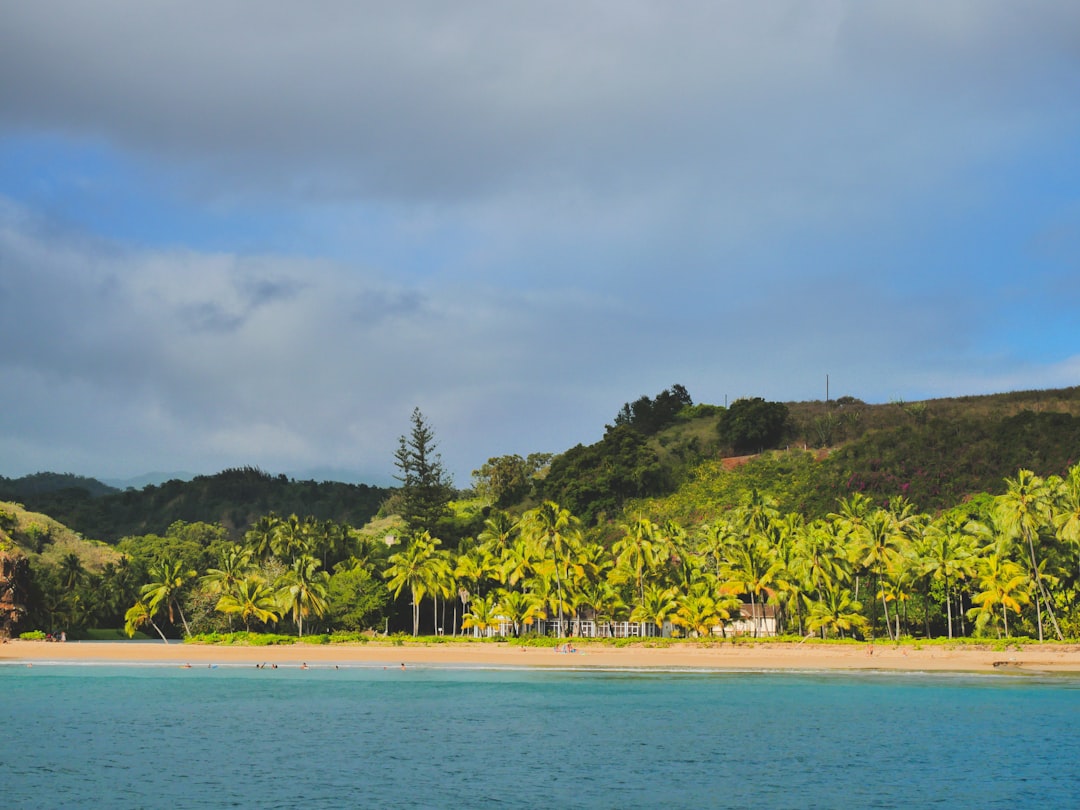
Kili Island, a hidden gem in the vast expanse of the Pacific Ocean, is part of the Marshall Islands and is known for its stunning natural beauty and rich cultural heritage. This small island, often overlooked by mainstream tourism, offers a unique blend of tranquility and adventure, making it an ideal destination for those seeking an authentic experience away from the hustle and bustle of modern life. With its pristine beaches, vibrant marine life, and welcoming local community, Kili Island invites travelers to immerse themselves in its serene environment and explore its diverse offerings.
The island’s remote location adds to its charm, as it remains relatively untouched by commercial development. Visitors to Kili Island are often captivated by the warm hospitality of the locals, who take pride in sharing their traditions and way of life.
Kili Island is not just a destination; it is a journey into a world where nature and culture intertwine seamlessly.
Key Takeaways
- Kili Island is a remote atoll in the Marshall Islands, known for its pristine natural beauty and rich cultural heritage.
- The history and culture of Kili Island is deeply rooted in traditional practices, with a strong emphasis on community and respect for the environment.
- The geography of Kili Island is characterized by white sandy beaches, crystal clear waters, and lush tropical vegetation, making it a paradise for nature lovers.
- Kili Islanders lead a traditional lifestyle, relying on fishing and farming for sustenance, and preserving their unique cultural practices.
- The waters around Kili Island offer exceptional diving opportunities, with vibrant coral reefs and diverse marine life waiting to be explored.
History and Culture of Kili Island
The history of Kili Island is deeply intertwined with the broader narrative of the Marshall Islands. Originally inhabited by Micronesian peoples, Kili has witnessed significant historical events, particularly during World War II when it became a strategic location for military operations. The island’s history is marked by resilience, as its inhabitants have faced numerous challenges, including nuclear testing in the region that affected many islands in the Marshall Islands chain.
Despite these adversities, the people of Kili have maintained their cultural identity and continue to celebrate their heritage. Culturally, Kili Island is rich in traditions that reflect the values and beliefs of its inhabitants. The islanders engage in various cultural practices, including traditional dances, music, and storytelling that have been passed down through generations.
These cultural expressions serve not only as entertainment but also as a means of preserving their history and fostering community bonds. Festivals and communal gatherings are common, where locals come together to celebrate their identity and share their stories with visitors, creating an atmosphere of warmth and inclusivity.
Geography and Natural Beauty of Kili Island
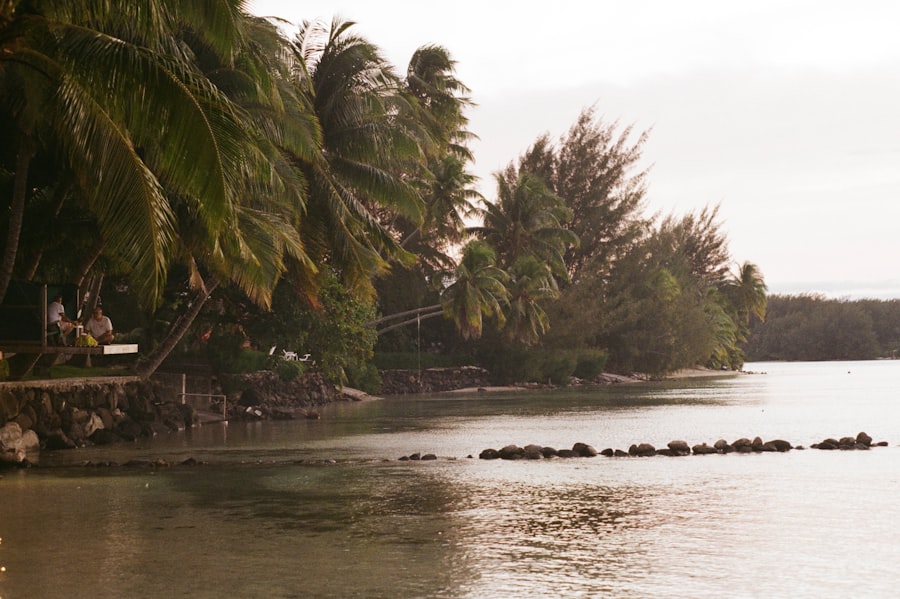
Kili Island boasts a unique geographical layout characterized by its flat terrain and sandy beaches that stretch along its coastline. The island is relatively small, measuring approximately 1.5 square miles, yet it is surrounded by crystal-clear waters that teem with marine life. The landscape is adorned with coconut palms and vibrant tropical vegetation, creating a picturesque setting that captivates nature lovers and photographers alike.
The gentle trade winds that sweep across the island add to its idyllic charm, making it a perfect spot for relaxation and exploration. The natural beauty of Kili Island extends beyond its beaches; the surrounding waters are home to diverse ecosystems that include coral reefs and underwater gardens. These vibrant marine environments not only provide stunning views but also support a variety of fish species and other marine creatures.
The island’s unspoiled nature offers opportunities for eco-tourism, allowing visitors to appreciate the delicate balance between human activity and environmental preservation.
Traditional Practices and Lifestyle of Kili Islanders
| Traditional Practices and Lifestyle of Kili Islanders | Metrics |
|---|---|
| Traditional Fishing Techniques | Net fishing, spearfishing, and fish traps |
| Traditional Agriculture | Root crops, coconuts, and breadfruit |
| Traditional Clothing | Grass skirts and woven pandanus leaves |
| Traditional Music and Dance | Drumming, chanting, and traditional dances |
| Traditional Housing | Thatched-roof huts made from local materials |
The lifestyle of Kili Islanders is deeply rooted in traditional practices that emphasize community, sustainability, and respect for nature. Fishing remains a vital part of their daily lives, with many locals relying on the ocean for sustenance. Traditional fishing methods are still practiced, showcasing the islanders’ deep connection to their environment.
This reliance on natural resources fosters a sense of stewardship among the community, as they understand the importance of preserving their surroundings for future generations. In addition to fishing, agriculture plays a significant role in the lives of Kili Islanders. They cultivate crops such as taro, breadfruit, and coconuts, which are staples in their diet.
The preparation of food often involves communal efforts, where families come together to share meals and celebrate their harvests. This communal lifestyle not only strengthens family bonds but also reinforces the cultural values that define Kili Island’s identity.
Marine Life and Diving Opportunities around Kili Island
Kili Island is a paradise for marine enthusiasts, offering some of the best diving opportunities in the Marshall Islands. The surrounding waters are renowned for their vibrant coral reefs, which serve as habitats for an array of marine species. Divers can expect to encounter colorful fish, sea turtles, and even manta rays gliding gracefully through the water.
The underwater visibility is often exceptional, allowing for breathtaking views of the diverse marine life that thrives beneath the surface. For those who prefer snorkeling, Kili Island’s shallow lagoons provide an equally enchanting experience. Snorkelers can explore the coral gardens teeming with life just a short distance from the shore.
Guided tours are available for both diving and snorkeling excursions, ensuring that visitors can safely navigate these underwater wonders while learning about the importance of marine conservation. The rich biodiversity surrounding Kili Island makes it a must-visit destination for anyone passionate about marine life.
Unique Cuisine and Local Delicacies on Kili Island
The cuisine of Kili Island reflects its cultural heritage and reliance on local ingredients sourced from both land and sea. Traditional dishes often feature fresh seafood, such as fish caught that day or shellfish harvested from the surrounding waters. One popular dish is “masi,” a type of fish prepared with coconut milk and served with rice or taro.
This dish exemplifies the islanders’ ability to create flavorful meals using simple yet fresh ingredients. In addition to seafood, Kili Islanders also enjoy a variety of fruits and vegetables that thrive in their tropical climate. Dishes made from breadfruit or taro are common staples in their diet.
The preparation methods often involve steaming or baking these ingredients in traditional underground ovens known as “umu.
Traditional Crafts and Artwork of Kili Island
Kili Island is home to a vibrant tradition of craftsmanship that showcases the artistic talents of its inhabitants. Local artisans create intricate handicrafts using materials sourced from their environment, such as coconut husks, shells, and pandanus leaves. These crafts often include woven baskets, mats, and decorative items that reflect both functionality and artistry.
Each piece tells a story about the island’s culture and history, making them cherished souvenirs for visitors. Artistic expression on Kili Island extends beyond crafts; traditional tattooing is also an important aspect of their cultural identity. Tattoos often symbolize personal achievements or significant life events and are deeply rooted in the islanders’ beliefs.
Visitors may have the opportunity to learn about these traditional practices from local artists who are eager to share their knowledge and skills with others.
Wildlife and Bird Watching on Kili Island
Kili Island’s unique ecosystem provides a habitat for various wildlife species, making it an excellent destination for birdwatching enthusiasts. The island is home to several endemic bird species that can be spotted among its lush vegetation. Birdwatchers can expect to see colorful species such as frigatebirds and herons soaring above or perched on trees along the coastline.
In addition to birds, Kili Island’s natural environment supports other wildlife, including various reptiles and insects that contribute to its biodiversity. Nature trails offer opportunities for exploration, allowing visitors to immerse themselves in the island’s flora and fauna while enjoying the tranquility of their surroundings. The combination of stunning landscapes and diverse wildlife makes Kili Island a haven for nature lovers seeking adventure.
Sustainable Tourism Initiatives on Kili Island
As tourism begins to gain traction on Kili Island, there is a growing emphasis on sustainable practices that protect its natural resources while benefiting local communities. Initiatives aimed at promoting eco-friendly tourism are being implemented to ensure that visitors can enjoy the island’s beauty without compromising its integrity. These efforts include educating tourists about responsible travel practices and encouraging them to support local businesses.
Community-led projects focus on preserving traditional practices while providing economic opportunities for residents. By engaging locals in tourism development, Kili Island aims to create a sustainable model that empowers its inhabitants while showcasing their culture to visitors. This approach not only enhances the visitor experience but also fosters a sense of pride among residents as they share their heritage with others.
Local Festivals and Events on Kili Island
Kili Island hosts several local festivals throughout the year that celebrate its rich cultural heritage and foster community spirit. These events often feature traditional music, dance performances, and culinary showcases that highlight local cuisine. Festivals provide an opportunity for residents to come together in celebration while inviting visitors to participate in their joyous occasions.
One notable event is the annual “Kili Day,” which commemorates the island’s history and culture through various activities such as sports competitions, art exhibitions, and storytelling sessions. This festival serves as a reminder of the resilience of the Kili people while promoting unity within the community. Visitors attending these events are welcomed with open arms, allowing them to experience firsthand the vibrant culture that defines Kili Island.
Tips for Visiting Kili Island and Getting the Most out of Your Trip
For those planning a visit to Kili Island, preparation is key to ensuring an enjoyable experience. Travelers should consider timing their visit during local festivals or events to fully immerse themselves in the island’s culture. Engaging with locals through guided tours or community activities can provide deeper insights into their way of life while fostering meaningful connections.
Additionally, packing essentials such as sunscreen, insect repellent, and comfortable footwear will enhance one’s ability to explore the island’s natural beauty comfortably. Respecting local customs and traditions is crucial; visitors should be mindful of dress codes when attending cultural events or visiting sacred sites. By embracing these tips, travelers can make the most out of their journey to Kili Island while contributing positively to its community and environment.
In conclusion, Kili Island offers an unparalleled experience for those seeking adventure intertwined with cultural richness. From its breathtaking landscapes to its vibrant traditions, this hidden paradise invites travelers to explore its depths while fostering connections with its people. As tourism continues to evolve on this enchanting island, embracing sustainable practices will ensure that future generations can enjoy all that Kili has to offer.
Kili Island, part of the Marshall Islands, is a unique location with a rich history and cultural significance. For those interested in exploring more about the geographical and cultural aspects of the Marshall Islands, a related article can be found on MyGeoQuest. This article provides insights into the broader context of the islands, including their environmental challenges and cultural heritage. To delve deeper into this topic, you can visit the article by clicking on this link: