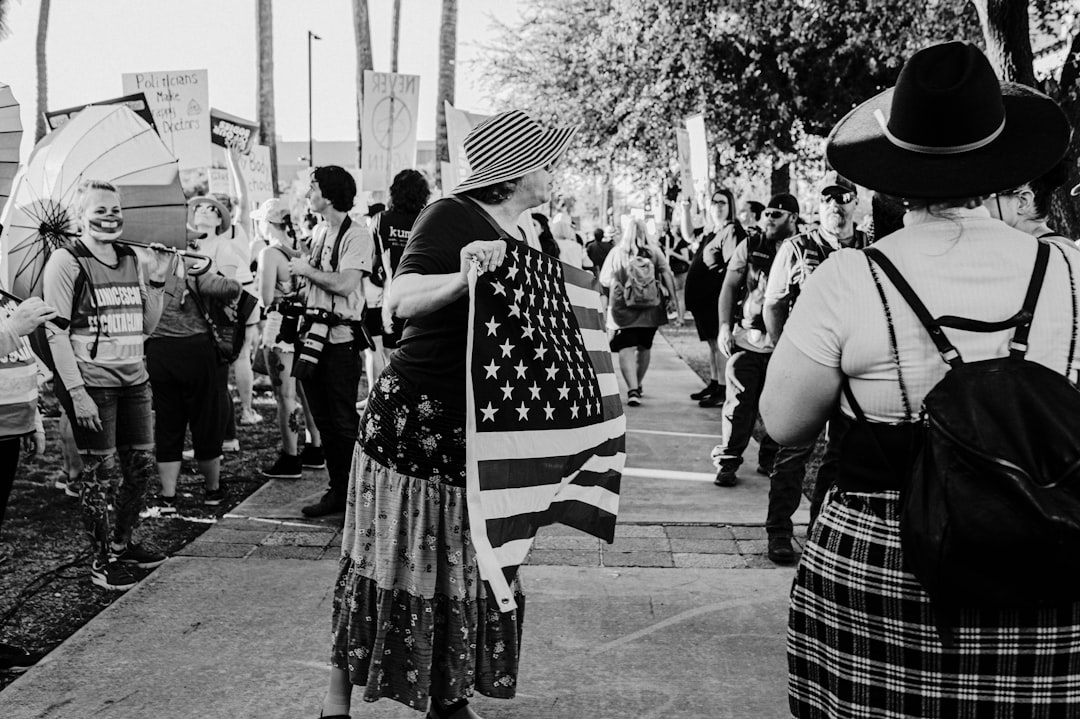
Greater Appalachia, a region steeped in rich history and diverse cultural influences, is often characterized by its unique honor culture. This culture, deeply embedded in the social fabric of the area, emphasizes values such as respect, loyalty, and personal integrity. Honor culture in Appalachia is not merely a relic of the past; it continues to shape interpersonal relationships and community dynamics in contemporary society.
The significance of honor manifests in various aspects of life, from familial ties to social interactions, creating a distinctive identity for the people of this region. The concept of honor in Greater Appalachia is multifaceted, encompassing both personal and communal dimensions. It serves as a guiding principle that influences behavior and decision-making.
In a society where reputation and respect are paramount, individuals often find themselves navigating complex social landscapes where their actions are scrutinized. This intricate web of expectations fosters a sense of belonging and accountability, reinforcing the importance of maintaining one’s honor in the eyes of others.
Key Takeaways
- Honor culture in Greater Appalachia is deeply rooted in historical traditions and values, shaping the beliefs and behaviors of its people.
- The influence of Scots-Irish and Celtic traditions has played a significant role in shaping the honor culture of Greater Appalachia.
- Family and community play a crucial role in upholding honor in Greater Appalachia, influencing gender roles and the prevalence of violence.
- The connection between honor culture and violence in Greater Appalachia raises challenges and controversies, impacting the evolution of honor culture in the modern era.
- Despite challenges, efforts to preserve and celebrate honor culture in Greater Appalachia continue to shape its future and impact society.
The Historical Roots of Honor Culture in Appalachia
The historical roots of honor culture in Appalachia can be traced back to the early settlers who inhabited the region. Many of these settlers were of Scots-Irish descent, bringing with them a legacy of values that prioritized personal honor and community reputation. The harsh realities of frontier life necessitated a strong sense of self-reliance and resilience, which further solidified the importance of honor as a social currency.
In a landscape marked by isolation and limited resources, individuals relied heavily on their reputations to forge alliances and navigate conflicts. As time progressed, the historical context of Appalachia continued to shape its honor culture. The Civil War, for instance, had profound implications for the region, as loyalties were tested and communities were divided.
The aftermath of the war left scars that would influence social dynamics for generations. Honor became intertwined with notions of loyalty to family and community, as individuals sought to reclaim their identities in a rapidly changing world. This historical backdrop laid the foundation for the enduring significance of honor in Greater Appalachia.
The Influence of Scots-Irish and Celtic Traditions on Honor Culture
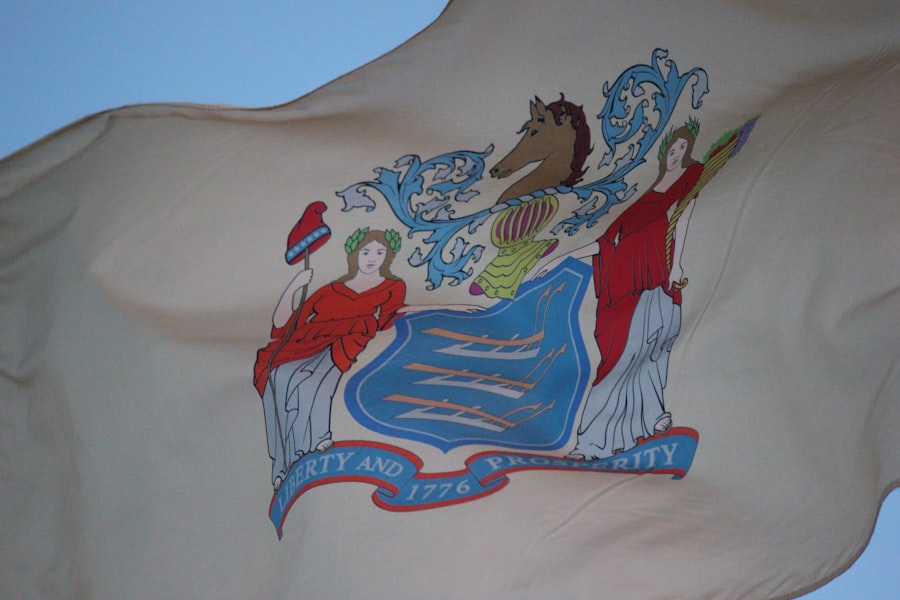
The Scots-Irish and Celtic traditions have played a pivotal role in shaping the honor culture of Greater Appalachia. These cultural influences are evident in the values that prioritize personal integrity, bravery, and loyalty. The Scots-Irish heritage, in particular, is characterized by a strong sense of individualism and a fierce commitment to family and community.
This cultural legacy has fostered an environment where personal honor is not only valued but also expected. Celtic traditions further enrich this cultural tapestry, emphasizing storytelling, music, and communal gatherings as vital components of social life. These traditions serve as vehicles for transmitting values related to honor and respect across generations.
The oral histories and folklore that permeate Appalachian culture often highlight themes of bravery and moral fortitude, reinforcing the idea that one’s actions reflect not only on oneself but also on one’s family and community. This interconnectedness underscores the importance of maintaining honor as a collective responsibility.
Understanding the Values and Beliefs of Honor Culture in Greater Appalachia
| Metrics | Data |
|---|---|
| Percentage of population in Greater Appalachia | Approximately 25% |
| Key values in honor culture | Respect, loyalty, and self-reliance |
| Impact on social interactions | Emphasis on personal reputation and family honor |
| Historical roots | Trace back to Scots-Irish and other European settlers |
| Challenges in modern society | Clashes with mainstream American values and legal systems |
At the heart of Greater Appalachia’s honor culture lies a set of core values that shape individual behavior and community interactions. Respect is perhaps the most fundamental value, serving as the cornerstone upon which relationships are built. Individuals are expected to treat others with dignity while also demanding respect for themselves.
This reciprocal relationship fosters an environment where personal integrity is paramount, as any breach of trust can lead to significant social repercussions. Loyalty is another critical component of honor culture in Appalachia. Individuals are often expected to demonstrate unwavering allegiance to their families and communities, even in the face of adversity.
This loyalty extends beyond mere familial ties; it encompasses friendships and social networks that form the backbone of Appalachian society. The belief that one must stand by their kin and community members reinforces a sense of solidarity that is essential for navigating the challenges of life in this region.
The Role of Family and Community in Upholding Honor in Greater Appalachia
Family plays an integral role in upholding honor within Greater Appalachia’s cultural framework. The family unit serves as both a support system and a source of identity, with individuals often feeling a profound sense of responsibility to uphold their family’s reputation. This commitment to family honor can manifest in various ways, from adhering to traditional values to actively participating in community events that celebrate familial ties.
Community also plays a vital role in reinforcing honor culture. In many Appalachian communities, social gatherings serve as opportunities for individuals to showcase their values and uphold their reputations. Events such as festivals, church gatherings, and local celebrations provide platforms for individuals to demonstrate their commitment to community ideals.
Through these interactions, individuals not only affirm their own honor but also contribute to the collective identity of their community.
Exploring the Impact of Honor Culture on Gender Roles in Greater Appalachia
Honor culture in Greater Appalachia has distinct implications for gender roles within the community. Traditional notions of masculinity often emphasize strength, bravery, and protectiveness, leading men to feel compelled to defend their honor at all costs. This expectation can create pressure for men to engage in behaviors that assert their dominance or protect their reputation, sometimes resulting in confrontational situations.
Conversely, women in this honor culture may find themselves navigating different expectations. While they are often seen as custodians of family honor, they may also face societal pressures to conform to traditional gender roles that prioritize modesty and nurturing qualities. The interplay between these gendered expectations can create complex dynamics within families and communities, as individuals strive to balance personal aspirations with societal norms.
The Connection Between Honor Culture and Violence in Greater Appalachia
The connection between honor culture and violence is a complex issue that has garnered attention in discussions about Greater Appalachia. In environments where personal reputation is paramount, perceived slights or challenges to one’s honor can lead to violent confrontations. This phenomenon is often referred to as “honor-based violence,” where individuals feel compelled to defend their reputation through aggressive means.
While not all individuals within this culture resort to violence, the potential for conflict remains a significant concern. The emphasis on personal honor can create an environment where disputes escalate quickly, leading to physical altercations or other forms of aggression. Understanding this connection is crucial for addressing issues related to violence within Appalachian communities while also recognizing the broader cultural context that informs these behaviors.
Challenges and Controversies Surrounding Honor Culture in Greater Appalachia
Despite its deep-rooted significance, honor culture in Greater Appalachia faces numerous challenges and controversies. Critics argue that rigid adherence to traditional notions of honor can perpetuate cycles of violence and conflict within communities. The expectation for individuals to defend their honor at all costs can lead to harmful behaviors that undermine social cohesion and safety.
Additionally, as societal norms evolve, younger generations may grapple with reconciling traditional values with contemporary perspectives on gender equality and conflict resolution. This generational tension can create friction within families and communities as individuals navigate changing expectations while striving to maintain their cultural identity.
The Evolution of Honor Culture in Greater Appalachia in the Modern Era
In recent years, honor culture in Greater Appalachia has undergone significant evolution due to various social changes. Increased access to education, exposure to diverse perspectives through technology, and shifting economic landscapes have all contributed to a reexamination of traditional values. Younger generations are increasingly questioning long-held beliefs about honor and exploring alternative ways to define personal integrity.
This evolution has led to a more nuanced understanding of honor culture that incorporates elements of empathy, conflict resolution, and inclusivity. While many individuals still hold onto traditional values, there is a growing recognition that honor can be expressed through non-violent means and that personal integrity does not have to be tied solely to reputation or social standing.
Preserving and Celebrating Honor Culture in Greater Appalachia
Despite the challenges facing honor culture in Greater Appalachia, there remains a strong desire among many residents to preserve and celebrate their cultural heritage. Community events that highlight traditional music, storytelling, and crafts serve as vital avenues for passing down values associated with honor from one generation to the next.
Moreover, initiatives aimed at promoting dialogue around honor culture can help bridge generational divides within communities. By encouraging open discussions about the complexities of honor and its implications for contemporary society, residents can work together to redefine what it means to uphold one’s integrity while fostering an inclusive environment that respects diverse perspectives.
The Future of Honor Culture in Greater Appalachia and its Impact on Society
The future of honor culture in Greater Appalachia remains uncertain yet promising as communities navigate the complexities of modern life while holding onto their cultural roots. As younger generations continue to engage with evolving societal norms, there is potential for a reimagined understanding of honor that prioritizes empathy, collaboration, and non-violent conflict resolution.
By embracing change while honoring tradition, Greater Appalachia has the opportunity to redefine its cultural identity in ways that resonate with both its historical legacy and contemporary values. In conclusion, Greater Appalachia’s honor culture is a rich tapestry woven from historical influences, familial ties, and community dynamics. While it faces challenges in adapting to modernity, there remains an enduring commitment among residents to preserve their cultural heritage while fostering dialogue around its complexities.
As this evolution unfolds, it holds the potential not only for personal growth but also for broader societal transformation within this unique region.
The concept of honor culture in Greater Appalachia is intricately tied to the region’s historical context and social dynamics. For a deeper understanding of how these cultural values manifest in contemporary society, you can explore the article on this topic at this link. This resource provides valuable insights into the implications of honor culture on community interactions and individual behavior in the Appalachian region.
WATCH THIS! The Map You Trust Is A Lie: Why America Is Really 11 Rival Nations
FAQs
What is Greater Appalachia honor culture?
Greater Appalachia honor culture refers to the set of values and beliefs that are prevalent in the Greater Appalachia region of the United States. This culture places a strong emphasis on personal honor, loyalty, and self-reliance.
What are the key characteristics of Greater Appalachia honor culture?
Key characteristics of Greater Appalachia honor culture include a strong sense of personal honor, a commitment to loyalty and kinship, a belief in self-reliance and independence, and a deep respect for tradition and heritage.
How does Greater Appalachia honor culture influence social interactions?
Greater Appalachia honor culture influences social interactions by shaping the way individuals interact with each other. It places a strong emphasis on respect, loyalty, and maintaining one’s personal honor, which can impact how individuals communicate and form relationships within their communities.
What are some examples of Greater Appalachia honor culture in practice?
Examples of Greater Appalachia honor culture in practice may include the importance of keeping one’s word, the value placed on family and community ties, the tradition of settling disputes through informal means such as mediation or negotiation, and the emphasis on hard work and self-sufficiency.
How does Greater Appalachia honor culture impact daily life in the region?
Greater Appalachia honor culture impacts daily life in the region by influencing the way individuals make decisions, interact with others, and approach challenges. It can shape everything from personal relationships to business dealings and community dynamics.