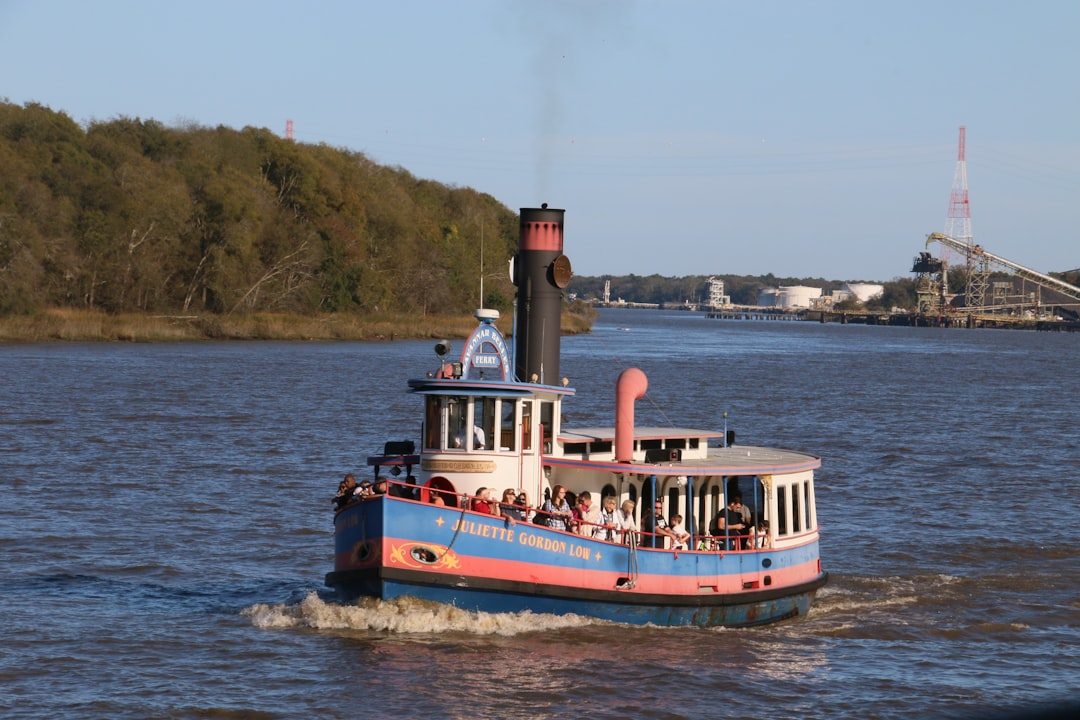
Chesapeake Tidewater culture is a rich tapestry woven from the threads of history, geography, and the diverse communities that have inhabited this unique region. Nestled along the eastern seaboard of the United States, the Chesapeake Bay and its surrounding areas have long been a melting pot of traditions, customs, and lifestyles. The culture here is characterized by a deep connection to the land and water, shaped by the rhythms of nature and the bounty it provides.
From the early Native American tribes to European settlers and modern-day residents, the Tidewater region has fostered a distinctive way of life that reflects its historical roots and environmental context. The essence of Chesapeake Tidewater culture can be seen in its vibrant arts, music, cuisine, and community celebrations. This culture is not merely a relic of the past; it continues to evolve as new generations embrace their heritage while also adapting to contemporary influences.
The interplay between tradition and innovation creates a dynamic cultural landscape that is both unique and inviting. As one delves deeper into the various aspects of this culture, it becomes evident that the Chesapeake Tidewater region is not just a geographical area but a living testament to the resilience and creativity of its people.
Key Takeaways
- Chesapeake Tidewater culture is deeply rooted in the history and traditions of the region, shaped by its unique environmental and ecological influences.
- The traditional cuisine of the Chesapeake Tidewater is known for its emphasis on seafood, particularly oysters, crabs, and fish, as well as locally grown produce.
- Arts and crafts in the Chesapeake Tidewater region reflect the area’s maritime heritage, with a focus on boat building, decoy carving, and other nautical themes.
- Music and dance play a significant role in Chesapeake Tidewater culture, with a strong tradition of folk music, square dancing, and other traditional forms of entertainment.
- Festivals and celebrations in the Chesapeake Tidewater region showcase the area’s rich cultural heritage, with events dedicated to seafood, music, and local traditions.
History of the Chesapeake Tidewater Region
The history of the Chesapeake Tidewater region is as intricate as the waterways that define it. Indigenous peoples, such as the Powhatan Confederacy, thrived in this area long before European contact, utilizing the rich resources of the land and water for sustenance and trade. Their deep understanding of the environment laid the groundwork for a culture that would later be influenced by European settlers.
In the early 17th century, English colonists arrived, establishing Jamestown in 1607, which marked the beginning of significant changes in the region’s demographic and cultural landscape. As colonization progressed, the Tidewater region became a hub for agriculture, particularly tobacco farming, which relied heavily on enslaved labor.
The legacy of this complex history is still evident today, as it informs contemporary discussions about identity, heritage, and community in the Chesapeake Tidewater region. The historical narrative is one of resilience and adaptation, where various cultures have intermingled to create a unique identity that continues to thrive.
Traditional Cuisine of the Chesapeake Tidewater
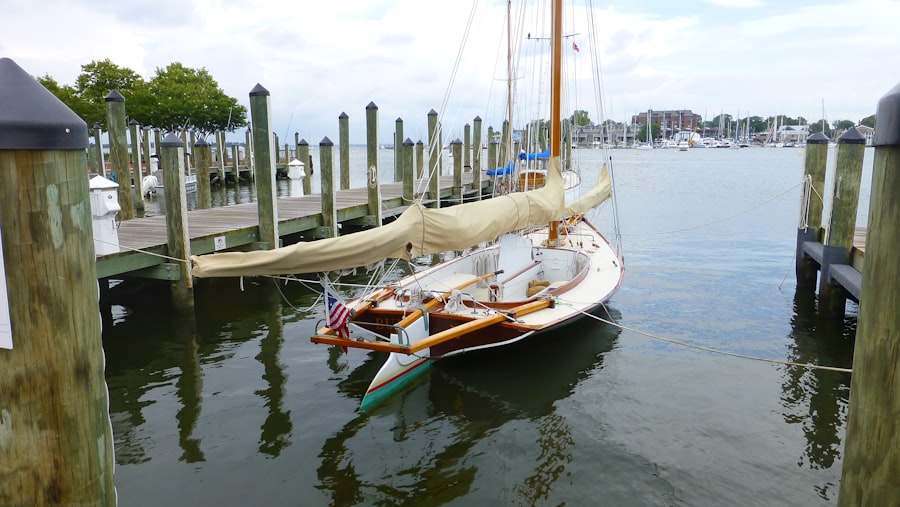
The traditional cuisine of the Chesapeake Tidewater region is a reflection of its rich natural resources and cultural influences. Seafood plays a central role in this culinary landscape, with blue crabs, oysters, and rockfish being some of the most celebrated ingredients. The region’s proximity to the Chesapeake Bay means that fresh catches are readily available, leading to a culinary tradition that emphasizes local flavors and seasonal ingredients.
Dishes such as crab cakes, clam chowder, and oyster stew are not just meals; they are cultural symbols that evoke a sense of place and community. In addition to seafood, the cuisine also incorporates influences from various cultures that have settled in the region. African, Native American, and European culinary traditions have all contributed to a diverse food landscape.
The blending of these culinary traditions has resulted in a unique gastronomic identity that is celebrated at local festivals and gatherings. Food in the Chesapeake Tidewater region is more than sustenance; it is a means of storytelling and connection among generations.
Arts and Crafts of the Chesapeake Tidewater
| Artisan | Craft | Materials | Techniques |
|---|---|---|---|
| Blacksmith | Ironwork | Iron, steel | Forging, welding |
| Woodworker | Furniture | Wood, nails | Joinery, carving |
| Quilter | Quilting | Fabric, thread | Piecing, stitching |
| Potter | Pottery | Clay, glaze | Throwing, glazing |
The arts and crafts of the Chesapeake Tidewater region are deeply rooted in its history and environment. Local artisans often draw inspiration from the natural beauty surrounding them, creating works that reflect both their cultural heritage and their connection to the land. Traditional crafts such as boat building, basket weaving, and pottery have been passed down through generations, showcasing skills honed over centuries.
These crafts not only serve practical purposes but also embody the artistic spirit of the community. In addition to traditional crafts, contemporary artists in the Chesapeake Tidewater region are making their mark through various mediums, including painting, sculpture, and photography. Many artists explore themes related to nature, history, and identity in their work, often using local materials to create pieces that resonate with their surroundings.
Art galleries and exhibitions throughout the region provide platforms for these artists to share their creations with both locals and visitors alike. The vibrant arts scene in Chesapeake Tidewater serves as a testament to the enduring creativity and cultural richness of this unique area.
Music and Dance in Chesapeake Tidewater Culture
Music and dance are integral components of Chesapeake Tidewater culture, reflecting its diverse heritage and communal spirit. The region has a rich musical tradition that encompasses various genres, including folk, bluegrass, gospel, and maritime music. Instruments such as fiddles, banjos, and harmonicas are commonly used in local performances, creating an authentic sound that resonates with both residents and visitors.
The music often tells stories of life on the water, agricultural practices, and historical events that have shaped the community. Dance also plays a significant role in cultural expression within the Chesapeake Tidewater region. Traditional dances such as square dancing and clogging bring people together for social gatherings and celebrations.
These dances are often accompanied by live music, fostering a sense of camaraderie among participants. Festivals and community events frequently feature music and dance performances, allowing individuals to connect with their heritage while also enjoying contemporary interpretations of traditional forms. Through music and dance, the people of Chesapeake Tidewater celebrate their history while forging new connections within their communities.
Festivals and Celebrations in the Chesapeake Tidewater
Festivals and celebrations are vital expressions of Chesapeake Tidewater culture, providing opportunities for communities to come together in celebration of their heritage. Events such as the Maryland Seafood Festival highlight the region’s culinary traditions while showcasing local artisans and musicians. These festivals not only promote local businesses but also foster a sense of pride among residents who share their culture with visitors from near and far.
In addition to food festivals, there are numerous events dedicated to celebrating local history and traditions. The Virginia Renaissance Faire transports attendees back in time with reenactments, crafts, and performances that reflect life during earlier centuries. Such events serve as reminders of the rich tapestry of history that defines the Chesapeake Tidewater region while allowing participants to engage with their cultural roots in meaningful ways.
Through these celebrations, communities strengthen their bonds while preserving their unique identities for future generations.
Language and Dialects in the Chesapeake Tidewater
Language plays a crucial role in shaping cultural identity within the Chesapeake Tidewater region. The dialects spoken here reflect a blend of influences from various cultures that have settled in the area over time. The distinctive accents found among residents often reveal their geographic origins within the region—whether they hail from rural areas or urban centers like Norfolk or Baltimore.
This linguistic diversity adds another layer to the rich cultural fabric of Chesapeake Tidewater. In addition to regional accents, certain phrases and expressions unique to this area have emerged over time. These colloquialisms often draw from historical contexts or local experiences, creating a sense of belonging among speakers.
Language serves not only as a means of communication but also as a vessel for storytelling—preserving folklore, traditions, and shared experiences that define life in Chesapeake Tidewater. As younger generations grow up amidst these dialects, they continue to shape language while honoring their cultural heritage.
Architecture and Design in the Chesapeake Tidewater
The architecture found throughout the Chesapeake Tidewater region reflects its historical evolution and environmental context. From colonial-era homes with distinctive Georgian architecture to charming waterfront cottages adorned with porches overlooking serene waterscapes, each structure tells a story about its inhabitants’ lives over time. Many homes feature elements such as weathered wood siding or brick facades that evoke a sense of place deeply rooted in tradition.
In addition to residential architecture, public buildings like churches and schools also showcase unique design elements influenced by local materials and styles. The use of large windows allows natural light to flood interiors while providing stunning views of surrounding landscapes—an essential aspect given the region’s natural beauty. Preservation efforts have become increasingly important as communities seek to maintain these architectural treasures while adapting them for modern use.
Through thoughtful design choices that honor history while embracing innovation, Chesapeake Tidewater continues to evolve architecturally while remaining connected to its past.
Folklore and Legends of the Chesapeake Tidewater
Folklore and legends play an essential role in shaping cultural identity within Chesapeake Tidewater communities. Tales passed down through generations often reflect local history or natural phenomena—such as stories about ghostly apparitions haunting historic sites or mythical creatures lurking beneath bay waters. These narratives serve not only as entertainment but also as cautionary tales or moral lessons that resonate with listeners across age groups.
One popular legend involves the infamous “Chesapeake Bay Monster,” said to inhabit its depths—a creature reminiscent of both folklore traditions from various cultures around the world while embodying regional characteristics unique to this area’s maritime heritage. Such stories foster connections among community members who share them during gatherings or festivals—reinforcing bonds through shared experiences rooted in collective memory. By preserving these tales alongside other cultural practices like music or dance, residents ensure that their rich heritage remains alive for future generations.
Environmental and Ecological Influence on Chesapeake Tidewater Culture
The environment plays an integral role in shaping Chesapeake Tidewater culture—its waterways provide sustenance while influencing lifestyles throughout history. The region’s unique ecosystem supports diverse wildlife populations alongside thriving fisheries—creating economic opportunities for those who rely on these resources for their livelihoods. This close relationship between people and nature fosters an appreciation for environmental stewardship among residents who recognize their responsibility toward preserving this delicate balance.
Ecological challenges such as pollution or habitat loss have prompted communities within Chesapeake Tidewater to advocate for sustainable practices aimed at protecting natural resources for future generations’ benefit. Initiatives focused on conservation efforts often involve collaboration between local organizations—demonstrating how deeply intertwined cultural identity is with environmental health within this region’s communities. By prioritizing ecological awareness alongside cultural preservation efforts—residents strive not only to honor their heritage but also safeguard it against potential threats posed by modern development pressures.
Preserving and Promoting Chesapeake Tidewater Culture
Preserving and promoting Chesapeake Tidewater culture requires concerted efforts from individuals, organizations, and communities alike—ensuring that future generations can appreciate this rich heritage while adapting it for contemporary contexts. Local museums play an essential role by curating exhibits showcasing historical artifacts alongside contemporary works created by local artists—providing visitors insight into both past traditions as well as current expressions within this vibrant cultural landscape. Community engagement initiatives aimed at educating residents about their heritage often involve workshops focused on traditional crafts or culinary practices—encouraging participation across age groups while fostering intergenerational connections through shared experiences rooted in cultural pride.
Festivals celebrating local arts or cuisine serve as platforms where individuals can showcase their talents while reinforcing communal bonds—creating spaces where diverse voices come together harmoniously under one shared identity: that of being part of Chesapeake Tidewater culture. Through these collective efforts aimed at preserving traditions alongside embracing innovation—Chesapeake Tidewater culture continues thriving amidst changing times—ensuring its legacy endures long into future generations’ lives while remaining relevant within an ever-evolving world landscape.
The Chesapeake Tidewater culture is deeply rooted in the region’s history and traditions, reflecting the unique blend of Native American, European, and African influences. For a more in-depth exploration of this fascinating cultural landscape, you can read the article on the topic at this link. This resource provides valuable insights into the customs, practices, and historical significance of the Tidewater area, enriching our understanding of its cultural heritage.
WATCH THIS! The Map You Trust Is A Lie: Why America Is Really 11 Rival Nations
FAQs
What is Chesapeake Tidewater Culture?
Chesapeake Tidewater Culture refers to the unique cultural and historical heritage of the Chesapeake Bay region in the United States, encompassing parts of Maryland, Virginia, Delaware, and the District of Columbia.
What are the main characteristics of Chesapeake Tidewater Culture?
The main characteristics of Chesapeake Tidewater Culture include a strong emphasis on maritime traditions, agriculture, seafood, and a distinct dialect known as Tidewater English. The culture also has a rich history of colonial settlement and African American influence.
What are some traditional aspects of Chesapeake Tidewater Culture?
Traditional aspects of Chesapeake Tidewater Culture include the use of traditional watercraft such as the Chesapeake Bay skipjack, the cultivation of oysters and crabs, and the preservation of historic sites and landmarks.
How has Chesapeake Tidewater Culture influenced the region?
Chesapeake Tidewater Culture has had a significant impact on the region’s economy, cuisine, architecture, and social customs. It has also contributed to the development of unique art forms, music, and literature.
What are some challenges facing Chesapeake Tidewater Culture?
Challenges facing Chesapeake Tidewater Culture include environmental concerns such as pollution and climate change, as well as the preservation of historic sites and traditions in the face of modern development. Efforts are being made to address these challenges and ensure the continued vitality of the culture.