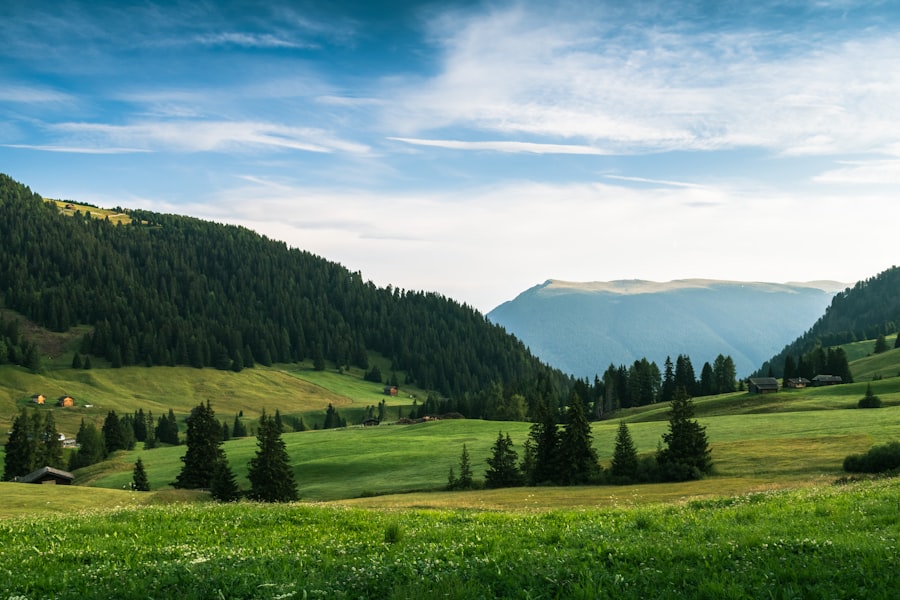
The documentary series, GeoQuest: Central Asia, offers a multifaceted exploration of a region often overlooked on the global stage. Spanning five episodes, this ambitious production delves into the geographical, historical, cultural, and geostrategic complexities of the five Central Asian republics: Kazakhstan, Kyrgyzstan, Tajikistan, Turkmenistan, and Uzbekistan. The GeoQuest team embarked on a journey not merely to observe, but to understand the intricate tapestry woven by centuries of history, diverse peoples, and the enduring influence of nature and human endeavors. This article will provide a comprehensive overview of the documentary’s content, highlighting its key themes and the insights it offers into this strategically vital and historically rich part of the world.
The Silk Road is more than just an ancient trade route; it was a conduit of ideas, technologies, and cultures that connected East and West for millennia. The GeoQuest documentary dedicates significant attention to this historical legacy, understanding that the echoes of this vibrant past continue to resonate throughout Central Asia today.
Caravans Past and Present
The series revisits iconic Silk Road cities, showcasing their architectural remnants, from the grand Kalyan Minaret in Bukhara to the Registan Square in Samarkand, each a silent testament to the caravans that once thronged their marketplaces. It explores how these ancient centers of commerce have transformed, yet how their historical significance continues to influence modern urban planning and cultural identity. The documentary highlights the enduring appeal of these historical sites, attracting not only tourists but also scholars and archaeologists seeking to unravel the mysteries of past civilizations. It underscores that the spirit of connection, once carried by camel caravans, now finds expression in different forms, from international trade agreements to the flow of information in the digital age.
Cultural Crossroads
GeoQuest emphasizes that Central Asia was, and remains, a true cultural crossroads. The region’s history is a narrative of successive empires and migrations, each leaving its indelible mark. The documentary explores how these influences have shaped the region’s diverse languages, religions, culinary traditions, and artistic expressions. It paints a vivid picture of a melting pot where Slavic, Turkic, Persian, and Chinese influences have coexisted and intermingled. The audience is invited to witness the subtle shifts in customs and traditions from one republic to another, revealing a remarkable degree of internal diversity within a seemingly monolithic region. This exploration moves beyond a superficial glance, delving into the nuances of ethnic minorities, their unique customs, and their place within the broader national narratives.
Modern Trade Routes and Infrastructure
While the ancient Silk Road was defined by its physical paths, the documentary pivots to explore the re-emergence of Central Asia as a crucial node in modern global trade. It examines the ambitious infrastructure projects aimed at replicating the connectivity of the past, such as the development of new railways, highways, and pipelines. The series scrutinizes the geopolitical implications of these new arteries of commerce, considering how they are reshaping economic relationships and influencing the region’s interactions with its neighbors and the wider world. The documentary investigates the challenges and opportunities associated with these modern endeavors, including the complexities of cross-border cooperation and the equitable distribution of benefits.
If you’re interested in exploring the rich cultural and historical tapestry of Central Asia, you might find the article “The Silk Road: A Journey Through Time” particularly enlightening. This piece delves into the ancient trade routes that shaped the region and influenced its diverse civilizations. To read more about this fascinating topic, visit the article here: The Silk Road: A Journey Through Time.
Navigating the Land of Peaks and Plains
Central Asia’s geography is a study in extremes, from the towering Pamir Mountains to the vast steppe landscapes. The documentary series navigates these diverse terrains, revealing how they have shaped human settlement, resource utilization, and the very identities of the peoples who inhabit them.
The Roof of the World: The Pamirs and Tian Shan
The visual splendor of the Pamir and Tian Shan mountain ranges forms a dramatic backdrop for several segments of the GeoQuest series. The documentary showcases the resilience of communities living in these high-altitude environments, their traditional lifestyles, and their unique adaptations to extreme conditions. It explores their interdependence with the natural environment, from their reliance on pasturage for livestock to their understanding of glacial meltwater as a vital resource. The series provides a window into the lives of herders, farmers, and mountaineers, offering a personal perspective on life at the “Roof of the World.” The challenges of remoteness and the impact of climate change on these fragile ecosystems are also addressed.
The Vast Steppes: Nomadic Heritage and Modern Agriculture
The documentary does not shy away from the immensity of the Central Asian steppes, vast expanses of grassland that have historically been home to nomadic cultures. GeoQuest delves into the enduring legacy of nomadism, exploring its impact on social structures, animal husbandry, and the development of distinct cultural practices. It contrasts this historical perspective with the modern realities of the steppes, where large-scale agriculture, resource extraction, and urbanization are increasingly reshaping the landscape. The series examines the delicate balance between preserving this nomadic heritage and adapting to the demands of a changing world, illustrating how traditional knowledge is being integrated with modern techniques.
Arid Lands and Water Scarcity
The documentary highlights the significant challenges posed by aridity and water scarcity in many parts of Central Asia. It examines the historical reliance on river systems and the impact of Soviet-era irrigation projects, with their complex water management policies that have had lasting consequences. GeoQuest explores the ongoing efforts to address water management issues, including efforts in water conservation, the development of new water technologies, and the crucial inter-republican cooperation required for equitable water distribution. The documentary underscores the region’s vulnerability to climate change and its potential impact on agricultural productivity and human settlement.
A Mosaic of Peoples and Traditions
Central Asia is a region of profound ethnic and linguistic diversity, a characteristic that the GeoQuest series meticulously explores. The documentaries aims to move beyond simplistic generalizations and present a nuanced portrait of the various groups that call this region home.
The Turkmen: Guardians of the Desert and the Gas Fields
The GeoQuest episode focusing on Turkmenistan offers an in-depth look at a nation often characterized by its vast natural gas reserves. The documentary explores the unique cultural identity of the Turkmen people, their traditional crafts, and their strong sense of national pride. It examines the historical significance of their nomadic past, their skilled horsemanship, and their intricate carpet-making traditions. The series also addresses the economic realities of Turkmenistan, with a focus on the extraction and export of natural resources, and the complex governance structures that have shaped the nation’s trajectory. The documentary seeks to understand how a nation built on its subterranean wealth navigates its place in the modern world.
Uzbekistan: Heart of Empires and Cultural Renaissance
Uzbekistan, with its storied cities of Samarkand, Bukhara, and Khiva, is presented as the historical and cultural heartland of Central Asia. The GeoQuest series showcases the breathtaking architecture that speaks of the region’s imperial past, from the Timurid era to the Khanates. It delves into the rich artistic and intellectual traditions that flourished here, including advancements in astronomy, mathematics, and literature. The documentary explores the modern face of Uzbekistan, its efforts to preserve its historical heritage while embracing economic reforms and engaging with the global community. It highlights the vibrancy of contemporary Uzbek culture, its music, dance, and vibrant bazaar life, presenting a narrative of continuity and evolution.
Kazakhstan: Vastness, Resource Wealth, and a Modern Ambition
As the largest landlocked country in the world, Kazakhstan presents a unique case study for GeoQuest. The documentary explores its immense geographical scale, its diverse landscapes ranging from arid steppes to fertile plains, and its significant resource wealth, particularly oil and gas. It examines Kazakhstan’s post-Soviet transformation, its rapid modernization, and its ambition to become a regional economic and logistical hub. The series touches upon the complex issue of its nuclear past and its role in disarmament. The documentary also delves into the nuances of its multi-ethnic society and the challenges of balancing development with the preservation of its unique cultural identity.
Kyrgyzstan: The Land of Nomads and Mountain Dwellers
Kyrgyzstan, often referred to as the “Switzerland of Central Asia” for its stunning mountain scenery, is portrayed in GeoQuest as a nation deeply connected to its nomadic heritage. The documentary highlights the enduring importance of herding, the traditional yurts, and the vibrant nomadic culture that continues to shape life, particularly in the mountainous regions. It explores the country’s political evolution since independence, its democratic aspirations, and the socioeconomic challenges it faces. The series also shines a light on the resilience of the Kyrgyz people and their deep connection to the natural environment. The documentary provides a glimpse into a society that is striving to find its footing between tradition and modernity.
Tajikistan: The Land of Mountains and Resilience
The GeoQuest series dedicates considerable attention to Tajikistan, a nation defined by its rugged mountainous terrain and its history of conflict and resilience. The documentary explores the profound impact of the Pamir Mountains on Tajik life, from agriculture to trade. It addresses the legacy of the Soviet era, the devastating civil war, and the ongoing efforts towards national reconciliation and development. The series examines Tajikistan’s strategic location and its role in regional security. It also highlights the rich cultural heritage, including its Persian roots and its unique musical traditions, showcasing the enduring spirit of its people. The documentary presents a narrative of survival and perseverance in a challenging yet beautiful land.
Geopolitical Currents and Strategic Significance
Central Asia occupies a unique geopolitical position, sandwiched between major global powers and serving as a vital transit corridor. The GeoQuest documentary series thoroughly investigates these complex dynamics, offering a nuanced understanding of the region’s strategic significance.
The Shadow of the Great Powers
The documentary series explores the historical and contemporary influence of major global and regional powers on Central Asia. It examines the enduring legacy of Russian dominance, the growing presence of China through initiatives like the Belt and Road, and the involvement of other international actors. GeoQuest delves into the intricate web of economic, military, and diplomatic relationships that shape the region’s foreign policy. The series presents a balanced view of these influences, avoiding simplistic narratives and highlighting the agency of Central Asian nations in navigating these complex relationships. It emphasizes that Central Asia is not merely a chessboard for larger powers but a region with its own aspirations and strategic objectives.
The New Great Game: Resources and Transit Routes
GeoQuest frames the contemporary geopolitical landscape as a “new Great Game,” characterized by competition for control over vital energy resources and crucial transit routes. The documentary analyzes the implications of pipelines, railways, and logistical hubs for regional stability and global trade. It explores how energy wealth can be both a blessing and a curse, contributing to economic development but also creating potential for conflict and external interference. The series delves into the strategic importance of Central Asia as a bridge between Europe, Asia, and the Middle East, making it a focal point for international economic and political interests.
Regional Cooperation and Security Challenges
The documentary series also examines the efforts towards regional cooperation among the Central Asian states themselves. It highlights initiatives aimed at fostering economic integration, resolving border disputes, and enhancing collective security. GeoQuest delves into the challenges posed by terrorism, drug trafficking, and the ramifications of instability in neighboring Afghanistan. The series explores how these security concerns influence international partnerships and the region’s approach to defense and diplomacy. It underscores that regional stability is not an isolated concern but has far-reaching implications for global security and economic flows.
In exploring the rich cultural and historical tapestry of Central Asia, the GeoQuest Central Asia documentary offers a captivating glimpse into the region’s diverse landscapes and traditions. For those interested in delving deeper into the subject, a related article provides further insights into the ancient Silk Road and its impact on the development of trade and cultural exchange. You can read more about this fascinating topic by visiting this article, which complements the themes presented in the documentary.
The Human Factor: Lives Shaped by Landscape and History
| Metric | Value | Details |
|---|---|---|
| Title | GeoQuest Central Asia | Documentary exploring geography and culture of Central Asia |
| Duration | 90 minutes | Feature-length documentary |
| Release Year | 2023 | Year of first public screening |
| Regions Covered | 5 | Kazakhstan, Kyrgyzstan, Tajikistan, Turkmenistan, Uzbekistan |
| Languages | 3 | English, Russian, local dialects |
| Viewership | 150,000+ | Estimated global viewers across platforms |
| IMDB Rating | 8.2/10 | Based on audience reviews |
| Filming Locations | 12 | Various natural and urban sites in Central Asia |
| Production Company | GeoVision Studios | Specializes in geographic documentaries |
Beyond the grand narratives of history and geopolitics, GeoQuest: Central Asia emphasizes the human stories that define this region. The documentary series brings to life the experiences of ordinary people, whose lives are intricately woven into the fabric of their environment and their past.
Facing the Future: Youth, Tradition, and Innovation
A significant portion of the documentary is dedicated to the younger generation of Central Asians. GeoQuest explores their aspirations, their engagement with technology and global trends, and their efforts to forge a unique identity that balances tradition with modernity. The series showcases young entrepreneurs, artists, and activists who are actively shaping their societies. It looks at how education, access to information, and global connectivity are influencing their perspectives and their vision for the future. The documentary highlights the dynamism and optimism of this emerging demographic.
Environmental Resilience and Adaptation
The documentary series consistently underscores the human capacity for resilience in the face of environmental challenges. From communities adapting to water scarcity to those living in harsh mountain climates, GeoQuest reveals the ingenuity and determination of Central Asians. It explores the traditional knowledge systems that have enabled survival for centuries and how these are being integrated with modern scientific approaches. The series presents a testament to the ability of people to thrive even in demanding landscapes, offering a powerful message of human endurance. The challenges of desertification, soil erosion, and the impact of climate change are presented not as insurmountable obstacles, but as ongoing battles being fought on the ground.
Preserving Heritage in a Globalized World
GeoQuest concludes its exploration by reflecting on the ongoing efforts to preserve Central Asia’s rich cultural heritage within an increasingly globalized world. The documentary highlights the dedication of individuals and communities working to safeguard languages, traditions, arts, and historical sites. It examines the role of tourism, cultural exchange programs, and educational initiatives in fostering appreciation for this unique heritage. The series argues that by understanding and celebrating its past, Central Asia can build a stronger and more distinct future, one that is rooted in its unique identity while engaging with the global community. The documentary leaves the viewer with a sense of the profound human stories that underpin the vast landscapes and complex histories of this remarkable region.
▶️ STOP: The Middle Corridor Is A Death Trap
FAQs
What is the GeoQuest Central Asia documentary about?
The GeoQuest Central Asia documentary explores the geography, culture, history, and natural landscapes of the Central Asian region, highlighting its unique features and significance.
Which countries are featured in the GeoQuest Central Asia documentary?
The documentary covers the countries of Central Asia, typically including Kazakhstan, Kyrgyzstan, Tajikistan, Turkmenistan, and Uzbekistan.
Who produced the GeoQuest Central Asia documentary?
The documentary was produced by GeoQuest, a media company specializing in geographic and cultural documentaries, often collaborating with experts and local guides.
What topics are covered in the GeoQuest Central Asia documentary?
The documentary covers topics such as the region’s geography, historical sites, cultural traditions, wildlife, and the impact of modern development on Central Asia.
Where can I watch the GeoQuest Central Asia documentary?
The GeoQuest Central Asia documentary is available on various streaming platforms, the official GeoQuest website, and sometimes on educational or travel-focused TV channels.