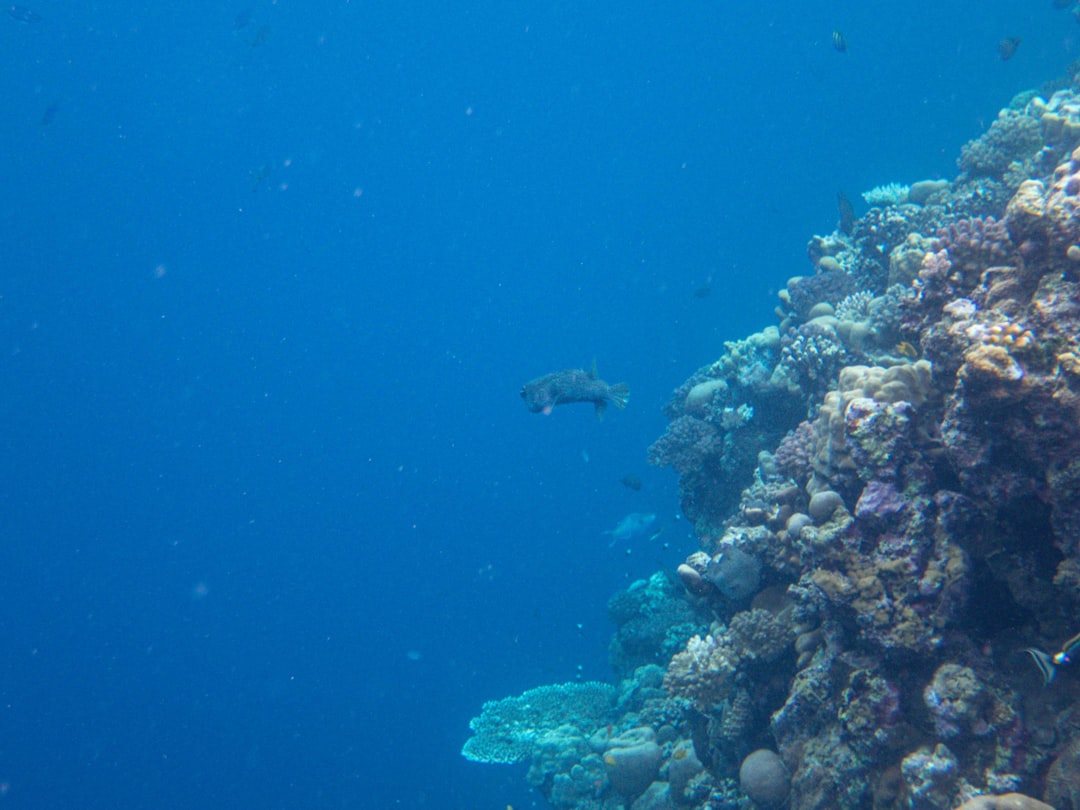
Bikini Atoll, a remote group of islands in the Marshall Islands, is steeped in history and intrigue. Known primarily for its role in nuclear testing during the mid-20th century, this atoll has become a focal point for both scientific research and adventurous exploration. The atoll consists of 36 islands and is surrounded by a stunning lagoon, which has transformed into a unique underwater museum, housing remnants of naval vessels that were intentionally sunk during atomic bomb tests.
The juxtaposition of natural beauty and historical significance makes Bikini Atoll a captivating destination for divers and historians alike. The allure of Bikini Atoll extends beyond its picturesque landscapes; it serves as a poignant reminder of the consequences of war and the advancements in military technology. The sunken fleet, which includes several notable ships, tells a story of resilience and change.
As the world continues to grapple with the legacy of nuclear power, Bikini Atoll stands as a testament to both human ingenuity and the environmental impact of such endeavors. The atoll’s history is not just about destruction; it also encompasses themes of recovery, conservation, and the ongoing quest to understand the past.
Key Takeaways
- Bikini Atoll is a remote island in the Pacific Ocean that was used as a nuclear testing site by the United States after World War II.
- The sunken fleet at Bikini Atoll includes several well-preserved warships, including the USS Saratoga, USS Arkansas, USS Anderson, USS Lamson, USS Apogon, and USS Carlisle.
- The USS Saratoga was a large aircraft carrier that was heavily damaged during nuclear testing at Bikini Atoll and now rests at the bottom of the lagoon.
- The USS Arkansas, a battleship, was also sunk during the nuclear tests and is now a popular dive site for experienced divers.
- Conservation efforts at Bikini Atoll aim to preserve the sunken fleet and protect the marine environment from further damage.
History of Bikini Atoll’s Sunken Fleet
The history of Bikini Atoll’s sunken fleet is intricately linked to the United States’ nuclear testing program in the 1940s and 1950s. Following World War II, the U.S. government sought to demonstrate its military might through a series of nuclear tests, with Bikini Atoll chosen as the testing ground due to its remote location and sparse population.
In 1946, Operation Crossroads marked the beginning of this era, where two atomic bombs were detonated above and below the water, resulting in significant destruction to the fleet of ships anchored in the lagoon. The fleet consisted of a diverse array of vessels, including aircraft carriers, battleships, and submarines, all selected for their strategic importance and potential to provide data on the effects of nuclear explosions. The tests not only obliterated these ships but also left an indelible mark on the environment and the local population.
The aftermath of these tests led to the displacement of the indigenous people of Bikini Atoll, who were forced to leave their ancestral home, highlighting the human cost associated with military experimentation.
The USS Saratoga
Among the most notable vessels in Bikini Atoll’s sunken fleet is the USS Saratoga (CV-3), an aircraft carrier that played a significant role during World War
Launched in 1925, the Saratoga was one of the largest ships in the U.S. Navy at the time and participated in numerous key battles in the Pacific Theater. After serving with distinction throughout the war, she was decommissioned and ultimately selected for Operation Crossroads as a target for nuclear testing.
| Year Launched | 1925 |
|---|---|
| Ship Name | Saratoga |
| Size | One of the largest ships in the U.S. Navy at the time |
| Theater of Operation | Pacific Theater |
| Key Battles | Participated in numerous key battles |
| Post-War Status | Decommissioned |
| Subsequent Use | Selected for Operation Crossroads as a target for nuclear testing |
The USS Saratoga was subjected to two atomic bomb detonations during Operation Crossroads: one above water and another submerged. The first explosion caused extensive damage to her flight deck and superstructure, while the second test revealed how nuclear blasts could affect naval vessels submerged in water.
Today, she lies at a depth of approximately 180 feet, serving as a haunting reminder of both her storied past and the destructive power of nuclear weapons.
The USS Arkansas
Another significant vessel in Bikini Atoll’s underwater graveyard is the USS Arkansas (BB-33), a battleship that had a storied career spanning over three decades. Commissioned in 1912, Arkansas saw action during both World Wars and was known for her resilience and firepower. After her decommissioning in 1946, she was chosen as a target for nuclear testing due to her historical significance and structural integrity.
During Operation Crossroads, Arkansas was subjected to both an aerial detonation and an underwater explosion. The results were catastrophic; while she initially survived the aerial blast, the underwater explosion ultimately led to her sinking. Today, she rests upright on the ocean floor at a depth of around 300 feet.
The wreckage of the USS Arkansas has become a popular dive site, attracting divers eager to explore her remains and witness firsthand the impact of nuclear testing on naval architecture.
The USS Anderson

The USS Anderson (DD-411), a destroyer that served valiantly during World War II, is another notable ship that met its fate at Bikini Atoll. Commissioned in 1942, Anderson participated in various operations across the Pacific, earning commendations for her service. After being decommissioned post-war, she was included in Operation Crossroads as part of the sunken fleet.
The USS Anderson was subjected to both atomic bomb tests during Operation Crossroads, which ultimately led to her sinking. Unlike some of her larger counterparts, Anderson’s wreckage lies at a shallower depth, making it more accessible for divers. Today, her remains are scattered across the lagoon floor, providing a glimpse into her once-mighty presence.
The wreck serves as an important site for marine life as well, with coral reefs beginning to reclaim parts of her structure.
The USS Lamson
The USS Lamson (DD-367), another destroyer that participated in World War II, also found its final resting place at Bikini Atoll. Commissioned in 1936, Lamson was involved in various naval operations throughout her service life. After being decommissioned in 1945, she was selected as part of the fleet for Operation Crossroads.
During the tests, Lamson was subjected to intense nuclear blasts that ultimately led to her sinking.
Over time, marine life has begun to flourish around her wreckage, creating an artificial reef that supports diverse ecosystems.
The USS Lamson serves as a poignant reminder of both human conflict and nature’s ability to reclaim what was once lost.
The USS Apogon
The USS Apogon (SS-308), a Balao-class submarine commissioned during World War II, adds another layer to Bikini Atoll’s sunken fleet narrative. Launched in 1944, Apogon had a brief but impactful service history before being decommissioned in 1946. Like many other vessels in the fleet, she was chosen for Operation Crossroads due to her strategic importance.
During the tests, Apogon was subjected to underwater explosions that ultimately led to her sinking. Today, she rests at a depth of around 400 feet and has become an important site for marine research and exploration. Divers who venture into these depths can witness firsthand how marine ecosystems have adapted around her remains.
The wreckage serves not only as a historical artifact but also as a habitat for various marine species.
The USS Carlisle
The USS Carlisle (APA-69), an attack transport ship that played a crucial role during World War II, is yet another vessel that contributes to Bikini Atoll’s rich maritime history. Commissioned in 1944, Carlisle was involved in transporting troops and supplies during critical operations across the Pacific theater. After her decommissioning in 1946, she was included in Operation Crossroads as part of the sunken fleet.
During the tests, Carlisle endured significant damage from nuclear blasts but ultimately sank into the lagoon’s depths. Today, she lies at approximately 300 feet below sea level and has become an intriguing dive site for those interested in exploring her remains. Over time, marine life has begun to flourish around her wreckage, creating an artificial reef that supports diverse ecosystems.
The USS Carlisle serves as a poignant reminder of both human conflict and nature’s ability to reclaim what was once lost.
Diving and Exploring the Sunken Fleet
Diving at Bikini Atoll offers an unparalleled opportunity for adventurers and history enthusiasts alike to explore one of the most significant underwater sites in modern history. The sunken fleet provides divers with access to an array of vessels that tell stories of bravery, sacrifice, and technological advancement. Each wreck presents unique challenges and rewards for divers who seek to uncover their secrets beneath the waves.
The clear waters surrounding Bikini Atoll allow for excellent visibility, making it easier for divers to navigate through the remnants of these historic ships. Many dive operators offer guided tours that provide insights into each vessel’s history while ensuring safety during dives. As divers descend into the depths, they are often struck by the haunting beauty of these sunken giants—coral reefs have begun to envelop their structures, creating vibrant ecosystems teeming with marine life.
Conservation Efforts at Bikini Atoll
As awareness grows regarding environmental conservation and historical preservation, efforts have been made to protect Bikini Atoll’s unique underwater heritage. Various organizations are working diligently to ensure that this site remains accessible for future generations while also safeguarding its ecological integrity. These initiatives focus on promoting sustainable tourism practices that minimize human impact on delicate marine ecosystems.
Research projects are also underway to study the long-term effects of nuclear testing on marine life and ecosystems surrounding Bikini Atoll. Scientists are examining how these sunken vessels have influenced local biodiversity and contributed to coral reef restoration efforts. By understanding these dynamics better, conservationists hope to develop strategies that will protect not only Bikini Atoll but also similar sites around the world.
The Future of Bikini Atoll’s Sunken Fleet
The future of Bikini Atoll’s sunken fleet remains uncertain yet hopeful as ongoing conservation efforts aim to preserve this unique underwater museum for generations to come. As divers continue to explore these historic wrecks, they contribute not only to our understanding of naval history but also raise awareness about environmental issues related to military activities. Bikini Atoll stands as a powerful symbol—a reminder of humanity’s capacity for destruction and resilience alike.
As we look ahead, it is crucial that we honor this legacy by fostering responsible exploration practices while advocating for environmental stewardship. By doing so, we can ensure that Bikini Atoll’s sunken fleet remains not just a relic of the past but also a source of inspiration for future generations seeking knowledge about our shared history and responsibility toward our planet.
Diving the sunken fleet at Bikini Atoll offers a unique glimpse into a submerged world of history and marine life, drawing divers from around the globe to explore its depths. For those interested in further exploring the fascinating intersection of history and underwater exploration, an article on MyGeoQuest provides additional insights into similar diving adventures and the historical significance of underwater sites. This resource delves into the stories behind these submerged relics, offering a broader context for understanding the allure of diving at places like Bikini Atoll.
FAQs
What is Bikini Atoll?
Bikini Atoll is an atoll in the Marshall Islands, located in the Pacific Ocean. It is known for its role in nuclear testing during the mid-20th century.
What is the sunken fleet at Bikini Atoll?
The sunken fleet at Bikini Atoll refers to a group of ships that were intentionally sunk during the Operation Crossroads nuclear tests in 1946.
Can divers visit the sunken fleet at Bikini Atoll?
Yes, divers can visit the sunken fleet at Bikini Atoll. However, due to the radioactive contamination from the nuclear tests, access to certain areas may be restricted.
Is it safe to dive at Bikini Atoll?
Diving at Bikini Atoll carries some risks due to the potential for radioactive contamination. Divers should follow strict safety guidelines and regulations to minimize exposure.
What can divers expect to see at Bikini Atoll?
Divers at Bikini Atoll can expect to see a variety of well-preserved shipwrecks, including battleships, aircraft carriers, and submarines. The marine life in the area is also diverse and abundant.
Are there any restrictions or regulations for diving at Bikini Atoll?
Yes, there are strict regulations and guidelines for diving at Bikini Atoll, including limits on dive times and areas that can be accessed. Divers are also required to undergo thorough safety briefings and follow decontamination procedures.